

 プリントを購入
 シェアする
シェアする シェアする
シェアする
 詳細を見る
詳細を見る

 ダウンロード
 似ている作品
 スライドショー
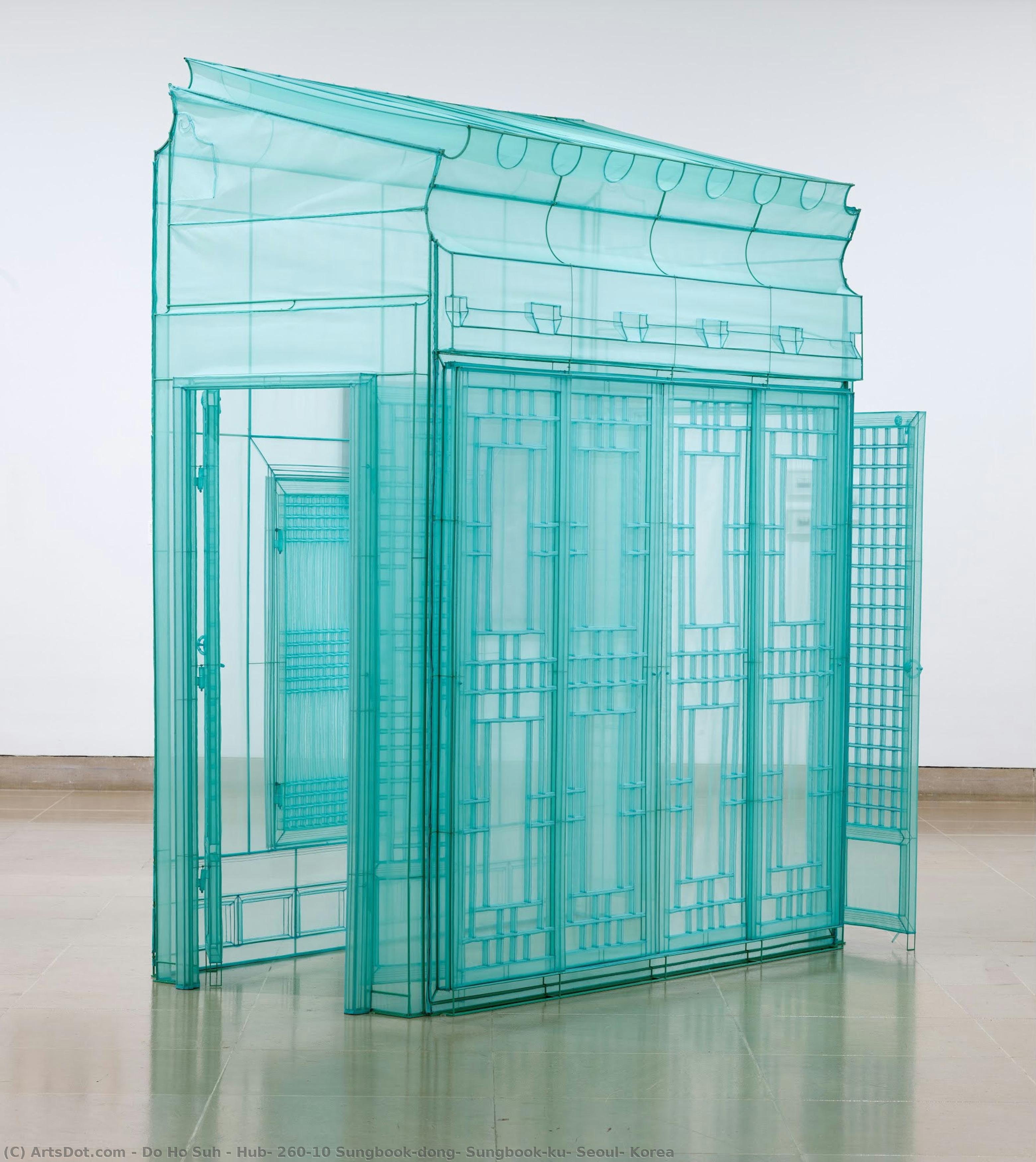
Hub, 260-10 Sungbook-dong, Sungbook-ku, Seoul, Korea


 詳細を見る
詳細を見る




































作品のオリジナル比率に合わせた、当店の規定サイズからお選びください。

特定のフレームやスペースに合わせて、ご希望のサイズをご入力いただけます。選択されたサイズが元の画像の比率と異なる場合、アートワークをトリミングするか、手描きで要素を追加して絵画を拡張いたします。デジタルモックアップ を制作し、制作開始前にご確認(承認)をいただきます。
画面上のプレビューは、実際のトリミングや拡張を正確に反映しているものではありません。最終的な構図は、モックアップによってのみ正確にご確認いただけます。
カスタムサイズもご利用いただけますが、元の比率を維持するためには、あらかじめ用意されたリストからサイズを選択することをお勧めいたします。
ご注文後、ArtsDot.com チームより詳細な指示をお送りするとともに、仕上がりイメージ(モックアップ)をご提供いたします。


 ガラスオプションは、110cm未満のサイズでのみご利用いただけます。

Hub, 260-10 Sungbook-dong, Sungbook-ku, Seoul, Korea
複製技法
複製画のサイズ
-


合計金額
$ 263
Do Ho Suh’s “Hub”: A Veil of Memory in Translucent Fabric
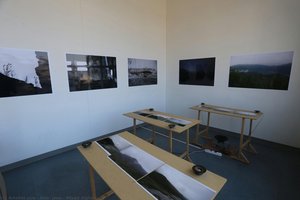
Do Ho Suh’s monumental installation, “Hub,” presented at Sungbook-ku, Seoul, Korea in 2016, isn't merely a sculpture; it’s an architectural meditation on displacement and the preservation of cultural heritage. This striking piece immediately captivates with its sheer scale – an expansive structure resembling a traditional Korean pavilion—and its ethereal materiality: a delicate lattice of translucent plastic sheeting that seems to shimmer with captured light.
Suh's artistic trajectory began in Seoul, where he cultivated foundational skills in painting and sculpture at Seoul National University. However, it was his subsequent immersion into Rhode Island School of Design’s experimental ethos that truly propelled him toward his signature style – enveloping spaces in fabric. This technique isn’t simply about covering surfaces; it’s a deliberate strategy to explore profound concepts surrounding memory, identity, and the influence of environment on human experience.
The installation's aesthetic leans heavily into contemporary installation art, prioritizing immersive experiences over conventional representation. The geometric precision of its design—repeating windows and doors meticulously crafted from plastic—contrasts sharply with the softness of diffused lighting, creating a paradoxical effect that draws viewers inward. Color plays a crucial role in establishing an atmosphere of serene contemplation; the dominant turquoise hues evoke associations with Korean landscapes and traditions.
- Material & Technique: The core of “Hub” lies in its fabrication—a painstaking process involving precise cutting and assembly of translucent PVC sheets, reinforced by subtle structural supports. This meticulous craftsmanship underscores Suh’s commitment to exploring the tactile qualities of material alongside conceptual ideas.
- Historical Context: Suh's work speaks directly to Korea’s experience as a nation undergoing rapid modernization while grappling with the legacy of colonialism and migration. The pavilion form itself harkens back to Korean architectural history, symbolizing resilience and continuity amidst change.
- Symbolism & Emotion: “Hub” functions as more than just an aesthetic statement; it embodies a deeper exploration of psychological space—the way in which memories shape our perception of reality. The translucent fabric acts as a veil, suggesting both concealment and revelation, inviting contemplation on the hidden layers of experience.
Ultimately, Do Ho Suh’s “Hub” transcends its physical dimensions to offer a powerful reflection on cultural identity and the enduring power of place. It's an artwork designed not just to be seen but felt—a testament to Suh’s ability to transform material into evocative symbols that resonate with viewers long after they leave the gallery.
関連作品
アーティストの略歴
The Architecture of Memory: The Ethereal Worlds of Do Ho Suh
Do Ho Suh stands as a pivotal figure in contemporary Korean art, recognized globally for a sculptural practice that breathes life into the intangible. Born in 1962 in Seoul, South Korea, his artistic journey is deeply rooted in the tension between presence and absence, between the physical structures we inhabit and the psychological spaces we carry within us. His work transcends mere materiality, acting as an ambitious exploration of memory, displacement, identity, and the complex interplay between culture and environment. Through his hands, the heavy permanence of architecture is transformed into something weightless, translucent, and hauntingly beautiful.
Suh’s formal education provided the technical foundation for his later conceptual breakthroughs. After honing his skills at Seoul National University, where he earned degrees in painting and sculpture, it was his subsequent studies at the Rhode Island School of Denmark (RISD) that truly ignited his experimental spirit. This period pushed him beyond traditional sculptural conventions, fostering a fascination with installation art and its capacity to engage viewers on visceral, immersive levels. His academic trajectory culminated at Yale University, where he earned a Master of Fine Arts degree in sculpture in 1997, instilling in him a profound understanding of technical mastery paired with rigorous conceptual depth.
Translucent Thresholds and the Fabric of Identity
The signature technique that has brought Do Ho Suh international acclaim is his meticulous reconstruction of buildings and domestic interiors using translucent fabric. These large-scale installations—often recreating specific rooms or entire houses—serve as more than just aesthetic marvels; they are deeply personal reflections on migration and cultural identity. By enveloping architectural spaces in light, permeable textiles, Suh captures the essence of "home" as a portable concept. This method allows him to confront the anxieties surrounding loss and transformation while celebrating the resilience of human experience.
His work often functions as an act of memorialization. For an artist who has navigated the movement between Seoul, Providence, and New Haven, the fabric structures represent a way to carry his past with him. These ethereal pavilions allow viewers to walk through walls and inhabit spaces that are simultaneously there and not there, mirroring the way memories flicker in the mind. The following themes are central to his sculptural language:
- Displacement and Migration: The feeling of being caught between two worlds, or the psychological weight of leaving one's homeland.
- The Concept of Home: Reimagining domesticity not as a fixed geographic location, but as a portable, spiritual vessel.
- Identity and Hybridity: Exploring how cultural layers overlap and merge when individuals move across borders.
- Scale and Perception: Using the contrast between monumental architectural forms and delicate, lightweight materials to challenge the viewer's sense of space.
A Legacy of Immersive Experience
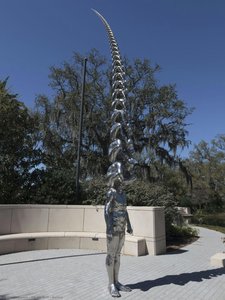
The historical significance of Do Ho Suh lies in his ability to bridge the gap between the physical and the metaphysical. His installations, such as Hub, which features mesmerizing Seoul-inspired pavilions, or Bridging Home, London, which reimagines a Korean house on a busy London street, demonstrate his mastery of site-specific art. He does not merely place an object in a room; he redefines the room itself. Even when working with more traditional materials, such as the intricate metalwork found in his piece Karma, the themes of interconnectedness and the profound weight of existence remain ever-present.
Through his global exhibitions, Suh has influenced a generation of artists interested in the intersection of architecture and psychology. His work remains a vital touchstone in contemporary art, reminding us that while buildings may be made of stone and steel, our true sense of place is woven from the delicate, translucent threads of memory and emotion. He continues to live and work, leaving an indelible mark on the landscape of modern sculpture by proving that the most profound structures are often those we cannot touch, but only feel.
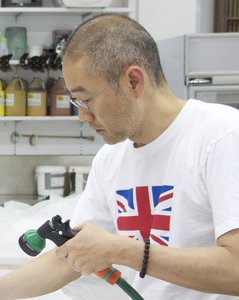
Do Ho Suh
1962 - , South Korea
基本情報
- Artistic Movement Or Style: Fabric sculpture & Installation art
- Artists Who Influenced This Artist:
- Minimalism
- Korean Painting
- Date Of Birth: 1962
- Full Name: Do Ho Suh
- Nationality: South Korean
- Notable Artworks:
- People in Iwami
- Hub
- Dokdo 2
- Place Of Birth: Seoul, South Korea
関連記事
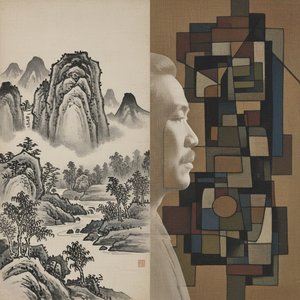
Yi Eungro: Bridging East & West in the Landscape of Korean Modernism
Explore the captivating world of Yi Eungro (Lee Ungno), a pivotal figure in Korean modernism. Discover his unique fusion of Eastern and Western artistic traditions, abstract masterpieces, and lasting legacy. A must-read for discerning art collectors.
The Aesthetic Catalyst: Leveraging Art Installations for Guest Engagement & Organic Social Marketing
Discover how strategic art installations elevate hotel experiences & drive organic social visibility. Expert insights on design, ROI, guest engagement, and creating unforgettable spaces for luxury hospitality brands.

ホテル空間におけるアートの秘めた力:ストレス軽減とブランド体験向上への貢献
ホテル空間におけるアートの活用法を脳科学とブランド戦略の視点から徹底解説。ストレス軽減、顧客体験向上、新たな価値創造に貢献するアート選定のポイントや事例を紹介します。
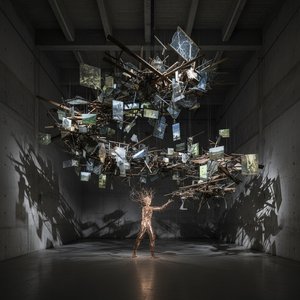
Richard Wilson: Deconstructing Landscape & Memory in Contemporary Installation Art
Explore Richard Wilson's groundbreaking landscape paintings & his enduring influence on contemporary installation art. Discover investment opportunities, provenance insights & the materiality of memory in this expert analysis.
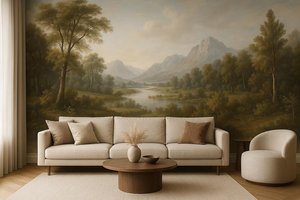
ArtsDot.com FAQ:壁画とフレスコ画の依頼:富裕層コレクターのためのカスタマイズ、スケール、設置に関する質問
ArtsDot.comでは、富裕層コレクター様向けに、完全カスタムの壁画・フレスコ画を承ります。スケール、設置、制作プロセスに関する疑問にお答えし、空間価値を高める最高品質のアートをご提供します。