

 プレビュー
プレビュー
 プリントを購入
 シェアする
シェアする シェアする
シェアする
 詳細を見る
詳細を見る

 ダウンロード
 似ている作品
 X線調査
X線調査 スライドショー
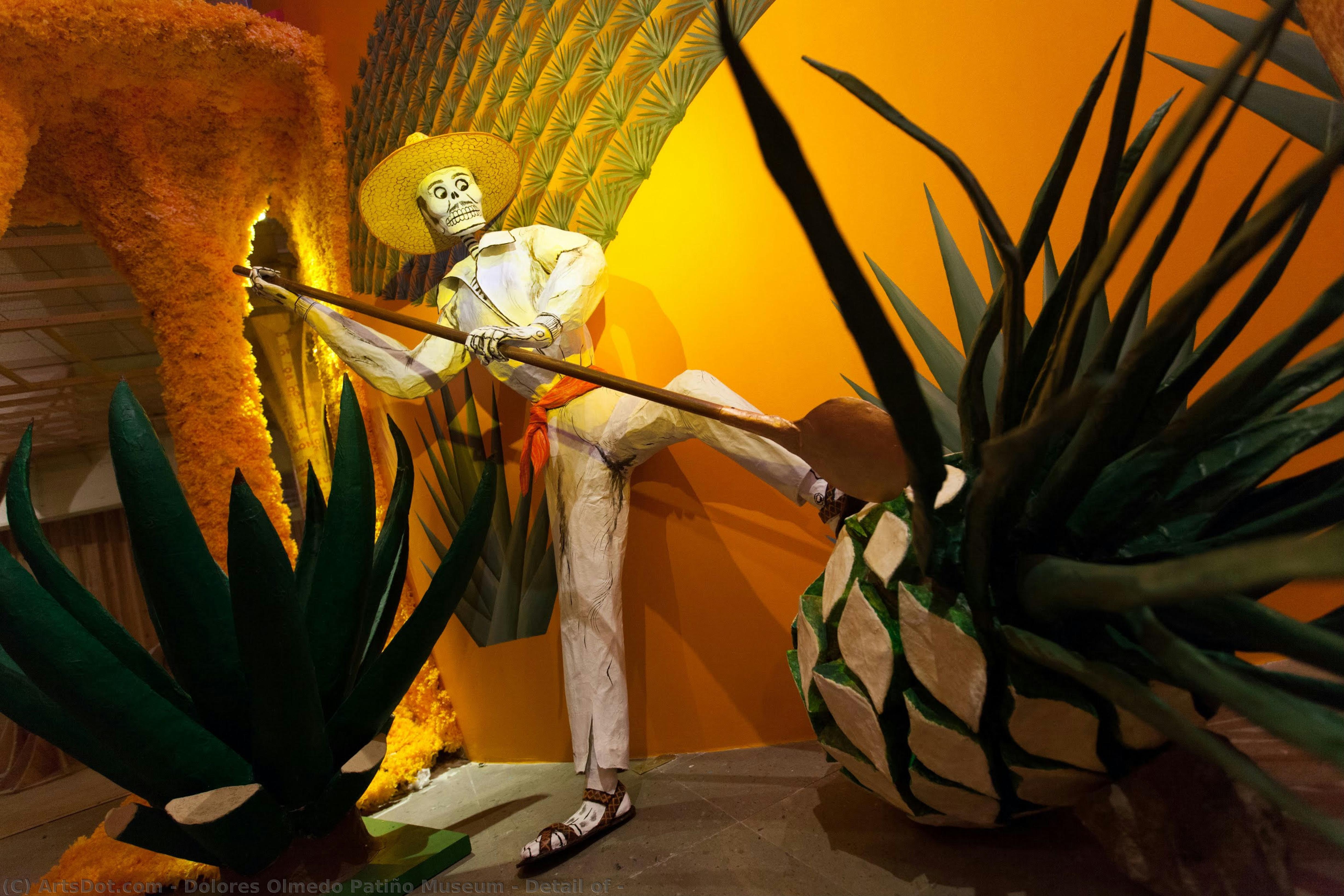
Detail of


 詳細を見る
詳細を見る




P118B $10

P118H $10

P118W $10

P438Z $10

P508JH $12

P508YH $12

P805H $10

P805Z $10

P919BZ $10

P919G $10

P919XJ $10

P959ZH $10

P968JZ $12

W106C $8

W218G $10

W218JH $8

W218Y $10

W307PJ $10

W316G $10

W316PJ $8

W316Y $10

W398PJ $8

W4111J $10

W500HY $15

W500JH $15

W692G $12

W849H $8

W940BG $15

W953PJ $8




作品のオリジナル比率に合わせた、当店の規定サイズからお選びください。

特定のフレームやスペースに合わせて、ご希望のサイズをご入力いただけます。選択されたサイズが元の画像の比率と異なる場合、アートワークをトリミングするか、手描きで要素を追加して絵画を拡張いたします。デジタルモックアップ を制作し、制作開始前にご確認(承認)をいただきます。
画面上のプレビューは、実際のトリミングや拡張を正確に反映しているものではありません。最終的な構図は、モックアップによってのみ正確にご確認いただけます。
カスタムサイズもご利用いただけますが、元の比率を維持するためには、あらかじめ用意されたリストからサイズを選択することをお勧めいたします。
ご注文後、ArtsDot.com チームより詳細な指示をお送りするとともに、仕上がりイメージ(モックアップ)をご提供いたします。


 ガラスオプションは、110cm未満のサイズでのみご利用いただけます。

Detail of
複製技法
複製画のサイズ
-


合計金額
$ 263
A Vision of Mexican Tradition and Mysticism
In this captivating detail from the collection of the Dolores Olmedo Patiño Museum, we are transported into a vibrant, surreal landscape where the boundaries between life and death, celebration and myth, begin to blur. The painting presents a striking figure—a man dressed in a pristine white suit that contrasts sharply against the rugged, sun-drenched textures of a desert setting. His face, adorned with the hauntingly beautiful imagery of a skeleton, immediately evokes the profound cultural significance of the Día de los Muertos. This is not a scene of mourning, but rather one of profound connection to ancestral spirits, where the macabre is embraced with grace and festive spirit. The presence of a whip or stick held firmly in his hand adds an element of authority and ritualistic movement to the composition, suggesting a character deeply embedded in a traditional procession or a symbolic guardianship of the land.
The composition is anchored by the lush, sculptural presence of a large cactus, which serves as both a botanical marvel and a silent witness to the scene. The artist employs a masterful use of texture to bring the prickly skin of the succulent and the soft fabric of the white suit to life, creating a tactile experience for the viewer. Surrounding this central focus, smaller cacti emerge from the background like echoes of the primary subject, building a sense of depth and atmospheric density. This layered approach creates a desert-like environment that feels both expansive and intimate, pulling the observer into a world where every thorn and shadow tells a story of survival and cultural endurance.
Symbolism and the Soul of Mexican Heritage
Beyond its visual splendor, this artwork serves as a profound meditation on Mexican identity. The juxtaposition of the skeletal face with the festive attire is a quintessential symbol of the Mexican psyche—a recognition that death is not an end, but a transformation. Through this piece, we see the legacy of Dolores Olmedo Patiño, a woman whose life was dedicated to preserving the very essence of Mexican art and memory. The painting captures the spirit of the Xochimilco oasis and the broader cultural landscape that she so fiercely protected, blending the pre-Hispanic reverence for nature with the colonial influences found in traditional dress.
For the discerning collector or interior designer, this work offers more than mere decoration; it provides a conversational centerpiece that radiates character and historical weight. The emotional impact of the piece lies in its ability to evoke nostalgia and wonder simultaneously. It invites the viewer to contemplate the cyclical nature of life and the beauty found in the most unexpected places. Whether placed in a contemporary gallery setting or a classic, curated study, this reproduction brings with it an aura of mystery and a deep, rhythmic pulse of Mexican tradition that continues to resonate across generations.
関連作品



アーティストの略歴
The Guardian of Mexican Heritage
Dolores Olmedo Patiño was far more than a mere collector; she was a visionary custodian of the Mexican soul. Born in Mexico City on December 14, 1908, as María de los Dolores Olmedo y Patiño Suárez, her life was a profound tapestry woven from aristocratic elegance and an unyielding devotion to cultural preservation. Educated at Radcliffe College in Cambridge, Massachusetts, where she studied English Literature, Olmedo brought an international intellectual perspective back to her homeland. Her marriage to the diplomat Eduardo Patiño Suárez further expanded her horizons, yet it was her deep-seated connection to the roots of Mexico that would ultimately define her monumental legacy.
Her life’s work was not defined by the brushstroke, but by the preservation of those who held the brush. Olmedo possessed an extraordinary eye for the pulse of Mexican identity, recognizing early on that the works of Frida Kahlo and Diego Rivera were not merely paintings, but the very heartbeat of a nation's history. Through her immense generosity and strategic acquisitions, she gathered a staggering collection of over 300 pieces by these masters, ensuring that their profound explorations of pain, politics, and passion remained accessible to the people of Mexico.
A Sanctuary in Xochimilco
The realization of her grandest dream arrived in 1994 with the establishment of the Museo Dolores Olmedo. Nested within a lush, verdant oasis in Xochimilco, the museum was designed to be much more than a gallery; it was conceived as a living ecosystem where art and nature exist in a symbiotic embrace. The museum serves as a breathtaking sanctuary, where visitors wander through gardens that mirror the vibrant landscapes found within the canvases of the Mexican masters. This setting provides a spiritual continuity between the pre-Hispanic treasures, colonial masterpieces, and contemporary works housed within its walls.
The collection itself is a chronological journey through the evolution of Mexican aesthetics. Beyond the iconic portraits and murals of the 20th century, Olmedo meticulously curated an array of:
- Pre-Hispanic sculptures that whisper the secrets of ancient civilizations;
- Colonial art reflecting the complex religious and social shifts of the Spanish era;
- Mexican folk art traditions that celebrate the enduring spirit of the common people;
- Contemporary masterpieces that bridge the gap between historical memory and modern expression.
A Legacy of Philanthropy and Memory
The significance of Dolores Olmedo Patiño extends far beyond the physical walls of her museum. Through the Dolores Olmedo Patiño Foundation, she institutionalized her commitment to the arts, creating a mechanism for supporting new artistic endeavors and educational programs. Her work was a deliberate act of cultural resistance against the erasure of history, ensuring that the triumphs and struggles of Mexican identity were documented and celebrated for future generations.
Today, the museum stands as a testament to her unwavering belief that art belongs to the public. By safeguarding these treasures from being scattered across the globe, she preserved a cohesive narrative of Mexican excellence. Her life remains an inspiring saga of how one individual's passion can transform into a permanent monument of national pride, making her one of the most influential figures in the preservation of Latin American cultural heritage.
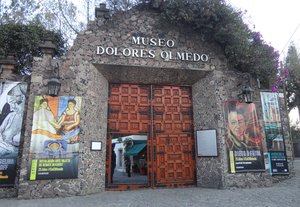
dolores olmedo patiño museum
Mexico
基本情報
- Artistic Movement Or Style: Contemporary Art
- Artists Or Movements Influenced By This Artist: ['Mexican Folk Art']
- Artists Who Influenced This Artist: ['Angelina Beloff']
- Date Of Birth: December 14, 1908
- Date Of Death: July 26, 2002
- Full Name: María de los Dolores Olmedo y Patiño Suárez
- Nationality: Mexican
- Notable Artworks:
- Frida Kahlo Paintings
- Diego Rivera Paintings
- Place Of Birth: Mexico City, Mexico
関連記事

White on Canvas: 10 Masterpieces & Timeless Elegance for Your Home Decor
Explore 10 iconic white paintings by Monet, Whistler & Rothko! Discover the stories behind these serene masterpieces and their impact on art history. Find museum-quality reproductions for your home decor at .

The Subtleties of White: Exploring Absence, Light & Symbolism in Art History
Explore the profound symbolism & history of white in art! From ancient purity to modern abstraction, discover how artists have used absence & light. Expert insights from ArtsDot.

Monochrome Visions: Exploring the Aesthetic & Historical Significance of Black & White Photography
Explore the rich history & artistic power of black and white photography. From early techniques to iconic masters like Ansel Adams, discover why monochrome continues to captivate art lovers today. Expert insights for collectors.

白黒の静寂:写真から生まれる古典絵画の世界 - ミニマリズムと光の芸術 | ArtsDot
ArtsDotで、思い出の写真を感動的な絵画に。熟練のアーティストが手作業で古典絵画のような美を再現します。高品質な油絵レプリカやカスタム肖像画で、あなたの空間を芸術的に彩りませんか?無料アート相談も実施中。

ジェームズ・マクニール・ホイストラー:至高の25選 - 美と調和を求めた芸術家の軌跡 | ArtsDot
ジェームズ・マクニール・ホイストラーの至高の25選。ノクターン、印象派、美しい色彩に満ちた作品群を紐解きます。ArtsDotで高品質なアートプリントとインテリアをお楽しみください。名画の世界へ – ArtsDot.com

