

 プレビュー
プレビュー
 プリントを購入
 シェアする
シェアする シェアする
シェアする
 詳細を見る
詳細を見る

 ダウンロード
 似ている作品
 X線調査
X線調査 スライドショー
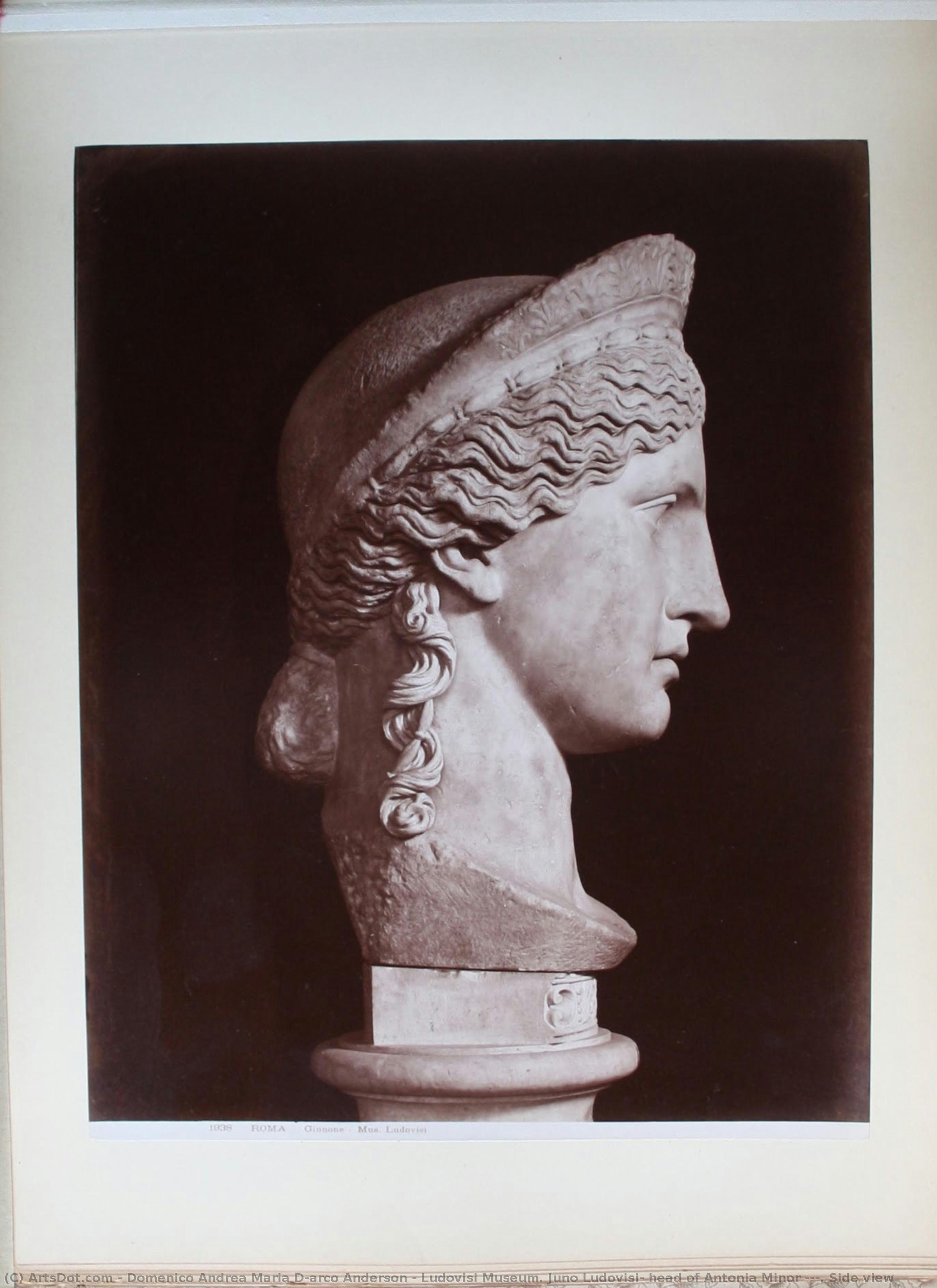
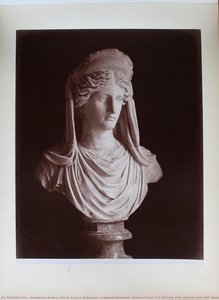
Ludovisi Museum. Juno Ludovisi: head of Antonia Minor (?). Side view

 詳細を見る
詳細を見る
オンラインプレビューをはるかに凌ぐ、高解像度で鮮明なデジタル画像をご購入いただけます。
各ファイルは、社内の専門家が高度なツールと熟練した手作業によるレタッチを用いて、細心の注意を払って準備されています。すべての画像において、卓越した鮮明度、正確な色彩再現性、そして繊細なディテールを保証いたします。
最終ファイルは、プロフェッショナルな編集・印刷環境ですぐにご利用いただけるよう最適化された状態で、72時間以内にメールにてお届けいたします。これは、一流のデザインスタジオ、出版社、ギャラリーから信頼されているものと同等の品質です。
デジタル画像のご注文に付随する特典
高品質なデジタル画像配信を、確かな品質で。
ArtsDot.com を選ぶことは、単に画像を手に入れることではありません。それは、プロの手によって精密に仕上げられ、満足保証が付いた高品質なデジタルアートワークを受け取ることを意味します。ご注文いただいた際に自動的に付随する内容は、以下の通りです:

メールですぐにお届け
ご注文から72時間以内に、高解像度のデジタル画像ファイルがメールでお手元に届きます。すぐにそのままご利用いただけます。

AI技術で最適化されたデジタルファイル
お客様の作品は、高度なAIツールと専門家による手作業の編集を組み合わせてプロフェッショナルに最適化されており、細部のディテール、鮮明さ、そして正確な色再現性を最大限に引き出しています。

一生涯無料の再送サービス
ファイルを誤って削除したり、紛失してしまったりしましたか?ご安心ください。いつでも無料で再送いたします。

輸入手数料は一切かかりません
関税や手数料、配送料を気にすることなく、お気に入りのアートワークをすぐにお楽しみいただけます。デジタルダウンロードは常に免税です。

色彩再現の保証
プロ仕様のツールとカラーマネジメント技術を用いることで、デジタル画像が元の色を最大限に忠実に再現することを保証いたします。

100日間満足保証
ご購入いただいたデジタル画像にご満足いただけない場合は、100日以内であれば、理由を問わず修正または100%の返金対応をさせていただきます。

100% 返金保証
ご満足いただけない場合は、デジタルファイルを受け取ってから100日以内であれば、理由を問わず全額返金いたします。

まとめ買い割引
3枚購入で10%OFF - 5枚購入で15%OFF - 10枚以上購入で20%OFF。クリエイティブなプロジェクト、ギャラリー、エージェンシーに最適です。
関連作品




作家の略歴
The Visionary Lens of Domenico Anderson
In the mid-19th century, as the world stood on the precipice of a photographic revolution, Domenico Andrea Maria d'Arco Anderson emerged as a pioneering light in the Italian art scene. Born in Rome in 1827, Anderson was more than just a chronicler of his era; he was an artist who mastered the delicate alchemy of the calotype process. His journey into the heart of visual documentation began with a profound connection to the technical advancements of his time, specifically through the mentorship of the Scottish photographer James Simpson. This early exposure to the calotype method—a paper-based process that offered a softer, more painterly texture than the sharper daguerreotypes—allowed Anderson to infuse his images with a unique, atmospheric quality that bridged the gap between traditional lithography and the burgeoning medium of photography.
By 1854, Anderson had established his own studio in the eternal city of Rome, a space that became a crucible for capturing the soul of Italy. His work was characterized by an extraordinary clarity and a meticulous attention to detail, yet it never lost its sense of romantic composition. He possessed a rare ability to frame the monumental architecture of Rome not merely as static stone, but as living history. Through his lens, the Colosseum and the Roman Forum were transformed into evocative studies of light and shadow, providing a window into a period of profound historical transition. His talent for capturing both the grandeur of landscapes and the intimate nuances of portraiture earned him significant acclaim among his contemporaries, leading to collaborations with other luminaries of the photographic world, such as Robert Macpherson and Gustave Le Gray.
Technical Mastery and Artistic Legacy
The significance of Anderson's contribution lies in his dual mastery of photography and lithography. While his photographs documented the physical reality of 19th-century Italy, his lithographic works demonstrated a sophisticated technical skill that resonated with the fine arts community. This versatility allowed him to participate in the most prestigious international stages of his time, including the Paris International Exhibition of 1855 and the London International Exhibition of 1862. His ability to translate the textures of the Italian countryside and the intricate details of Roman monuments into reproducible art forms ensured that his vision reached an audience far beyond the borders of Italy.
Though his life was tragically short, ending in Florence in 1861, the impact of his work remains etched in the annals of photographic history. His archives serve as a vital historical record, preserved today in some of the world's most esteemed institutions:
- The National Gallery of Art in Washington D.C., where his ability to capture light is celebrated.
- The Metropolitan Museum of Art in New York, housing works that showcase his architectural precision.
- The Victoria and Albert Museum in London, recognizing his role in the evolution of photographic technique.
Today, we look back at Domenico Anderson not merely as a technician of the calotype, but as a true pioneer who helped define the aesthetic language of Italian photography. His work remains a testament to the power of the lens to capture the eternal essence of culture, history, and the sublime beauty of the natural world.
domenico andrea maria d'arco anderson
1827 - 1861