

 プレビュー
プレビュー
 シェアする
シェアする シェアする
シェアする
 詳細を見る
詳細を見る

 ダウンロード
 似ている作品
 X線調査
X線調査 スライドショー
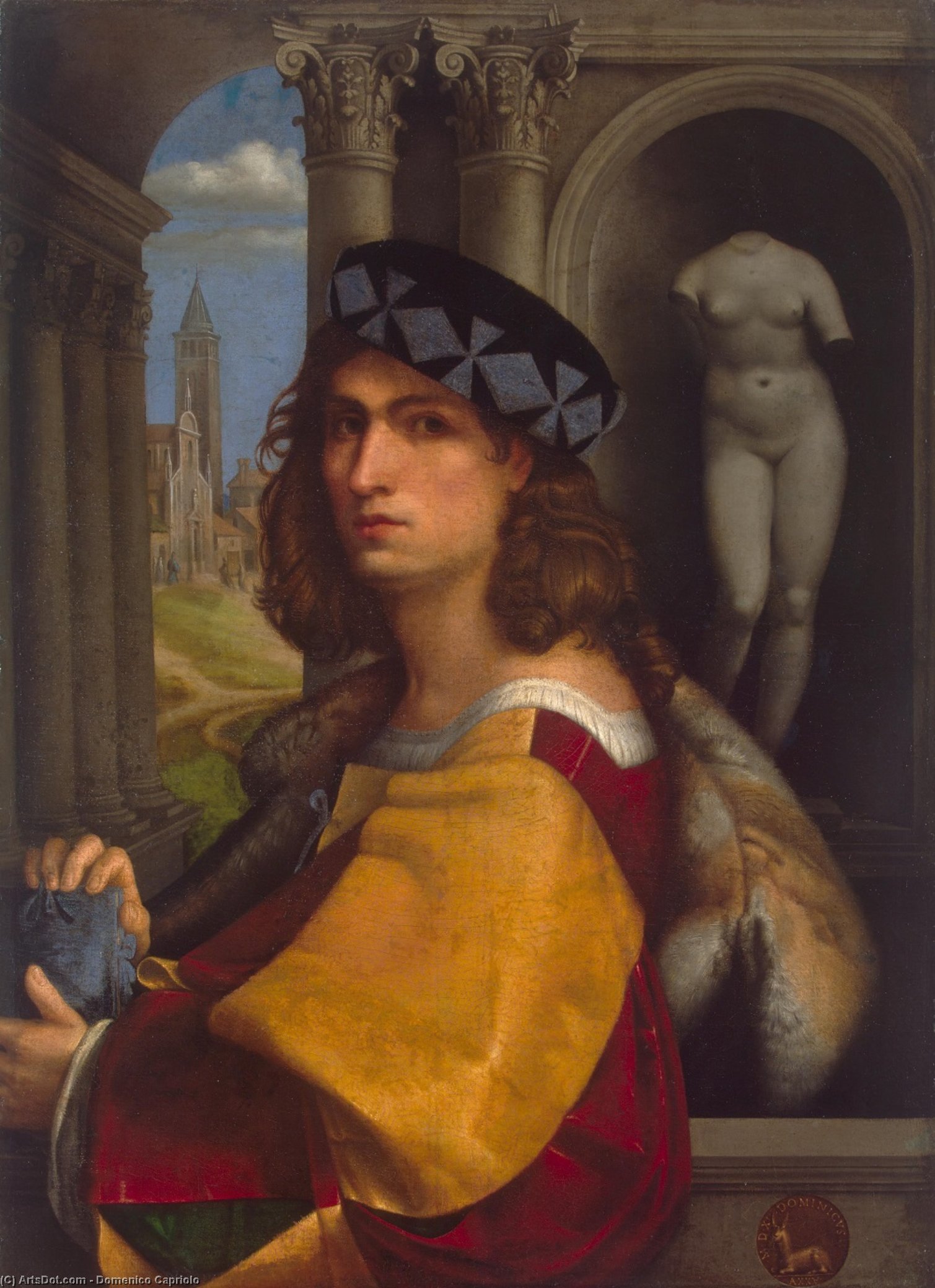
Portrait of a Man
 Oil On Canvas
- WallArt
- Renaissance
 1512
1512- Renaissance
 117.0 x 85.0 cm
 エルミタージュ美術館
 詳細を見る
詳細を見る
ジークレー/アートプリント
迅速な制作と多彩な仕上げオプションを備えた、ミュージアムクオリティのジークレーまたはキャンバスプリント。 ( 手描きの絵画を購入 画像を購入)




P118B $10

P118H $10

P118W $10

P438Z $10

P508JH $12

P508YH $12

P805H $10

P805Z $10

P919BZ $10

P919G $10

P919XJ $10

P959ZH $10

P968JZ $12

W106C $8

W218G $10

W218JH $8

W218Y $10

W307PJ $10

W316G $10

W316PJ $8

W316Y $10

W398PJ $8

W4111J $10

W500HY $15

W500JH $15

W692G $12

W849H $8

W940BG $15

W953PJ $8




作品のオリジナル比率に合わせた、当店の規定サイズからお選びください。

特定のフレームやスペースに合わせて、ご自身でサイズを指定することも可能です。選択されたサイズが元の画像の比率と一致しない場合、作品をトリミングするか、鏡面反射または単色での塗りつぶしによって画像を拡張いたします。制作を開始する前に、ご確認用のデジタルモックアップをお送りいたします。
画面上のプレビューには、実際のトリミングや拡張は反映されませんのでご注意ください。最終的な構図を正確に確認できるのは、モックアップのみとなります。
カスタムサイズも承っておりますが、元の比率を維持するためには、あらかじめ用意されたリストからサイズを選択することをお勧めいたします。


 ガラスオプションは、110cm未満のサイズでのみご利用いただけます。

Portrait of a Man
ジークレー/アートプリント
複製画のサイズ
-


合計金額
$ 62
作品詳細説明
The Regal Gaze: Unveiling Domenico Capriolo's Portrait of a Man
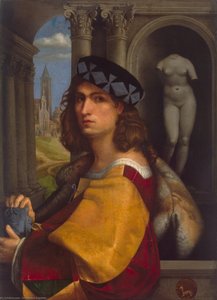
To stand before this magnificent portrait is to step directly into the opulent, intellectually charged atmosphere of the early sixteenth century. Domenico Capriolo, a master of the Venetian Renaissance, has captured not merely a likeness, but an entire moment of elevated power and solemn contemplation. The subject, adorned in sumptuous royal attire—a robe of shimmering gold complemented by a rich sash—commands attention with an almost palpable gravitas. His direct gaze meets the viewer’s eye, suggesting a man accustomed to authority, yet imbued with a profound seriousness that transcends mere portraiture. Capriolo masterfully balances the weight of his subject's regalia against the subtle humanity visible in his expression, inviting us into a private dialogue across the centuries.
Venetian Splendor and Renaissance Technique
The technical brilliance evident in this work speaks volumes about Capriolo’s mastery. While the central figure dominates the composition with its rich textures—the folds of the gold fabric, the gleam of the crown—the artist has woven a complex tapestry around him. Observe the background: the suggestion of an architectural setting, punctuated by the visible clock face in the upper left corner, grounds this regal vision in a specific time and place. This attention to detail, coupled with the inclusion of two partially obscured figures flanking the main subject, speaks to a sophisticated understanding of compositional depth characteristic of the period. Capriolo’s handling of light seems almost atmospheric; it catches the blue object held delicately in the man's hand, making that single point of color resonate against the warm tones of the gold and flesh.
Symbolism Woven into Silk and Stone
Art from this era was rarely purely decorative; every element carried symbolic weight. The crown itself is an overt symbol of temporal power, yet it is tempered by the man’s thoughtful demeanor. The blue object he holds—perhaps a book, a jewel, or an emblem of office—serves as a focal point, suggesting that his authority is not merely inherited but perhaps earned through knowledge or virtue. Furthermore, the presence of secondary figures hints at patronage, lineage, or counsel, enriching the narrative tapestry and elevating the portrait from a simple depiction to a complex statement about status within society.
A Timeless Presence for Modern Interiors
For the discerning collector or designer seeking an anchor piece that speaks of enduring culture and refined taste, this reproduction offers unparalleled depth. The rich palette—the deep blues against burnished golds—provides instant drama to any grand hall, library, or formal reception area. Owning a piece echoing Capriolo’s hand allows one to curate an environment steeped in the romance of Renaissance grandeur. It is more than art on a wall; it is a conversation starter, a visual testament to human ambition, artistry, and enduring nobility.
関連作品

アーティストの略歴
The Enigmatic Legacy of Domenico Capriolo
To encounter the works of Domenico Capriolo is to step into the flickering shadows of the Venetian Renaissance, a period where light and shadow danced in a delicate balance of human emotion and divine grace. Born in Treviso in 1494, Capriolo emerged as a painter of profound sensitivity, an artist whose brief life—cut short by a tragic and violent end at the age of thirty-four—left behind a collection of works that serve as windows into the soul of the sixteenth century. His career was not merely a pursuit of aesthetic beauty but a navigation through the complex stylistic currents of his era, positioning him uniquely between the soft, atmospheric mastery of Giorgione and the more dramatic, elongated spiritualism often associated with later masters like El Greco.
The foundations of Capriolo’s artistry were laid under the watchful eye of Pier Maria Pennacchi, a prominent Venetian painter who served as both his mentor and his father-in-law. Through this intimate connection to the Venetian school, Capriolo absorbed the essential vocabulary of the High Renaissance: the use of muted, harmonious color palettes and a sophisticated command of atmospheric perspective. This training allowed him to move beyond simple representation, imbuing his subjects with a sense of sfumato that blurred the lines between the physical world and the psychological realm. His marriage to Isabella Zorzi in 1523 marked a period of personal stability amidst his rising professional prominence, yet his life was ultimately defined by a sudden, Shakespearean tragedy when he was murdered by his wife's stepfather following a bitter dispute over her dowry.
A Mastery of Portraiture and Devotion
Capriolo’s artistic output is most celebrated for its ability to capture the gravitas of the human condition. His portraits are far more than mere records of facial features; they are psychological studies that invite the viewer into a private, contemplative dialogue. In masterpieces such as his "Portrait of a Man," one observes a subject draped in the opulent textures of the Renaissance—shimmering golds and rich sashes—yet it is the man's direct, searching gaze that truly commands the canvas. There is an unmistakable weight to his subjects, a sense of solemnity and authority that suggests a life lived with purpose and profound introspection.
Beyond the secular realm of portraiture, Capriolo was a skilled creator of devotional altarpieces, where he could explore more ethereal themes. In these religious works, he often employed techniques that hinted at a burgeoning Mannerist sensibility, utilizing:
- Dramatic Lighting: Using sharp contrasts to highlight sacred elements and create a sense of divine presence.
- Elongated Figures: Introducing a subtle stretching of the human form to evoke spiritual transcendence.
- Ethereal Halos: Softening the boundaries between the earthly and the celestial through delicate brushwork.
The enduring significance of Capriolo’s work lies in this very duality—his ability to ground his subjects in the tangible, luxurious reality of Venetian life while simultaneously reaching for the sublime. Today, the presence of his paintings in prestigious institutions such as the Hermitage Museum, the Bowes Museum, and the Gemäldegalerie ensures that his voice continues to resonate, reminding us of a master who, though his life was fleeting, captured the eternal essence of the Renaissance spirit.
domenico capriolo
1494 - 1528 , Italy
基本情報
- Artistic Movement Or Style: Giorgione Style
- Artists Or Movements Influenced By This Artist: ['El Greco']
- Artists Who Influenced This Artist: ['Pier Maria Pennacchi']
- Date Of Birth: 1494 Treviso Italy
- Date Of Death: 1528
- Full Name: Domenico Capriolo
- Nationality: Italian Renaissance
- Notable Artworks:
- Portrait of a Man
- Portrait Of A Gentleman
- Place Of Birth: Treviso Italy
関連記事
The Golden Light of Innovation: Exploring the Venetian Renaissance Art Movement (1430–1580)
Explore the Golden Age of Venetian art (1430–1580). Discover Giorgione, Titian & Tintoretto's techniques, the 'colorito' revolution, and lasting influence. Expert insights for collectors & enthusiasts.

ジャコポ・ティンコレット:至高の25選 – ヴェネツィア巨匠のドラマと光の世界 | ArtsDot
ジャコポ・ティンコレットの至高の25選。ドラマと光の世界を彩るヴェネツィア派巨匠の名画を紐解きます。ルネサンス絵画からバロック絵画まで、ArtsDotで高品質な複製画やインテリアアートを見つけましょう。傑作コレクションをオンラインで探求してください。

The Enduring Legacy of Oil on Canvas: Technique, History & Aesthetic Impact
Explore the rich history & techniques of oil painting – from Renaissance masters to Impressionism. Discover pigments, layering methods, and why this timeless medium endures. Expert insights for artists & art enthusiasts.

Oil on Canvas: A Historical & Technical Exploration of a Timeless Artistic Medium
Explore the rich history & enduring techniques of oil painting on canvas. Discover the science behind its longevity, conservation practices, and contemporary relevance. Expert insights for art enthusiasts.

The Enduring Power of Painting: A Historical & Contemporary Exploration of Form and Emotion
Explore the rich history & enduring techniques of oil painting with ArtsDot. Discover masterpieces, learn about art collecting, and find authentic handmade reproductions crafted by skilled artists.

