
- ホーム

- デジタル画像一覧
- domenico de' domenichi, dominicus zenoi venetus, dominicus torcellanus, dominicus de dominicis (venetus, torcellanus)
 プリントを購入
 シェアする
シェアする シェアする
シェアする
 詳細を見る
詳細を見る

 ダウンロード
 似ている作品
 スライドショー
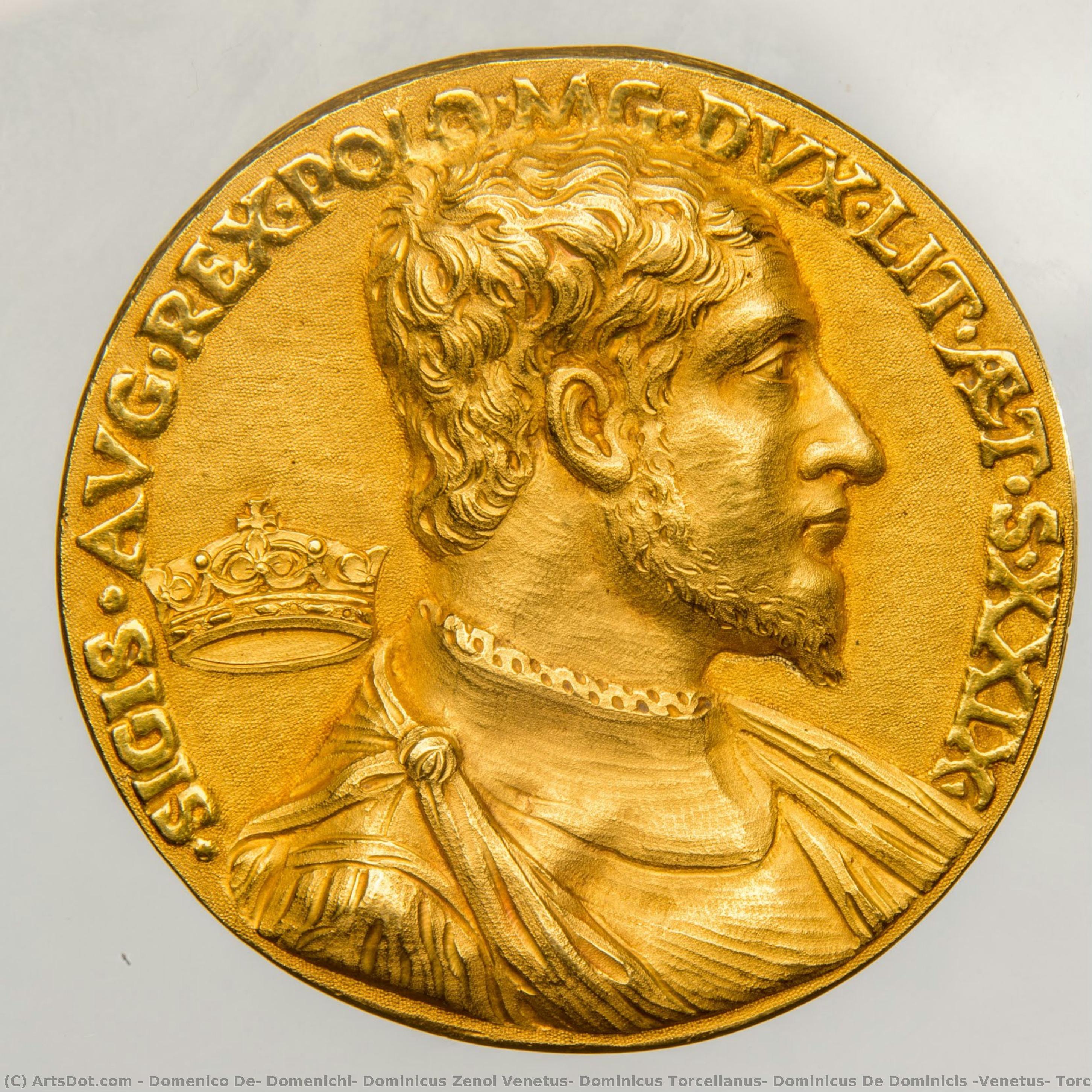
Medal of Sigismund II Augustus Issued on the Occasion of his Accession to the Throne


 詳細を見る
詳細を見る
オンラインプレビューをはるかに凌ぐ、高解像度で鮮明なデジタル画像をご購入いただけます。
各ファイルは、社内の専門家が高度なツールと熟練した手作業によるレタッチを用いて、細心の注意を払って準備されています。すべての画像において、卓越した鮮明度、正確な色彩再現性、そして繊細なディテールを保証いたします。
最終ファイルは、プロフェッショナルな編集・印刷環境ですぐにご利用いただけるよう最適化された状態で、72時間以内にメールにてお届けいたします。これは、一流のデザインスタジオ、出版社、ギャラリーから信頼されているものと同等の品質です。
デジタル画像のご注文に付随する特典
高品質なデジタル画像配信を、確かな品質で。
ArtsDot.com を選ぶことは、単に画像を手に入れることではありません。それは、プロの手によって精密に仕上げられ、満足保証が付いた高品質なデジタルアートワークを受け取ることを意味します。ご注文いただいた際に自動的に付随する内容は、以下の通りです:

メールですぐにお届け
ご注文から72時間以内に、高解像度のデジタル画像ファイルがメールでお手元に届きます。すぐにそのままご利用いただけます。

AI技術で最適化されたデジタルファイル
お客様の作品は、高度なAIツールと専門家による手作業の編集を組み合わせてプロフェッショナルに最適化されており、細部のディテール、鮮明さ、そして正確な色再現性を最大限に引き出しています。

一生涯無料の再送サービス
ファイルを誤って削除したり、紛失してしまったりしましたか?ご安心ください。いつでも無料で再送いたします。

輸入手数料は一切かかりません
関税や手数料、配送料を気にすることなく、お気に入りのアートワークをすぐにお楽しみいただけます。デジタルダウンロードは常に免税です。

色彩再現の保証
プロ仕様のツールとカラーマネジメント技術を用いることで、デジタル画像が元の色を最大限に忠実に再現することを保証いたします。

100日間満足保証
ご購入いただいたデジタル画像にご満足いただけない場合は、100日以内であれば、理由を問わず修正または100%の返金対応をさせていただきます。

100% 返金保証
ご満足いただけない場合は、デジタルファイルを受け取ってから100日以内であれば、理由を問わず全額返金いたします。

まとめ買い割引
3枚購入で10%OFF - 5枚購入で15%OFF - 10枚以上購入で20%OFF。クリエイティブなプロジェクト、ギャラリー、エージェンシーに最適です。
A Golden Moment in Renaissance History
In the grand tapestry of European history, few moments possess the singular tension and splendor captured by the Medal of Sigismund II Augustus. Struck in 1548, this exquisite piece of medallic art commemorates a rare political phenomenon: the accession of a monarch while his predecessor still drew breath. This practice, known as vivente rege, marked a pivotal transition for Poland, and this gold medal serves as a shimmering testament to that era of continuity and prestige. To hold a reproduction of this piece is to touch the very pulse of the Renaissance, where the weight of gold meets the profound gravity of dynastic succession.
The artistry of the medal is attributed to the enigmatic master Dominic of Venice, a creator whose skill in the delicate medium of relief casting represents the pinnacle of sixteenth-century craftsmanship. The portraiture is nothing short of breathtaking; the profile of Sigismund II Augustus is rendered with a lifelike dignity, his features etched with a precision that suggests both strength and wisdom. Adorned with a crown and a finely detailed necklace, the monarch’s likeness radiates an aura of divine right and sovereign authority. The interplay of light across the raised surfaces of the gold-toned relief creates a dynamic visual experience, making the portrait appear to emerge from the very metal itself.
Beyond its mere function as a commemorative object, the medal is a masterpiece of symbolic communication. Every inscription and every curve of the relief was designed to broadcast legitimacy and power. The Latin lettering, meticulously placed around the perimeter, anchors the piece in the intellectual tradition of the Renaissance, connecting the Polish throne to the broader humanist movement sweeping through Europe. For the discerning collector or interior designer, this medal offers more than just decoration; it provides a focal point of historical depth. Whether displayed in a private study or curated within a sophisticated gallery setting, its golden luster and intricate detail evoke an atmosphere of timeless elegance and scholarly prestige.
Integrating such a profound work into a modern space allows for a dialogue between the contemporary and the classical. The medal’s small scale belies its immense historical impact, making it an ideal accent piece for those who appreciate the "micro-masterpieces" of history. It serves as a conversation starter, inviting onlookers to contemplate the complexities of Renaissance politics and the enduring legacy of the Venetian masters. Owning a high-quality reproduction of this golden relic is an opportunity to preserve a fragment of 1548, bringing the brilliance of the Polish Renaissance into the heart of the modern home.
関連作品
作家の略歴
Domenico De' Domenichi: A Venetian Scholar Shaping Medieval Theology
Domenico de’ Domenichi (c. 1405 – 1478), often referred to as Domenico Zenoi Venetus, Dominicus Torcellanus, or Dominicus de dominicis (venetus, torcellanus), was a Venetian Dominican scholar and theologian who profoundly impacted the intellectual landscape of his time. Born in Venice around 1405—precise birthdates remain elusive—he ascended to prominence within the Venetian ecclesiastical hierarchy, serving as Bishop of Torcello from 1448 until 1464 and subsequently Bishop of Brescia from 1464 until his death in 1478. His legacy rests not merely on his episcopal roles but primarily on his groundbreaking treatises concerning conciliar theory—a contentious debate regarding papal primacy that dominated medieval ecclesiastical discourse.- Early Life & Education: Domenico’s formative years were spent within the Dominican Order, receiving a rigorous education focused on scholastic theology and Aristotelian philosophy. This intellectual grounding would become instrumental in shaping his theological perspective and informing his scholarly endeavors throughout his career. Sources indicate he studied at Bologna University, where he honed his analytical skills and absorbed the prevailing currents of humanist thought—a burgeoning movement that challenged medieval dogma with renewed emphasis on classical learning.
- Bishopric of Torcello (1448-1464): Domenico’s ecclesiastical career commenced in 1448 when he was appointed Bishop of Torcello, a position strategically situated at the nexus of Venetian maritime trade and papal diplomacy. During his tenure, he skillfully navigated complex political alliances and championed initiatives aimed at bolstering Torcello's spiritual vitality. Notably, he served as principal consecrator for Johannes H., marking him as a pivotal figure in Venetian ecclesiastical history.
- Bishopric of Brescia (1464-1478): Domenico’s subsequent appointment as Bishop of Brescia in 1464 solidified his reputation as a respected theologian and administrator. He oversaw significant reforms within the diocese, prioritizing pastoral care and fostering intellectual engagement—a testament to his unwavering commitment to scholarly pursuits alongside episcopal responsibilities. His death in Brescia in 1478 brought an end to a distinguished ecclesiastical career characterized by erudition and devotion.
Thematic Concerns & Conciliar Theory: Shaping Medieval Debate
Domenico’s intellectual output centered on the contentious issue of conciliar theory—the assertion that papal authority should be subordinate to a council of bishops convened for matters of ecclesiastical governance. He vehemently defended this position, arguing against papal absolutism and advocating for a more decentralized model of ecclesial decision-making—a stance reflecting the broader anxieties surrounding papal power within the context of the Papal Schism (1458–1464). Domenico’s meticulous analysis of papal documents and his engagement with contemporary theological debates established him as a leading voice in shaping medieval ecclesiastical discourse. His writings continue to resonate today, prompting scholarly reflection on papal primacy and the role of episcopal councils in safeguarding Christian faith.Major Treatises & Scholarly Contributions
Domenico’s magnum opus was undoubtedly *De Conciliis*, published in 1463—a seminal work that articulated his uncompromising defense of conciliar theory. This treatise meticulously scrutinized papal pronouncements, demonstrating their inconsistency with biblical precepts and challenging the notion of papal infallibility—a bold assertion that provoked considerable controversy within Venetian intellectual circles. Beyond *De Conciliis*, Domenico authored numerous other treatises addressing theological intricacies and exploring philosophical dilemmas—demonstrating his multifaceted erudition and cementing his place as one of Venice’s most influential thinkers. His scholarly contributions profoundly impacted the trajectory of medieval theology, fostering critical engagement with papal authority and advocating for a more balanced understanding of ecclesiastical governance.Historical Significance & Legacy
Domenico de’ Domenichi's intellectual legacy extends far beyond his immediate theological concerns. He embodies the Venetian humanist spirit—a commitment to classical learning intertwined with unwavering devotion to Christian faith—and represents a pivotal figure in shaping the intellectual landscape of the Renaissance. His insistence on reasoned debate and his courageous critique of papal absolutism served as an inspiration for subsequent generations of theologians and scholars, fostering a tradition of critical inquiry that continues to inform theological discourse today. Domenico’s enduring influence underscores the transformative power of intellectual engagement—a testament to his unwavering dedication to scholarship and his profound contribution to the history of Christian thought.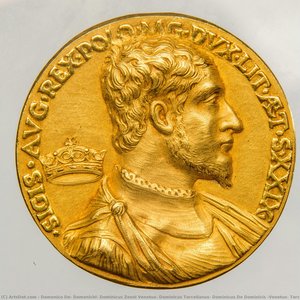
プロフィール概要
- Artistic Movement Or Style: Renaissance
- Artists Or Movements Influenced By This Artist: ['Early Renaissance']
- Artists Who Influenced This Artist: ['Giotto']
- Date Of Birth: Venice, Italy
- Date Of Death: 1478
- Full Name: Domenico de' Domenichi
- Nationality: Italian
- Notable Artworks: ['Medal of Sigismund II Augustus']
- Place Of Birth: Venice