 プレビュー
プレビュー
 シェアする
シェアする シェアする
シェアする
 詳細を見る
詳細を見る

 ダウンロード
 似ている作品
 X線調査
X線調査 スライドショー
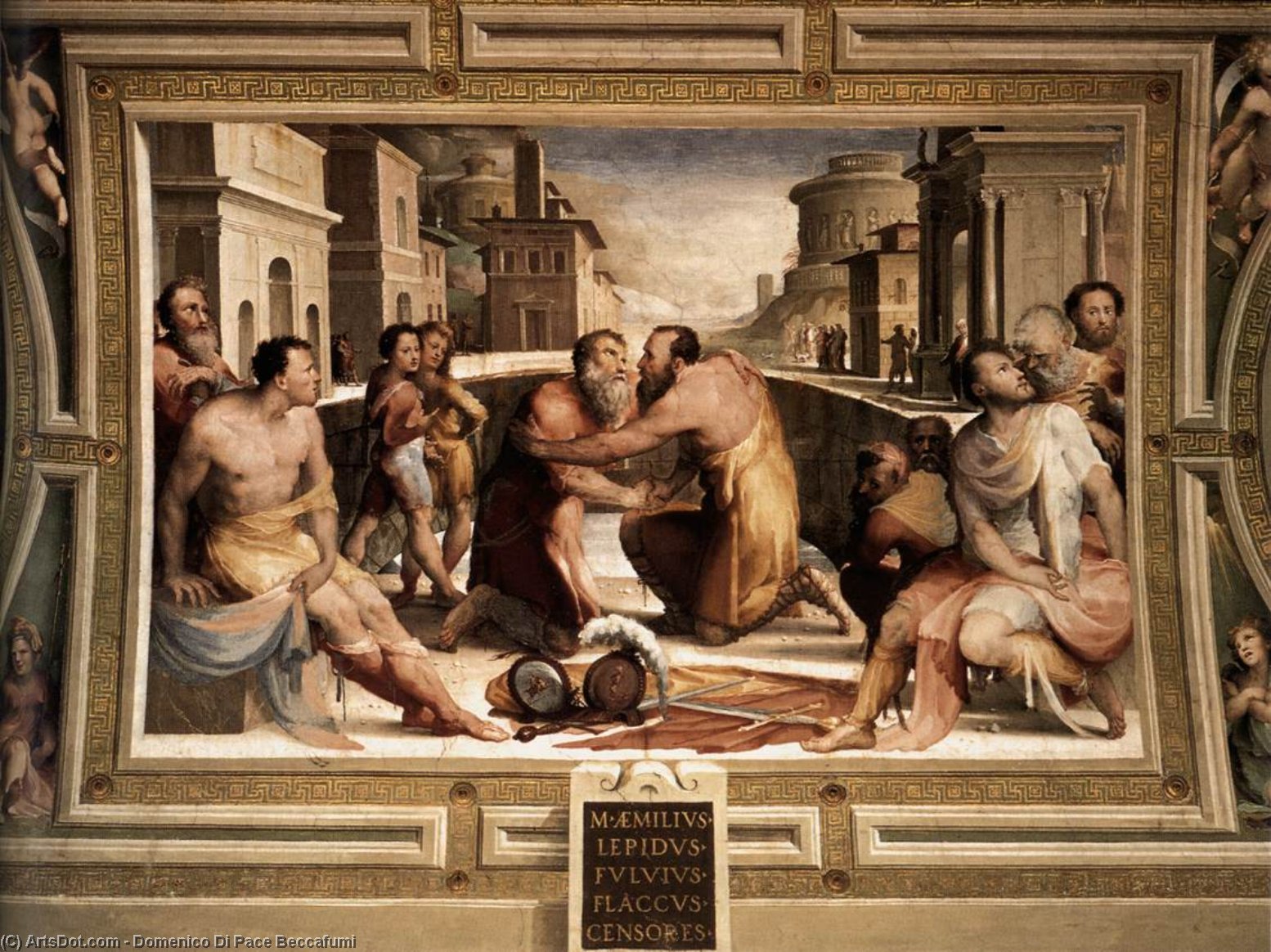
The Reconciliation of Marcus Emilius Lepidus and Fulvius Flaccus


 詳細を見る
詳細を見る
ジークレー/アートプリント
迅速な制作と多彩な仕上げオプションを備えた、ミュージアムクオリティのジークレーまたはキャンバスプリント。 ( 手描きの絵画を購入 画像を購入)




P118B $10

P118H $10

P118W $10

P438Z $10

P508JH $12

P508YH $12

P805H $10

P805Z $10

P919BZ $10

P919G $10

P919XJ $10

P959ZH $10

P968JZ $12

W106C $8

W218G $10

W218JH $8

W218Y $10

W307PJ $10

W316G $10

W316PJ $8

W316Y $10

W398PJ $8

W4111J $10

W500HY $15

W500JH $15

W692G $12

W849H $8

W940BG $15

W953PJ $8




作品のオリジナル比率に合わせた、当店の規定サイズからお選びください。

特定のフレームやスペースに合わせて、ご自身でサイズを指定することも可能です。選択されたサイズが元の画像の比率と一致しない場合、作品をトリミングするか、鏡面反射または単色での塗りつぶしによって画像を拡張いたします。制作を開始する前に、ご確認用のデジタルモックアップをお送りいたします。
画面上のプレビューには、実際のトリミングや拡張は反映されませんのでご注意ください。最終的な構図を正確に確認できるのは、モックアップのみとなります。
カスタムサイズも承っておりますが、元の比率を維持するためには、あらかじめ用意されたリストからサイズを選択することをお勧めいたします。


 ガラスオプションは、110cm未満のサイズでのみご利用いただけます。

The Reconciliation of Marcus Emilius Lepidus and Fulvius Flaccus
ジークレー/アートプリント
複製画のサイズ
-


合計金額
$ 62
The Reconciliation of Marcus Emilius Lepidus and Fulvius Flaccus: A Sienese Vision in Fresco
Domenico di Pace Beccafumi’s “The Reconciliation of Marcus Emilius Lepidus and Fulvius Flaccus,” painted in 1529-1535, is more than a historical depiction; it's a vibrant testament to the enduring power of diplomacy and the complexities of Roman politics rendered with the distinctive vision of a Sienese artist. This fresco, currently housed at the Web Gallery of Art (WGA), offers a captivating glimpse into a pivotal moment – the reconciliation between two powerful figures embroiled in conflict – framed within a meticulously constructed narrative that speaks to themes of justice, peace, and the precarious balance of power.
Beccafumi’s style, rooted deeply in the traditions of Siena yet boldly embracing the burgeoning Mannerist movement, is immediately striking. Unlike the polished clarity of Florentine Renaissance art, Beccafumi's work possesses a raw energy, an almost unsettling intensity. The figures are not idealized; they are rendered with a palpable sense of emotion – the weary resignation of Lepidus, kneeling in supplication, and the earnest plea of Flaccus. Notice the subtle shifts in their postures, the delicate play of light and shadow that emphasizes their individual states of mind. This isn’t simply a record of an event; it's an exploration of human psychology, captured with remarkable sensitivity.
A Window into Roman History and Political Intrigue
The subject itself – the reconciliation between Marcus Emilius Lepidus and Quintus Fulvius Flaccus – is rich in historical significance. Lepidus, a former triumvir, and Flaccus, a prominent consul, had been locked in a bitter dispute following the collapse of the First Triumvirate. Their rivalry threatened to destabilize the Roman Republic, and their eventual reconciliation was crucial for maintaining order. Beccafumi’s fresco doesn't offer a straightforward account of this event; instead, it focuses on the *moment* of resolution – the palpable shift from conflict to understanding. The scene unfolds within what appears to be an urban setting, possibly a public forum or courtyard, suggesting that this reconciliation was not merely a private affair but one with significant political ramifications.
The details surrounding the event are subtly integrated into the composition. Observe the expressions on the faces of the onlookers – some displaying cautious optimism, others lingering skepticism. The architectural backdrop, though somewhat stylized, hints at Roman grandeur and reinforces the importance of the occasion. This careful attention to detail elevates the fresco beyond a simple narrative illustration; it becomes a microcosm of Roman society grappling with political uncertainty.
Symbolism and Artistic Technique
Beccafumi’s masterful use of color is particularly noteworthy. He employs a rich, earthy palette – ochres, siennas, and umbers – that evokes the textures of stone and earth, grounding the scene in its historical context. The figures themselves are rendered with a remarkable degree of realism, yet Beccafumi doesn't shy away from exaggeration and distortion to convey emotion. The drapery is voluminous and dynamic, swirling around the figures like currents of air, further emphasizing their emotional states.
Furthermore, the fresco’s technique—fresco secco—contributes significantly to its visual impact. This method involves applying pigments directly to wet plaster, creating a durable and luminous surface. The resulting colors are exceptionally vibrant and possess a remarkable depth of texture. The layering of paint creates an illusion of three-dimensionality, drawing the viewer into the scene and inviting them to contemplate the complexities of the reconciliation.
A Legacy of Visionary Art
Domenico di Pace Beccafumi’s “The Reconciliation of Marcus Emilius Lepidus and Fulvius Flaccus” stands as a powerful example of Sienese Renaissance art—a synthesis of regional tradition and innovative artistic expression. It's a work that rewards careful observation, inviting viewers to delve into the nuances of its composition, symbolism, and historical context. Reproductions of this fresco offer an exceptional opportunity to bring this captivating scene into any space, serving as both a beautiful piece of art and a poignant reminder of the enduring human capacity for reconciliation and understanding. The painting’s emotional depth and technical brilliance continue to resonate with audiences today, solidifying Beccafumi's place as one of the most significant artists of his time.
関連作品
アーティストの略歴
シエナの先見者:ドメニコ・ベッカフーミの生涯と芸術
ドメニコ・ディ・パーチェ・ベッカフーミという名は、フィレンツェの同時代人たちの名ほど即座に響くものではないかもしれない。しかし、イタリア・ルネサンス美術の物語において、彼は極めて重要な地位を占めている。1486年頃、シエナ近郊のトスカーナ地方にある小さな町モンタペルトに生まれたベッカフーミの芸術的旅路は、驚くべき発展を遂げ、盛期ルネサンスと、やがて複雑さを増していくマニエリスムとの架け橋となる独自の様式へと結実した。彼の物語は、単なる技術的な習熟の記録ではない。それは、シエナの伝統に深く根ざしながらも、新たな表現の可能性へと大胆に手を伸ばした、極めて個人的なヴィジョンの探求である。その出自は謙虚なものであった。農夫ジャコモ・ディ・パーチェの息子として生まれた彼の才能を見出したのはロレンツォ・ベッカフーミであり、彼に引き取られたことで、地元の画家メッケロのもとで初期の修行を積むことができたのである。このシエなる学派での基礎は、彼が既存の慣習を超えて歩みを進める際にも、揺るぎない土台となった。イタリアの他の地域で受け入れられていた古典的な理想とはすでに異なる道を歩んでいたシエナの伝統は、感情の強烈さと装飾的な細部が重んじられる環境を育んでおり、それこそがベッカフーミ独自の様式の象徴となる要素であった。ローマでの経験と唯一無二の様式の形成
1509年頃、ベッカフーミはローマへと旅立つ。この瞬間は、教皇庁の街に渦巻く芸術的熱狂に彼をさらす、決定的な転換点となった。彼はラファエロやミケランジェロといった巨匠たちの画期的な作品に出会い、構図、解剖学、そして劇的な表現における彼らの革新性を吸収していった。しかし、これらの巨匠たちを直接的に模倣しようとした多くの画家とは異なり、ベッカモフはそれらの影響を自分自身の独特なレンズを通して統合させたのである。彼は単にローマの様式を「模写」したのではない。彼はそれを、ある種の地方色や装飾的な細部へのこだわり、そして中世以来の感性が残る、既存のシエナ的美学というフィルターを通して濾過したのだ。シエナに戻ったとき、この融合は彼自身のものと言える様式として現れ始めた。それは、不合理さ、感情的な激しさ、そして不協和な色彩と幻惑的な舞台設定によってもたらされる、人々を魅了してやまない視覚体験を特徴とするものであった。彼の絵画は単なる現実の再現ではなく、不安感や心理的な深みに満たされた、内面世界の探求であった。盛期ルネサンスの調和のとれた均衡からのこの逸脱は、彼がマニエリスムを受け入れたことを示唆していたが、同時に彼はその主流な潮流とは一線を画す独自の存在であり続けたのである。傑作と芸術的革新
ベッカフーマルドの芸術活動は多岐にわたり、絵画、彫刻、モザイク設計、版画に至るまで多才であった。彼の最も称賛される業績の一つには、シエナのサン・ベネデット礼拝堂のフレスコ画があり、そこには彼の物語的な技巧と表現力の強さが刻まれている。シエナ国立絵画館に収蔵されている三位一体の祭壇画は、油彩画における彼の熟練した技術と、荘厳さと親密さを兼ね備えた宗教的献身を伝える能力を見事に示している。同じく国立絵画館にある受胎告知は、彼特有の色使いと構図の妙を体現しており、静謐でありながらもどこか微かな不安を感じさせる場面を作り出している。しかし、おそらく彼の最も野心的な試みは、1517年から1544年にかけて行われたシエナ大聖堂の床模様(パヴェメント)の指揮であった。この記念碑的なプロジェクトには、大理石やモザイクを用いた複雑な意匠が施され、アハブ、エリヤ、メルキゼデク、アブラハム、モーセといった聖書の物語が描かれた。ベッカフーミはこれらの場面を設計しただけでなく、その制作過程における技術的なプロセスにも革新をもたらし、芸術家として、また職人としての驚くべき多才さを証明したのである。彼の技量は版画にも及び、エングレービング(凹版)とウッドカット(木版)の両方で優れた成果を上げ、自身の芸術的影響力をさらに広げた。これらの版画は、彼の様式や思想を広く普及させることを可能にし、シエナの境界を越えて後世の芸術家たちに影響を与えたのである。遺産:シエナ派の最後の一人として
1551年、ベッカフーミはシエナでその生涯を閉じた。それは、この街が誇る長く輝かしい絵画伝統の象徴的な終焉でもあった。彼は、シエナ派独自の美学的特性を保持しながら、同時にマニエリスムの発展を予見した、最後の重要な代表者として正当に評価されている。彼の作品は、盛期ルネサンスの調和のとれた構図とは一線を画し、代わりに感情的な緊張、不安定さ、そして表現的な歪みを抱きかかえている。従来の規範に挑戦しようとするその姿勢は、後の芸術の潮流を先取りし、革新的な技法と心理的な深みをもって後世の世代に影響を与えた。ベッカフーミの遺産は、単なる一人の画家としての功績にとどまらない。それは、芸術表現の境界を探索しようと敢えて挑んだ先見者としての足跡であり、今日においても見る者を魅了し、惹きつけてやまない作品群を残したことにある。彼は今なお、美術史という大きな潮流の中で、個人のヴィジョンが持つ不朽の力を証明する、抗いがたい魅力を持った人物であり続けている。- ベッカフーミ様式の主な特徴:
- 霞がかった非線形な質感:彼の絵画はしばしば、形態が霧のような大気の中に溶け込んでいくような、空想的でエーテル的な性質を帯びている。
- 鋭い線と原始的な色彩:ベッカフーミは、鋭く角張った線と、同時代の画家たちの調和のとれたパレットから逸脱した、大胆で型破りな色彩の使用を好んだ。
- 感情的な緊張と不安定さ:作品全体に漂う不安感と心理的な複雑さは、調和や比率といった古典的な理想からの離脱を反映している。
- マニエリスムの影響を受けたシエナの伝統:彼は、シエナ派の装飾的要素と感情的な強烈さを、台頭しつつあったマニエリスムの様式的特徴と巧みに融合させた。
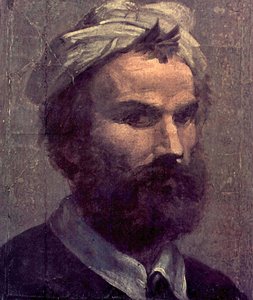
ドメニコ・ベッカフーミ
1486 - 1551
基本情報
- Artistic Movement Or Style: マニエリスム、ルネサンス
- Artists Or Movements Influenced By This Artist: ['マニエリスム']
- Artists Who Influenced This Artist:
- ラファエロ
- ミケランジェロ
- Date Of Birth: 1486年頃
- Date Of Death: 1551年5月18日
- Full Name: ドメニコ・ディ・パーチェ・ベッカフーミ
- Nationality: イタリア
- Notable Artworks:
- 三位一体の三連祭壇画
- 受胎告知
- 聖母被昇天
- スキピオの節制
- Place Of Birth: イタリア、モンタペルト
関連記事

家族の遺産を壁画で彩る:伝統技法が紡ぐ、時を超越する美と記憶
古代から現代までの壁画の歴史と技法を解説。日本の壁画文化やカスタムオーダーによる家族の遺産表現、保存・修復技術まで網羅。専門家が時を超越する美と記憶を紡ぐ芸術的価値をご案内します。

The Enduring Legacy of Fresco: Technique, History & Artistic Expression Across Cultures
Explore the rich history & enduring legacy of fresco painting! Discover ancient techniques, Giotto's masterpieces, and modern applications. Expert insights for art lovers & professionals.

The Enduring Legacy of Fresco Painting: Techniques, History & Contemporary Relevance
Explore the rich history & enduring artistry of fresco painting – from Giotto to Michelangelo! Discover techniques, conservation efforts, & modern applications. Learn how ArtsDot brings this timeless art form to your home.
The Enduring Legacy of Fresco: Technique, History & Artistic Expression
Explore the rich history & enduring artistry of fresco painting. Discover techniques from Giotto to Michelangelo, conservation efforts, & modern applications. Learn how ArtsDot brings this timeless art form to your home.

Art That Lives With You: The Emotional Power of a Custom Interior Fresco
Discover the emotional power & timeless beauty of custom interior frescoes. Explore history, design tips & expert guidance from – creating lasting legacies.