

 プレビュー
プレビュー
 プリントを購入
 シェアする
シェアする シェアする
シェアする
 詳細を見る
詳細を見る

 ダウンロード
 似ている作品
 X線調査
X線調査 スライドショー
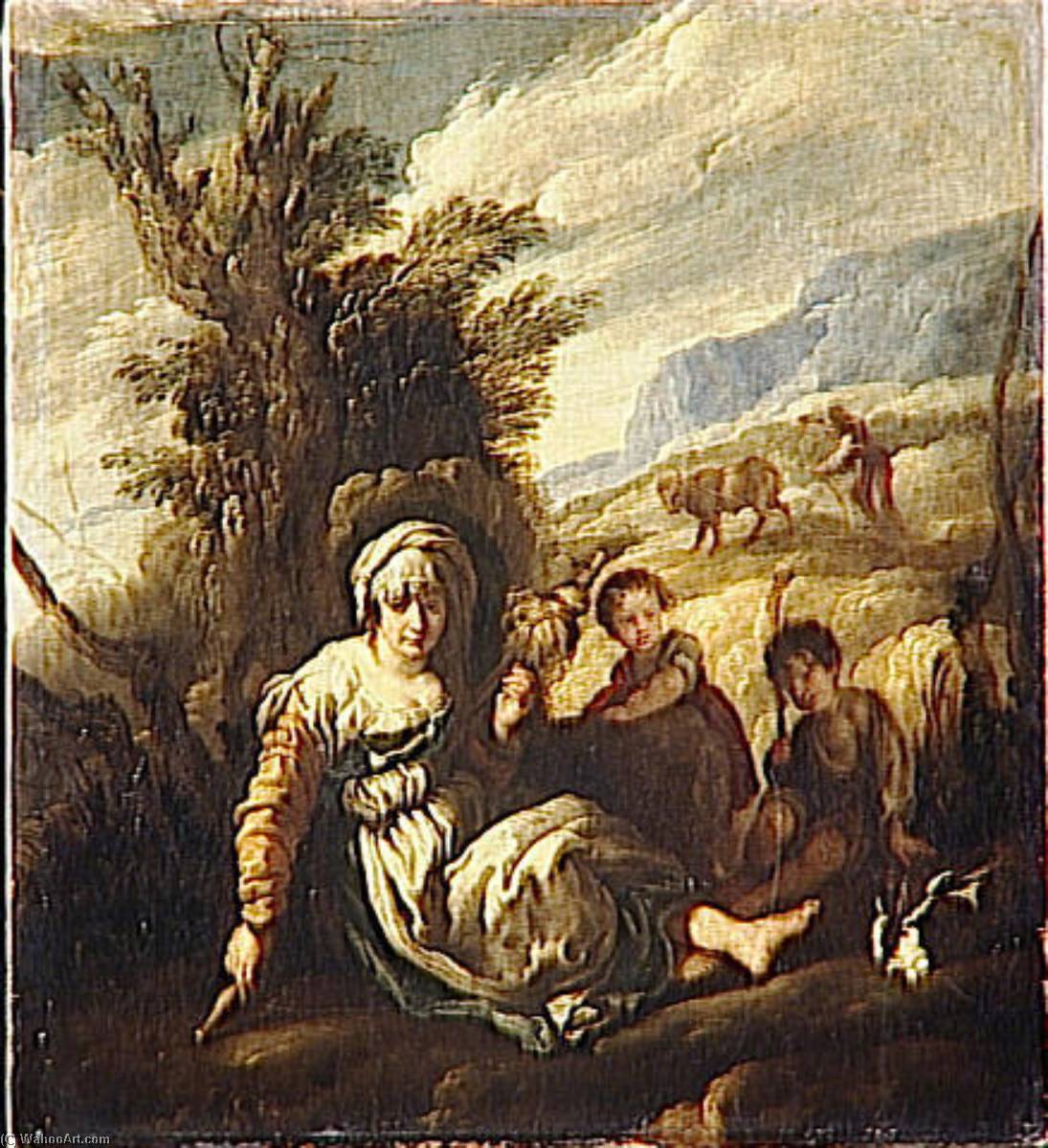
LE PREMIER AGE EVE FILANT ET ADAM LABOURANT, dit aussi LA VIE CHAMPETRE, ou LA FILEUSE


 詳細を見る
詳細を見る




P118B $10

P118H $10

P118W $10

P438Z $10

P508JH $12

P508YH $12

P805H $10

P805Z $10

P919BZ $10

P919G $10

P919XJ $10

P959ZH $10

P968JZ $12

W106C $8

W218G $10

W218JH $8

W218Y $10

W307PJ $10

W316G $10

W316PJ $8

W316Y $10

W398PJ $8

W4111J $10

W500HY $15

W500JH $15

W692G $12

W849H $8

W940BG $15

W953PJ $8




作品のオリジナル比率に合わせた、当店の規定サイズからお選びください。

特定のフレームやスペースに合わせて、ご希望のサイズをご入力いただけます。選択されたサイズが元の画像の比率と異なる場合、アートワークをトリミングするか、手描きで要素を追加して絵画を拡張いたします。デジタルモックアップ を制作し、制作開始前にご確認(承認)をいただきます。
画面上のプレビューは、実際のトリミングや拡張を正確に反映しているものではありません。最終的な構図は、モックアップによってのみ正確にご確認いただけます。
カスタムサイズもご利用いただけますが、元の比率を維持するためには、あらかじめ用意されたリストからサイズを選択することをお勧めいたします。
ご注文後、ArtsDot.com チームより詳細な指示をお送りするとともに、仕上がりイメージ(モックアップ)をご提供いたします。


 ガラスオプションは、110cm未満のサイズでのみご利用いただけます。

LE PREMIER AGE EVE FILANT ET ADAM LABOURANT, dit aussi LA VIE CHAMPETRE, ou LA FILEUSE
複製技法
複製画のサイズ
-


合計金額
$ 263
A Tender Genesis: Domenico Fetti’s “Eve Filant et Adam Labourant”
Domenico Fetti's "Le Premier Âge : Ève filant et Adam labourant," often referred to as “Eve Filant and Adam Labourant,” is more than just a depiction of the biblical narrative; it’s a poignant meditation on humanity’s nascent state, brimming with quiet dignity and understated emotion. Painted in Rome around 1613-1614, during his time working for Cardinal Federico Borromeo in Milan, this small yet profoundly moving canvas offers a glimpse into the burgeoning Baroque style while retaining elements of Mannerism's lingering influence. The scene unfolds simply: Adam, clad in roughspun garments, diligently toils at a rudimentary plow, his brow furrowed with effort, while Eve, her face turned towards him, tenderly nurses their infant son. A small bird rests on her lap, adding a touch of delicate beauty to the otherwise earthy tableau.A Synthesis of Styles: Mannerism and the Dawn of Baroque
Fetti’s work exemplifies the transitional period between these two artistic movements. The composition itself is rooted in Mannerist principles – figures are rendered with a subtle elongation, creating an almost dreamlike quality. Note particularly the slightly compressed perspective and the carefully controlled use of light and shadow, hallmarks of the style. However, Fetti skillfully incorporates Baroque elements: a heightened sense of realism, a greater attention to detail in depicting textures like Adam’s clothing and Eve's shawl, and most importantly, an intense focus on conveying psychological depth through facial expressions. The subtle sadness in Adam’s eyes, the gentle affection between mother and child – these are not merely decorative details but crucial components of the painting’s emotional resonance. The use of muted earth tones—ochres, browns, and greys—further contributes to a sense of groundedness and realism, anchoring the scene within a tangible reality.Symbolism Woven into the Scene
Beyond the straightforward biblical narrative, "Eve Filant et Adam Labourant" is rich in symbolic meaning. The act of labor represents humanity’s initial connection to the earth, a necessary struggle for survival and sustenance. Eve's nurturing role underscores her position as the first caregiver, embodying compassion and domesticity – values highly prized during the early 17th century. The presence of the bird is particularly significant; often interpreted as a symbol of hope, innocence, or divine grace, it serves to elevate the scene beyond a simple depiction of daily life. The infant son represents the future of humanity, a testament to the promise of new beginnings and the continuation of God’s creation. It's a visual representation of the core tenets of faith and family.Emotional Resonance and Lasting Impact
What truly elevates this painting is its ability to evoke a profound sense of empathy and quiet contemplation. Fetti masterfully captures the vulnerability and tenderness of this early human family, inviting viewers to connect with their shared experience of hardship and love. The scene isn’t grand or dramatic; it's intimate and deeply affecting. It speaks to the universal themes of labor, devotion, and the enduring bond between parents and child. The painting’s understated beauty and emotional honesty have ensured its place as a significant work within Fetti’s oeuvre and a compelling example of the artistic transition from Mannerism to Baroque. Reproductions offer an accessible way to experience this powerful artwork, bringing its timeless message into any space.- Artist: Domenico Fetti (1589-1623)
- Date: c. 1613-1614
- Medium: Oil on canvas
- Location: Courtauld Institute of Art, London (original), various museums and private collections worldwide.
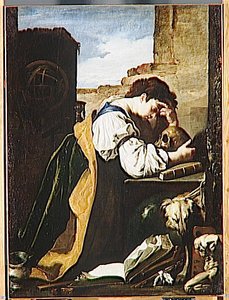
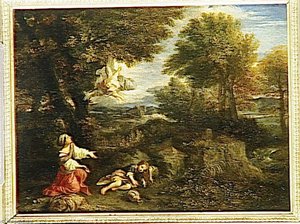
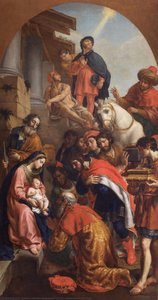
関連作品

アーティストの略歴
ドメニコ・フェッティ:マニエリスムとバロックの輝きを繋ぐ架け橋
ドメニコ・フェッティ(1589年頃 – 1623年4月16日)は、マニエリスムの美学から胎動し始めたローマ・バロックへと移り変わる過渡期において、イタリア美術史の決定的な転換点を示す極めて重要な人物です。画家であった父ピエトロ・フェッティという、控えめながらも芸術的な血筋に生まれたドメニコは、1604年から1613年頃にかけてローマで、ルドヴィーコ・チゴリやアンドレア・コモディといった確立された巨匠たちの影響を受けながら初期の修行を積んだと考えられています。この時期にローマの芸術的環境に深く身を置いたことが、彼の技術を研ぎ澄ませ、後に才能ある画家としての名声を確固たるものにする、著名なパトロンたちとの共同作業や重要なプロジェクトへの道を開くこととなりました。- 初期のキャリアとパトロネージュ:チゴリやコモディの下での徒弟修行は、フェッティの心にマニエリスムの基本原則を深く刻み込みました。様式化された人物像、光と影の劇的な対比、そして豊かな感情表現への重視といったこれらの特徴は、その後の彼の作品の底流として繊細に漂い続けることになります。しかし、彼は1613年に素早くマントヴァへと移り、フェッティの潜在能力を見抜いた審美眼を持つコレクターであり、野心的な統治者でもあった枢機卿フェルディナンド1世・ゴンザーガの庇護を受けることに成功しました。
- マントヴァ時代と「パンと魚の奇跡」:マントヴァに滞在していた間、フェッティはゴンザーガ宮殿のために「パンと魚の奇エ」を描いた記念碑的な祭壇画制作という、並外れた依頼を引き受けました。この野心的な試みは、彼の卓越した技術を世に知らしめ、マントヴァを代表する画家の一人としての地位を不動のものにしました。この作品は、バロック期特有の壮大さと演劇性への熱狂を体現しており、カラヴァッジョ派の影響を取り入れることで、驚くべき写実性と感情的な強烈さを実現しています。
- ヴェネツィアでの活動と芸術的進化:ヴェネツィアが持つ芸術的な活気がもたらす好機を察知したフェッティは、1622年に同地へと移住し、そこでさらなる多作な活動を続けました。彼のヴェネツィア時代の絵画は、様式がさらに洗練されたことを示しています。それは、純粋なマニエリスムの慣習から脱却し、より光に満ちたダイナミックなバロック的美学へと向かう進化でした。彼はカラヴァッジョ派の劇的なキアロスクーロ(明暗法)と、古典的な美と調和の理想を見事に融合させたのです。
- 代表的な作品:フェッティの称賛されるべき傑作には、数千人の人々を養うイエスの姿を記念碑的に描いた「パンと魚の奇跡」があります。これは彼の構図の支配力と劇的な光の扱いの証左といえるでしょう。また、「悔悛する聖マグダラのマリア」は、驚くべき感性で彼女の痛切な脆さを捉えています。さらに、「ゴリアテの首を持つダビデ」は、見事な解剖学的描写を通じて、英雄的行為と勝利を伝える彼の能力を象徴しています。
- 遺産と影響:バロック美術に対するドメニコ・フェッティの貢献は疑いようがありません。彼はマニエリスムとローマ・バロックの架け橋として、確立された伝統を継承しながらも、いかにして画家が独自の芸術的声を維持できるかを示しました。彼の絵画は、その表現力と技術的な輝きによって今なお称賛を集め続け、同世代の最も重要な画家の一人としての地位を確固たるものにしています。

ドメニコ・フェッティ
1589 - 1623 , イタリア
基本情報
- Artistic Movement Or Style: バロック絵画、カラヴァッジョ様式
- Artists Who Influenced This Artist:
- ルードヴィーコ・チゴリ
- アンドレア・コモディ
- Date Of Birth: イタリア、ローマ (1589年)
- Date Of Death: 1623年4月16日
- Full Name: ドメニコ・フェッティ
- Nationality: イタリア人
- Notable Artworks:
- ラザロと金持ちのたとえ
- 悔悛する聖マグダラのマリア
- ゴリアテの首を持つダビデ
- Place Of Birth: ローマ
関連記事

バロック美術を極めた至宝:時代を彩る10大名作の世界
バロック美術の華!カラヴァッジョ、ベルニーニら巨匠が創り上げた10大名作を徹底解剖。ドラマチックな色彩と豪華絢爛の世界観に触れ、至宝のアートプリントで空間を彩ろう。ArtsDot.comで美術館品質の複製と洗練されたインテリアを見つけましょう!

The Dramatic Flourish: Exploring the Baroque Movement's Enduring Legacy in Art History
Explore the dramatic world of Baroque art! Discover iconic artists like Caravaggio & Rubens, defining techniques, and its lasting impact on art history. Expert insights for collectors & enthusiasts at ArtsDot.

バロックのドラマ:現代のインテリアに壮麗さと情感を取り込む
バロック様式の歴史、絵画、家具の魅力をご紹介。ArtsDotでは、高品質な油絵複製やカスタムポートレートをご提供し、現代のインテリアに壮麗さと情感を取り入れます。アートコンサルテーションも承ります。

The Visceral Stage: Exploring Dramatic Narratives & Emotional Intensity in Baroque Art
Explore the dramatic world of Baroque art! Discover iconic masters like Caravaggio & Rembrandt, their techniques, and the movement's lasting impact. Expert insights for collectors & enthusiasts at ArtsDot.

Theatricality & Triumph: Baroque Drama in Painting & Sculpture
Explore the dramatic world of Baroque art! Discover its history, defining characteristics, & lasting influence on painting & sculpture. Expert insights into Caravaggio, Zurbarán, and Bernini – plus high-quality reproductions at ArtsDot.