 プレビュー
プレビュー
 プリントを購入
 シェアする
シェアする シェアする
シェアする
 詳細を見る
詳細を見る

 ダウンロード
 似ている作品
 X線調査
X線調査 スライドショー
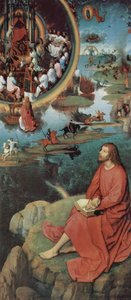
St John the Evangelist on the Island of Patmos
 Acrylic On Canvas
- WallArt
- Early Renaissance
 1480
1480 76.0 x 76.0 cm
 Szépművészeti Múzeum
 詳細を見る
詳細を見る




P118B $10

P118H $10

P118W $10

P438Z $10

P508JH $12

P508YH $12

P805H $10

P805Z $10

P919BZ $10

P919G $10

P919XJ $10

P959ZH $10

P968JZ $12

W106C $8

W218G $10

W218JH $8

W218Y $10

W307PJ $10

W316G $10

W316PJ $8

W316Y $10

W398PJ $8

W4111J $10

W500HY $15

W500JH $15

W692G $12

W849H $8

W940BG $15

W953PJ $8




作品のオリジナル比率に合わせた、当店の規定サイズからお選びください。

特定のフレームやスペースに合わせて、ご希望のサイズをご入力いただけます。選択されたサイズが元の画像の比率と異なる場合、アートワークをトリミングするか、手描きで要素を追加して絵画を拡張いたします。デジタルモックアップ を制作し、制作開始前にご確認(承認)をいただきます。
画面上のプレビューは、実際のトリミングや拡張を正確に反映しているものではありません。最終的な構図は、モックアップによってのみ正確にご確認いただけます。
カスタムサイズもご利用いただけますが、元の比率を維持するためには、あらかじめ用意されたリストからサイズを選択することをお勧めいたします。
ご注文後、ArtsDot.com チームより詳細な指示をお送りするとともに、仕上がりイメージ(モックアップ)をご提供いたします。


 ガラスオプションは、110cm未満のサイズでのみご利用いただけます。

St John the Evangelist on the Island of Patmos
複製技法
複製画のサイズ
-


合計金額
$ 263
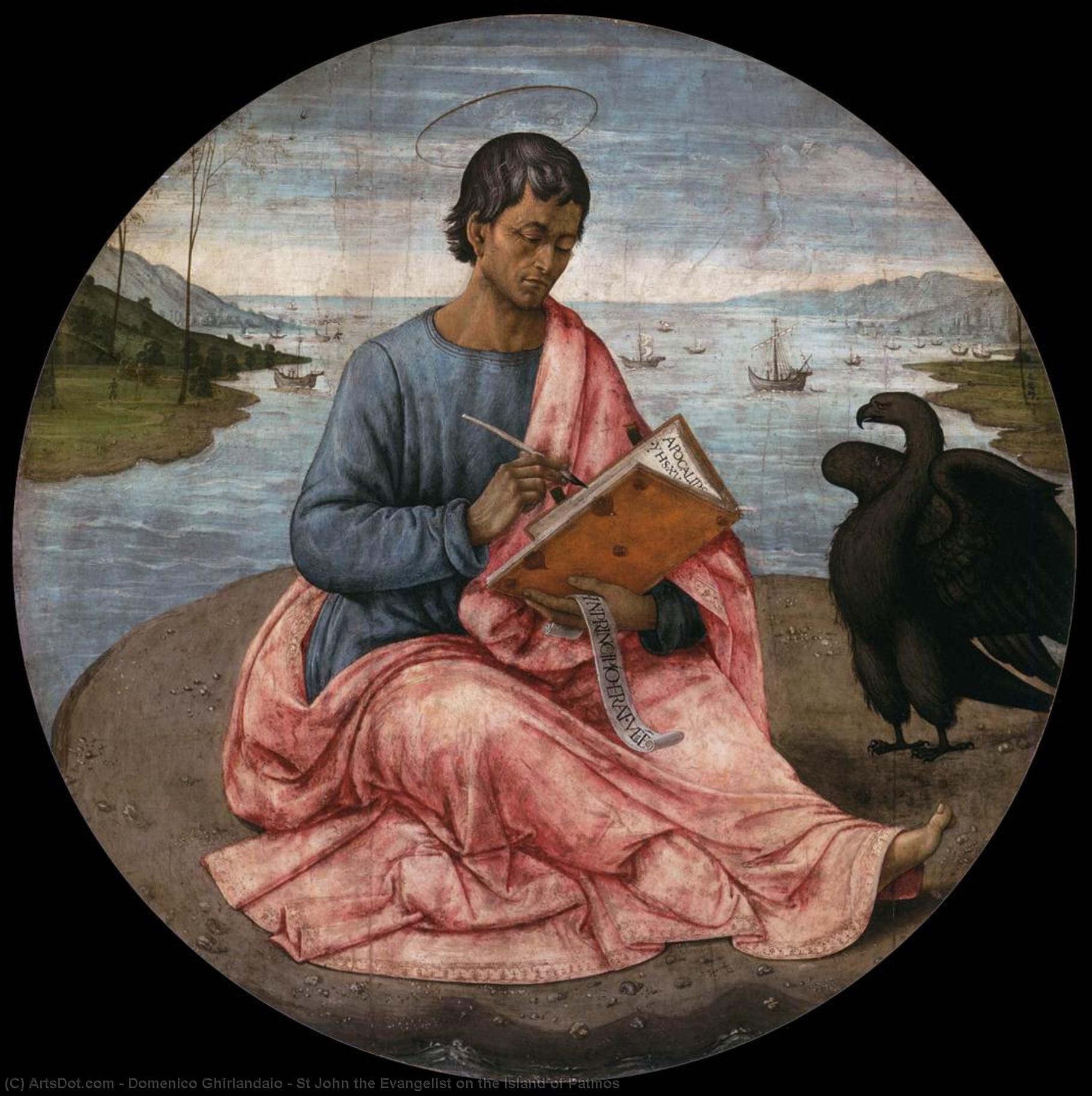
A Vision on Patmos: Domenico Ghirlandaio’s St. John
Domenico Ghirlandaio's "St. John the Evangelist on the Island of Patmos" is more than just a painting; it’s a window into the soul of a man wrestling with divine revelation and the profound solitude of spiritual contemplation. Completed around 1480-1485 in Florence, this tempera-on-panel work captures a pivotal moment in the life of John the Apostle – his exile to the remote island of Patmos following accusations of heresy. Ghirlandaio, a master of capturing contemporary life and religious narratives with remarkable realism, doesn’t offer a grand, dramatic scene; instead, he presents a quietly intense portrait of introspection, radiating an atmosphere of profound peace mingled with underlying melancholy.
The composition is deceptively simple. St. John, depicted as a mature man in his late fifties or early sixties, sits on a weathered stone wall overlooking the tranquil waters of Patmos. He’s dressed in modest robes, a stark contrast to the opulent attire often associated with biblical figures. His gaze is fixed upon an open book – likely the Book of Revelation itself – suggesting he's immersed in divine inspiration. A young man stands beside him, seemingly engaged in conversation, offering a subtle counterpoint to John’s solitary focus. The background features a cluster of boats on the water, hinting at the everyday life that has been momentarily suspended as John is removed from the bustling world and drawn into a realm beyond earthly concerns.
The Florentine Master and His Techniques
Domenico Ghirlandaio was a pivotal figure in the early Renaissance, inheriting his father’s legacy of goldsmithing and applying that meticulous attention to detail to painting. His training under Alesso Baldovinetti and potentially Andrea del Verrocchio instilled in him a deep understanding of fresco techniques and a mastery of capturing realistic human forms. Ghirlandaio's distinctive style is characterized by its vibrant colors, precise rendering of textures – particularly the folds of fabric and the weathered stone – and an ability to imbue his subjects with a palpable sense of personality. In "St. John," he employs a technique known as *sfumato*, subtly blurring outlines and softening transitions between light and shadow, creating a hazy, dreamlike quality that enhances the painting’s contemplative mood.
The use of tempera on panel allowed Ghirlandaio to achieve remarkable detail and luminosity. Tempera pigments, mixed with egg yolk, dry slowly, allowing for meticulous layering and blending – a crucial element in achieving the painting's serene atmosphere. The careful attention to light and shadow, combined with the artist’s skillful rendering of texture, creates an illusion of depth and realism that draws the viewer into the scene.
Symbolism and Spiritual Resonance
Beyond its technical brilliance, "St. John" is rich in symbolic meaning. The island of Patmos itself represents isolation and purification – a place where the Apostle was forced to confront his faith and receive divine revelations. The open book symbolizes the Book of Revelation, representing God’s ultimate judgment and the future of humanity. St. John's posture—seated, contemplative, and engaged with scripture—underscores his role as the “theologos,” or one who speaks about God. The presence of the young man beside him may represent a messenger from God, or perhaps simply a fellow exile sharing in John’s spiritual journey.
The muted color palette – dominated by earthy tones and blues – reinforces the painting's atmosphere of solemnity and introspection. The water, rendered with remarkable detail, symbolizes both the earthly realm and the boundless expanse of God’s grace. The boats in the distance serve as a reminder of the world John has left behind, while his gaze remains fixed on the divine.
A Timeless Portrait of Faith
"St. John the Evangelist on the Island of Patmos" is not merely a historical depiction; it’s a profound meditation on faith, solitude, and the transformative power of revelation. Ghirlandaio's masterful technique and insightful symbolism combine to create an image that continues to resonate with viewers centuries later. It invites us to contemplate our own spiritual journeys, to seek solace in quiet contemplation, and to recognize the enduring beauty of faith amidst adversity. Reproductions of this evocative work offer a remarkable opportunity to bring this timeless portrait into your home or office, fostering a sense of peace and reflection.
関連作品

アーティストの略歴
フィレンツェのガーランド:ドメニコ・ギルランダイオの生涯と芸術
歴史にその名を刻むドメニコ・ディ・トマゾ・クラッディ・ディ・ドッフォ・ビゴルディ、すなわちドメニコ・ギルランダイオは、1449年、活気あふれるフィレンツェの芸術的風景の中から産声を上げました。「イル・ギルランダイオ(花冠職人)」という彼の愛称は、その出自と初期の受容を雄弁に物語っています。それは決して単なる花飾りを指すのではなく、金細工師であった父が手がけ、当時のフィレンシアの貴婦人たちを彩った、宝石のように煌びやかな髪飾りを意味していました。この職人技との血縁関係は、若きドメニコの心に、細部へのこだわり、精密さ、そして装飾の美学を深く刻み込みました。それは後に彼の芸術的ビジョンを決定づける重要な要素となります。当初は父のもとで金属細工の複雑な技法を学ぶ徒弟として始まりましたが、やがてアレッサンドロ・バルドヴィネッティに師事して絵画へと転身し、フィレンツェ美術の真髄であるフレスコ画やモザイクの技法を吸収していきました。また、ある学者はアンドレア・デル・ヴェロッキオのもとで過ごした形成期があったことも示唆しており、彼はルネサンスの美学を再定義することになる巨匠たちの世代の一員として位置づけられています。聖なるものと俗なるものの架け橋
ギルランダイオの芸術的卓越性は、宗教的な物語と当時の日常風景を、あたかも一枚の織物のように見事に融合させる能力にありました。彼は聖書の場面を、古代から続く理想化された人物だけで埋め尽くすことはしませんでした。代わりに、そこには商人や町人、さらには作品のパトロンである名家の人々といった、当時のフィレンツェで誰もが知る顔ぶれを描き込んだのです。この革新的なアプローチは、彼の作品に驚くべきリアリズムと即時性をもたらし、神聖な物語を人々の日常の世界へと引き寄せました。彼の工房は創造性の集まる活気ある拠点であり、弟のダヴィデやベネデットだけでなく、義理の弟セバスティアーノ・マイナルディ、そして何より有名な若きミケランジェロ・ブオナローティまでもがその名を連ねていました。このスタジオの圧倒的な効率性と生産性こそが、ギルランダイオに大規模な依頼を遂行することを可能にし、フィレンツェを代表する芸術家としての地位を不動のものとしたのです。その輝かしい例としては、サンタ・トリニタ教会のサセッティ礼拝堂(1482-1485年)の壮麗なフレスコ画連作が挙げられます。そこには聖書の物語とフィレンツェの商業・社会情勢が鮮やかに織り交ぜられています。また、パラッツォ・ヴェッキオの「聖ゼノビウスの昇天」は、彼の透視図法と構図における卓越した技量を示しています。ローマとシスティーナ礼拝堂
ギルランドアイオのキャリアの頂点は、1481年、教皇シクストゥス4世からのローマへの召集によって訪れました。教皇は、新しく建設されたシスティーナ礼拝堂の壁面を飾るため、ボッティチェッリ、ペルジーノ、ロッソといったフィレンツェ随一の才能を持つ芸術家たちを集結させようとしたのです。ギルランダイオが手がけたのは「使徒の召命」でした。キリストがペトロとアンドレアを弟子として呼ぶダイナミックな場面を描いたこの作品は、後にミケランジェロが描いた天井画の影に隠れがちではありますが、物語を伝える力強さと、表情豊かな人物たちによる魅力的な構図を見事に示しています。また、この経験は若きミケランジェロにとっても極めて重要な学びの場となりました。彼はギルランダイオの技法を間近で観察し、その教訓を自らの芸術的発展へと昇華させていったのです。リアリズムの遺産と影響力
1494年、ドメニコ・ギルランダイオは45歳という若さでこの世を去り、前途有望なキャリアは断たれてしまいました。しかし、ルネサンス美術に彼が与えた衝撃は計り知れません。彼は数々のフレスコ画や絵画だけでなく、ミケランジェロをはじめとする、彼が育て上げた芸術家たちを通じてその遺産を後世に残しました。リアリズムへのこだわり、宗教的文脈の中に現代の生活を描き出す手腕、そして色彩と構図の巧みな操り方は、後の世代の画家たちに多大な影響を与えました。レオナルド・ダ・ヴィンチやラファエロといった同時代の巨匠たちと比較すると、その名は控えめかもしれません。しかし、ギルラン立ての作品は、信仰、商業、そして芸術的革新が融合し、比類なき文化的達成を成し遂げたルネサンス期フィレンツェの世界へと、私たちを導く唯一無二の窓なのです。彼の絵画は今なお鮮やかな証として、数世紀前を生きた人々の生活と信念を、見る者の心に呼び起こし続けています。主な作品
- 書斎の聖ヒエロニムス(1480年): ボッティチェッリの「聖アウグスティヌス」と対をなす作品であり、ギルランダイオのフレスコ技法と細部への執念が光ります。
- 最後の晩餐(オニサンティ、1480年): レオナルド・ダ・ヴィンチの傑作を含む、後のこの主題を描いた作品群に影響を与えた画期的な作品です。
- サセッティ礼拝堂のフレスコ画(サンタ・トリニタ、1482-1485年): 聖フランチェスコの生涯を描いた壮大な連作であり、フィレンツェ社会を写実的に描いたことで高く評価されています。
- 使徒の召命(システィーナ礼拝堂、1483年): 世界で最も象徴的な芸術空間への、極めて重要な貢献です。
- 東方三博士の礼拝(ウフィツィ美術館、1487年): 構図と色彩におけるギルランダイオの熟練した技量を示す、鮮やかで緻密な描写です。
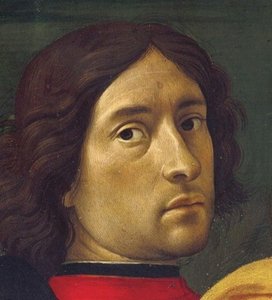
ドメニコ・ギルランダイオ
1449 - 1494 , イタリア
基本情報
- Artistic Movement Or Style: 初期ルネサンス
- Artists Or Movements Influenced By This Artist:
- ミケランジェロ
- リドルフ・ギルランダイオ
- Artists Who Influenced This Artist:
- アレッソ・バルドヴィネッティ
- アンドレア・デル・ヴェロッキオ
- Date Of Birth: 1449年
- Date Of Death: 1494年
- Full Name: ドメニコ・ディ・トマソ・クラッラディ
- Nationality: イタリア
- Notable Artworks:
- 書斎の聖ヒエロニムス
- 最後の晩餐
- 使徒の召命
- 羊飼いの礼拝
- Place Of Birth: イタリア、フィレンツェ
関連記事

家族の遺産を壁画で彩る:伝統技法が紡ぐ、時を超越する美と記憶
古代から現代までの壁画の歴史と技法を解説。日本の壁画文化やカスタムオーダーによる家族の遺産表現、保存・修復技術まで網羅。専門家が時を超越する美と記憶を紡ぐ芸術的価値をご案内します。
ジョン・シンガー・サージェント:至高の25選 - 美と光の肖像画の世界 | ArtsDot
ジョン・シンガー・サージェントの至高の25選。肖像画、写実主義、光と影の表現が美しい作品群を紐解きます。マダムXや少女の肖像など、時代を超えて愛される名作をArtsDotで鑑賞。高品質なアート複製で、お部屋に美術館のような空間を。今すぐコレクションをご覧ください。

ジョン・コンスタブルの傑作25選:英国風景画の巨匠が描く自然と光の詩 | ArtsDot
ジョン・コンスタブルの傑作25選。英国風景画の巨匠が描く自然と光の詩の世界へ。ロマン主義を代表する絵画、デダム・ヴェールやヘイ・ウェインなど、ArtsDotで高品質なアートプリントをお楽しみください。インテリアに深みと感動を。コレクションはこちら。

The Enduring Legacy of Fresco: Technique, History & Artistic Expression Across Cultures
Explore the rich history & enduring legacy of fresco painting! Discover ancient techniques, Giotto's masterpieces, and modern applications. Expert insights for art lovers & professionals.

The Enduring Legacy of Fresco Painting: Techniques, History & Contemporary Relevance
Explore the rich history & enduring artistry of fresco painting – from Giotto to Michelangelo! Discover techniques, conservation efforts, & modern applications. Learn how ArtsDot brings this timeless art form to your home.