

 プレビュー
プレビュー
 プリントを購入
 シェアする
シェアする シェアする
シェアする
 詳細を見る
詳細を見る

 ダウンロード
 似ている作品
 X線調査
X線調査 スライドショー
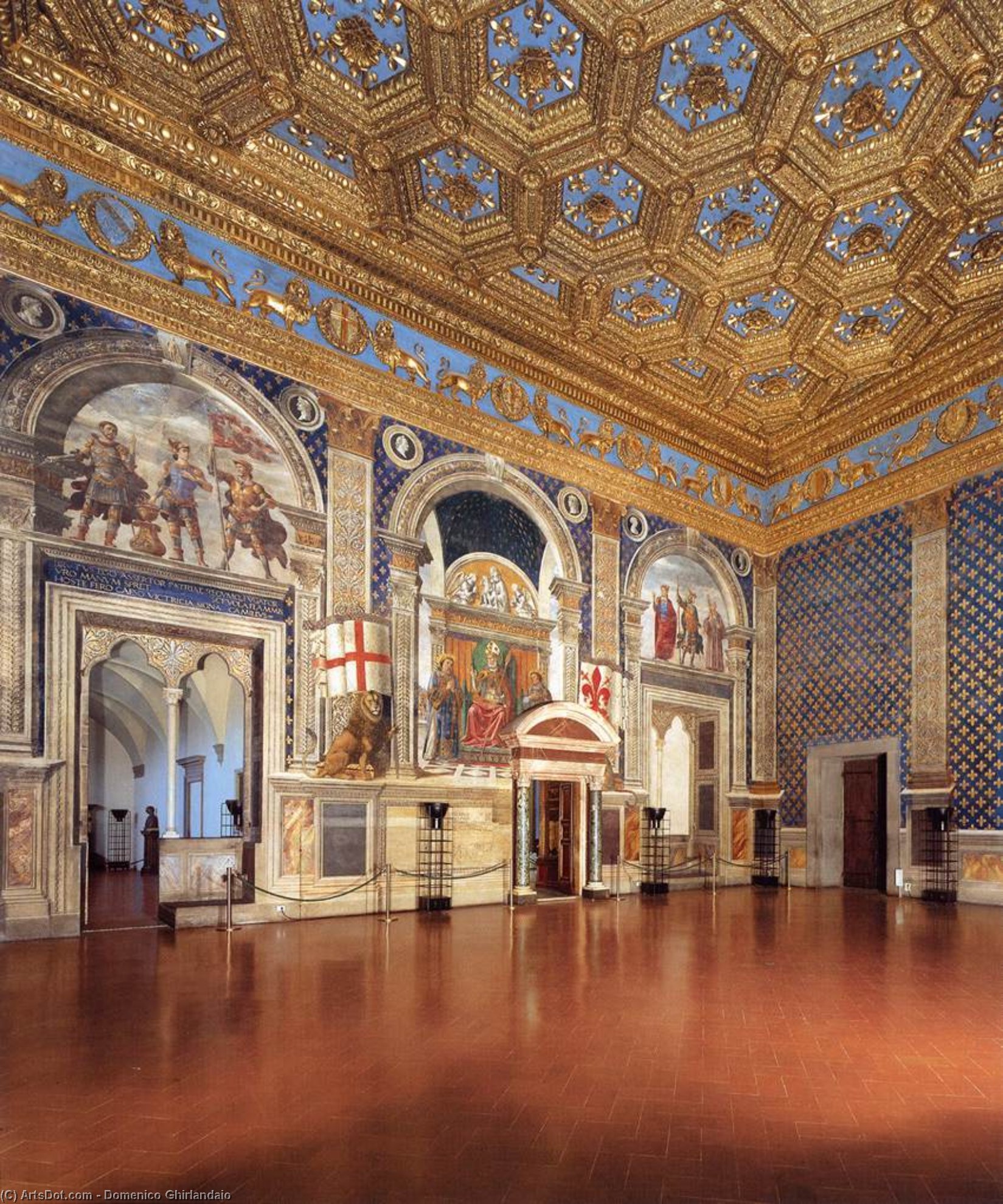
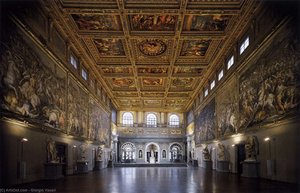
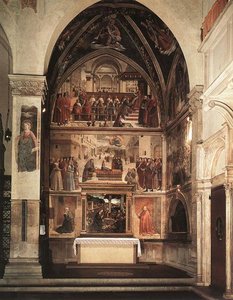
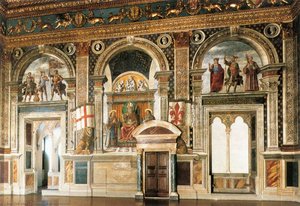
View of the Sala del Gigli


 詳細を見る
詳細を見る
オンラインプレビューをはるかに凌ぐ、高解像度で鮮明なデジタル画像をご購入いただけます。
各ファイルは、社内の専門家が高度なツールと熟練した手作業によるレタッチを用いて、細心の注意を払って準備されています。すべての画像において、卓越した鮮明度、正確な色彩再現性、そして繊細なディテールを保証いたします。
最終ファイルは、プロフェッショナルな編集・印刷環境ですぐにご利用いただけるよう最適化された状態で、72時間以内にメールにてお届けいたします。これは、一流のデザインスタジオ、出版社、ギャラリーから信頼されているものと同等の品質です。
デジタル画像のご注文に付随する特典
高品質なデジタル画像配信を、確かな品質で。
ArtsDot.com を選ぶことは、単に画像を手に入れることではありません。それは、プロの手によって精密に仕上げられ、満足保証が付いた高品質なデジタルアートワークを受け取ることを意味します。ご注文いただいた際に自動的に付随する内容は、以下の通りです:

メールですぐにお届け
ご注文から72時間以内に、高解像度のデジタル画像ファイルがメールでお手元に届きます。すぐにそのままご利用いただけます。

AI技術で最適化されたデジタルファイル
お客様の作品は、高度なAIツールと専門家による手作業の編集を組み合わせてプロフェッショナルに最適化されており、細部のディテール、鮮明さ、そして正確な色再現性を最大限に引き出しています。

一生涯無料の再送サービス
ファイルを誤って削除したり、紛失してしまったりしましたか?ご安心ください。いつでも無料で再送いたします。

輸入手数料は一切かかりません
関税や手数料、配送料を気にすることなく、お気に入りのアートワークをすぐにお楽しみいただけます。デジタルダウンロードは常に免税です。

色彩再現の保証
プロ仕様のツールとカラーマネジメント技術を用いることで、デジタル画像が元の色を最大限に忠実に再現することを保証いたします。

60日間満足保証
ご購入いただいたデジタル画像にご満足いただけない場合は、60日以内であれば、修正または100%の返金(理由を問う必要はありません)をさせていただきます。

100% 返金保証
ご満足いただけない場合は、デジタルファイルを受け取ってから60日以内であれば、理由を問わず全額返金いたします。

まとめ買い割引
3枚購入で10%OFF - 5枚購入で15%OFF - 10枚以上購入で20%OFF。クリエイティブなプロジェクト、ギャラリー、エージェンシーに最適です。
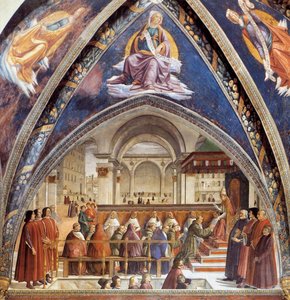
The Sala del Gigli: A Florentine Masterpiece of Civic Pride
Within the imposing Palazzo Vecchio in Florence resides a chamber of extraordinary beauty and historical significance – the Sala del Gigli, or Hall of Lilies. Painted between 1482 and 1484 by Domenico Ghirlandaio, this fresco cycle isn’t merely decoration; it's a vibrant testament to Florentine republican ideals, civic pride, and the burgeoning Renaissance spirit. The space itself, with its soaring dome and intricate coffered ceiling, provides a dramatic backdrop for Ghirlandaio’s ambitious design, transforming the hall into a stage for celebrating Florence’s power and virtue.
Ghirlandaio, already renowned for his ability to seamlessly blend contemporary life with religious narratives – a technique he honed in works like “St. Jerome in His Study” – approached this commission with remarkable skill. He didn't simply depict saints and biblical scenes; instead, he wove together historical figures, allegorical representations of civic virtues, and even glimpses of Florentine daily life, creating a complex tapestry that speaks to the city’s identity. The overall effect is one of dynamic movement and layered meaning, inviting viewers to contemplate Florence’s past, present, and future.
A Symphony of Color and Perspective
Technically, Ghirlandaio's fresco employs the *tempera* technique, a method favored for its ability to achieve brilliant colors and fine detail. The palette is rich and vibrant, dominated by deep blues, reds, and golds – colors that were particularly associated with Florence during this period. Ghirlandaio masterfully utilizes perspective, creating an illusion of depth and space within the relatively confined confines of the hall. The architectural elements, particularly the arches framing the doorways, are rendered with meticulous accuracy, drawing the eye towards the central figures and reinforcing the sense of grandeur.
The composition is carefully structured around a central panel depicting St. Zenobius, the patron saint of Florence, presiding over a group of deacons. Flanking this central scene are depictions of Roman heroes – figures like Romulus and Remus – symbolizing Florentine strength and resilience. The lower registers showcase scenes from Florentine history, including the founding of the city and its subsequent triumphs. Noticeably, Ghirlandaio incorporates elements of classical antiquity alongside Florentine iconography, reflecting the Renaissance’s fascination with reviving the glories of ancient Rome.
Symbolism and Civic Values
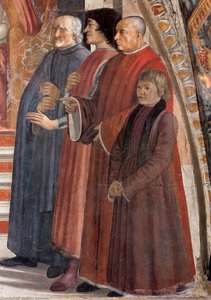
Beyond their historical accuracy, the figures in the Sala del Gigli are imbued with symbolic meaning. The lions holding medallions bearing Florentine coats of arms represent civic unity and loyalty. The allegorical representations of virtues – justice, prudence, fortitude, and temperance – serve as a moral compass for the citizens of Florence. Ghirlandaio’s deliberate inclusion of contemporary figures, dressed in period attire, further emphasizes the importance of civic engagement and participation in Florentine society.
The overall effect is one of carefully orchestrated propaganda, designed to inspire pride and reinforce the values that underpinned Florentine republicanism. Ghirlandaio wasn't simply painting a beautiful fresco; he was actively shaping the image of Florence for posterity. The Sala del Gigli stands as a powerful reminder of the city’s ambition, its artistic achievements, and its enduring legacy.
A Legacy of Artistic Innovation
Domenico Ghirlandaio's work in the Sala del Gigli represents a pivotal moment in Renaissance art. His innovative use of perspective, his skillful blending of historical and contemporary subjects, and his masterful command of color and composition established him as one of Florence’s leading artists. His workshop continued to flourish after his death, producing numerous works that further solidified his reputation. The Sala del Gigli remains a testament to Ghirlandaio's genius and a vital piece of Florentine cultural heritage.
関連作品

作家の略歴
フィレンツェのガーランド:ドメニコ・ギルランダイオの生涯と芸術
歴史にその名を刻むドメニコ・ディ・トマゾ・クラッディ・ディ・ドッフォ・ビゴルディ、すなわちドメニコ・ギルランダイオは、1449年、活気あふれるフィレンツェの芸術的風景の中から産声を上げました。「イル・ギルランダイオ(花冠職人)」という彼の愛称は、その出自と初期の受容を雄弁に物語っています。それは決して単なる花飾りを指すのではなく、金細工師であった父が手がけ、当時のフィレンシアの貴婦人たちを彩った、宝石のように煌びやかな髪飾りを意味していました。この職人技との血縁関係は、若きドメニコの心に、細部へのこだわり、精密さ、そして装飾の美学を深く刻み込みました。それは後に彼の芸術的ビジョンを決定づける重要な要素となります。当初は父のもとで金属細工の複雑な技法を学ぶ徒弟として始まりましたが、やがてアレッサンドロ・バルドヴィネッティに師事して絵画へと転身し、フィレンツェ美術の真髄であるフレスコ画やモザイクの技法を吸収していきました。また、ある学者はアンドレア・デル・ヴェロッキオのもとで過ごした形成期があったことも示唆しており、彼はルネサンスの美学を再定義することになる巨匠たちの世代の一員として位置づけられています。聖なるものと俗なるものの架け橋
ギルランダイオの芸術的卓越性は、宗教的な物語と当時の日常風景を、あたかも一枚の織物のように見事に融合させる能力にありました。彼は聖書の場面を、古代から続く理想化された人物だけで埋め尽くすことはしませんでした。代わりに、そこには商人や町人、さらには作品のパトロンである名家の人々といった、当時のフィレンツェで誰もが知る顔ぶれを描き込んだのです。この革新的なアプローチは、彼の作品に驚くべきリアリズムと即時性をもたらし、神聖な物語を人々の日常の世界へと引き寄せました。彼の工房は創造性の集まる活気ある拠点であり、弟のダヴィデやベネデットだけでなく、義理の弟セバスティアーノ・マイナルディ、そして何より有名な若きミケランジェロ・ブオナローティまでもがその名を連ねていました。このスタジオの圧倒的な効率性と生産性こそが、ギルランダイオに大規模な依頼を遂行することを可能にし、フィレンツェを代表する芸術家としての地位を不動のものとしたのです。その輝かしい例としては、サンタ・トリニタ教会のサセッティ礼拝堂(1482-1485年)の壮麗なフレスコ画連作が挙げられます。そこには聖書の物語とフィレンツェの商業・社会情勢が鮮やかに織り交ぜられています。また、パラッツォ・ヴェッキオの「聖ゼノビウスの昇天」は、彼の透視図法と構図における卓越した技量を示しています。ローマとシスティーナ礼拝堂
ギルランドアイオのキャリアの頂点は、1481年、教皇シクストゥス4世からのローマへの召集によって訪れました。教皇は、新しく建設されたシスティーナ礼拝堂の壁面を飾るため、ボッティチェッリ、ペルジーノ、ロッソといったフィレンツェ随一の才能を持つ芸術家たちを集結させようとしたのです。ギルランダイオが手がけたのは「使徒の召命」でした。キリストがペトロとアンドレアを弟子として呼ぶダイナミックな場面を描いたこの作品は、後にミケランジェロが描いた天井画の影に隠れがちではありますが、物語を伝える力強さと、表情豊かな人物たちによる魅力的な構図を見事に示しています。また、この経験は若きミケランジェロにとっても極めて重要な学びの場となりました。彼はギルランダイオの技法を間近で観察し、その教訓を自らの芸術的発展へと昇華させていったのです。リアリズムの遺産と影響力
1494年、ドメニコ・ギルランダイオは45歳という若さでこの世を去り、前途有望なキャリアは断たれてしまいました。しかし、ルネサンス美術に彼が与えた衝撃は計り知れません。彼は数々のフレスコ画や絵画だけでなく、ミケランジェロをはじめとする、彼が育て上げた芸術家たちを通じてその遺産を後世に残しました。リアリズムへのこだわり、宗教的文脈の中に現代の生活を描き出す手腕、そして色彩と構図の巧みな操り方は、後の世代の画家たちに多大な影響を与えました。レオナルド・ダ・ヴィンチやラファエロといった同時代の巨匠たちと比較すると、その名は控えめかもしれません。しかし、ギルラン立ての作品は、信仰、商業、そして芸術的革新が融合し、比類なき文化的達成を成し遂げたルネサンス期フィレンツェの世界へと、私たちを導く唯一無二の窓なのです。彼の絵画は今なお鮮やかな証として、数世紀前を生きた人々の生活と信念を、見る者の心に呼び起こし続けています。主な作品
- 書斎の聖ヒエロニムス(1480年): ボッティチェッリの「聖アウグスティヌス」と対をなす作品であり、ギルランダイオのフレスコ技法と細部への執念が光ります。
- 最後の晩餐(オニサンティ、1480年): レオナルド・ダ・ヴィンチの傑作を含む、後のこの主題を描いた作品群に影響を与えた画期的な作品です。
- サセッティ礼拝堂のフレスコ画(サンタ・トリニタ、1482-1485年): 聖フランチェスコの生涯を描いた壮大な連作であり、フィレンツェ社会を写実的に描いたことで高く評価されています。
- 使徒の召命(システィーナ礼拝堂、1483年): 世界で最も象徴的な芸術空間への、極めて重要な貢献です。
- 東方三博士の礼拝(ウフィツィ美術館、1487年): 構図と色彩におけるギルランダイオの熟練した技量を示す、鮮やかで緻密な描写です。
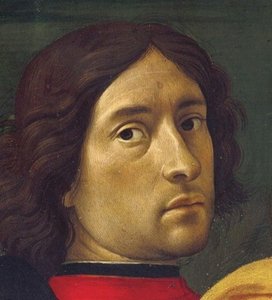
ドメニコ・ギルランダイオ
1449 - 1494 , イタリア
プロフィール概要
- Artistic Movement Or Style: 初期ルネサンス
- Artists Or Movements Influenced By This Artist:
- ミケランジェロ
- リドルフ・ギルランダイオ
- Artists Who Influenced This Artist:
- アレッソ・バルドヴィネッティ
- アンドレア・デル・ヴェロッキオ
- Date Of Birth: 1449年
- Date Of Death: 1494年
- Full Name: ドメニコ・ディ・トマソ・クラッラディ
- Nationality: イタリア
- Notable Artworks:
- 書斎の聖ヒエロニムス
- 最後の晩餐
- 使徒の召命
- 羊飼いの礼拝
- Place Of Birth: イタリア、フィレンツェ

