

 プレビュー
プレビュー
 シェアする
シェアする シェアする
シェアする
 詳細を見る
詳細を見る

 ダウンロード
 似ている作品
 X線調査
X線調査 スライドショー
 Stats
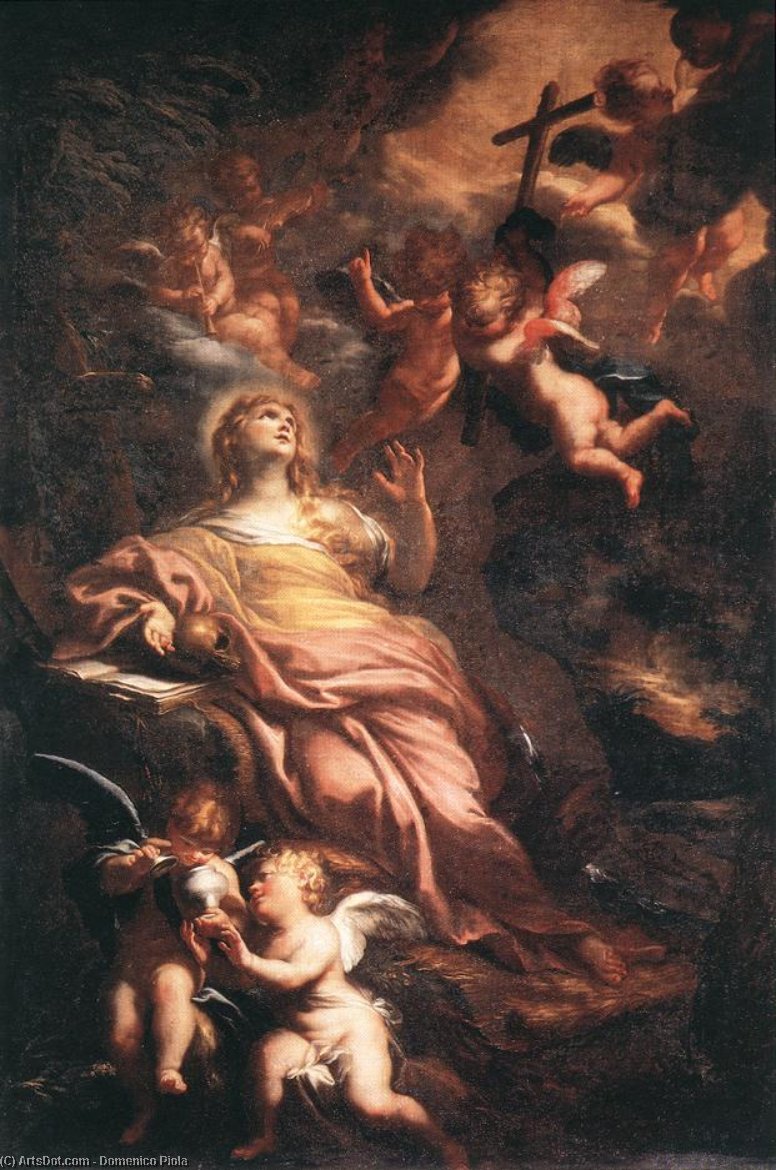
StatsMagdalene in the Desert
 1674
1674 300.0 x 198.0 cm
 Oratorio di Santa Maria Maddalena
 詳細を見る
詳細を見る
手描き油彩複製画
当社のアーティストが、お客様のご希望のサイズと額縁に合わせて、キャンバスに手描きで制作する油彩画です。 ( Switch to Print Switch to Digital Image)




































作品のオリジナル比率に合わせた、当店の規定サイズからお選びください。

特定のフレームやスペースに合わせて、ご希望のサイズをご入力いただけます。選択されたサイズが元の画像の比率と異なる場合、アートワークをトリミングするか、手描きで要素を追加して絵画を拡張いたします。デジタルモックアップ を制作し、制作開始前にご確認(承認)をいただきます。
画面上のプレビューは、実際のトリミングや拡張を正確に反映しているものではありません。最終的な構図は、モックアップによってのみ正確にご確認いただけます。
カスタムサイズもご利用いただけますが、元の比率を維持するためには、あらかじめ用意されたリストからサイズを選択することをお勧めいたします。
ご注文後、ArtsDot.com チームより詳細な指示をお送りするとともに、仕上がりイメージ(モックアップ)をご提供いたします。


 ガラスオプションは、110cm未満のサイズでのみご利用いただけます。

Magdalene in the Desert
複製技法
複製画のサイズ
-


合計金額
$ 263
The Artist and His Style
Domenico Piola was a prominent Italian painter of the Baroque period, known for his vivid and expressive works. His style is marked by the use of chiaroscuro, a technique that emphasizes contrasts between light and dark to create a sense of depth and volume. In Magdalene in the Desert, Piola's use of chiaroscuro adds a dramatic effect to the scene, drawing the viewer's attention to the central figure of Mary Magdalene.The Painting's Symbolism
The painting depicts Mary Magdalene in a desert landscape, surrounded by cherubs and holding a skull, which symbolizes mortality and the fleeting nature of life. The dark sky filled with clouds adds a sense of drama and tension to the scene, underscoring the spiritual journey that Mary Magdalene is undertaking. The use of symbolism in the painting invites the viewer to reflect on the themes of redemption and spiritual growth.- The painting's composition and use of color create a sense of harmony and balance, drawing the viewer's eye to the central figure of Mary Magdalene.
- The cherubs surrounding Mary Magdalene add a sense of innocence and purity to the scene, highlighting her spiritual transformation.
- The skull held by Mary Magdalene serves as a reminder of the transience of life and the importance of spiritual reflection.
The painting Magdalene in the Desert by Domenico Piola is a masterpiece of Baroque art, offering a glimpse into the spiritual and emotional world of the 17th century. Its use of symbolism, chiaroscuro, and composition creates a powerful and thought-provoking work that continues to inspire art lovers today.
関連作品
アーティストの略歴
The Master of the Genoese Baroque
In the golden age of the seventeenth century, few names resonated through the grand halls and sacred sanctuaries of Genoa as powerfully as Domenico Piola. A titan of the Baroque period, Piola was not merely a painter but the beating heart of a vast, creative ecosystem known as Casa Piola. Born in Genoa in 1627, his life was inextricably linked to the flourishing maritime republic, where his brushwork helped define the very visual language of the era. His journey began under the tutelage of his brother-in-law, Stefano Camogli, and continued through the guidance of Pellegrino Piola, eventually leading him to study under Giovanni Domenico Cappellino. This rigorous foundation allowed him to emerge as a versatile virtuoso, capable of navigating the complexities of draughtsmanship, printmaking, and design with unparalleled grace.
The essence of Piola’s artistry lies in his ability to transform architectural spaces into celestial realms. As the leading figure of the Genoese school in the latter half of the 17th century, he specialized in the breathtaking medium of ceiling frescoes. These works were not merely decorations but immersive experiences designed to draw the viewer's gaze upward toward the divine. Working alongside contemporaries like Gregorio De’ Ferrari, Piola executed monumental cycles for prestigious locations such as the Palazzo Rosso. In these grand commissions, his ability to balance the heavy drama of the Baroque with a certain lyrical lightness—inspired by the works of Giovanni Benedetto Castiglione—created a sense of movement and light that seemed to dissolve the very boundaries of stone and plaster.
The Legacy of Casa Piola
What truly distinguished Domenico Piola from his peers was the sheer scale of his influence, facilitated by the prolific nature of his family studio. Casa Piola functioned as a highly organized workshop that streamlined the production of complex decorative schemes, ensuring that the aesthetic of Genoa remained cohesive and magnificent for nearly a century. This collaborative spirit allowed the studio to extend its reach far beyond the canvas, providing essential designs for sculptors and master craftsmen working in wood, ceramics, and metalwork. Through this multidisciplinary approach, Piola’s vision permeated every facet of Genoese aristocratic life, from the intimate details of private collections to the public grandeur of church interiors.
His travels further expanded his artistic horizons, as he carried the Genoese style to cities such as Milan, Piacenza, and Bologna. In Piacenza, his work in the Casa Baldini showcased his ability to adapt his dynamic compositions to different architectural contexts. Throughout his career, Piola remained a master of the interplay between light and shadow, utilizing a palette that could evoke both the somber gravity of religious devotion and the exuberant joy of seasonal celebrations. His historical significance is cemented not only by his individual masterpieces but by his role as the architect of a stylistic era, leaving behind a legacy where art, architecture, and craftsmanship were woven into a single, magnificent tapestry of Baroque splendor.
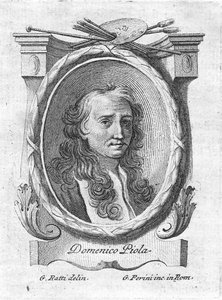
domenico piola
1627 - 1703 , Italy
基本情報
- Artistic Movement Or Style: Baroque
- Artists Who Influenced This Artist:
- Stefano Camogli
- Pellegro Piola
- Giovanni Domenico Cappellino
- Giovanni Benedetto Castiglione
- Date Of Birth: 1627
- Date Of Death: 1703
- Full Name: Domenico Piola
- Nationality: Italian
- Notable Artworks:
- Communion of Clare of Montefalco
- Autumn and Winter (Palazzo Rosso)
- Place Of Birth: Genoa, Italy