

 プレビュー
プレビュー
 シェアする
シェアする シェアする
シェアする
 詳細を見る
詳細を見る

 ダウンロード
 似ている作品
 X線調査
X線調査 スライドショー
 統計情報
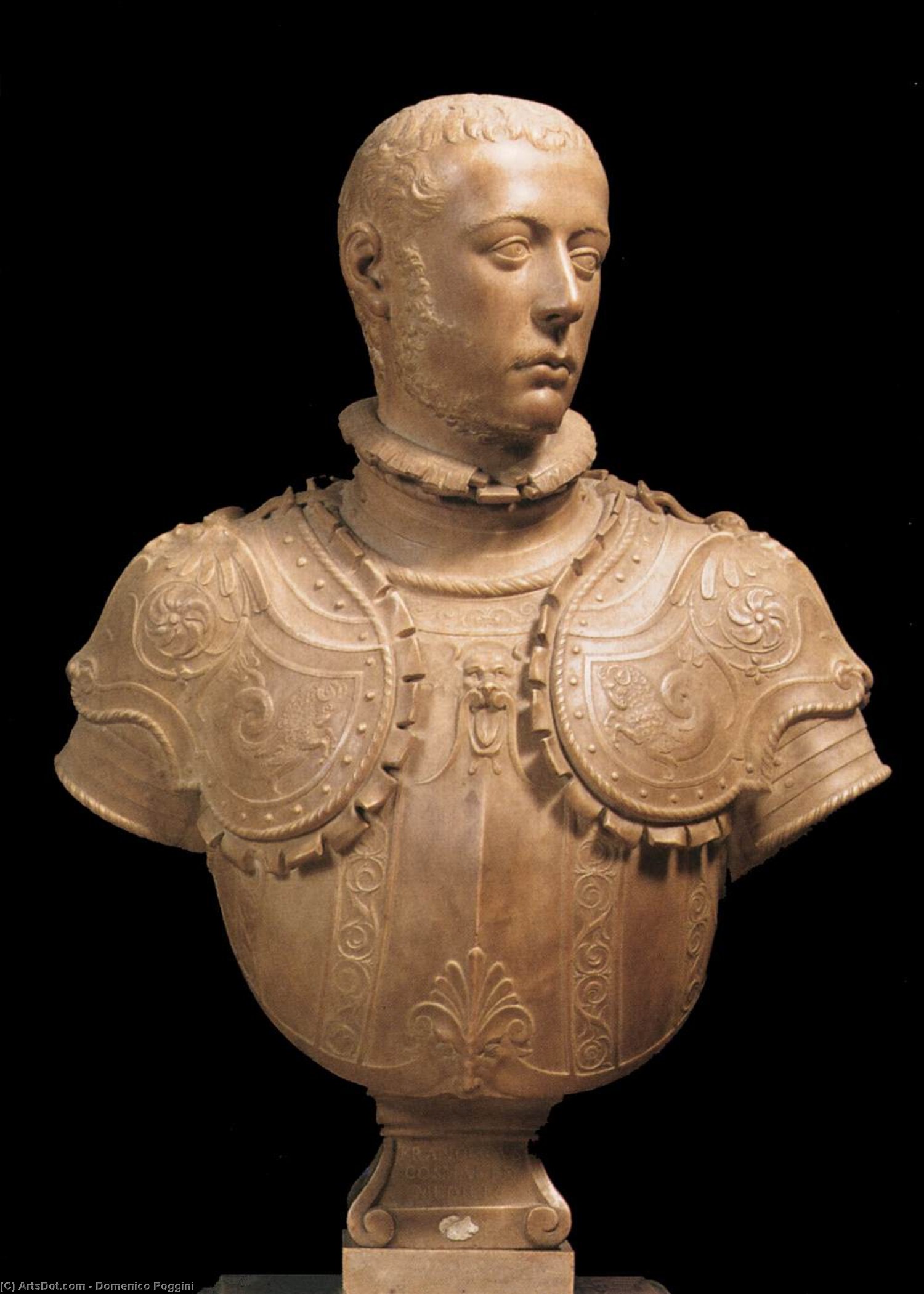
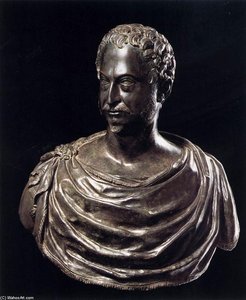
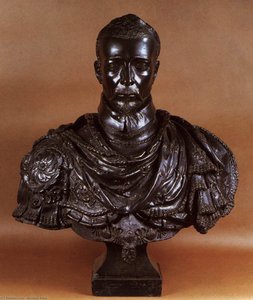
統計情報Bust of Francesco I de' Medici


 詳細を見る
詳細を見る
手描き油彩複製画
当社のアーティストが、お客様のご希望のサイズと額縁に合わせて、キャンバスに手描きで制作する油彩画です。 ( プリント版に切り替え デジタル画像販売へ切り替え)




































作品のオリジナル比率に合わせた、当店の規定サイズからお選びください。

特定のフレームやスペースに合わせて、ご希望のサイズをご入力いただけます。選択されたサイズが元の画像の比率と異なる場合、アートワークをトリミングするか、手描きで要素を追加して絵画を拡張いたします。デジタルモックアップ を制作し、制作開始前にご確認(承認)をいただきます。
画面上のプレビューは、実際のトリミングや拡張を正確に反映しているものではありません。最終的な構図は、モックアップによってのみ正確にご確認いただけます。
カスタムサイズもご利用いただけますが、元の比率を維持するためには、あらかじめ用意されたリストからサイズを選択することをお勧めいたします。
ご注文後、ArtsDot.com チームより詳細な指示をお送りするとともに、仕上がりイメージ(モックアップ)をご提供いたします。


 ガラスオプションは、110cm未満のサイズでのみご利用いただけます。

Bust of Francesco I de' Medici
複製技法
複製画のサイズ
-


合計金額
$ 263
関連作品





アーティストの略歴
Domenico Poggini: Florentine Master of the Renaissance
Domenico Poggini, born in Florence around 1520 and passing away in Rome in 1590, stands as a pivotal figure within the artistic landscape of the late Italian Renaissance. More than simply a sculptor or engraver, he was a multifaceted artist – a goldsmith, medallist, poet, and die-engraver – whose career spanned significant shifts in Florentine and Roman art history. His legacy is one of technical mastery interwoven with a deep understanding of classical ideals and religious iconography, leaving behind a body of work that continues to fascinate scholars and collectors alike. Poggini’s family background further shaped his artistic trajectory; his father, Michele Poggini, was a renowned gem-engraver, and his brother, Giampaolo Poggini, also pursued a career in art, creating a familial network of creative talent that undoubtedly influenced Domenico's development.Early Career and Florentine Patronage
Poggini’s early artistic training likely began within the family workshop, absorbing techniques from his father and brother. By 1556, he secured a prestigious appointment as diecutter for the Florentine Mint – a position of considerable importance in the economic and political life of the city. This role provided him with invaluable experience in engraving and metalworking, skills that would become central to his artistic practice. During this period, Poggini’s work began to attract attention from prominent patrons, most notably Francesco I de' Medici, Grand Duke of Tuscany. He created a series of medals and other objects for the Medici court, demonstrating his burgeoning skill in capturing likenesses and conveying complex narratives through miniature relief. A particularly notable example is the medal commemorating Bindo Altoviti (1540), now housed at the Metropolitan Museum of Art, showcasing Poggini’s ability to blend realistic portraiture with symbolic elements – a hallmark of his style. This piece exemplifies his growing independence as an artist, moving beyond mere technical execution towards a more personal and expressive approach.Rome and Papal Commissions
A significant turning point in Poggini's career arrived in 1588 when he was appointed chief engraver at the mint in Rome by Pope Sixtus V. This move marked a shift from Florentine artistic circles to the heart of papal patronage, offering him unprecedented opportunities for commissions and exposure. Under papal auspices, Poggini produced a vast array of medals, coins, and decorative objects, many of which celebrated the papacy’s achievements and religious figures. His work during this period reflects the grandeur and opulence associated with the Roman court, often incorporating elaborate designs and meticulous detail. The medal depicting Francesco de' Medici (1564), held in the collection of the Victoria and Albert Museum, is a prime example of his refined style during this phase – a testament to his ability to capture the dignity and authority of the Grand Duke while adhering to Renaissance artistic conventions.Technique and Style
Poggini’s artistic style can be characterized by a remarkable blend of technical precision and expressive dynamism. His engravings, in particular, are renowned for their clarity of line, subtle shading, and meticulous attention to detail. He skillfully employed the techniques of intaglio engraving to create intricate portraits and scenes, capturing both the physical likenesses and the psychological nuances of his subjects. His medals, similarly, demonstrate a mastery of relief sculpture, utilizing fine details and carefully chosen compositions to convey complex narratives within limited spaces. While deeply rooted in Renaissance traditions – particularly those of antiquity – Poggini’s work also reveals a subtle sense of innovation and personal style. His use of light and shadow, his dynamic poses, and his ability to imbue his subjects with a sense of life and movement distinguish him from many of his contemporaries.Legacy and Recognition
Domenico Poggini's contribution to the art world is secured through his works held in prestigious collections worldwide, most notably at the British Museum. His legacy extends beyond individual masterpieces; he represents a crucial link between the artistic traditions of Florence and Rome during a period of profound transformation. His work continues to be studied by historians and art enthusiasts alike, offering valuable insights into the cultural and political dynamics of 16th-century Italy. The enduring appeal of Poggini’s art lies in its ability to seamlessly blend technical skill with artistic vision, creating works that are both aesthetically pleasing and historically significant. His life's work stands as a testament to his dedication, talent, and the vibrant spirit of the Renaissance.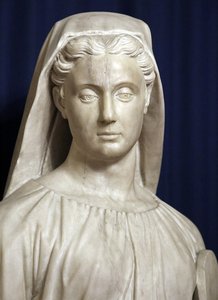
Domenico Poggini
1520 - 1590 , Italy
基本情報
- Artistic Movement Or Style: Renaissance
- Artists Or Movements Influenced By This Artist: ["Francesco I de' Medici"]
- Artists Who Influenced This Artist: ['Michele Poggini']
- Date Of Birth: 1520
- Date Of Death: 1590
- Full Name: Domenico Poggini
- Nationality: Italian
- Notable Artworks:
- Bacchus
- Medal of Bindo Altoviti
- Francesco de' Medici Medal
- Place Of Birth: Florence, Italy