

 プレビュー
プレビュー
 プリントを購入
 シェアする
シェアする シェアする
シェアする
 詳細を見る
詳細を見る

 ダウンロード
 似ている作品
 X線調査
X線調査 スライドショー
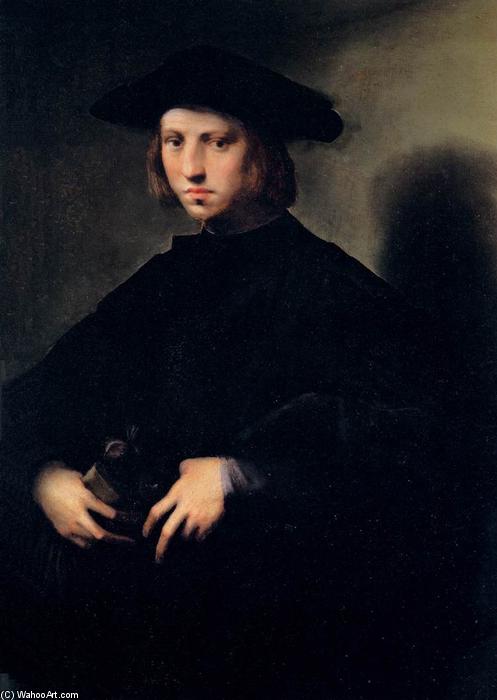
Portrait of a Boy
 1525
1525 106.0 x 74.0 cm
 詳細を見る
詳細を見る




































作品のオリジナル比率に合わせた、当店の規定サイズからお選びください。

特定のフレームやスペースに合わせて、ご希望のサイズをご入力いただけます。選択されたサイズが元の画像の比率と異なる場合、アートワークをトリミングするか、手描きで要素を追加して絵画を拡張いたします。デジタルモックアップ を制作し、制作開始前にご確認(承認)をいただきます。
画面上のプレビューは、実際のトリミングや拡張を正確に反映しているものではありません。最終的な構図は、モックアップによってのみ正確にご確認いただけます。
カスタムサイズもご利用いただけますが、元の比率を維持するためには、あらかじめ用意されたリストからサイズを選択することをお勧めいたします。
ご注文後、ArtsDot.com チームより詳細な指示をお送りするとともに、仕上がりイメージ(モックアップ)をご提供いたします。


 ガラスオプションは、110cm未満のサイズでのみご利用いただけます。

Portrait of a Boy
複製技法
複製画のサイズ
-


合計金額
$ 263
作品解説
The Composition
The image depicts a young boy dressed in a black doublet with a high collar, typical attire for boys of his social status during the Renaissance period. He wears a wide-brimmed hat, adding to the formal and solemn appearance of the portrait. The boy's expression is serious and contemplative, with his gaze directed slightly off to the side, suggesting a sense of introspection or thoughtfulness. The background is dark and indistinct, focusing attention on the boy's face and upper body. Key Features of the painting include:- The use of light and shadow, which creates a dramatic contrast between the illuminated areas of the boy's face and the darker tones of his clothing and surroundings.
- The realistic style, with meticulous attention to detail in the rendering of the boy's features and the folds of his clothing.
- The fine brushwork, which creates texture and depth, particularly noticeable in the fabric of the doublet and the hair.
The Portrait of a Boy is a masterpiece that continues to captivate art lovers and historians alike. Its beauty, significance, and historical value make it a must-see for anyone interested in Renaissance art. As a handmade oil painting reproduction, it can be appreciated in the comfort of one's own home, serving as a reminder of the enduring power of art to inspire and educate.
関連作品
アーティストの略歴
Domenico Puligo: A Florentine Renaissance Painter
- Born: Florence, Italy (1492)
- Died: 1527
Early Life and Training
Domenico di Bartolomeo Ubaldini, known as Domenico Puligo, was born in Florence in 1492. He hailed from a family of blacksmiths; his father, Bartolomeo, belonged to the Ubaldini lineage from Marradi in Tuscan Romagna. Puligo's early life was shaped by this familial background and the environment of Ponte a Rifredi and later Piazza di San Gallo on the outskirts of Florence. His artistic journey began with an apprenticeship under Ridolfo Ghirlandaio, son of the renowned Domenico Ghirlandaio who himself had trained Michelangelo. Puligo remained associated with Ghirlandaio for several years even after completing his formal training. He also worked as an assistant to Andrea del Sarto, forming a close friendship with him and absorbing influences from both masters.
Artistic Influences and Style
Puligo’s artistic style was significantly shaped by the prominent figures of the Florentine Renaissance. Ridolfo Ghirlandaio's influence is evident in his early works, while Andrea del Sarto imparted a sense of elegance and refined technique. Beyond these direct mentors, Puligo also drew inspiration from Jacopo Pontormo and Rosso Fiorentino, incorporating elements of their Mannerist style into his compositions. His paintings are characterized by a soft sfumato technique, creating subtle gradations of light and shadow that lend a delicate quality to his figures. He was particularly known for his portraiture, capturing the likenesses of prominent Florentine citizens with remarkable skill.
Major Works and Achievements
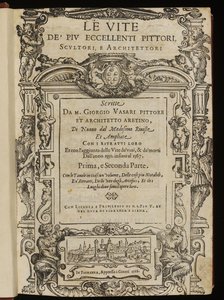
While Puligo’s artistic output was relatively limited—a fact noted by Giorgio Vasari—his works are highly regarded for their quality and artistry. Among his most celebrated pieces is the large-scale Vision of Saint Bernard altarpiece, now housed in the Walters Art Gallery in Baltimore. Other notable works include the Virgin and Child with St. John and the Holy Family. He gained considerable recognition as a portrait artist, enjoying high demand within Florence's elite circles. His portraits are admired for their psychological depth and ability to convey the character of his sitters.
Historical Significance and Legacy
Domenico Puligo occupies an important position within the Florentine Renaissance art scene. Though overshadowed by some of his contemporaries, his contributions demonstrate a mastery of technique and a sensitivity to the artistic trends of his time. His association with prominent artists like Ghirlandaio and del Sarto placed him at the heart of Florence’s vibrant artistic community. His brother, Jacone Puligo, was also a painter, further cementing the family's place in Renaissance art history. Despite Vasari’s observation about his “idle” nature and the relative scarcity of his surviving works, Domenico Puligo remains a significant figure whose paintings offer valuable insights into the artistic landscape of 16th-century Florence.
Domenico Puligo
1492 - 1527 , Italy
基本情報
- Artistic Movement Or Style: Renaissance
- Artists Who Influenced This Artist:
- Ridolfo Ghirlandaio
- Andrea del Sarto
- Jacopo Pontormo
- Il Rosso
- Date Of Birth: 1492
- Date Of Death: 1527
- Full Name: Domenico Puligo
- Nationality: Italian
- Notable Artworks:
- Vision of Saint Bernard
- Virgin and Child with St. John
- Holy Family
- Place Of Birth: Florence, Italy

