

 プレビュー
プレビュー
 プリントを購入
 シェアする
シェアする シェアする
シェアする
 詳細を見る
詳細を見る

 ダウンロード
 似ている作品
 X線調査
X線調査 スライドショー
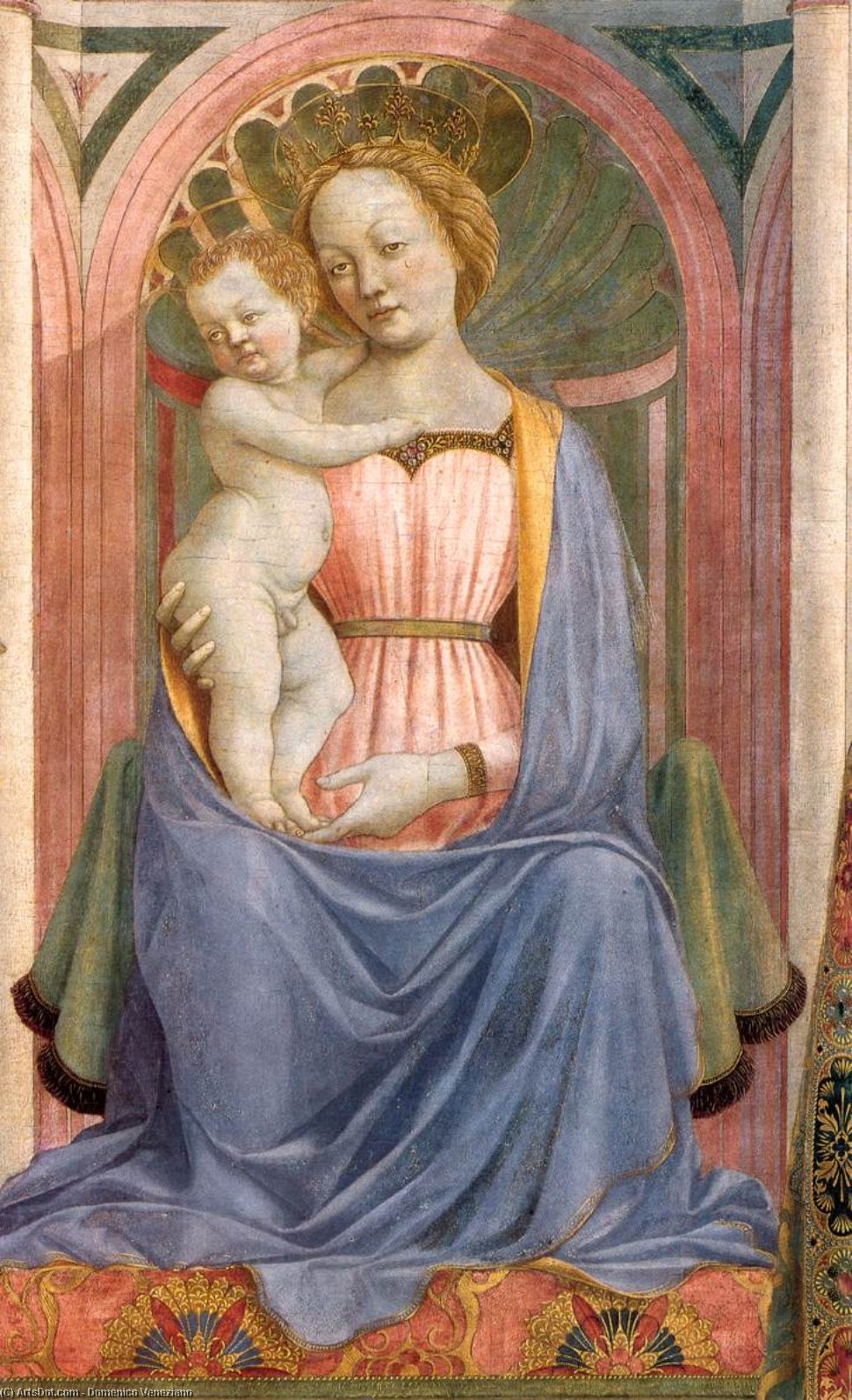
The Madonna and Child with Saints (detail)


 詳細を見る
詳細を見る




P118B $10

P118H $10

P118W $10

P438Z $10

P508JH $12

P508YH $12

P805H $10

P805Z $10

P919BZ $10

P919G $10

P919XJ $10

P959ZH $10

P968JZ $12

W106C $8

W218G $10

W218JH $8

W218Y $10

W307PJ $10

W316G $10

W316PJ $8

W316Y $10

W398PJ $8

W4111J $10

W500HY $15

W500JH $15

W692G $12

W849H $8

W940BG $15

W953PJ $8




作品のオリジナル比率に合わせた、当店の規定サイズからお選びください。

特定のフレームやスペースに合わせて、ご希望のサイズをご入力いただけます。選択されたサイズが元の画像の比率と異なる場合、アートワークをトリミングするか、手描きで要素を追加して絵画を拡張いたします。デジタルモックアップ を制作し、制作開始前にご確認(承認)をいただきます。
画面上のプレビューは、実際のトリミングや拡張を正確に反映しているものではありません。最終的な構図は、モックアップによってのみ正確にご確認いただけます。
カスタムサイズもご利用いただけますが、元の比率を維持するためには、あらかじめ用意されたリストからサイズを選択することをお勧めいたします。
ご注文後、ArtsDot.com チームより詳細な指示をお送りするとともに、仕上がりイメージ(モックアップ)をご提供いたします。


 ガラスオプションは、110cm未満のサイズでのみご利用いただけます。

The Madonna and Child with Saints (detail)
複製技法
複製画のサイズ
-


合計金額
$ 263
A Renaissance Reverie: Domenico Veneziano’s ‘The Madonna and Child with Saints’ (Detail)
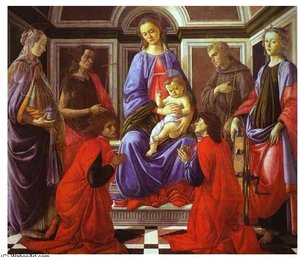
Domenico Veneziano's “The Madonna and Child with Saints” – often viewed as a detailed panel from a larger altarpiece – offers a profound glimpse into the burgeoning artistic landscape of 15th-century Italy. Painted around 1445, this work transcends mere religious iconography; it’s a carefully constructed meditation on faith, devotion, and the luminous beauty inherent in the divine. Examining its intricate details reveals not just a masterful depiction of Mary, Christ, and their attendant figures, but also a window into the innovative techniques and symbolic language that defined the early Renaissance.
The scene unfolds within a richly imagined architectural setting – an interior space suggestive of a grand church or palace, rendered with meticulous perspective. This backdrop isn’t merely decorative; it establishes a sense of solemnity and importance, elevating the central figures to a realm beyond the earthly. Veneziano's genius lies in his ability to imbue this architectural framework with a palpable sense of depth and atmosphere through subtle gradations of light and shadow. The diffused golden glow bathing the Madonna and Child is particularly striking, reminiscent of the sfumato technique later perfected by Leonardo da Vinci – a deliberate softening of edges that creates an ethereal quality.
The Figures: A Symphony of Symbolism
At the heart of the composition stands Mary, depicted with serene grace and an almost otherworldly beauty. Dressed in a flowing blue robe—a color traditionally associated with purity and divinity—she cradles the infant Jesus, his face radiating innocence and peace. The figures are rendered with remarkable realism for their time, yet imbued with a spiritual intensity that transcends mere physical representation. The two saints flanking Mary – St. John the Baptist and St. Jerome – are instantly recognizable through their traditional attributes: St. John’s lamb symbolizing sacrifice and purity, and St. Jerome’s open book representing wisdom and knowledge. These symbols aren't simply decorative; they actively participate in the painting’s narrative, enriching its layers of meaning.
St. John the Baptist, identifiable by his flowing hair and youthful appearance, points upwards towards Christ, a gesture signifying salvation and divine grace. St. Jerome, often depicted with a furrowed brow and spectacles, embodies the intellectual pursuit of faith – a testament to the Renaissance’s renewed interest in classical learning and philosophy. The careful arrangement of these figures creates a harmonious balance, reflecting the theological principles underpinning the work.
Technique and Innovation: A Light-Filled Vision
Veneziano's approach to fresco painting—and subsequently tempera on panel—was remarkably innovative for his time. He moved away from the heavy, dark palettes favored by many of his contemporaries, embracing a brighter, more luminous color scheme. This is particularly evident in the use of gold leaf, which adds a radiant quality to the figures and architectural details. The artist’s mastery of light is truly remarkable; he skillfully manipulates shadows and highlights to create a sense of volume and depth, drawing the viewer's eye into the scene.
Furthermore, Veneziano demonstrated an early understanding of perspective—a crucial element in creating the illusion of three-dimensionality. The receding arches and columns of the background are rendered with careful attention to detail, contributing to the painting’s overall realism and spatial coherence. This pioneering use of perspective foreshadowed developments in Renaissance art that would profoundly influence generations of artists.
A Legacy of Light: Domenico Veneziano's Enduring Influence
Domenico Veneziano, born around 1410 in Venice and tragically dying in 1461, remains a pivotal figure in the transition from Gothic to Renaissance art. His work embodies the spirit of innovation and artistic experimentation that characterized this transformative period. While his life was relatively short, his impact on the development of Italian painting is undeniable. His emphasis on light, color, and realistic representation laid the groundwork for some of the greatest artists of the High Renaissance – including Mantegna, who Veneziano greatly influenced. Reproductions of “The Madonna and Child with Saints” offer a tangible connection to this remarkable artist and his enduring legacy.
関連作品




アーティストの略歴
ドメニコ・ヴェネツィアーノの光り輝くヴィジョン
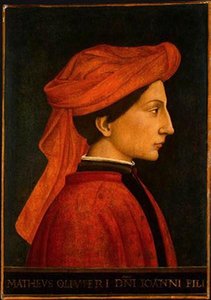
初期ルネサンスの柔らかな輝きを彷彿とさせるその名は、15世紀において最も人々を魅了してやまない謎の一つとして今も語り継がれています。1410年頃、活気あふれるヴェネツィアの海辺の空気の中で生を受けたドメニコ・ヴェネツィアーノの生涯は、やがて彼をフィレンツェ派の極めて重要な人物へと導くことになりました。彼の初期の伝記については、歴史の霧の中に多くが隠されたままですが、そのキャンバスが放つ輝きは、光の習熟に捧げられた魂を覗き見るための明晰な窓となります。彼の芸術的進化は、単なる個人の歩みにとどまりませんでした。それは、国際ゴシック様式の装飾的な優雅さと、ルネサンスが持つ深遠で構造的な明晰さとの隔たりを埋める、変革的な動きそのものだったのです。
ヴェネツィアーノの天才性の基礎は、同時代の巨匠たちとの一連の輝かしい出会いによって築かれました。1420年代初頭、フィレンツェにおいて名高いジェンティーレ・ダ・ファブリアーノに師事したことで、彼は後期ゴシック様式の伝統を象徴する緻密なディテールとリズム感のある優美さを吸収しました。しかし、彼の創造的精神に真の火を灯したのは、ピエロ・デッラ・フランチェスカといった人物が提唱した、遠近法や形態に対する勃興しつつあった科学的なアプローチとの出会いでした。ヴェネツィア特有の色彩感覚と、フィレンツェの構造的な厳格さ。この二つの融合によって、彼は独自の視覚言語を確立したのです。それは、光が単に場面を照らすだけでなく、物語そのものの能動的な参加者となるような表現でした。
光と色彩の極致
ドメニコ・ヴェネツィアーノの作品を同時代の画家たちから際立たせているのは、その媒体に対する大胆かつ革命的なアプローチです。彼は、内なる輝きを放ち、まるで呼吸しているかのような、光り輝く繊細なパレットを用いた先駆者でした。聖人と聖母子といった傑作には、彼の実験精神が克明に刻まれています。テンペラ画が標準であった時代に、あえて油彩画を用いるという決断は、従来の慣習からの大胆な脱却でした。この技法によって、表面に当たる光の儚い性質を捉える繊細な色調の階調と空気感が実現し、かつてないほどの奥行きと空気感を生み出したのです。
構図の織り成す布地そのものに精神的な感情を編み込む彼の能力は、聖ルチアの祭壇画のような作品において最も顕著に現れています。ここでは、人物たちは単に描かれているのではありません。天上の輝きを浴びることで輪郭が和らぎ、調和のとれた統一された空間へと溶け込んでいるのです。光と色彩の変化によって距離感を暗示する空気遠近法の習熟は、彼の様式の代名詞となりました。宗教的なアイコンの厳粛さを描くときも、あるいは東方三博士の礼拝に見られるような躍動的なエネルギーを描くときも、ヴェネツィアーノは色彩を、物理的な写実性と深い精神的超越の両方を達成するための道具として操る稀有な才能を備えていたのです。
遺産とルネサンスの地平
ドメニコ・ヴェネツィアーノの影響は、彼自身の生涯を遥かに超えて広がり、イタリア美術の軌跡に消えることのない足跡を残しました。彼が成し遂げた光と色彩における革新は、次世代の巨匠たちにとって不可欠な設計図となりました。彼が確立に寄与した構造的な明晰さと、感情に訴えかける輝きの使い方は、後の巨人アンドレア・マンテーニャの作品の中にも響き渡っています。マンテーニャは、ヴェネツィアーノが完成させた洗練された空間構成から、多大なインスピレーションを得たのです。
彼の伝記的な詳細は乏しいままですが、その芸術的遺産は、現存する作品の永続的な輝きの中に刻まれています。彼は時代と時代を繋ぐ架け橋として存在しています。過去の装飾的な豊かさを受け継ぎ、そこに未来の科学的かつ人間主義的な光を吹き込んだ画家なのです。ヴェネツィアーノを辿ることは、ルネサンスが真に輝き始めた瞬間を目撃することに他なりません。それは、キャンバスを単なる平らな表面から、無限で光り輝く可能性を秘めた窓へと変貌させた瞬間なのです。
ドメニコ・ヴェネツィアーノ
1410 - 1461 , イタリア
基本情報
- Artistic Movement Or Style: 初期ルネサンス
- Artists Or Movements Influenced By This Artist: ['アンドレア・マンテーニャ']
- Artists Who Influenced This Artist:
- ジェンティーレ・ダ・ファブリアーノ
- ベノッツォ・ゴッツォーリ
- Date Of Birth: イタリア、ヴェネツィア (1410年)
- Date Of Death: 1461年
- Full Name: ドメニコ・ヴェネツィアーノ
- Nationality: イタリア
- Notable Artworks:
- 聖人と聖母子
- 聖ルチアの祭壇画
- 聖母子
- Place Of Birth: ヴェネツィア
関連記事

家族の遺産を壁画で彩る:伝統技法が紡ぐ、時を超越する美と記憶
古代から現代までの壁画の歴史と技法を解説。日本の壁画文化やカスタムオーダーによる家族の遺産表現、保存・修復技術まで網羅。専門家が時を超越する美と記憶を紡ぐ芸術的価値をご案内します。

The Enduring Legacy of Fresco Painting: Techniques, History & Contemporary Relevance
Explore the rich history & enduring artistry of fresco painting – from Giotto to Michelangelo! Discover techniques, conservation efforts, & modern applications. Learn how ArtsDot brings this timeless art form to your home.

The Enduring Legacy of Fresco: Technique, History & Artistic Expression Across Cultures
Explore the rich history & enduring legacy of fresco painting! Discover ancient techniques, Giotto's masterpieces, and modern applications. Expert insights for art lovers & professionals.

Art That Lives With You: The Emotional Power of a Custom Interior Fresco
Discover the emotional power & timeless beauty of custom interior frescoes. Explore history, design tips & expert guidance from – creating lasting legacies.
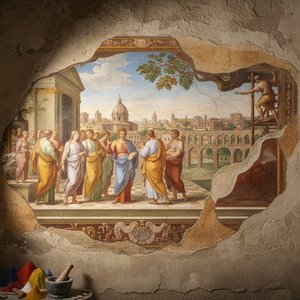
The Enduring Legacy of Fresco: Technique, History & Artistic Expression
Explore the rich history & enduring artistry of fresco painting. Discover techniques from Giotto to Michelangelo, conservation efforts, & modern applications. Learn how ArtsDot brings this timeless art form to your home.

