

 プレビュー
プレビュー
 プリントを購入
 シェアする
シェアする シェアする
シェアする
 詳細を見る
詳細を見る

 ダウンロード
 似ている作品
 X線調査
X線調査 スライドショー
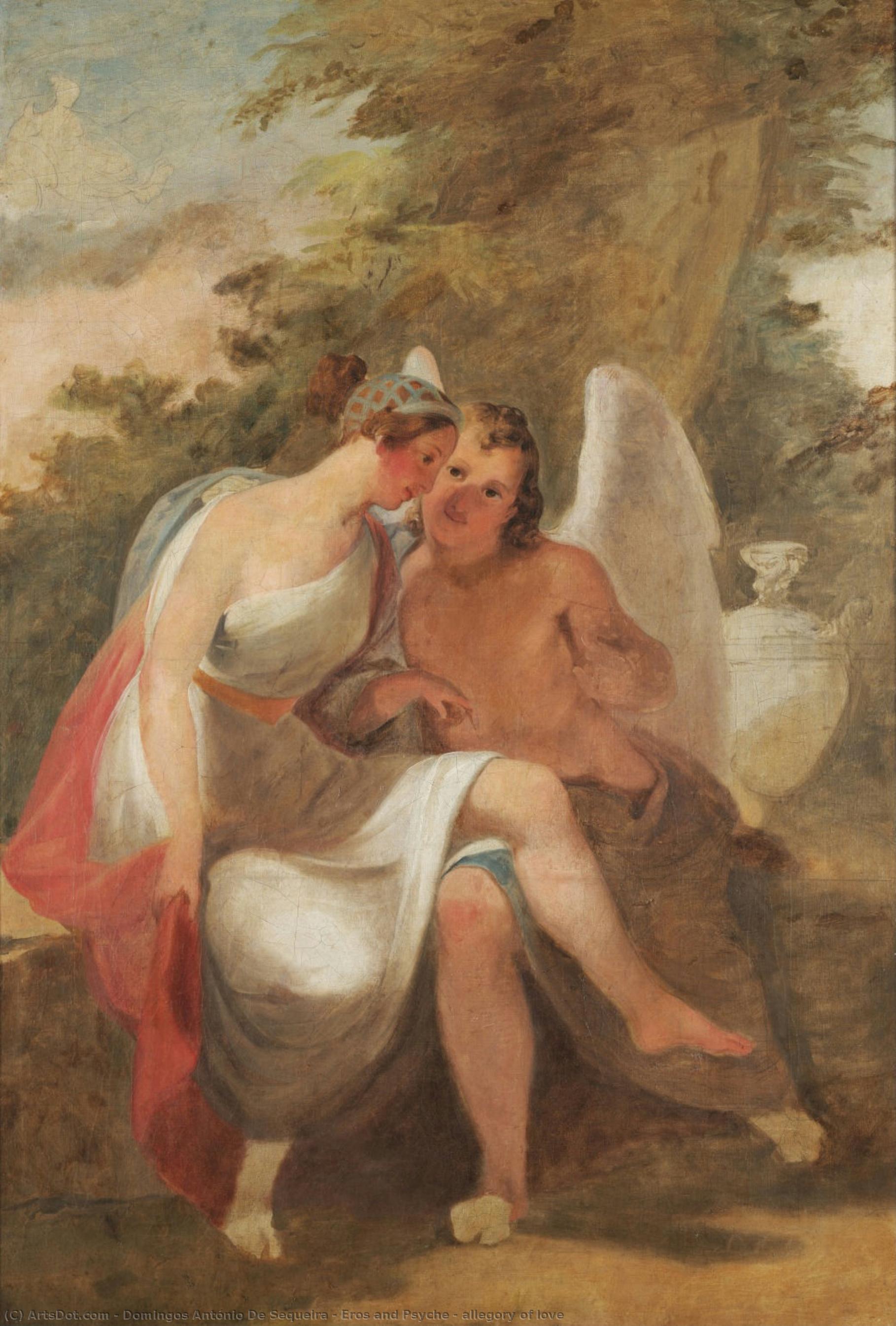
Eros and Psyche - allegory of love
 Oil On Canvas
- WallArt
- Baroque
 1812
1812- 19th Century
 127.0 x 86.0 cm
 Grão Vasco National Museum
 詳細を見る
詳細を見る
オンラインプレビューをはるかに凌ぐ、高解像度で鮮明なデジタル画像をご購入いただけます。
各ファイルは、社内の専門家が高度なツールと熟練した手作業によるレタッチを用いて、細心の注意を払って準備されています。すべての画像において、卓越した鮮明度、正確な色彩再現性、そして繊細なディテールを保証いたします。
最終ファイルは、プロフェッショナルな編集・印刷環境ですぐにご利用いただけるよう最適化された状態で、72時間以内にメールにてお届けいたします。これは、一流のデザインスタジオ、出版社、ギャラリーから信頼されているものと同等の品質です。
デジタル画像のご注文に付随する特典
高品質なデジタル画像配信を、確かな品質で。
ArtsDot.com を選ぶことは、単に画像を手に入れることではありません。それは、プロの手によって精密に仕上げられ、満足保証が付いた高品質なデジタルアートワークを受け取ることを意味します。ご注文いただいた際に自動的に付随する内容は、以下の通りです:

メールですぐにお届け
ご注文から72時間以内に、高解像度のデジタル画像ファイルがメールでお手元に届きます。すぐにそのままご利用いただけます。

AI技術で最適化されたデジタルファイル
お客様の作品は、高度なAIツールと専門家による手作業の編集を組み合わせてプロフェッショナルに最適化されており、細部のディテール、鮮明さ、そして正確な色再現性を最大限に引き出しています。

一生涯無料の再送サービス
ファイルを誤って削除したり、紛失してしまったりしましたか?ご安心ください。いつでも無料で再送いたします。

輸入手数料は一切かかりません
関税や手数料、配送料を気にすることなく、お気に入りのアートワークをすぐにお楽しみいただけます。デジタルダウンロードは常に免税です。

色彩再現の保証
プロ仕様のツールとカラーマネジメント技術を用いることで、デジタル画像が元の色を最大限に忠実に再現することを保証いたします。

60日間満足保証
ご購入いただいたデジタル画像にご満足いただけない場合は、60日以内であれば、修正または100%の返金(理由を問う必要はありません)をさせていただきます。

100% 返金保証
ご満足いただけない場合は、デジタルファイルを受け取ってから60日以内であれば、理由を問わず全額返金いたします。

まとめ買い割引
3枚購入で10%OFF - 5枚購入で15%OFF - 10枚以上購入で20%OFF。クリエイティブなプロジェクト、ギャラリー、エージェンシーに最適です。
A Moment of Tender Allegory: *Eros and Psyche* by Domingos António de Sequeira
Domingos António de Sequeira’s unfinished study, *Eros and Psyche*, offers a poignant glimpse into the burgeoning Romantic sensibility of early 19th-century Portugal. Executed in 1812, this work transcends a simple depiction of figures; it is an exploration of nascent emotion, a delicate dance between vulnerability and connection, rendered with a remarkable sensitivity to light and form. The painting’s immediate appeal lies in its intimate scene – a young woman seated on the ground, receiving support from an angel-like figure. This pairing, suggestive of the legendary Greek myth of Psyche and Eros, immediately invites contemplation on themes of love, devotion, and perhaps even unfulfilled desire.
- Subject Matter: The core narrative draws upon the classical tale of Psyche and Eros (Venus and Cupid), a story steeped in mythology concerning passionate love, transformation, and overcoming obstacles.
- Composition: Sequeira masterfully employs a pyramidal composition, anchoring the scene with the woman’s seated posture and directing the viewer's eye towards the angel’s offering of support. The subtle gestures – the hand reaching out, the pointed finger – amplify the sense of interaction and shared attention.
- Technique: The artist’s brushwork is characterized by loose, expressive strokes, particularly evident in the rendering of the background foliage and the woman's dress. This technique, combined with areas of undefined color, speaks to the painting’s unfinished state – a deliberate choice that adds to its raw emotional power and invites the viewer to complete the scene in their imagination.
The Influence of Canaletto: A Venetian Echo
Domingos António de Sequeira's work reveals a fascinating connection to the artistic legacy of Giovanni Antonio Canal, better known as Canaletto (1697-1768). While Canaletto is celebrated for his meticulously detailed *vedute* – views of cities – particularly Venice and London – Sequeira’s approach shares a similar emphasis on capturing atmospheric effects and the subtle nuances of light. The influence can be seen in the careful observation of form, the use of tonal gradations to create depth, and the overall sense of realism that permeates the painting. This connection highlights the broader artistic currents shaping European art during this period, demonstrating how ideas and techniques traveled across continents.
- Canaletto’s Legacy: Sequeira's work reflects Canaletto's dedication to portraying urban life with a keen eye for detail and an understanding of light's transformative power.
- Shared Techniques: Both artists employed similar brushwork techniques, prioritizing observation and rendering the effects of natural light on architectural forms.
Symbolism and Emotional Resonance
Beyond its mythological subject matter, *Eros and Psyche* is rich in symbolic meaning. The angel’s gesture – offering support to the young woman – represents protection, guidance, and perhaps even divine intervention. The woman's posture, both vulnerable and engaged, embodies the complexities of love and desire. The unfinished nature of the work further enhances its emotional impact, suggesting a moment of contemplation, hesitation, or perhaps the very beginning of an intense relationship. The inclusion of the white pot and the glimpse of blue sky adds to the idyllic setting, evoking feelings of serenity and hope.
- Allegorical Interpretation: The painting can be interpreted as an allegory for the transformative power of love – a journey from innocence to experience.
- Emotional Depth: Sequeira’s skillful use of composition and technique creates a palpable sense of intimacy and vulnerability, inviting viewers to connect with the emotional core of the scene.
A Timeless Masterpiece - Reproduction Details
This meticulously hand-painted reproduction captures the essence of Sequeira's original study, faithfully recreating its delicate beauty and evocative atmosphere. Printed on high-quality canvas using archival inks, this artwork is designed to last for generations. The dimensions of 127 x 86 cm make it suitable for a variety of interior spaces, from formal living rooms to intimate studies. Perfect for collectors seeking a piece of Portuguese Romanticism or for interior designers aiming to infuse their projects with a touch of timeless elegance and emotional depth.
関連作品


![L’enlèvement De Psyché [the Abduction Of Psyche] — オスカル・ペレイラ・ダ・シルヴァ, Academic Historicism](/media/artworks/images-thumb/5f/a0/5fa0456cb481bd203147aae9eef9336a.jpg)
作家の略歴
Giovanni Antonio Canal, Known as Canaletto: A Venetian Master of Light and City
Giovanni Antonio Canal, universally known as Canaletto (1697-1768), stands as a pivotal figure in the history of Western art. Born into a family steeped in theatrical design – his father was a scene painter – Canaletto’s artistic journey began not with grand commissions but with humble beginnings assisting his father and brother, crafting backdrops for Venetian opera houses. This early exposure to visual storytelling, combined with an innate observational skill, laid the foundation for his extraordinary career as a *veduta* painter, specializing in meticulously rendered views of Venice and later, London. His legacy rests not just on technical mastery but also on capturing the very essence of urban life – the play of light, the bustle of commerce, and the quiet dignity of everyday existence.
Canaletto’s artistic development was profoundly shaped by his Venetian surroundings. The city itself—a labyrinth of canals, bridges, and palazzi bathed in the unique quality of northern Italian light—provided an inexhaustible source of inspiration. Initially, he produced small-scale paintings for private patrons, intimate studies of architectural details and local scenes – works like “The Stonemason’s Yard” (circa 1727) exemplify this early period. These pieces demonstrate a remarkable attention to detail, a keen understanding of perspective, and an ability to imbue even the most mundane subjects with a sense of atmosphere. However, recognizing the lucrative potential of catering to the burgeoning tourist trade, Canaletto shifted his focus towards larger-scale, more elaborate *vedute* designed for sale to visitors. This shift didn’t represent a decline in quality; rather, it showcased his ability to synthesize observation and artistic skill into commercially successful works.
The Rise of the Workshop and the ‘Formulaic’ Painting
As Canaletto's fame grew, he increasingly relied on a workshop system to meet the demands of a rapidly expanding market. While he remained the principal designer and oversaw the overall composition and color palette, his assistants – notably his nephew Bernardo Bellotto – executed much of the painting process. This collaborative approach allowed Canaletto to produce an astonishing volume of work, documenting Venice’s architectural evolution and capturing its vibrant social life. These later works, often depicting grand ceremonies or public events like “Regatta on the Grand Canal” (1730), are characterized by their polished surfaces, bright colors, and a certain degree of schematic precision. Critics initially questioned the authenticity of these paintings, suggesting that Canaletto was merely a facilitator, relying on his assistants to carry out the actual painting. However, careful examination reveals Canaletto’s meticulous control over the design, color scheme, and overall aesthetic – he wasn't simply delegating; he was orchestrating.
A Journey North: London and Beyond
In 1746, at the invitation of Joseph “Consul” Smith, a wealthy British merchant and art collector, Canaletto embarked on a significant chapter in his career – a decade spent painting in England. This period marked a crucial evolution in his style. He moved beyond purely topographical representations, incorporating elements of *capriccio*, imaginary landscapes that blended real and invented features. His London paintings—including “Eton College” (1746) and views of Warwick Castle and Alnwick Castle – demonstrate a heightened sense of drama and an exploration of compositional possibilities. The English market proved exceptionally receptive to Canaletto’s work, fueled by Smith's astute business acumen and the patronage of King George III. The success in England solidified his reputation as one of Europe’s leading landscape painters.
Legacy and Influence
Canaletto’s impact on art history is undeniable. He elevated *veduta* painting to a new level of sophistication, establishing a standard for accuracy, detail, and atmospheric rendering that influenced generations of artists. His meticulous observation, combined with his artistic sensibility, created images that are not merely representations of reality but evocative glimpses into the soul of cities. Beyond his technical achievements, Canaletto’s work offers a unique window into 18th-century Venice and London—a testament to the enduring appeal of urban landscapes and the power of art to capture the spirit of a place and its people. His legacy continues to inspire artists today, reminding us of the beauty and complexity that can be found in the everyday world.
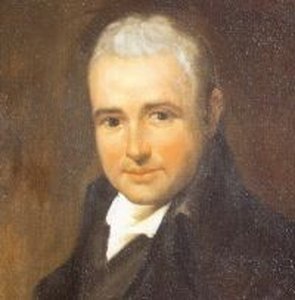
domingos antónio de sequeira
1768 - 1837 , Portugal
プロフィール概要
- Artistic Movement Or Style: Veduta painting
- Artists Or Movements Influenced By This Artist:
- William Marlow
- Samuel Scott
- Artists Who Influenced This Artist:
- Luca Carlevaris
- Bernardo Bellotto
- Date Of Birth: 18 October 1697
- Date Of Death: 19 April 1768
- Full Name: Giovanni Antonio Canal
- Nationality: Italian
- Notable Artworks:
- The Stonemason's Yard
- Regatta on the Grand Canal
- Eton College
- A View of Venice
- Place Of Birth: Venice, Italy

