

 プレビュー
プレビュー
 シェアする
シェアする シェアする
シェアする
 詳細を見る
詳細を見る

 ダウンロード
 似ている作品
 X線調査
X線調査 スライドショー
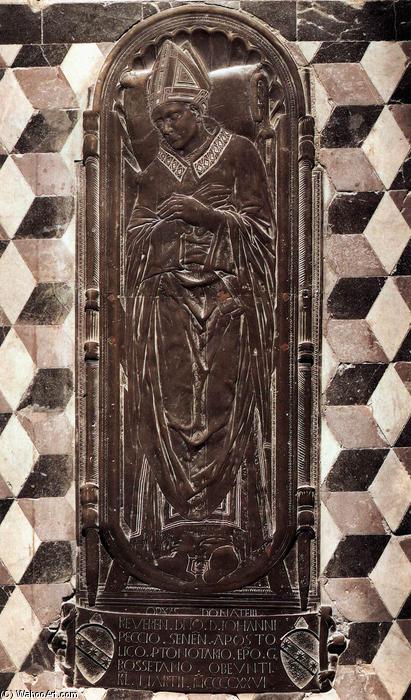
Tombstone of Bishop Giovanni Pecci
 Acrylic On Canvas
- WallArt
- Early Renaissance
 1426
1426 247.0 x 88.0 cm
 ドゥオーモ・ディ・シエナ
 詳細を見る
詳細を見る
ジークレー/アートプリント
迅速な制作と多彩な仕上げオプションを備えた、ミュージアムクオリティのジークレーまたはキャンバスプリント。 ( 手描きの絵画を購入 画像を購入)




P118B $10

P118H $10

P118W $10

P438Z $10

P508JH $12

P508YH $12

P805H $10

P805Z $10

P919BZ $10

P919G $10

P919XJ $10

P959ZH $10

P968JZ $12

W106C $8

W218G $10

W218JH $8

W218Y $10

W307PJ $10

W316G $10

W316PJ $8

W316Y $10

W398PJ $8

W4111J $10

W500HY $15

W500JH $15

W692G $12

W849H $8

W940BG $15

W953PJ $8




作品のオリジナル比率に合わせた、当店の規定サイズからお選びください。

特定のフレームやスペースに合わせて、ご自身でサイズを指定することも可能です。選択されたサイズが元の画像の比率と一致しない場合、作品をトリミングするか、鏡面反射または単色での塗りつぶしによって画像を拡張いたします。制作を開始する前に、ご確認用のデジタルモックアップをお送りいたします。
画面上のプレビューには、実際のトリミングや拡張は反映されませんのでご注意ください。最終的な構図を正確に確認できるのは、モックアップのみとなります。
カスタムサイズも承っておりますが、元の比率を維持するためには、あらかじめ用意されたリストからサイズを選択することをお勧めいたします。


 ガラスオプションは、110cm未満のサイズでのみご利用いただけます。

Tombstone of Bishop Giovanni Pecci
ジークレー/アートプリント
複製画のサイズ
-


合計金額
$ 62
作品詳細説明
The Bishop’s Silent Testament: Donatello's Tombstone of Giovanni Pecci
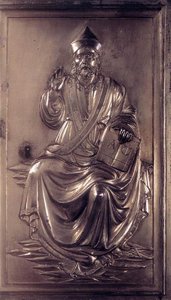
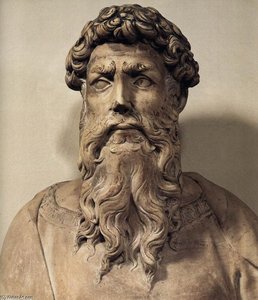
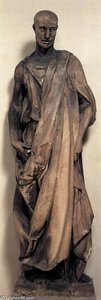
Within the echoing grandeur of Siena Cathedral resides a sculpture that transcends mere funerary art – it is, fundamentally, a meditation on life, death, and the enduring power of memory. Donatello’s “Tombstone of Bishop Giovanni Pecci,” crafted around 1427, isn't simply a depiction of a deceased cleric; it’s an exquisitely realized illusion, a carefully constructed stage for contemplation, and a testament to the artist’s mastery of both classical form and deeply human emotion. The piece immediately captivates with its remarkably lifelike portrayal of Pecci, lying supine within a concave bier, his face serene yet imbued with a palpable sense of repose. This isn't a static representation; Donatello deliberately manipulates perspective to draw the viewer into the scene, creating an intimate and almost unsettlingly realistic encounter with the departed bishop.
A Renaissance Masterpiece: Technique and Materials
Sculted in pristine white marble, the tomb’s surface is a marvel of technical precision. Donatello employed a technique known as “contrapposto,” positioning Pecci's body with a subtle shift in weight that lends him an air of naturalism and movement. The drapery, meticulously rendered, cascades around his form, suggesting both the formality of ecclesiastical attire and the vulnerability of human flesh. Crucially, Donatello utilized a shallow relief technique – a departure from the more deeply incised forms favored by his predecessors – which allowed for greater detail and luminosity within the marble itself. This choice dramatically enhanced the illusion of three-dimensionality, making the tomb appear as if it were an actual space containing a tangible figure. The use of polished marble further contributes to this effect, reflecting light and creating a sense of depth and atmosphere.
Symbolism and Context: A Bishop’s Legacy
The “Tombstone of Giovanni Pecci” is deeply rooted in the cultural and religious context of 15th-century Siena. Pecci, as bishop of Grosseto and apostolic protonotary, held a significant position within the city's ecclesiastical hierarchy. The tomb’s placement within the cathedral’s central choir – a location reserved for prominent figures – underscores his importance and reflects the community’s desire to honor his memory. Beyond its purely commemorative function, the sculpture is laden with symbolic meaning. The concave bier itself represents the embrace of death, while the serene expression on Pecci's face suggests acceptance and peace. The inclusion of a book in his hand—a common motif in funerary art—symbolizes his spiritual life and readiness for judgment. Interestingly, Donatello’s work also reflects humanist ideals prevalent during the Renaissance, emphasizing human dignity and individual worth even in death.
Beyond the Stone: The Viewer's Role
Donatello wasn’t merely creating a portrait of a deceased bishop; he was designing an experience. The artist meticulously positioned the tomb to be viewed from a specific angle, inviting the viewer to step into the scene and become an active participant in Pecci’s remembrance. This deliberate manipulation of perspective—a technique often referred to as “active viewing”—transforms the tomb into a stage for contemplation. The illusion of depth created by Donatello's masterful carving draws the eye inward, fostering a sense of intimacy and connection with the departed figure. The placement within the cathedral further amplified this effect, creating a sacred space where visitors could pause, reflect, and engage in a silent dialogue with Pecci’s memory. It is a powerful reminder that art, at its most profound, invites us to transcend the boundaries of time and space.
A Timeless Reflection: Reproduction and Appreciation
Reproductions of Donatello's “Tombstone of Bishop Giovanni Pecci” offer a remarkable opportunity to experience the artistry and emotional depth of this iconic sculpture. When selecting a reproduction, consider the materials used – high-quality archival paper and pigment are essential for capturing the nuances of color and texture. The scale of the reproduction should also be carefully considered, allowing you to appreciate the intricate details of Donatello’s carving. Whether displayed in a private residence or a public space, this artwork continues to resonate with viewers, serving as a poignant reminder of the enduring power of art to capture the essence of human experience and preserve our collective memory.

アーティストの略歴
生い立ちと初期のキャリア
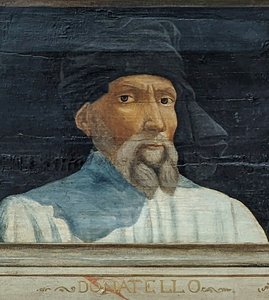
ドナート・ディ・ニコロ・ディ・ベット・バルディ、すなわちドナテッロとして知られる稀代の彫刻家は、1386年頃にイタリアのフィレンツェで産声を上げました。彼は古典彫刻の研鑽を積み、その学びは後の初期ルネサンス様式の確立に決定的な影響を与えることとなります。彼が切り拓いた芸術と文化への新たなアプローチは、やがてフィレンツェ・ルネサンスの象徴として、歴史に深く刻まれることとなりました。主要な作品と革新性
ドナテッロの最も名高い傑作『ダヴィデ』は、古代以来初となる、自立した裸体の男性彫刻でした。メディチ家からの依頼によって制作されたこの作品は、彼の革新的なスタイルと卓越した技術力を世に知らしめるものとなりました。他にも、彼の名を語る上で欠かせない重要な作品が数多く存在します:- サン・ルイ・ド・トゥールーズ(現在はサンタ・クローチェ聖堂美術館に収蔵):ドナテッロ自身がデザインした古典的な枠組みが特徴です。
- フィレンツェのサンタ・マリア・デル・フィオーレ大聖堂の鐘楼のために制作されたイサクの犠牲:力強い肖像細部が際立つ作品です。
- サンタ・クローチェのための磔刑像(1425年):キリストの苦悶の瞬間を鮮烈に描き出しています。
芸術的様式と遺産
ドナテッロの作風は、表現力の深化と古典的な記念碑性の追求という大きな段階を経て進化していきました。彼の革新的な試みは、当初からコミュニティに受け入れられたわけではありませんでしたが、やがて圧倒的な人気を博し、イタリア各地の宮廷やヨーロッパ全土の芸術家たちに多大な影響を与えることとなったのです。主要な芸術運動:私生活と制作スタイル
ドナテッロは親しみやすく、人々に愛される人物として知られていましたが、一方で芸術家としてのビジネス面においては、その才覚に欠ける一面もありました。彼は自身の手に負えないほどの依頼を引き受けてしまう傾向があり、そのため完成が遅れたり、他の彫刻家に制作を委ねたりすることも珍しくありませんでした。注目すべき作品と芸術家:美術館とコレクション
- コレッジャータ美術館(イタリア、エンポリ):ルネサンスの隠れた宝石とも言える場所であり、フランチェスコ・ボッティチーニやラファエロ・ボッティチーニの作品を収蔵しています。
- 初期イタリア・ルネサンス美術運動
ドナテッロ
1386 - 1466 , イタリア
基本情報
- Artistic Movement Or Style: 初期ルネサンス
- Artists Or Movements Influenced By This Artist:
- イタリア・ルネサンス
- 初期ルネサンス
- フィレンツェ・ルネサンス
- Artists Who Influenced This Artist: ['古典彫刻']
- Date Of Birth: 1386年頃
- Date Of Death: 1466年
- Full Name: ドナテッロ・ディ・ニコロ
- Nationality: イタリア
- Notable Artworks:
- ダヴィデ像
- トゥールーズの聖ルイ
- イサクの犠牲
- 磔刑像
- Place Of Birth: イタリア、フィレンツェ
関連記事

Bronze Sculptures That Defined Art History | ArtsDot
Journey through art history with our Top 10 bronze sculptures! Explore masterpieces by Rodin, Michelangelo & more. Discover stories behind iconic statues and find museum-quality reproductions for your home decor at ArtsDot.com.

The Enduring Form: Exploring Themes & Techniques in Sculpture Across Historical Periods
Explore the rich history of sculpture from ancient masterpieces to contemporary innovations. Discover key techniques, influential artists & investment potential for discerning art collectors.

Bronze Age to Modern Masters: 10 Sculptures That Redefined Art | ArtsDot
Journey through art history with 10 legendary bronze sculptures – from Michelangelo's David to Rodin’s Thinker. Explore the stories, techniques & timeless beauty of these masterpieces. Find museum-quality reproductions & elevate your home decor on ArtsDot.com.

The Enduring Form: Sculpture Across History, Technique & Emotional Resonance
Explore the rich history of sculpture with ArtsDot. Discover key techniques, influential artists & investment potential for discerning collectors. Expert insights into valuing and collecting timeless masterpieces.
青銅彫刻の永続的遺産:歴史、技法、そして現代における解釈
青銅彫刻の歴史、技法、現代における解釈を専門家が解説。古代から現代までの貴重な作品群を深く理解し、コレクションや投資に役立つ情報を提供します。美術品鑑定、修復についてもご紹介。

