

 プレビュー
プレビュー
 プリントを購入
 シェアする
シェアする シェアする
シェアする
 詳細を見る
詳細を見る

 ダウンロード
 似ている作品
 X線調査
X線調査 スライドショー
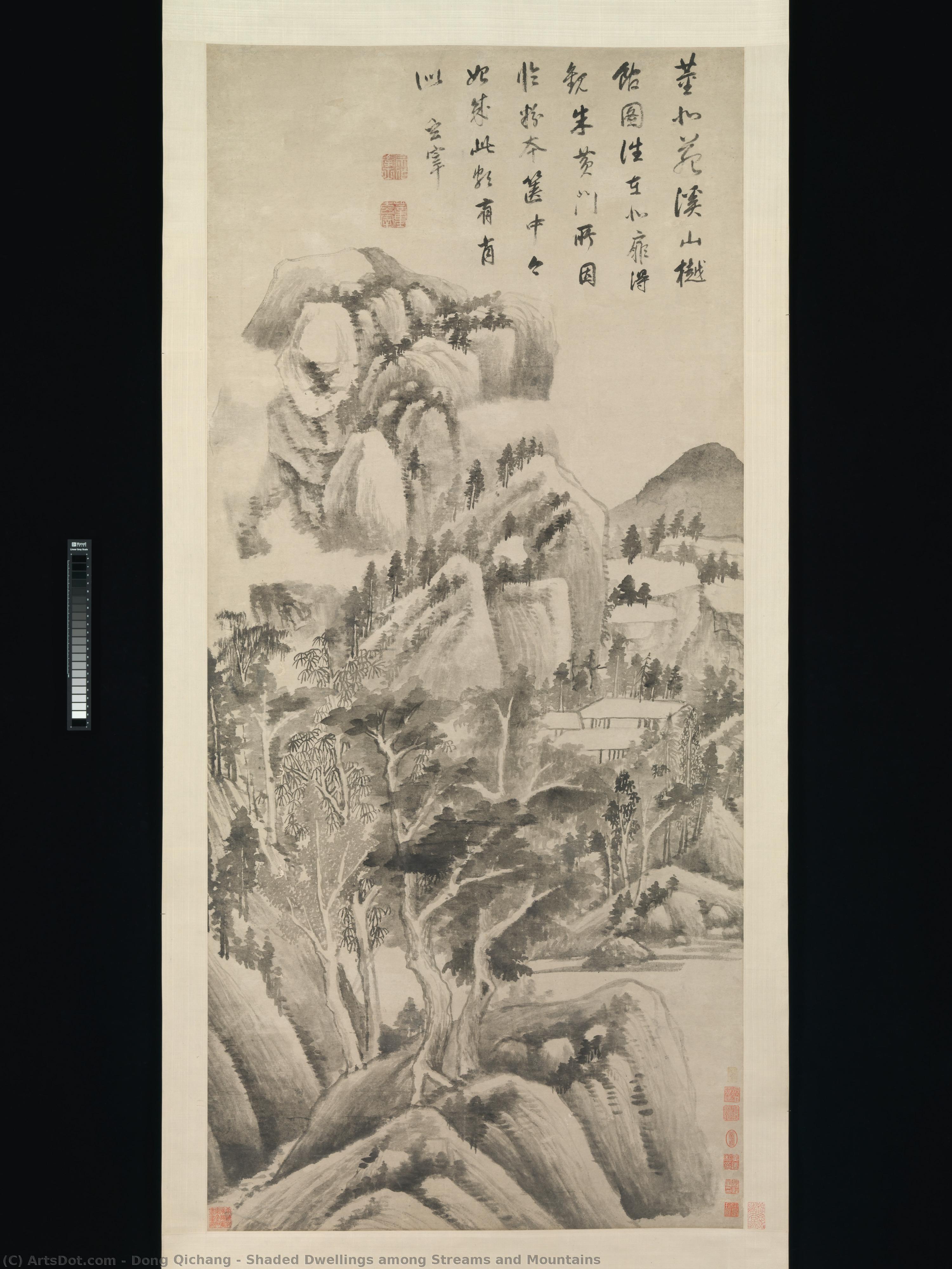
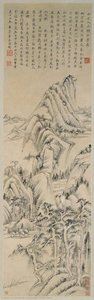
Shaded Dwellings among Streams and Mountains
 1622
1622 158.0 x 72.0 cm
 詳細を見る
詳細を見る
オンラインプレビューをはるかに凌ぐ、高解像度で鮮明なデジタル画像をご購入いただけます。
各ファイルは、社内の専門家が高度なツールと熟練した手作業によるレタッチを用いて、細心の注意を払って準備されています。すべての画像において、卓越した鮮明度、正確な色彩再現性、そして繊細なディテールを保証いたします。
最終ファイルは、プロフェッショナルな編集・印刷環境ですぐにご利用いただけるよう最適化された状態で、72時間以内にメールにてお届けいたします。これは、一流のデザインスタジオ、出版社、ギャラリーから信頼されているものと同等の品質です。
デジタル画像のご注文に付随する特典
高品質なデジタル画像配信を、確かな品質で。
ArtsDot.com を選ぶことは、単に画像を手に入れることではありません。それは、プロの手によって精密に仕上げられ、満足保証が付いた高品質なデジタルアートワークを受け取ることを意味します。ご注文いただいた際に自動的に付随する内容は、以下の通りです:

メールですぐにお届け
ご注文から72時間以内に、高解像度のデジタル画像ファイルがメールでお手元に届きます。すぐにそのままご利用いただけます。

AI技術で最適化されたデジタルファイル
お客様の作品は、高度なAIツールと専門家による手作業の編集を組み合わせてプロフェッショナルに最適化されており、細部のディテール、鮮明さ、そして正確な色再現性を最大限に引き出しています。

一生涯無料の再送サービス
ファイルを誤って削除したり、紛失してしまったりしましたか?ご安心ください。いつでも無料で再送いたします。

輸入手数料は一切かかりません
関税や手数料、配送料を気にすることなく、お気に入りのアートワークをすぐにお楽しみいただけます。デジタルダウンロードは常に免税です。

色彩再現の保証
プロ仕様のツールとカラーマネジメント技術を用いることで、デジタル画像が元の色を最大限に忠実に再現することを保証いたします。

60日間満足保証
ご購入いただいたデジタル画像にご満足いただけない場合は、60日以内であれば、修正または100%の返金(理由を問う必要はありません)をさせていただきます。

100% 返金保証
ご満足いただけない場合は、デジタルファイルを受け取ってから60日以内であれば、理由を問わず全額返金いたします。

まとめ買い割引
3枚購入で10%OFF - 5枚購入で15%OFF - 10枚以上購入で20%OFF。クリエイティブなプロジェクト、ギャラリー、エージェンシーに最適です。
作品の詳細
関連作品







作家の略歴
A Life Dedicated to Ink: The World of Dong Qichang
Dong Qichang (1555–1636) was more than just a painter; he was the embodiment of the late Ming dynasty scholar-official, a man whose life was inextricably woven with calligraphy, painting, and a profound dedication to art theory. Born in Huating, near modern Shanghai, into a modest scholarly family, Dong’s early ambition lay not in artistic pursuits but in securing a position within the imperial bureaucracy. His initial attempts at the civil service examinations proved unsuccessful, largely due to his perceived clumsiness in calligraphy – an irony considering he would later become celebrated as one of China's greatest calligraphers. This setback spurred him into rigorous self-improvement, mastering not only brushwork but also the rich traditions of Chinese literary and artistic expression.
Dong’s perseverance paid off when he passed the highest level of the imperial examinations at age 34, launching a career that saw him rise through the ranks of the Ming government. However, his official life was not without its turbulence. He faced controversies stemming from his uncompromising standards and occasionally abrasive personality, leading to periods of retirement and even an incident where his home was attacked by an angry mob after he reportedly insulted women seeking redress for grievances. Despite these challenges, Dong remained steadfast in his artistic pursuits, viewing them as integral to his identity and a means of expressing his deeply held philosophical beliefs.
The Two Schools and the Southern Ideal
Dong Qichang’s most enduring legacy lies not solely in his paintings but in his groundbreaking art theory. He posited a division within Chinese landscape painting into two distinct schools: the “Northern School” and the “Southern School.” This categorization, initially suggested by his friend Mo Shilong, wasn't based on geography but rather on philosophical underpinnings rooted in Chan Buddhism. The Northern School, he argued, emphasized meticulous detail, vibrant colors, and a gradual acquisition of skill – focusing on technical proficiency and appealing to broader tastes. In contrast, the Southern School prioritized expressive brushwork, calligraphic spontaneity, and an intuitive grasp of essence, embodying the spirit of scholar-amateurs who painted for self-cultivation rather than commercial gain.
He championed the Southern School as the true heir to Chinese artistic tradition, believing its practitioners achieved a more profound understanding through direct expression. Central to this ideal was calligraphy itself – seen not merely as decorative writing but as a manifestation of the artist’s inner character and spiritual state. Dong admired masters like Mi Fu and Ni Zan, viewing them as exemplars of this individualistic style. He believed that artists should build upon the foundations laid by these predecessors, transforming tradition rather than simply imitating it, achieving a form of “sudden enlightenment” through their work.
A Unique Landscape Style: Distortion and Expression
Dong Qichang’s own paintings reflect his theoretical convictions. He deliberately avoided slickness or sentimentality, opting instead for landscapes characterized by intentionally distorted spatial features and a focus on expressive brushwork. While rooted in the traditions of earlier Yuan dynasty masters – particularly the “Four Masters” – his work was distinctly personal. He wasn't striving for photographic realism but rather for an evocation of atmosphere, mood, and spiritual resonance.
His sketchbook, containing early studies of rocks and trees, provides a rare glimpse into his analytical process. These deceptively simple sketches reveal his meticulous observation of nature and his exploration of different compositional possibilities. Mature works like “Autumn Mountains” showcase his masterful ink wash technique, creating serene landscapes that invite contemplation. His paintings often feature towering mountains shrouded in mist, winding rivers, and sparsely populated scenes – all rendered with a delicate balance of control and spontaneity.
Legacy and Influence
Dong Qichang’s influence on subsequent generations of Chinese artists was profound. His theories regarding the Northern and Southern schools became deeply ingrained in aesthetic discourse, shaping the direction of landscape painting for centuries to come. He inspired a wave of “individualist” painters who sought to emulate his expressive style and philosophical approach.
The early Qing dynasty witnessed the rise of several prominent artists – including the “Four Monks” and the “Four Wangs” – who were directly influenced by Dong’s work. Collectors, particularly those in affluent regions like Sungchiang and Yangchou, eagerly sought out his paintings and those of his followers, further solidifying his reputation as a master. Even today, Dong Qichang is revered as one of the most important figures in Chinese art history – a scholar-official whose dedication to ink and brush transformed not only painting but also the very way artists understood their place within tradition.
- Major Themes: Scholar culture, Chan Buddhism, landscape aesthetics, individual expression
- Influences: Zhao Mengfu, Wen Zhengming, Mi Fu, Ni Zan, Yuan Dynasty Masters
- Key Characteristics: Distorted spatial features, expressive brushwork, ink wash technique, calligraphic spontaneity
dong qichang
1555 - 1636
プロフィール概要
- Artistic Movement Or Style: Literati painting
- Artists Or Movements Influenced By This Artist:
- Qing Dynasty artists
- Individualist painters
- Artists Who Influenced This Artist:
- Zhao Mengfu
- Wen Zhengming
- Mi Fu
- Ni Zan
- Date Of Birth: 1555
- Date Of Death: 1636
- Full Name: Dong Qichang
- Nationality: Chinese
- Notable Artworks:
- Autumn Mountains
- Shaded Dwellings
- Landscapes and Poems
- Place Of Birth: Huating, China

