

 プレビュー
プレビュー
 プリントを購入
 シェアする
シェアする シェアする
シェアする
 詳細を見る
詳細を見る

 ダウンロード
 似ている作品
 X線調査
X線調査 スライドショー
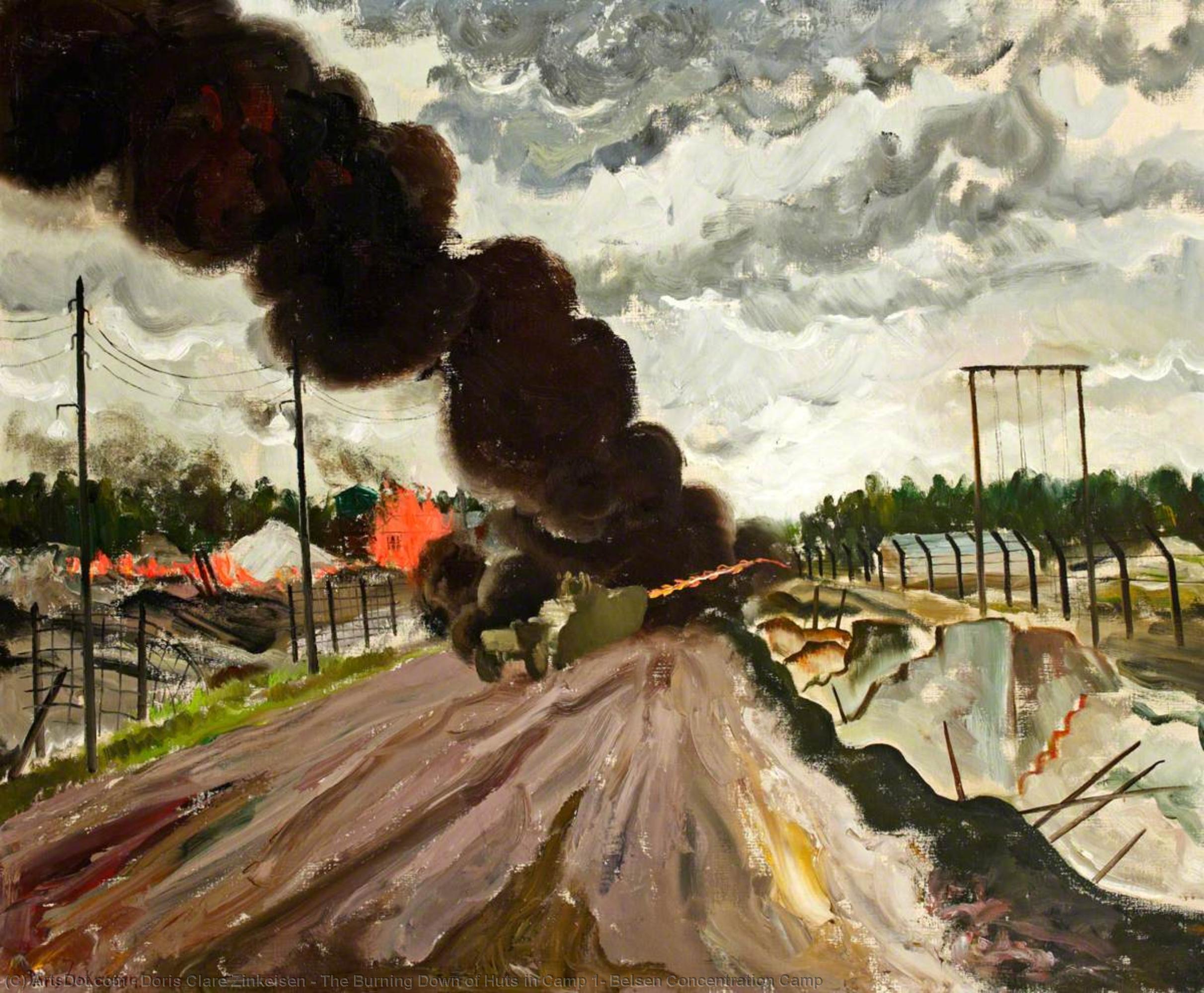
The Burning Down of Huts in Camp 1, Belsen Concentration Camp
 Expressionism
 1945
1945 65.0 x 80.0 cm
 詳細を見る
詳細を見る
オンラインプレビューをはるかに凌ぐ、高解像度で鮮明なデジタル画像をご購入いただけます。
各ファイルは、社内の専門家が高度なツールと熟練した手作業によるレタッチを用いて、細心の注意を払って準備されています。すべての画像において、卓越した鮮明度、正確な色彩再現性、そして繊細なディテールを保証いたします。
最終ファイルは、プロフェッショナルな編集・印刷環境ですぐにご利用いただけるよう最適化された状態で、72時間以内にメールにてお届けいたします。これは、一流のデザインスタジオ、出版社、ギャラリーから信頼されているものと同等の品質です。
デジタル画像のご注文に付随する特典
高品質なデジタル画像配信を、確かな品質で。
ArtsDot.com を選ぶことは、単に画像を手に入れることではありません。それは、プロの手によって精密に仕上げられ、満足保証が付いた高品質なデジタルアートワークを受け取ることを意味します。ご注文いただいた際に自動的に付随する内容は、以下の通りです:

メールですぐにお届け
ご注文から72時間以内に、高解像度のデジタル画像ファイルがメールでお手元に届きます。すぐにそのままご利用いただけます。

AI技術で最適化されたデジタルファイル
お客様の作品は、高度なAIツールと専門家による手作業の編集を組み合わせてプロフェッショナルに最適化されており、細部のディテール、鮮明さ、そして正確な色再現性を最大限に引き出しています。

一生涯無料の再送サービス
ファイルを誤って削除したり、紛失してしまったりしましたか?ご安心ください。いつでも無料で再送いたします。

輸入手数料は一切かかりません
関税や手数料、配送料を気にすることなく、お気に入りのアートワークをすぐにお楽しみいただけます。デジタルダウンロードは常に免税です。

色彩再現の保証
プロ仕様のツールとカラーマネジメント技術を用いることで、デジタル画像が元の色を最大限に忠実に再現することを保証いたします。

60日間満足保証
ご購入いただいたデジタル画像にご満足いただけない場合は、60日以内であれば、修正または100%の返金(理由を問う必要はありません)をさせていただきます。

100% 返金保証
ご満足いただけない場合は、デジタルファイルを受け取ってから60日以内であれば、理由を問わず全額返金いたします。

まとめ買い割引
3枚購入で10%OFF - 5枚購入で15%OFF - 10枚以上購入で20%OFF。クリエイティブなプロジェクト、ギャラリー、エージェンシーに最適です。
関連作品
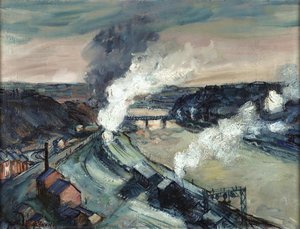
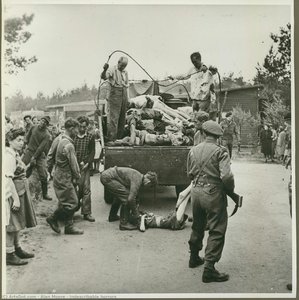
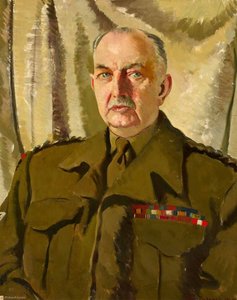
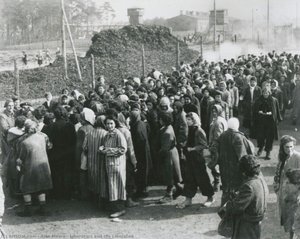
作家の略歴
A Life Painted in Many Hues: The World of Doris Clare Zinkeisen
Doris Clare Zinkeisen, a name perhaps less instantly recognizable than some of her contemporaries, nevertheless represents a fascinating intersection of artistic talent, commercial acumen, and wartime documentation. Born in 1898 in the picturesque Scottish coastal village of Roseneath, Argyll, into a family that nurtured creativity – her father, Victor Zinkeisen, was an amateur artist himself – Doris embarked on a journey that would see her excel as a painter, theatrical designer, commercial artist, and ultimately, a poignant chronicler of a world at war. Her story is one of versatility, resilience, and a quiet determination to leave her mark on the cultural landscape of the 20th century. The family’s move to Pinner near Harrow in 1909 proved pivotal, providing access to artistic education that would shape Doris's future. Her early training at Harrow School of Art laid a solid foundation, culminating in a scholarship to the prestigious Royal Academy Schools alongside her sister, Anna Katrina Zinkeisen, who also forged a successful career as an artist. This shared artistic upbringing fostered not competition, but collaboration and mutual support throughout their lives.From Stagecraft to Society Portraits: A Blossoming Career
The 1920s and 30s witnessed Doris Zinkeisen’s ascent in the London art scene. Sharing a studio with her sister, she deftly navigated the worlds of fine art and commercial design. Her painting style quickly established itself as realist, perfectly suited to the demands of society portraiture – capturing the elegance and refinement of the era's elite. Equestrian portraits also became a specialty, showcasing her skill in depicting both human and animal form with grace and precision. However, Zinkeisen’s talents extended far beyond the canvas. She found considerable success as a theatrical designer, becoming chief costume and scenery artist for Charles B. Cochran’s celebrated London revues. This role allowed her to indulge her flair for spectacle and innovation, contributing significantly to the vibrant atmosphere of British theatre during its golden age. Her designs weren't limited to revues; she also collaborated with Noel Coward on productions like *On with the Dance* and *Nymph Errant*, demonstrating a remarkable versatility that few artists could match. Simultaneously, Zinkeisen’s commercial work flourished. She created striking advertising posters for British railway companies – LNER, SR, LMS – capturing the romance of travel and the allure of destinations near and far. Perhaps most famously, she and Anna were commissioned to create murals for the Verandah Grill on the RMS Queen Mary, depicting lively circus and theatre scenes that remain a cherished part of the ship’s Art Deco interior today. These murals stand as testaments to her ability to blend artistic vision with large-scale decorative projects.Bearing Witness: Zinkeisen and the Shadow of War
The outbreak of World War II dramatically shifted the focus of Doris Zinkeisen's artistry. While she continued to contribute to theatrical design, a profound sense of duty led her to document the conflict and its aftermath. In 1944, alongside her sister Anna, she accepted a commission from United Steel Companies to create twelve paintings illustrating the contributions of British industry to the war effort. These works were widely reproduced in trade publications across several countries and later compiled into the book *This Present Age* (1946), serving as powerful visual propaganda highlighting national resilience. However, it was her work with the British Red Cross that truly defined her wartime contribution. Zinkeisen traveled throughout Europe, sketching scenes of relief efforts and the devastating consequences of conflict. Her most harrowing – and arguably most important – paintings documented the liberation of Bergen-Belsen concentration camp in 1945. These images are not merely historical records; they are deeply moving testaments to human suffering and the tireless work of those who sought to alleviate it. The stark realism with which she depicted the emaciated survivors and the overwhelming scale of the tragedy cemented her place as a significant war artist, offering a visual record that continues to resonate today.Recognition and Legacy: A Lasting Impression
Throughout her career, Doris Clare Zinkeisen received considerable recognition for her artistic achievements. She exhibited at the Royal Academy, the Royal Society of Portrait Painters, in Paris, and even in the United States, garnering accolades along the way – including bronze, silver, and gold medals from the Paris Salon. She was elected a member of the Royal Institute of Oil Painters (ROI) by 1929, solidifying her standing within the British art establishment. Beyond awards and exhibitions, Zinkeisen’s legacy lies in the breadth of her artistic output and her ability to seamlessly transition between different mediums and styles. She challenged gender norms within a predominantly male-dominated art world, proving that women could excel in both fine art and commercial design. Her wartime paintings remain particularly significant, providing invaluable historical documentation and serving as a powerful reminder of the horrors of war and the importance of humanitarian aid. Today, her work is increasingly recognized for its artistic merit and historical value, ensuring that Doris Clare Zinkeisen’s contributions to British art and culture will continue to be celebrated for generations to come. Her paintings are not just images; they are windows into a bygone era, offering glimpses of elegance, resilience, and the enduring power of the human spirit.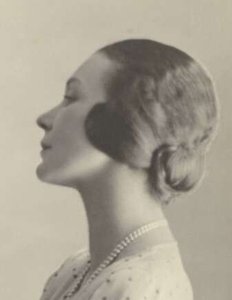
Doris Clare Zinkeisen
1898 - 1991

