

 シェアする
シェアする シェアする
シェアする
 詳細を見る
詳細を見る

 ダウンロード
 似ている作品
 スライドショー
 Stats
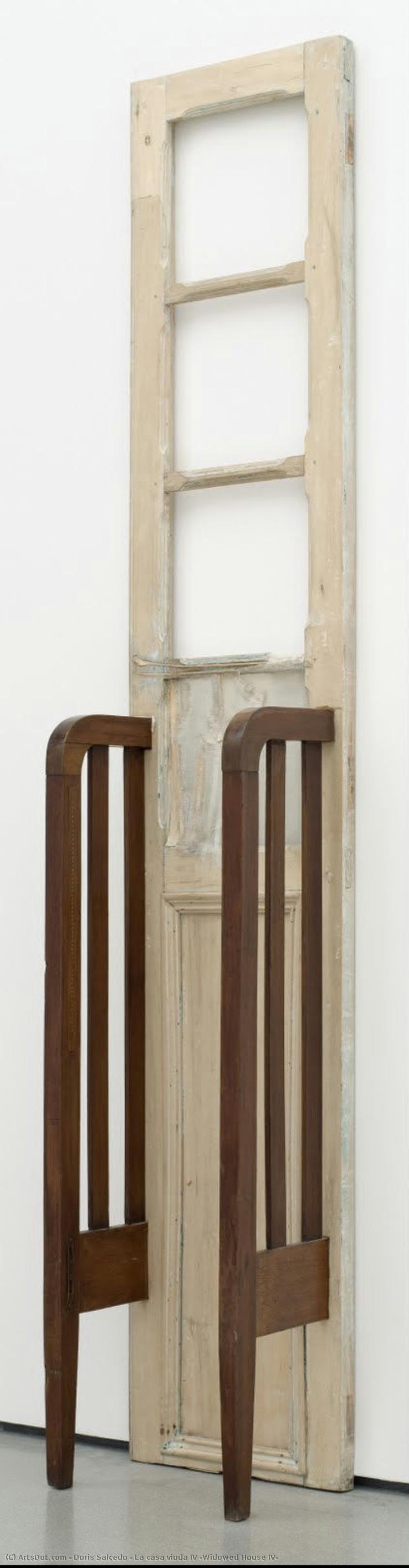
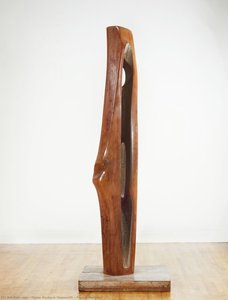
StatsLa casa viuda IV (Widowed House IV)
 Sculpture
- Sculpture
- Contemporary Sculpture
 1994
1994 59.0 x 33.0 cm
 MoMA(ニューヨーク近代美術館)
 詳細を見る
詳細を見る
ジークレー/アートプリント
迅速な制作と多彩な仕上げオプションを備えた、ミュージアムクオリティのジークレーまたはキャンバスプリント。 ( 手描きの絵画を購入 Switch to Digital Image)




































作品のオリジナル比率に合わせた、当店の規定サイズからお選びください。

特定のフレームやスペースに合わせて、ご自身でサイズを指定することも可能です。選択されたサイズが元の画像の比率と一致しない場合、作品をトリミングするか、鏡面反射または単色での塗りつぶしによって画像を拡張いたします。制作を開始する前に、ご確認用のデジタルモックアップをお送りいたします。
画面上のプレビューには、実際のトリミングや拡張は反映されませんのでご注意ください。最終的な構図を正確に確認できるのは、モックアップのみとなります。
カスタムサイズも承っておりますが、元の比率を維持するためには、あらかじめ用意されたリストからサイズを選択することをお勧めいたします。


 ガラスオプションは、110cm未満のサイズでのみご利用いただけます。

La casa viuda IV (Widowed House IV)
ジークレー/アートプリント
複製画のサイズ
-


合計金額
$ 62
The Weight of Absence: Introducing Doris Salcedo’s “La Casa Viuda IV”
Doris Salcedo's "La Casa Viuda IV" (Widowed House IV), a monumental sculpture created in 1994, isn’t merely an artwork; it’s a visceral embodiment of loss and the enduring scars left by conflict. Born in Bogota, Colombia, during a period of intense political upheaval – a time when her father disappeared amidst the violence of the armed struggle – Salcedo's artistic trajectory is inextricably linked to themes of displacement, memory, and the profound silence that follows trauma. This particular piece, part of a larger series exploring the concept of “widowed houses,” transcends simple representation; it’s an invitation to confront uncomfortable truths about human suffering and the fragmented nature of identity.
A Structure of Memory: Form and Technique
The sculpture itself is deceptively simple in its construction. Salcedo utilizes a meticulously crafted wooden ladder, leaning against a wall, the very foundation of this evocative space. Upon this precarious perch rests a bed – not a luxurious one, but a stark, functional form constructed from wood and fabric. The deliberate austerity of the materials—raw timber, unadorned linen—contrasts sharply with the implied domesticity of the scene. This juxtaposition immediately establishes a sense of unease, suggesting a home stripped bare, reduced to its essential components. The ladder’s angle, slightly off-kilter, contributes to this feeling of instability and vulnerability. Salcedo's technique is characterized by an almost surgical precision; each element is carefully considered, contributing to the overall impact with quiet intensity.
Echoes of Colombia: Historical Context and Symbolism
To fully appreciate “La Casa Viuda IV,” it’s crucial to understand its roots within the turbulent history of Colombia. The late 1980s and early 1990s witnessed a brutal civil war, marked by disappearances, massacres, and widespread violence against civilians. Salcedo's work directly responds to this context, referencing the countless homes shattered and families torn apart. The ladder represents not just a means of access but also a fragile connection—a precarious pathway between life and death, presence and absence. The bed symbolizes the remnants of domesticity, a space for mourning and remembrance. The very act of placing a bed atop a leaning ladder speaks volumes about the disruption of everyday routines and the imposition of violence upon the sanctity of the home.
Beyond Representation: An Emotional Resonance
Unlike many artists who attempt to directly depict the horrors of conflict, Salcedo avoids overt symbolism. Instead, she creates an atmosphere of profound sadness and quiet contemplation. “La Casa Viuda IV” doesn’t scream its message; it whispers it through the careful arrangement of materials and the subtle suggestion of loss. The sculpture invites viewers to project their own experiences of grief and trauma onto the scene, fostering a deeply personal connection. It's a reminder that violence leaves indelible marks—not just on physical landscapes but also on the collective psyche. The piece’s enduring power lies in its ability to evoke a sense of vulnerability and empathy, prompting us to confront the uncomfortable realities of human suffering and the long-lasting consequences of conflict. Its stark simplicity belies a complex emotional landscape, making it a truly unforgettable work of art.
関連作品
アーティストの略歴
Doris Salcedo: Sculpting Absence and Bearing Witness
Born in the vibrant yet turbulent landscape of Bogota, Colombia, in 1958, Doris Salcedo has emerged as one of the most profound voices in contemporary sculpture. Her work does not merely represent history; it inhabits the hollow spaces left behind by tragedy. To encounter a Salcedo installation is to confront the visceral reality of loss, displacement, and the enduring scars of political violence. Her practice is deeply rooted in her personal connection to the Colombian conflict, particularly the haunting disappearance of her father, an experience that instilled in her a lifelong sensitivity to the themes of absence and the fragility of human existence.
Salcedo’s artistic evolution is marked by a transition from exploring individual vulnerability to addressing collective trauma. Influenced by the raw, organic textures of artists such as Louise Bourgeois and Eva Hesse, she developed a language that speaks through the weight of silence. Her early explorations into sculptural forms mirrored the instability of a society in flux, yet it was her unique ability to manipulate the mundane that truly defined her mastery. She does not seek to create monuments of glory, but rather memorials of grief, turning the gaze toward those who have been erased from the historical record.
The Alchemy of the Everyday: Material and Symbolism
What distinguishes Salcedo from her contemporaries is her profound engagement with the material world. She possesses a singular ability to transform commonplace, domestic objects into potent symbols of mourning. By utilizing items such as wooden furniture, clothing, concrete slabs, and even rose petals, she bridges the gap between the private sphere of the home and the public sphere of political upheaval. Her technique involves a deliberate disruption of the object's original function, often through:
- Perforations and Incisions: Creating wounds within solid materials to mirror the physical and psychological trauma inflicted by violence.
- Encapsulation: Using substances like concrete or wax to trap objects, effectively freezing a moment of loss in time.
- Repurposing: Taking items with deep personal histories, such as worn shoes or old clothing, and recontextualizing them within larger, often overwhelming, installations.
In works like Atrabiliarios, Salcedo uses repurposed shoes encased in niches of drywall, creating a haunting dialogue between the traces of human presence and the cold, impenetrable barrier of the wall. This method forces the viewer to acknowledge the individual lives that have been disrupted, turning the act of looking into an act of remembrance.
A Legacy of Memory and Human Rights
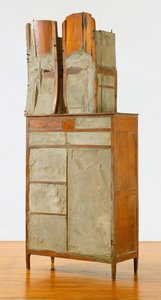
The historical significance of Doris Salcedo lies in her ability to make the invisible visible. Her sculptures serve as a form of "counter-monumentality," resisting the urge to celebrate power and instead focusing on the quiet, persistent ache of those left behind. Through pieces such as La Casa Viuda IV, she evokes the profound sense of displacement felt by millions during Colombia’s period of intense conflict, turning wooden structures into meditations on the loss of home and identity.
Her achievements extend far beyond the gallery walls, as her work has become a vital component of the global conversation regarding human rights and social justice. By elevating the debris of daily life to the level of high art, she ensures that the victims of political violence are not forgotten by history. Salcedo’s legacy is one of profound empathy, reminding us that while violence may attempt to erase individuals, the traces they leave behind—in the objects they touched and the spaces they inhabited—remain as indelible witnesses to their existence.
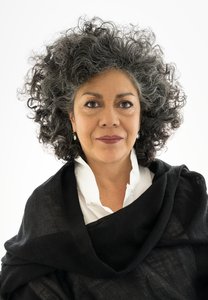
Doris Salcedo
1958 - , Colombia
基本情報
- Artistic Movement Or Style: Contemporary Sculpture
- Artists Or Movements Influenced By This Artist: ['']
- Artists Who Influenced This Artist: ['']
- Date Of Birth: 1958
- Full Name: Doris Salcedo
- Nationality: Colombian
- Notable Artworks:
- años de la pérdida
- La casa viuda IV
- Atrabiliarios
- Place Of Birth: Bogota, Colombia
関連記事

The Enduring Form: Sculpture Across History, Technique & Emotional Resonance
Explore the rich history of sculpture with ArtsDot. Discover key techniques, influential artists & investment potential for discerning collectors. Expert insights into valuing and collecting timeless masterpieces.

The Enduring Form: Exploring Themes & Techniques in Sculpture Across Historical Periods
Explore the rich history of sculpture from ancient masterpieces to contemporary innovations. Discover key techniques, influential artists & investment potential for discerning art collectors.
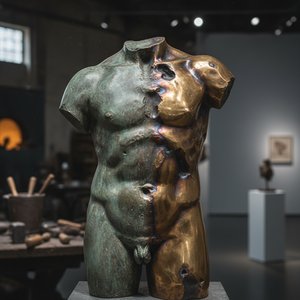
青銅彫刻の永続的遺産:歴史、技法、そして現代における解釈
青銅彫刻の歴史、技法、現代における解釈を専門家が解説。古代から現代までの貴重な作品群を深く理解し、コレクションや投資に役立つ情報を提供します。美術品鑑定、修復についてもご紹介。

Bronze Age to Modern Masters: 10 Sculptures That Redefined Art | ArtsDot
Journey through art history with 10 legendary bronze sculptures – from Michelangelo's David to Rodin’s Thinker. Explore the stories, techniques & timeless beauty of these masterpieces. Find museum-quality reproductions & elevate your home decor on ArtsDot.com.

Bronze Sculptures That Defined Art History | ArtsDot
Journey through art history with our Top 10 bronze sculptures! Explore masterpieces by Rodin, Michelangelo & more. Discover stories behind iconic statues and find museum-quality reproductions for your home decor at ArtsDot.com.