

 プレビュー
プレビュー
 プリントを購入
 シェアする
シェアする シェアする
シェアする
 詳細を見る
詳細を見る

 ダウンロード
 似ている作品
 X線調査
X線調査 スライドショー
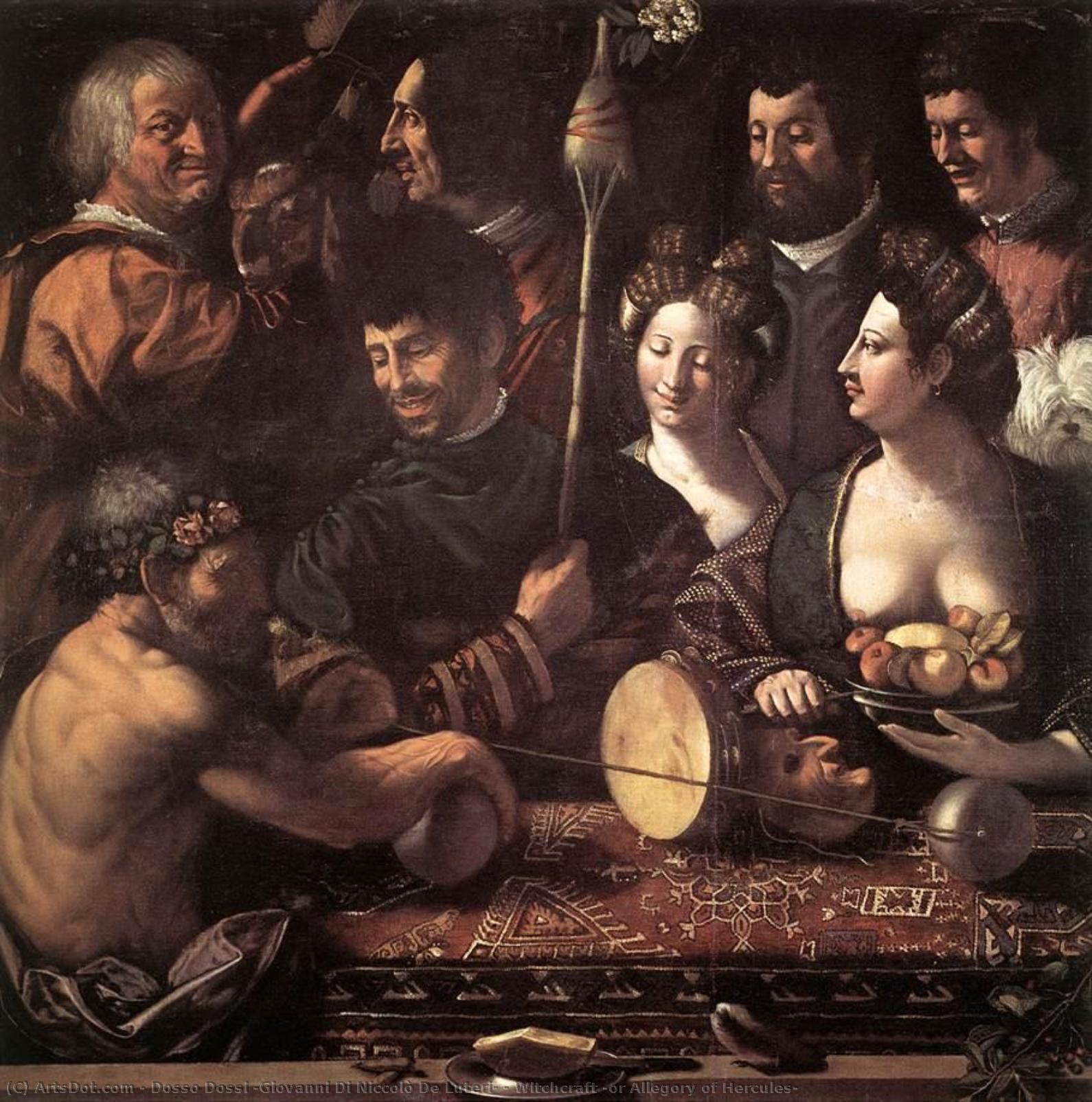
Witchcraft (or Allegory of Hercules)


 詳細を見る
詳細を見る




P118B $10

P118H $10

P118W $10

P438Z $10

P508JH $12

P508YH $12

P805H $10

P805Z $10

P919BZ $10

P919G $10

P919XJ $10

P959ZH $10

P968JZ $12

W106C $8

W218G $10

W218JH $8

W218Y $10

W307PJ $10

W316G $10

W316PJ $8

W316Y $10

W398PJ $8

W4111J $10

W500HY $15

W500JH $15

W692G $12

W849H $8

W940BG $15

W953PJ $8




作品のオリジナル比率に合わせた、当店の規定サイズからお選びください。

特定のフレームやスペースに合わせて、ご希望のサイズをご入力いただけます。選択されたサイズが元の画像の比率と異なる場合、アートワークをトリミングするか、手描きで要素を追加して絵画を拡張いたします。デジタルモックアップ を制作し、制作開始前にご確認(承認)をいただきます。
画面上のプレビューは、実際のトリミングや拡張を正確に反映しているものではありません。最終的な構図は、モックアップによってのみ正確にご確認いただけます。
カスタムサイズもご利用いただけますが、元の比率を維持するためには、あらかじめ用意されたリストからサイズを選択することをお勧めいたします。
ご注文後、ArtsDot.com チームより詳細な指示をお送りするとともに、仕上がりイメージ(モックアップ)をご提供いたします。


 ガラスオプションは、110cm未満のサイズでのみご利用いただけます。

Witchcraft (or Allegory of Hercules)
複製技法
複製画のサイズ
-


合計金額
$ 263
Dosso Dossi’s “Witchcraft” (Allegory of Hercules): A Renaissance Dreamscape
Dosso Dossi’s “Witchcraft,” more accurately known as the “Allegory of Hercules,” is not merely a painting; it's an invitation into a meticulously crafted dream. Completed around 1535 in Ferrara, Italy—a city then pulsating with humanist fervor and artistic innovation—this oil on canvas transports us to a realm where mythology intertwines with allegory, and the familiar bends towards the subtly unsettling. The work resides within the Uffizi Gallery in Florence, a testament to its enduring appeal and historical significance.
At first glance, the scene appears deceptively simple: a group of figures gathered around a table laden with objects – bowls overflowing with fruit, an apple, a banana, a wine glass, and even a bird perched delicately on a nearby branch. However, beneath this seemingly convivial gathering lies a complex web of symbolism, deeply rooted in Renaissance thought and the patronage of the Este dukes of Ferrara. The painting’s original title, “Stregoneria” (Witchcraft), hints at its primary function as a satirical commentary on the anxieties surrounding female power and knowledge during that era.
A Masterclass in Venetian-Inspired Technique
Dossi's style is immediately recognizable as belonging to the School of Ferrara, an artistic collective that distinguished itself by rejecting the rigid realism favored by earlier Renaissance painters. Instead, they embraced a more atmospheric approach, prioritizing luminous color palettes and evocative brushwork—a direct influence from the Venetian masters like Giorgione and Titian. Notice how Dossi employs *sfumato*, a technique of blurring outlines and softening edges, creating an ethereal quality that envelops the scene. The colors are rich and vibrant, yet subtly muted, lending the painting a dreamlike haze. He masterfully uses light to sculpt forms and create a sense of depth, drawing the viewer into this intimate tableau.
The composition itself is carefully orchestrated. The figures are arranged in a loose, informal manner, suggesting a moment of relaxed conversation—yet their gestures and expressions hint at hidden meanings. The placement of objects on the table – the apple, often associated with temptation and knowledge; the banana, representing fertility and abundance; the wine glass, symbolizing conviviality and indulgence – all contribute to the painting’s layered symbolism.
Decoding the Allegory: Power, Knowledge, and Female Agency
The central figure, often interpreted as a representation of Fortuna (the Roman goddess of fortune), is depicted holding a cornucopia overflowing with symbols of prosperity. However, her gaze is averted, suggesting a certain detachment or perhaps even a veiled warning. The presence of the bird, frequently associated with wisdom and prophecy, further complicates the scene. The painting’s title, “Witchcraft,” reflects the prevailing societal fears surrounding women who possessed knowledge—particularly those who practiced herbal remedies or were perceived as having an affinity for the natural world.
It's crucial to understand that "Witchcraft" wasn't simply a condemnation of female power. Rather, it served as a subtle critique of the restrictive social roles imposed upon women during the Renaissance. The painting’s ambiguity invites viewers to contemplate the complexities of female agency and the inherent tensions between knowledge, power, and societal expectations. The figures are not presented as villains but rather as participants in a complex dance of influence and control.
A Timeless Masterpiece: Legacy and Interpretation
“Witchcraft” remains one of Dosso Dossi’s most enigmatic and captivating works—a testament to his artistic genius and his ability to imbue seemingly simple scenes with profound symbolic meaning. Its enduring appeal lies in its capacity to evoke a sense of wonder, intrigue, and contemplation. It's a painting that rewards repeated viewing, revealing new layers of interpretation with each encounter.
Today, “Witchcraft” continues to fascinate art historians and collectors alike. Its masterful technique, rich symbolism, and evocative atmosphere make it a cornerstone of the School of Ferrara’s artistic legacy—a window into the intellectual and cultural landscape of Renaissance Italy. It stands as a poignant reminder of the enduring power of art to challenge conventions, provoke thought, and capture the complexities of the human experience.
関連作品
アーティストの略歴
フェラーラの幻視者:ドッソ・ドッシの生涯と遺産
イタリア・ルネサンスの黄金時代、フェラーラの宮廷が放つ華麗な輝きの中で、夢を現実に織りなす力を持った一人の画家が現れました。歴史にその情緒的な愛称で刻まれているジョヴァンニ・ディ・ニコロ・デ・ルテリ、すなわちドッソ・ドッシは、単なる神話の記録者ではありませんでした。彼は、大気そのものが持つ物語を創り出す、世界の創造主だったのです。1489年頃にサン・ジョヴァンニ・デル・ドッソで生まれた彼の名は、その出自の響きを今に伝えていますが、その芸術的精神は故郷の境界を遥かに越えて彷徨いました。フェラーラ派の中核を担う人物として、ドッシは初期ルネサンスの厳格な精密さと、後にヴェネツィア派を定義することとなる感情豊かで色彩主導的な革新との架け橋となったのです。
ドッシの卓越した技量の礎は、前世代の巨匠たちとの師弟関係を通じて築かれました。マントゥアにおいて緻密なアンドレア・マンテーニャに師事することで、ドッシは古典的な構造への深い敬意と、遠近法の複雑な幾何学を継承しました。しかし、マンテーニャが明晰さと彫刻的な永続性を追求したのに対し、ドッシが追い求めたのはもっと捉えがたい何かでした。彼は自身の構図に、動きと神秘を感じさせる柔らかく光り輝くような質感を吹き込み始めました。この進化は、やがて彼をティツィアーノやジョルジョーネといった伝説的画家たちと肩を並べ、新しい詩的な視覚言語の先駆者へと押し上げたのです。
神話の壮大さとヴェネツィアの輝き
ドッシの真の才能は、エステ家の庇護の下、特にアルフォンソ1世・デステの統治下で開花しました。この洗練された環境において、彼は完璧な主題を見出しました。それは、古典神話が持つ複雑で、時に官能的であり、深く寓意に満察した物語たちです。魅惑的なキルケー(あるいはメリッサ)などの作品は、単に古代の伝説を描写しているのではなく、その伝説の中に「住んでいる」のです。彼は英雄的なものと超自然的なものを融合させる類まれな能力を持ち、神々やニンフが黄昏の霞の中から現れるかのような場面を創り出しました。この特徴的な「夢のような」質感は、見事な空気遠近法の使用によって実現されました。遠くの風景が柔らかな青や落ち着いた緑へと溶け込んでいく様は、観る者を静かな瞑想状態へと誘います。
ドッシの成熟したスタイルには、ヴェネツィアの影響が明白に刻まれています。彼はマントゥアでの修行で培った硬い輪郭線から離れ、豊かで彩度の高い顔料と光への執着を特徴とする、より流動的で絵画的なアプローチへと移行しました。このヴェネツィアの影響により、彼は単なる形態としてではなく、情緒を呼び起こすための手段として色彩を操ることが可能になったのです。彼の手にかかれば、光は単に場面を照らすだけではありません。それは場面を変容させ、秘密を隠す影を落とし、神性を暗示するハイライトを生み出します。フェラーラ派の構造的な規律と、ヴェネツィアの色彩的な温かさを調和させる彼の能力は、その作品群を唯一無二の魅力に満ちた、模倣困難なものへと昇華させました。
ルネサンスのキャンバスに残された永遠の足跡
ドッソ・ドッシの歴史的な重要性は、イタリア美術をマニエリスムの表現豊かな自由へと導く役割を果たした、過渡期の巨匠としての存在にあります。軍隊を率いるフランチェスコ・マリア・デッラ・ロヴェーレのような壮大なフレスコ画から、親密で謎めいた肖像画やシビュラ(預言者)に至るまで、彼の作品は当時の絵画の境界に挑戦する多才さを示しています。彼は寓意の技法を極め、神話的な人物を用いて、フェラーラの貴族たちが好んだ複雑な政治的・人文主義的な思想を伝達しました。
1542年にその生涯を閉じ、ルネサンスの織りなす布地そのものに遺産を刻み込みましたが、ドッシの影響は今なお深遠です。彼の貢献は、以下の主要な芸術的成果に集約されます。
- 様式の融合:マンテーニャの構造的な精密さと、ヴェネツィア派の巨匠たちが持つ大気的な叙情性を見事に融合させたこと。
- 空気遠近法の革新:厳格な写実主義よりも、感情的な共鳴と心理的な深みを優先させた、風景と光の使い方の先駆けとなったこと。
- 物語的寓意:宮廷の威信と人文主義的な探求の両方に資する、複雑で夢のような物語を創出することで、神話画の地位を高めたこと。
- フェラーラ派のアイデンティティ:イタリア・ルネサンスの風景において、フェラーラ派を独自の、そして不可欠な勢力として確立したこと。
今日、私たちがドッシの傑作に見られる渦巻く影や光り輝く質感に目を向けるとき、私たちは単にキャンバス上の絵具を見ているのではありません。古典的な過去の中に隠された魔法を、世界がいかにして見るべきかを教えた、ある幻視者の不朽の力を目撃しているのです。
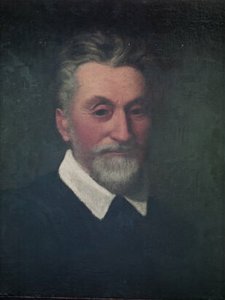
ドッソ・ドッシ
1486 - 1542 , イタリア
基本情報
- 代表作:
- 魔術(ヘラクレスの寓意)
- キルケー(またはメリッサ)
- ジュピター、メルクリウス、そして美徳
- 出生地: イタリア、サン・ジョヴァンニ・デル・ドッソ
- 国籍: イタリア
- 影響を受けた画家:
- ジョルジョーネ
- ティツィアーノ
- 氏名: ジョヴァンニ・ディ・ニッコロ・デ・ルテリ
- 没年: 1542年
- 生年: 1489年頃
- 芸術様式: フェラーラ派
関連記事
Echoes of Olympus: Mythological Narratives in Western Art Through the Ages
Explore the captivating history of mythological narratives in Western art! From ancient Greece to modern masterpieces, discover iconic artworks & symbolism. Expert analysis and high-quality reproductions at ArtsDot.
The Art of Italian Living: Transform Your Home with Timeless Landscapes and Renaissance Masterpieces
Elevate your home with the timeless romance of Italy. Discover expert-curated, hand-painted Italian landscapes and Renaissance-inspired masterpieces. From bespoke oil reproductions to custom portraits from photos, transform your space with elegance and artistic passion.
Unveiling Hidden Meanings: Allegory in Western Art History
Explore the rich history of allegory in Western art! Discover hidden meanings in masterpieces from Giotto to Bosch & beyond. Expert insights for collectors and enthusiasts at ArtsDot.
Mario Sironi: A Poetic of Modern Italian Identity Through Symbolism & Social Commentary
Explore the profound works of Mario Sironi, a key figure in Italian Modernism. Discover his evolution from Futurism to Metaphysical painting and his powerful social commentary. Learn about his legacy at ArtsDot.
Civic Virtue and Artistic Rivalry: Patronage and Innovation in the Italian Renaissance Republics, 1400–1600
Explore the Italian Renaissance! Discover how competitive patronage & humanist ideals fueled artistic innovation in republics like Florence & Venice. Expert insights for art lovers and collectors.