

 プレビュー
プレビュー
 プリントを購入
 シェアする
シェアする シェアする
シェアする
 詳細を見る
詳細を見る

 ダウンロード
 似ている作品
 X線調査
X線調査 スライドショー
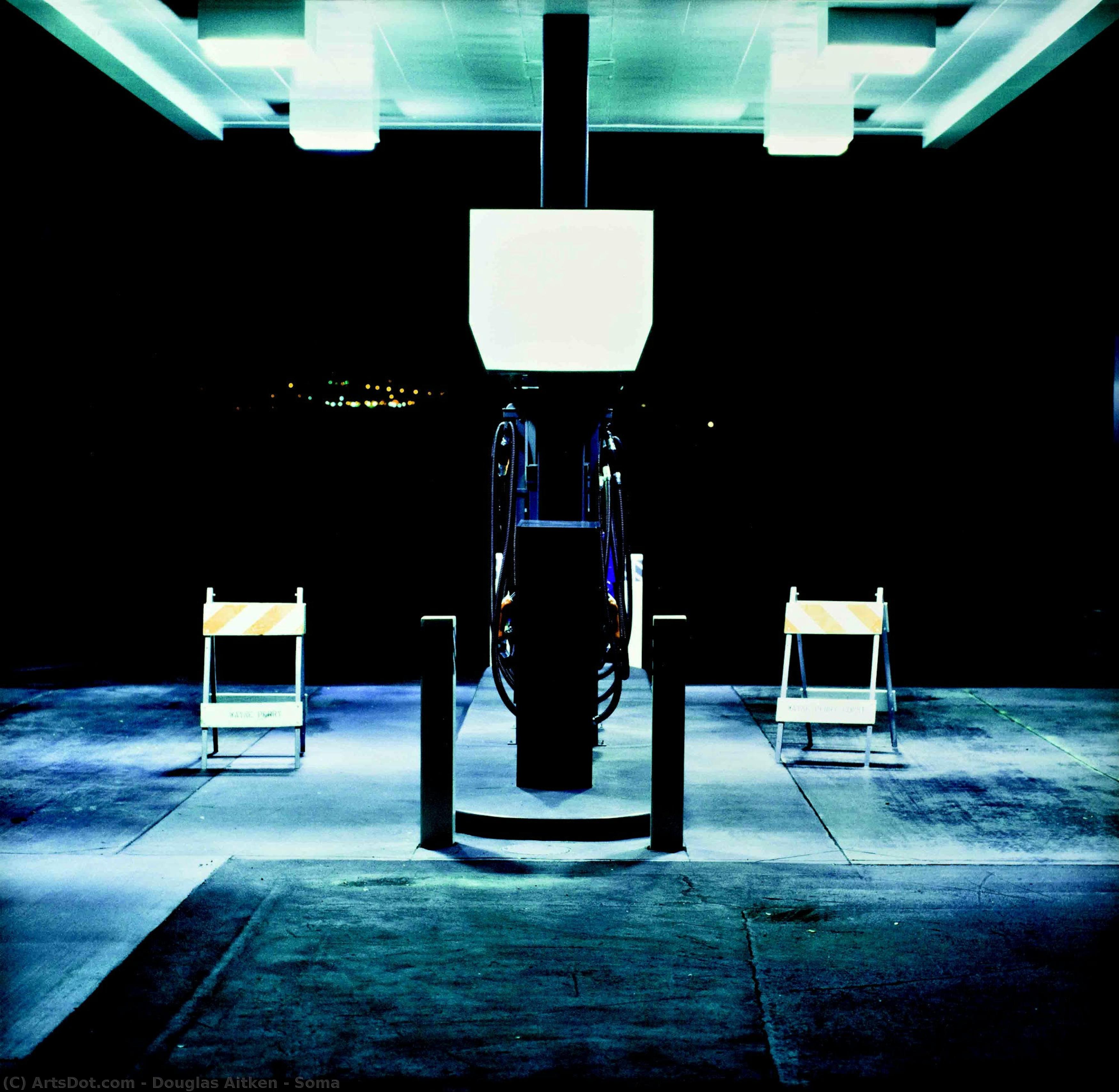
Soma
 120.0 x 123.0 cm
 Elgiz Museum of Contemporary Art
 詳細を見る
詳細を見る




































作品のオリジナル比率に合わせた、当店の規定サイズからお選びください。

特定のフレームやスペースに合わせて、ご希望のサイズをご入力いただけます。選択されたサイズが元の画像の比率と異なる場合、アートワークをトリミングするか、手描きで要素を追加して絵画を拡張いたします。デジタルモックアップ を制作し、制作開始前にご確認(承認)をいただきます。
画面上のプレビューは、実際のトリミングや拡張を正確に反映しているものではありません。最終的な構図は、モックアップによってのみ正確にご確認いただけます。
カスタムサイズもご利用いただけますが、元の比率を維持するためには、あらかじめ用意されたリストからサイズを選択することをお勧めいたします。
ご注文後、ArtsDot.com チームより詳細な指示をお送りするとともに、仕上がりイメージ(モックアップ)をご提供いたします。


 ガラスオプションは、110cm未満のサイズでのみご利用いただけます。

Soma
複製技法
複製画のサイズ
-


合計金額
$ 263
関連作品








アーティストの略歴
Early Life and Artistic Beginnings
Douglas Aitken, born in 1968 in the coastal Californian city of Redondo Beach, emerged as a pivotal figure in contemporary art by blurring the boundaries between disciplines. His early artistic explorations weren’t confined to a single medium; instead, he demonstrated an innate curiosity that led him initially towards magazine illustration at the Art Center College of Design in Pasadena in 1987. This foundational experience instilled within him a keen understanding of visual communication and narrative structure—skills that would later become hallmarks of his expansive practice. However, Aitken soon gravitated toward Fine Arts, completing his BFA at the same institution in 1991. This shift signaled a deeper commitment to conceptual exploration and artistic expression beyond the constraints of commercial design.
The move to New York City in 1994 proved transformative. It was here, amidst the vibrant energy of the art world, that Aitken held his first solo exhibition at the esteemed 303 Gallery. This early showing established him as a compelling new voice, one unafraid to experiment with form and challenge conventional artistic categories.
A Multidisciplinary Vision
Doug Aitken’s work defies easy categorization. He isn't simply a filmmaker, sculptor, or architect; he is all of these things—and more. His practice encompasses photography, print media, sound installations, live performance, and large-scale architectural interventions. This deliberate refusal to be pigeonholed reflects his core belief in the interconnectedness of experience and the power of art to transcend traditional limitations.
Aitken’s video works are particularly notable for their evocative exploration of space, time, and human connection. He often sets these narratives within culturally significant locations—from the haunting landscape of Jonestown in Guyana to the diamond mines of southwest Africa and the bustling film industry of Bollywood. These settings aren't merely backdrops; they become integral characters in his stories, imbued with layers of history, symbolism, and social commentary.
Site-Specific Interventions and Immersive Environments
Aitken’s commitment to pushing artistic boundaries extends to his site-specific projects. He doesn’t simply exhibit *in* a space; he actively transforms it, creating immersive environments that challenge viewers' perceptions of their surroundings. New Horizon (2019), for example, featured a reflective hot air balloon—a kinetic light sculpture that moved across the Massachusetts landscape, becoming a fleeting beacon of beauty and wonder. This work exemplifies Aitken’s ability to synthesize art with architecture and natural phenomena.
Similarly, Underwater Pavilions (2016) involved three temporary sculptures moored off Catalina Island, California. These geometric structures created underwater portals—refracting light and offering a unique perspective on the marine world. The project wasn’t solely an aesthetic endeavor; it also fostered collaboration with Parley for the Oceans and the Museum of Contemporary Art, Los Angeles, highlighting environmental concerns and promoting ocean conservation.
Themes and Influences
Throughout his career, Aitken has consistently explored themes of displacement, memory, and the search for meaning in a rapidly changing world. His work often grapples with the tension between natural and artificial environments, questioning our relationship to technology and the built landscape. He’s fascinated by the ephemeral nature of experience—the fleeting moments that shape our perceptions and define our identities.
While pinpointing specific artistic influences is difficult given Aitken's multidisciplinary approach, one can discern echoes of Land Art pioneers like Robert Smithson and Walter De Maria in his large-scale interventions. The cinematic sensibilities of filmmakers such as Michelangelo Antonioni and Chris Marker also resonate within his video installations—particularly their exploration of alienation and the complexities of modern life.
Legacy and Historical Significance
Douglas Aitken’s impact on contemporary art is undeniable. He has received numerous accolades, including the International Prize at the Venice Biennale in 1999, solidifying his position as a leading figure in the field. His work has been exhibited in museums and galleries worldwide, captivating audiences with its innovative form and profound thematic depth.
Aitken’s legacy lies not only in his individual artworks but also in his ability to inspire cross-disciplinary collaboration and challenge conventional artistic boundaries. He demonstrates that art can be a powerful tool for exploring complex social issues, fostering environmental awareness, and ultimately, deepening our understanding of the human experience. His continued exploration of new mediums and technologies ensures his relevance as a visionary artist shaping the landscape of contemporary culture.
douglas aitken
1968 - , United States of America
基本情報
- Artistic Movement Or Style: Contemporary Art
- Date Of Birth: 1968
- Full Name: Douglas Aitken
- Nationality: American
- Notable Artworks: ['Soma']
- Place Of Birth: Redondo Beach, USA