

 プレビュー
プレビュー
 シェアする
シェアする シェアする
シェアする
 詳細を見る
詳細を見る

 ダウンロード
 似ている作品
 X線調査
X線調査 スライドショー
 統計情報
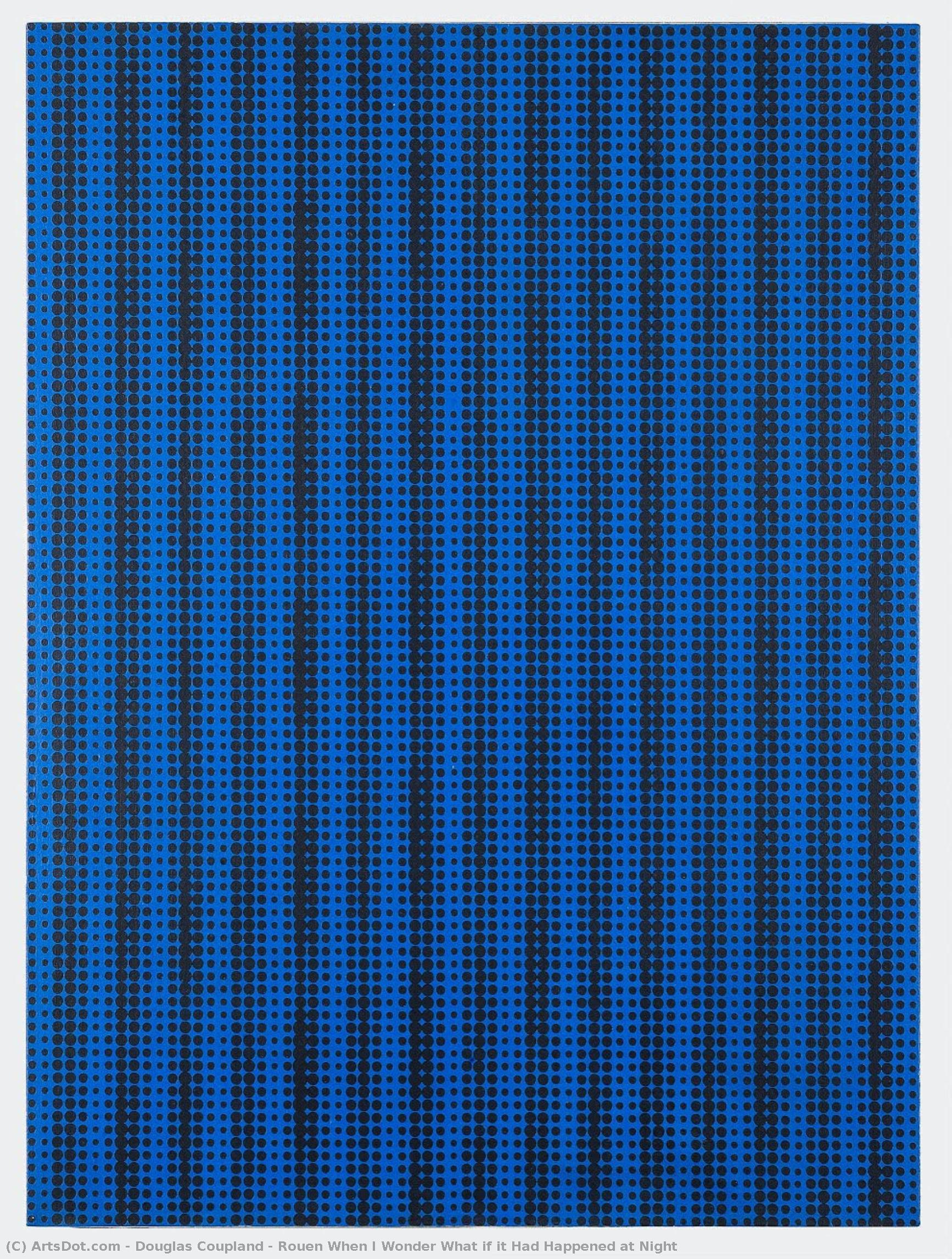
統計情報Rouen When I Wonder What if it Had Happened at Night
 Acrylic On Canvas
- WallArt
- Contemporary Realism
 76.0 x 101.0 cm
 Vancouver Art Gallery
 詳細を見る
詳細を見る
ジークレー/アートプリント
迅速な制作と多彩な仕上げオプションを備えた、ミュージアムクオリティのジークレーまたはキャンバスプリント。 ( 手描きの絵画を購入 デジタル画像販売へ切り替え)




P118B $10

P118H $10

P118W $10

P438Z $10

P508JH $12

P508YH $12

P805H $10

P805Z $10

P919BZ $10

P919G $10

P919XJ $10

P959ZH $10

P968JZ $12

W106C $8

W218G $10

W218JH $8

W218Y $10

W307PJ $10

W316G $10

W316PJ $8

W316Y $10

W398PJ $8

W4111J $10

W500HY $15

W500JH $15

W692G $12

W849H $8

W940BG $15

W953PJ $8




作品のオリジナル比率に合わせた、当店の規定サイズからお選びください。

特定のフレームやスペースに合わせて、ご自身でサイズを指定することも可能です。選択されたサイズが元の画像の比率と一致しない場合、作品をトリミングするか、鏡面反射または単色での塗りつぶしによって画像を拡張いたします。制作を開始する前に、ご確認用のデジタルモックアップをお送りいたします。
画面上のプレビューには、実際のトリミングや拡張は反映されませんのでご注意ください。最終的な構図を正確に確認できるのは、モックアップのみとなります。
カスタムサイズも承っておりますが、元の比率を維持するためには、あらかじめ用意されたリストからサイズを選択することをお勧めいたします。


 ガラスオプションは、110cm未満のサイズでのみご利用いただけます。

Rouen When I Wonder What if it Had Happened at Night
ジークレー/アートプリント
複製画のサイズ
-


合計金額
$ 62
The Echo of Rouen: Coupland’s Spectral Cathedral
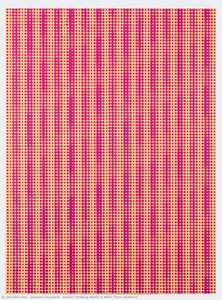
Douglas Coupland's “Rouen When I Wonder What if it Had Happened at Night” isn’t merely a painting; it’s an invitation to linger in the liminal space between memory and speculation. This arresting work, created in 2014 using acrylic on canvas, immediately draws the eye with its cool palette of blues and whites – a deliberate departure from Monet's vibrant depictions of Rouen Cathedral. Coupland isn’t attempting to replicate the Impressionist master’s luminous captures; instead, he employs a fragmented, almost ghostly approach, suggesting a cathedral not as it *was*, but as it might have been, haunted by an unspoken question: “What if?” The painting feels less like a historical record and more like a dream – a fleeting impression of a sacred space filtered through the anxieties and uncertainties of contemporary experience.
A Dialogue with History and Technique
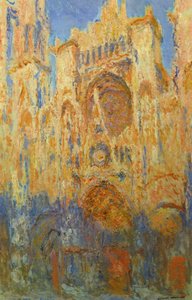
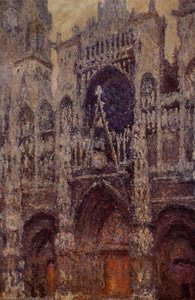
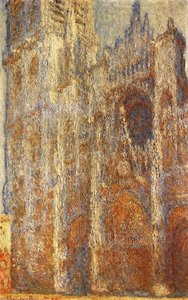
Coupland’s process is deliberately layered, echoing the artistic lineage he engages with. The painting's foundation lies in Monet’s extensive series of Rouen Cathedral paintings, a project that explored the subtle shifts in light and atmosphere across different times of day. Coupland, however, builds upon this tradition by introducing elements of abstraction and digital manipulation – a nod to his broader practice as a visual artist working with QR codes and other technologies. The scattered white dots, reminiscent of a starfield or perhaps even glitching pixels, disrupt the solidity of the cathedral’s façade, hinting at the instability of perception and the fragmented nature of memory. The technique itself is deceptively simple: broad brushstrokes create a sense of texture and depth, while careful layering of blues suggests both distance and an underlying melancholy. The canvas isn't rendered with photographic precision; it’s imbued with a deliberate ambiguity that invites the viewer to actively participate in constructing meaning.
Symbolism and the Weight of ‘What If?’
The title, “Rouen When I Wonder What if it Had Happened at Night,” is crucial to understanding the painting’s emotional core. It immediately establishes a sense of unease and contemplation. The cathedral itself – a symbol of faith, permanence, and timelessness – becomes vulnerable to this hypothetical alteration. Coupland isn't suggesting a catastrophic event; rather, he’s exploring the fragility of belief, the potential for doubt, and the unsettling realization that even the most enduring structures are subject to change and decay. The darkness implied by “night” contrasts sharply with the light-drenched depictions of Monet, intensifying the feeling of loss and uncertainty. The painting can be interpreted as a meditation on mortality, regret, or simply the inherent ambiguity of human experience – questions that have resonated throughout art history.
Beyond Reproduction: A Portal to Reflection
While high-quality reproductions offer a tangible connection to Coupland’s vision, it's important to recognize that the painting’s power resides in its original context and the questions it raises. The subtle shifts in color, the fragmented composition, and the evocative title all contribute to an experience that transcends mere visual representation. Consider how this piece might complement a space – perhaps a study or library where contemplation is valued, or a gallery showcasing works exploring themes of memory and time. The painting’s spectral quality lends itself particularly well to environments with soft lighting, allowing its subtle nuances to emerge fully. Ultimately, “Rouen When I Wonder What if it Had Happened at Night” isn't just a beautiful image; it’s an invitation to engage in a profound dialogue about the nature of reality and the enduring power of human imagination.
関連作品
アーティストの略歴
現代文化の地図製作者:ダグラス・クープランドの生涯と芸術
ダグラス・クープランドは、1990年代初頭、単なる小説家としてではなく、ある時代の「診断医」として文化的な風景の中に姿を現しました。1961年12月30日、ドイツのバーデン=ゼルティンゲンにあるカナダ軍基地に生まれた彼の幼少期は、絶え間ない転居の連続でした。最終的に辿り着いたカナダのバンクーバーという街は、彼の芸術的な感性を深く形作ることになります。この初期の経験が、現代生活の微細な変化や不安を察知する、鋭い観察眼を彼に授けました。エミリー・キャル芸術デザイン大学で当初は彫刻を学んでいたクープランドですが、真の天職は物理的な形を造形することではなく、言葉を通じて、そして後に視覚芸術とデジタル技術の魅力的な融合を通じて、現代の存在が持つ形のない質感を描き出すことにあると気づいたのです。彼は単に文化を反映させていたのではありません。急速に加速する世界の中で漂流する世代の、言葉にならない感情に声を与え、文化に「名前」をつけていたのです。ジェネレーションXから視覚的な批評へ
クープモランドの躍進は、1991年の『ジェネレーションX:加速する文化のための物語(Generation X: Tales for an Accelerated Culture)』の出版とともに訪れました。この小説は単なる文学的成功に留まらず、一つの文化的現象となりました。「ジェネレーションX」という言葉は、ポスト工業社会の影の中でアイデンティティと目的を模索していた何百万人もの人々に瞬時に共鳴したのです。「McJob(マックジョブ)」といった用語も語彙に加わり、20世紀後半における労働の不安定さと疎外感を象徴する言葉となりました。しかし、クープランドの野心は単に世代にラベルを貼るだけでは終わりませんでした。彼は、メディア、消費主義、そして技術変化に飽和した世界の心理的風景を探求することに関心を抱いていたのです。この探求は文学の枠を超え、異なる媒体を通じて自身の思想を表現したいという衝動に突き動かされ、彼はシームレスに視覚芸術へと移行していきました。彼の芸術活動は極めて多岐にわたり、絵画、彫刻、写真、デザインを網羅していますが、それらはすべて「現代生活への問いかけ」という一貫した主題によって結ばれています。13の小説、2つの短編集、7冊のノンフィクション、そして数多くの映画やテレビの脚本を手がけてきたその歩みは、彼の旺盛な創造力の証と言えるでしょう。QRコードの言語と喪失の重み
クープランドの視覚芸術は、抽象、ポップカルチャーへの参照、そして技術革新が独自に混ざり合っているのが特徴です。なかでも最も顕著なのは、絵画の中にQRコードを組み込んだシリーズで知られている点です。これらは単なる装飾的な要素ではありません。隠された意味の層へと繋がるポータル(入り口)であり、鑑賞者がスマートフォンを通じて作品に能動的に関わることを促します。これらのコードをスキャンすると簡潔な解説が現れ、視覚体験にさらなる次元を付け加えます。これは、芸術とテクノットの交差点に対するクープランドの強い関心の現れです。この革新的な技法の一方で、彼の作品はしばしば喪失や死という深遠なテーマとも向き合っています。例えば、「Dead Grads Series(亡き卒業生シリーズ)」は、悲劇的に断たれた若き命への痛切な追悼であり、それぞれの絵画には「銃」「自動車事故」「過剰摂取」といったタイトルが冠されています。これらは生命の脆さと、悲しみが残す消えない影響を突きつける、峻烈なリマインダーなのです。また、スマートフォン越しに見るとオサマ・ビンラディンの顔が浮かび上がる衝撃的な作品『Silver Boogeyman』は、思考を喚起し、既成概念に挑戦する彼の能力を象徴しており、鑑賞者に9.11後の世界における不都合な真実と向き合うことを強いています。彫刻的表明と国家的アイデンティティ
クープランドの芸術的ビジョンは、二次元のキャンバスを超えて彫刻の領域へと広がっています。巨大な鋼鉄構造物である『The Ice Storm』は、カナダのアイデンティティと脆弱性を力強く反映した作品です。その形態は強さと脆さの両方を想起させ、この国の歴史の複雑さと自然界との関係性を映し出しています。また、『God』のようなミクストメディアによるコラージュ作品では、レイヤリング(層を重ねる)技法とグラフィックデザインのスキルが遺憾なく発揮されています。「ロード・ジム」や幾何学的な「D」といった象徴的な要素を取り入れることで、複数の解釈を誘う視覚的に圧倒的な構成を作り上げています。これらの作品は単なる審美的な対象ではなく、鑑賞者に能動的な関与を求める知的なパズルなのです。彼の作品はバンクーバー・アート・ギャラリーやマクミール・カナディアン・アート・コレクションといった権威ある会場で展示されており、現代美術における重要な人物としての地位を確固たるものにしています。観察と革新の遺産
文学と視覚芸術の両分野におけるダグラス・クープランドの貢献は、カナダ勲章(Officer of the Order of Canada)の受章やブリティッシュコロンビア勲章への入会など、幅広い評価を得ています。彼は洞察に満ちた観察眼、革新的な芸術表現、そして複雑な社会的・文化的課題に取り組む姿勢によって、カナダの芸術・文学界における不可欠な声であり続けています。彼の作品は世界中の観衆の心に響き続け、現代文化、テクノロジー、そして人間存在の在り方についての対話を促しています。クープランドは単なる芸術家ではありません。彼は、精密さと共感の両方を持って、絶えず変化し続ける現代生活という地形をマッピングする「文化の地図製作者」なのです。彼は、私たち自身と周囲の世界に対する理解に消えない足跡を残し、カナダで最も重要な現代アーティストの一人としての地位を確立しています。- 主要なテーマ: ジェネレーションX、デジタル文化、テクノロジー、喪失、アイデンティティ、消費主義、カナダのアイデンティティ。
- 影響を受けたもの: ポップアート、ミニマリズム、コンストラクティヴィズム(構成主義)、日本のビジネスサイエンス、現代文学。
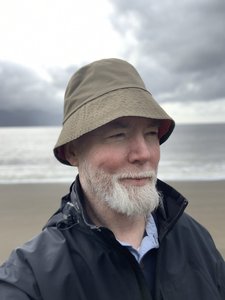
ダグラス・クプランド
1961 - , カナダ
基本情報
- Artistic Movement Or Style: ポップアート、デジタル文化
- Date Of Birth: 1961年12月30日
- Full Name: ダグラス・カウンプランド
- Nationality: カナダ人
- Notable Artworks:
- God
- The Ice Storm
- Thomson No. 5
- Silver Boogeyman
- Place Of Birth: カナダ、バンクーバー
関連記事
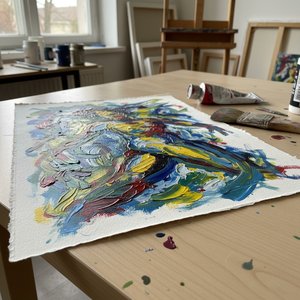
Acrylic on Paper: A Modern Canvas for Contemporary Expression
Explore the versatility of acrylic painting on paper! Discover expert techniques, artist insights & archival practices for creating stunning contemporary art. Learn more at ArtsDot.

Acrylic on Canvas: A Modern Masterpiece – Technique, History & Contemporary Expression
Explore the world of acrylic on canvas! Discover its history, techniques & contemporary applications with expert insights from ArtsDot. Find inspiration and elevate your art collection today.
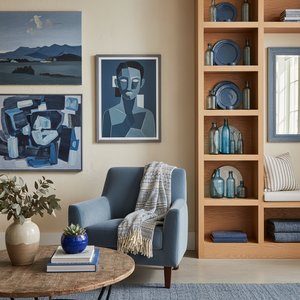
Slate Blue Masterpieces: 10 Iconic Paintings & Timeless Home Decor Ideas
Immerse yourself in the captivating world of slate blue! Explore 10 iconic paintings by Monet, Van Gogh & Renoir. Discover their stories, techniques & find museum-quality art reproductions for your home at .
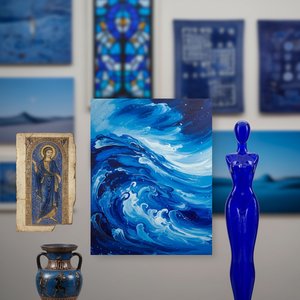
The Allure of Azure: Exploring the Symbolic & Aesthetic Depths of Blue in Art History
Explore the rich history of blue in art! Discover its symbolism, from ancient pigments to modern masterpieces by Kandinsky & Seurat. Uncover the psychological impact and cultural meanings behind this captivating hue.
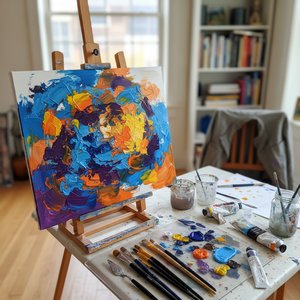
アクリル絵具とキャンバス:現代美術における表現の多様性と可能性
アクリル絵具の歴史、技法、現代美術における可能性を徹底解説。抽象画からカスタムオーダーまで、ArtsDotが高品質なアート体験を提供します。初心者向けガイドも充実。