

 プリントを購入
 シェアする
シェアする シェアする
シェアする
 詳細を見る
詳細を見る

 ダウンロード
 似ている作品
 スライドショー
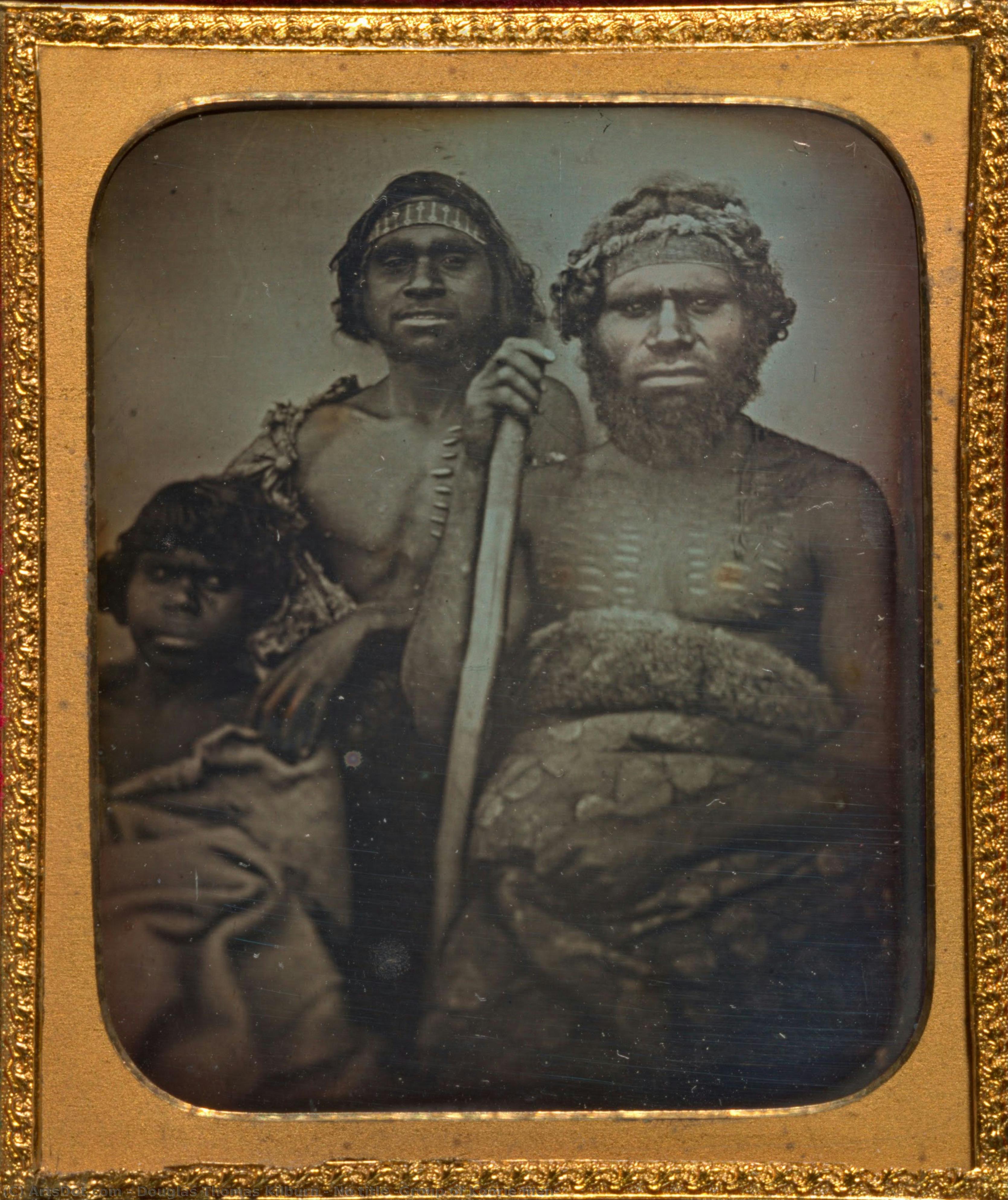
No title (Group of Koorie men)
 Black and White Photography
- Photo
- Victorian Portrait Photography
 1847
1847- 19th Century
 7.0 x 6.0 cm
 国立ギャラリー・オブ・ビクトリア
 詳細を見る
詳細を見る
オンラインプレビューをはるかに凌ぐ、高解像度で鮮明なデジタル画像をご購入いただけます。
各ファイルは、社内の専門家が高度なツールと熟練した手作業によるレタッチを用いて、細心の注意を払って準備されています。すべての画像において、卓越した鮮明度、正確な色彩再現性、そして繊細なディテールを保証いたします。
最終ファイルは、プロフェッショナルな編集・印刷環境ですぐにご利用いただけるよう最適化された状態で、72時間以内にメールにてお届けいたします。これは、一流のデザインスタジオ、出版社、ギャラリーから信頼されているものと同等の品質です。
デジタル画像のご注文に付随する特典
高品質なデジタル画像配信を、確かな品質で。
ArtsDot.com を選ぶことは、単に画像を手に入れることではありません。それは、プロの手によって精密に仕上げられ、満足保証が付いた高品質なデジタルアートワークを受け取ることを意味します。ご注文いただいた際に自動的に付随する内容は、以下の通りです:

メールですぐにお届け
ご注文から72時間以内に、高解像度のデジタル画像ファイルがメールでお手元に届きます。すぐにそのままご利用いただけます。

AI技術で最適化されたデジタルファイル
お客様の作品は、高度なAIツールと専門家による手作業の編集を組み合わせてプロフェッショナルに最適化されており、細部のディテール、鮮明さ、そして正確な色再現性を最大限に引き出しています。

一生涯無料の再送サービス
ファイルを誤って削除したり、紛失してしまったりしましたか?ご安心ください。いつでも無料で再送いたします。

輸入手数料は一切かかりません
関税や手数料、配送料を気にすることなく、お気に入りのアートワークをすぐにお楽しみいただけます。デジタルダウンロードは常に免税です。

色彩再現の保証
プロ仕様のツールとカラーマネジメント技術を用いることで、デジタル画像が元の色を最大限に忠実に再現することを保証いたします。

60日間満足保証
ご購入いただいたデジタル画像にご満足いただけない場合は、60日以内であれば、修正または100%の返金(理由を問う必要はありません)をさせていただきます。

100% 返金保証
ご満足いただけない場合は、デジタルファイルを受け取ってから60日以内であれば、理由を問わず全額返金いたします。

まとめ買い割引
3枚購入で10%OFF - 5枚購入で15%OFF - 10枚以上購入で20%OFF。クリエイティブなプロジェクト、ギャラリー、エージェンシーに最適です。
作品の詳細
A Glimpse Through Time: The Dignity of Early Australian Portraiture
To stand before this remarkable daguerreotype is to confront a moment suspended in amber—a fragile echo from the nascent days of Melbourne. Created in 1847 by Douglas Thomas Kilburn, these images are not merely photographs; they are primary documents of encounter, capturing the lives and presence of Aboriginal people from the surrounding tribes. The composition itself draws the eye immediately to the grouping: three commanding men standing sentinel beside a cluster of seated children. The black and white medium inherently lends an air of solemnity, forcing us to look past the technical limitations of early photography and into the enduring spirit captured within the frame.
Technique and Historical Context
Kilburn’s pioneering work as a daguerreotypist placed him at the very intersection of burgeoning colonial enterprise and deep-rooted Indigenous culture. The process itself—the meticulous chemistry required to fix an image onto polished metal plates—speaks volumes about the scientific curiosity of the mid-nineteenth century. While Kilburn intended these images perhaps as ethnographic studies, the resulting portraits transcend such categorization. Notice the details: the traditional attire worn by the men, the spear held with practiced ease, and even the incongruous presence of an umbrella near the center—these elements anchor the piece firmly in its time while simultaneously suggesting a narrative richness that resists simple labeling.
Symbolism and Enduring Presence
What resonates most profoundly is the palpable dignity emanating from the sitters. Despite the historical context, which involved approaches described as requiring bribery to secure cooperation, the subjects project an undeniable self-possession. They are not merely objects of study; they are individuals asserting their continuity. For contemporary viewers, these daguerreotypes have evolved into powerful symbols of survival and resilience. The gaze captured here is direct, meeting the lens—and thus, the viewer—with an unwavering acknowledgment of existence.
Bringing History Home: Decorating with Memory
For the discerning collector or designer seeking art that carries weight, history, and narrative depth, this reproduction offers a unique focal point. Imagine this piece rendered in exquisite detail within a sophisticated interior space. It does not shout for attention; rather, it invites contemplation. Its muted tones and profound subject matter lend themselves beautifully to rooms aiming for an atmosphere of cultured gravitas or historical reverence. Owning a high-quality reproduction allows one to participate in the dialogue between past and present, honoring both the pioneering artistry of Kilburn and the enduring culture represented.
関連作品

作家の略歴
The Convergence of Light and Line
In the mid-19th century, as the colonial frontiers of Australia were being etched into the global consciousness, a singular talent arrived from the heart of London to capture the essence of a changing world. Douglas Thomas Kilburn, an artist initially trained in the delicate nuances of watercolor, brought with him more than just brushes and pigments; he carried the burgeoning magic of the daguerreotype. Arriving in Melbourne between 1847 and 1849, Kilburn stood at the precipice of a photographic revolution, bridging the gap between the romanticized traditions of classical painting and the stark, unyielding truth of the silvered plate.His transition from the fluid, expressive strokes of watercolor to the precise, chemical alchemy of early photography marked a pivotal moment in Australian art history. This evolution allowed him to document the landscape and its people with an unprecedented level of clarity, capturing the ephemeral light of a colonial dawn through a medium that was as much science as it was art.
A Portrait of Human Dignity
Kilburn’s true mastery lay not merely in his technical proficiency with the chemical complexities of early photography, but in his profound empathy for his subjects. While many of his contemporaries often approached the Indigenous populations of Australia through a lens of caricature or colonial curiosity, Kilburn sought something far more enduring and respectful. His celebrated series of daguerreotypes featuring the Koori people are renowned for their remarkable dignity and humanity.Through the meticulous use of light and shadow, he rendered portraits that transcended mere documentation, offering a soulful gaze that commanded respect from the viewer. Each image, captured on the fragile, mirror-like surface of the daguerreotype, serves as a window into a moment of profound connection, where the subject's presence is felt with an almost tactile intensity. In these portraits, the subjects are not mere specimens of study, but individuals possessing a quiet, commanding strength.
A Lasting Visual Legacy
The significance of Kilburn’s work extends far beyond the aesthetic beauty of his early photographic experiments. As one of the true pioneers of photography in Australia, his contributions laid the groundwork for a medium that would eventually redefine how history is recorded and perceived. His ability to blend the vastness of the Australian landscape with the intimate, focused detail of human portraiture created a visual archive of unparalleled historical importance.Today, we look back at Kilburn not just as a photographer, but as a vital chronicler of a pivotal era. His work remains an indispensable part of the Australian artistic and historical tapestry, preserving the faces and landscapes of a period that might otherwise have faded into the shadows of time. His legacy is etched in every highlight and shadow of those early plates, reminding us of the power of the lens to preserve the dignity of the human spirit against the relentless passage of history.
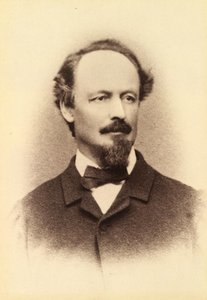
douglas thomas kilburn
1813 - 1871 , United Kingdom
プロフィール概要
- Artistic Movement Or Style: Watercolour and daguerreotype
- Date Of Birth: 1813
- Date Of Death: 1871
- Full Name: Douglas Thomas Kilburn
- Nationality: English
- Notable Artworks: ['Daguerreotypes of Koori people']
- Place Of Birth: London, United Kingdom

