

 プレビュー
プレビュー
 シェアする
シェアする シェアする
シェアする
 詳細を見る
詳細を見る

 ダウンロード
 似ている作品
 X線調査
X線調査 スライドショー
 Stats
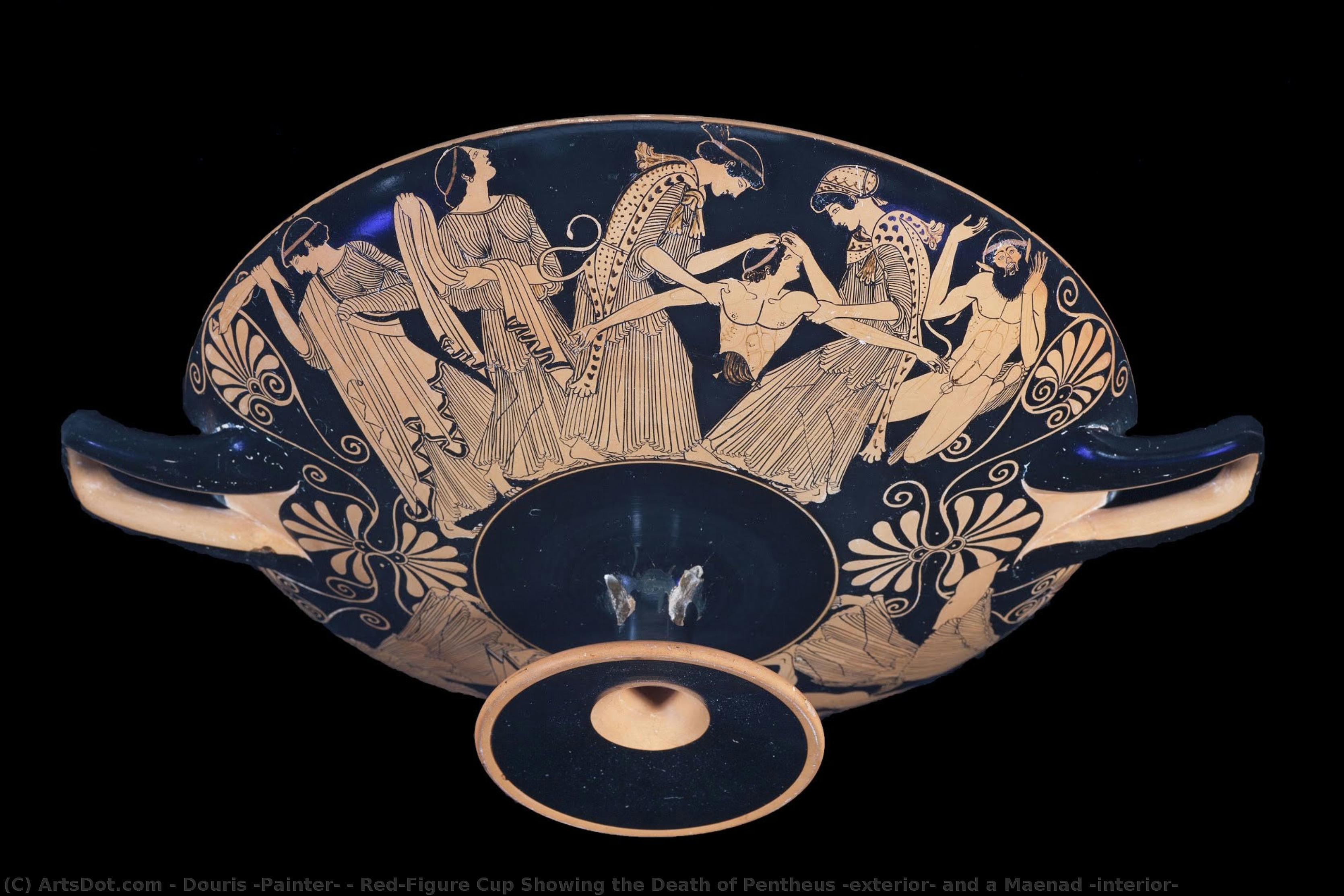
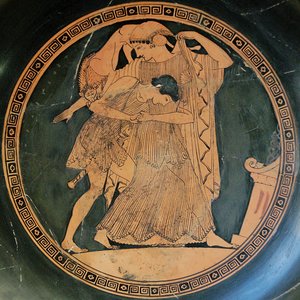
StatsRed-Figure Cup Showing the Death of Pentheus (exterior) and a Maenad (interior)

 詳細を見る
詳細を見る
オンラインプレビューをはるかに凌ぐ、高解像度で鮮明なデジタル画像をご購入いただけます。
各ファイルは、社内の専門家が高度なツールと熟練した手作業によるレタッチを用いて、細心の注意を払って準備されています。すべての画像において、卓越した鮮明度、正確な色彩再現性、そして繊細なディテールを保証いたします。
最終ファイルは、プロフェッショナルな編集・印刷環境ですぐにご利用いただけるよう最適化された状態で、72時間以内にメールにてお届けいたします。これは、一流のデザインスタジオ、出版社、ギャラリーから信頼されているものと同等の品質です。
デジタルアート
個人での鑑賞、印刷、クリエイティブなプロジェクト用に、高解像度ファイルをダウンロードできます。 ( Switch to Print 手描きの絵画を購入)
デジタル画像のご注文に付随する特典
高品質なデジタル画像配信を、確かな品質で。
ArtsDot.com を選ぶことは、単に画像を手に入れることではありません。それは、プロの手によって精密に仕上げられ、満足保証が付いた高品質なデジタルアートワークを受け取ることを意味します。ご注文いただいた際に自動的に付随する内容は、以下の通りです:

メールですぐにお届け
ご注文から72時間以内に、高解像度のデジタル画像ファイルがメールでお手元に届きます。すぐにそのままご利用いただけます。

AI技術で最適化されたデジタルファイル
お客様の作品は、高度なAIツールと専門家による手作業の編集を組み合わせてプロフェッショナルに最適化されており、細部のディテール、鮮明さ、そして正確な色再現性を最大限に引き出しています。

一生涯無料の再送サービス
ファイルを誤って削除したり、紛失してしまったりしましたか?ご安心ください。いつでも無料で再送いたします。

輸入手数料は一切かかりません
関税や手数料、配送料を気にすることなく、お気に入りのアートワークをすぐにお楽しみいただけます。デジタルダウンロードは常に免税です。

色彩再現の保証
プロ仕様のツールとカラーマネジメント技術を用いることで、デジタル画像が元の色を最大限に忠実に再現することを保証いたします。

100日間満足保証
ご購入いただいたデジタル画像にご満足いただけない場合は、100日以内であれば、理由を問わず修正または100%の返金対応をさせていただきます。

100% 返金保証
ご満足いただけない場合は、デジタルファイルを受け取ってから100日以内であれば、理由を問わず全額返金いたします。

まとめ買い割引
3枚購入で10%OFF - 5枚購入で15%OFF - 10枚以上購入で20%OFF。クリエイティブなプロジェクト、ギャラリー、エージェンシーに最適です。







作家の略歴
Douris: The Silent Master of Athenian Red-Figure
The world of ancient Greek vase painting often feels shrouded in mystery, a realm populated by enigmatic figures and elusive signatures. Among the most celebrated – and yet still somewhat obscure – of these artists stands Douris (c. 500-460 BCE), an Athenian red-figure potter whose work offers a remarkable glimpse into the vibrant social and artistic life of classical Athens. While his name, like that of many contemporary painters, remains largely absent from surviving inscriptions, the sheer volume and exceptional quality of his vases – kylixes, psykters, and hydriai, primarily – speak volumes about his profound influence and technical mastery.
Douris’s career unfolded during a period of remarkable artistic innovation. He began his apprenticeship under Kleophrades and Euphronios, two giants of the red-figure style, absorbing their techniques and sensibilities. However, it was his long collaboration with the potter Python that truly defined his distinctive approach. This partnership, spanning several decades, allowed Douris to develop a unique visual language, characterized by elegant figures, dynamic compositions, and an unparalleled attention to detail. His signature, often appearing as ‘Douris’ or ‘Δοῦρις,’ became increasingly prevalent on his work, cementing his reputation as one of the foremost vase painters of his time.
The Evolution of a Style: Four Distinct Periods
Art historians have meticulously divided Douris's career into four distinct periods, each marked by subtle shifts in style and subject matter. The first period, roughly encompassing the years 500-470 BCE, is characterized by a lavish ornamentation – a veritable explosion of decorative motifs adorning the vases’ borders. Scenes from symposiums (gatherings of drinking companions), komoi (processions of drunken revelers), and heroic battles dominated his output, reflecting the central role of social life and mythology in Athenian culture. The kalos-inscription ‘Chairestratos,’ a popular epithet denoting beauty and excellence, frequently appeared on these early works, suggesting a close association with the renowned sculptor Chares.
As Douris transitioned into his second period (470-460 BCE), he moved away from Kleophrades and began collaborating exclusively with Python. The kalos-inscription ‘Hippodamas’ became increasingly common, while the decorative elements on the vases themselves began to recede in prominence. This shift reflected a growing emphasis on the figures themselves – youthful athletes, gods, and heroes rendered with remarkable grace and anatomical accuracy. The characteristic “hook” at the inner end of the collarbone, a subtle but distinctive feature of Douris’s style, became firmly established during this era.
Douris's third period (460-450 BCE) is often considered his most idiosyncratic. The edges of the medallions on his vases are defined by an alternating pattern of meanders and squares – a bold and innovative technique that set him apart from his contemporaries. Palmettes adorned the handles of the cups, creating intricate and visually arresting designs. The kalos-inscription ‘Hippodamas’ continued to appear, alongside less frequent inscriptions such as ‘HIketes.’ This period showcases Douris's willingness to experiment with form and decoration, pushing the boundaries of red-figure technique.
Finally, in his fourth and final period (450-440 BCE), Douris returned to a more restrained and opulent style. The borders of his vases often retained elements reminiscent of the previous period – the ‘Hippodamas’ border – but gradually reverted to more conventional patterns. His signature disappeared entirely, and the kalos-inscriptions became less frequent. This final phase reflects a decline in Douris's artistic energy, yet it also demonstrates his enduring mastery of the red-figure technique.
Subjects and Symbolism: A Window into Athenian Life
Douris’s vases offer an unparalleled window into the social, religious, and cultural life of ancient Athens. The scenes depicted – symposiums, athletic competitions, mythological narratives, and depictions of daily life – provide invaluable insights into Athenian values, beliefs, and customs. The frequent portrayal of symposiums, for example, reveals the importance of communal drinking and conversation in Athenian society, while the scenes of athletic contests highlight the value placed on physical prowess and competition.
Furthermore, Douris’s work is replete with symbolic imagery. The figures themselves are often imbued with meaning, representing gods, heroes, and moral ideals. The use of specific colors – red for flesh tones, black for outlines and drapery – also carried symbolic weight, contributing to the overall narrative and emotional impact of the scenes depicted. For instance, depictions of Dionysus, the god of wine and revelry, frequently featured vibrant reds and yellows, symbolizing his association with intoxication and ecstasy.
Legacy and Influence
Despite the scarcity of surviving inscriptions, Douris’s influence on subsequent generations of vase painters is undeniable. His elegant figures, dynamic compositions, and innovative techniques set a new standard for red-figure pottery, inspiring countless artists to emulate his style. His work continues to be studied and admired by art historians and collectors around the world, serving as a testament to his enduring artistic legacy. Douris’s vases are not merely beautiful objects; they are invaluable historical documents, offering a rare and intimate glimpse into the vibrant world of ancient Athens.
douris (painter)
Greece
プロフィール概要
- Artistic Movement Or Style: Red-figure pottery
- Artists Or Movements Influenced By This Artist:
- Onesimos
- Red-figure pottery
- Artists Who Influenced This Artist:
- Kleophrades
- Euphronios
- Python
- Date Of Birth: c. 500-460 BCE
- Date Of Death: Living
- Full Name: Douris (c. 500-460 BCE)
- Nationality: Athenian Greek
- Notable Artworks:
- Thetis and Peleus
- Symposium scenes
- Kylix painter
- Place Of Birth: Athens, Greece