

 プレビュー
プレビュー
 プリントを購入
 シェアする
シェアする シェアする
シェアする
 詳細を見る
詳細を見る

 ダウンロード
 似ている作品
 X線調査
X線調査 スライドショー
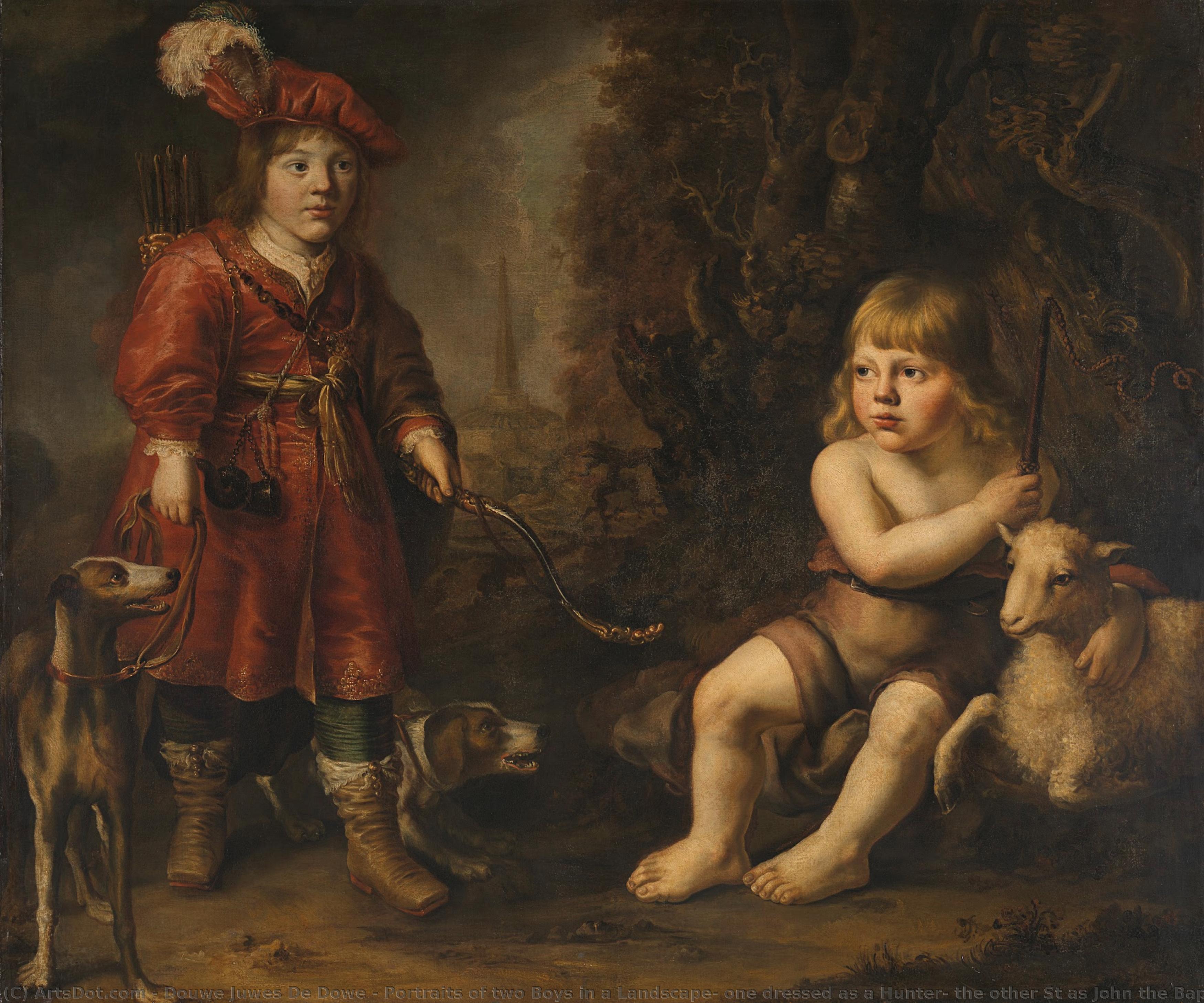
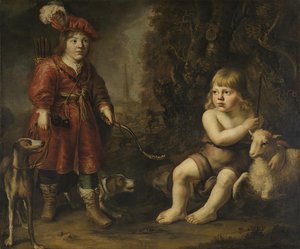
Portraits of two Boys in a Landscape, one dressed as a Hunter, the other St as John the Baptist, Douwe Juwes de Dowe, 1647
 1647
1647 113.0 x 133.0 cm
 詳細を見る
詳細を見る




































作品のオリジナル比率に合わせた、当店の規定サイズからお選びください。

特定のフレームやスペースに合わせて、ご希望のサイズをご入力いただけます。選択されたサイズが元の画像の比率と異なる場合、アートワークをトリミングするか、手描きで要素を追加して絵画を拡張いたします。デジタルモックアップ を制作し、制作開始前にご確認(承認)をいただきます。
画面上のプレビューは、実際のトリミングや拡張を正確に反映しているものではありません。最終的な構図は、モックアップによってのみ正確にご確認いただけます。
カスタムサイズもご利用いただけますが、元の比率を維持するためには、あらかじめ用意されたリストからサイズを選択することをお勧めいたします。
ご注文後、ArtsDot.com チームより詳細な指示をお送りするとともに、仕上がりイメージ(モックアップ)をご提供いたします。


 ガラスオプションは、110cm未満のサイズでのみご利用いただけます。

Portraits of two Boys in a Landscape, one dressed as a Hunter, the other St as John the Baptist, Douwe Juwes de Dowe, 1647
複製技法
複製画のサイズ
-


合計金額
$ 263
関連作品







アーティストの略歴
Douwe Juwes de Dowe: A Master of Dutch Caravaggio
Born in Leeuwarden, Netherlands, in 1608, Douwe Juwes de Dowe (1608–1662) stands as a significant, yet often overlooked, figure within the vibrant tapestry of the Dutch Golden Age. His artistic journey, deeply rooted in the regional traditions of Friesland and profoundly influenced by the dramatic style of Caravaggio, produced a body of work characterized by intense emotion, masterful use of light and shadow, and a captivating portrayal of human experience. De Dowe’s legacy resides primarily in his prolific portraiture executed during his decades-long career in Leeuwarden, a city that served as both his birthplace and the primary focus of his artistic endeavors.
Early influences shaped De Dowe's distinctive approach to painting. He was notably impacted by the work of Dirck Reiniersz. van der Douw, a Gouda-based painter renowned for his stained glass windows and portraits imbued with a remarkable sense of realism and psychological depth. Van der Douw’s ability to capture fleeting expressions and imbue figures with palpable emotion undoubtedly laid the groundwork for De Dowe's own artistic sensibilities. Furthermore, the prevailing artistic trends of the time – particularly the Baroque style championed by Caravaggio – provided a crucial framework for his development. Caravaggio’s revolutionary use of *chiaroscuro*—the dramatic contrast between light and dark—became a defining characteristic of De Dowe’s oeuvre, lending his paintings an arresting intensity and theatrical quality.
A Portraitist of Leeuwarden
De Dowe established himself as a prominent portrait painter in Leeuwarden during the years 1623–1661. His subjects spanned across various segments of society, including merchants, clergymen, and members of the local gentry. Unlike some of his contemporaries who favored idealized representations, De Dowe consistently depicted his sitters with a remarkable degree of honesty and psychological acuity. He wasn’t interested in creating mere likenesses; instead, he sought to capture the essence of his subjects – their personalities, emotions, and social standing.
Notable works from this period include “Portraits of two Boys in a Landscape, one dressed as a Hunter, the other St as John the Baptist,” painted in 1647. This piece exemplifies De Dowe’s signature style: a dynamic composition featuring richly-costumed figures set against a dramatic landscape bathed in pools of light and shadow. The juxtaposition of youthful innocence with elements of religious symbolism—the hunter representing earthly pursuits, the saint embodying spiritual devotion—demonstrates De Dowe's ability to weave complex narratives into his paintings.
Technique and Style
De Dowe’s technical skill was considerable, evidenced by his precise rendering of fabrics, textures, and facial features. He employed a meticulous approach to brushwork, layering colors with subtle gradations to create a sense of depth and volume. His use of *chiaroscuro* remained central to his artistic practice, serving not merely as an aesthetic device but also as a means of conveying emotion and drama. The strong contrasts between light and dark heightened the visual impact of his paintings, drawing the viewer’s eye to key elements within the composition.
While undeniably influenced by Caravaggio, De Dowe developed a distinctly individual style. His portraits often possess a greater sense of intimacy and psychological realism than those of his Italian predecessor. He skillfully captured the nuances of human expression, conveying a wide range of emotions—from quiet contemplation to intense passion—with remarkable sensitivity.
Legacy and Historical Significance
Despite his considerable talent and prolific output, Douwe Juwes de Dowe’s work has often remained in the shadows of more celebrated Dutch masters. However, recent scholarship has begun to recognize his significant contribution to the artistic landscape of the Dutch Golden Age. His portraits offer a valuable window into the social and cultural life of Leeuwarden during the 17th century, providing insights into the values, aspirations, and anxieties of its inhabitants.
De Dowe’s enduring appeal lies in his ability to capture the human spirit with honesty and empathy. His paintings continue to resonate with viewers today, reminding us of the power of art to illuminate our shared humanity. His work serves as a testament to the vibrant artistic traditions of Friesland and a compelling example of how regional influences can shape a distinctive and lasting artistic legacy.
douwe juwes de dowe
1608 - 1662 , Netherlands
基本情報
- Artistic Movement Or Style: Caravaggio Influence
- Artists Or Movements Influenced By This Artist: ['Caravaggio']
- Artists Who Influenced This Artist: ['Dirck Reiniersz. van der Douw']
- Date Of Birth: Leeuwarden, Netherlands (1608)
- Date Of Death: 1662
- Full Name: Douwe Juwes de Dowe
- Nationality: Dutch
- Notable Artworks:
- Portraits of two Boys...
- Portraits of two Boys...
- Place Of Birth: Leeuwarden, Netherlands

