

 プレビュー
プレビュー
 シェアする
シェアする シェアする
シェアする
 詳細を見る
詳細を見る

 ダウンロード
 似ている作品
 X線調査
X線調査 スライドショー
 統計情報
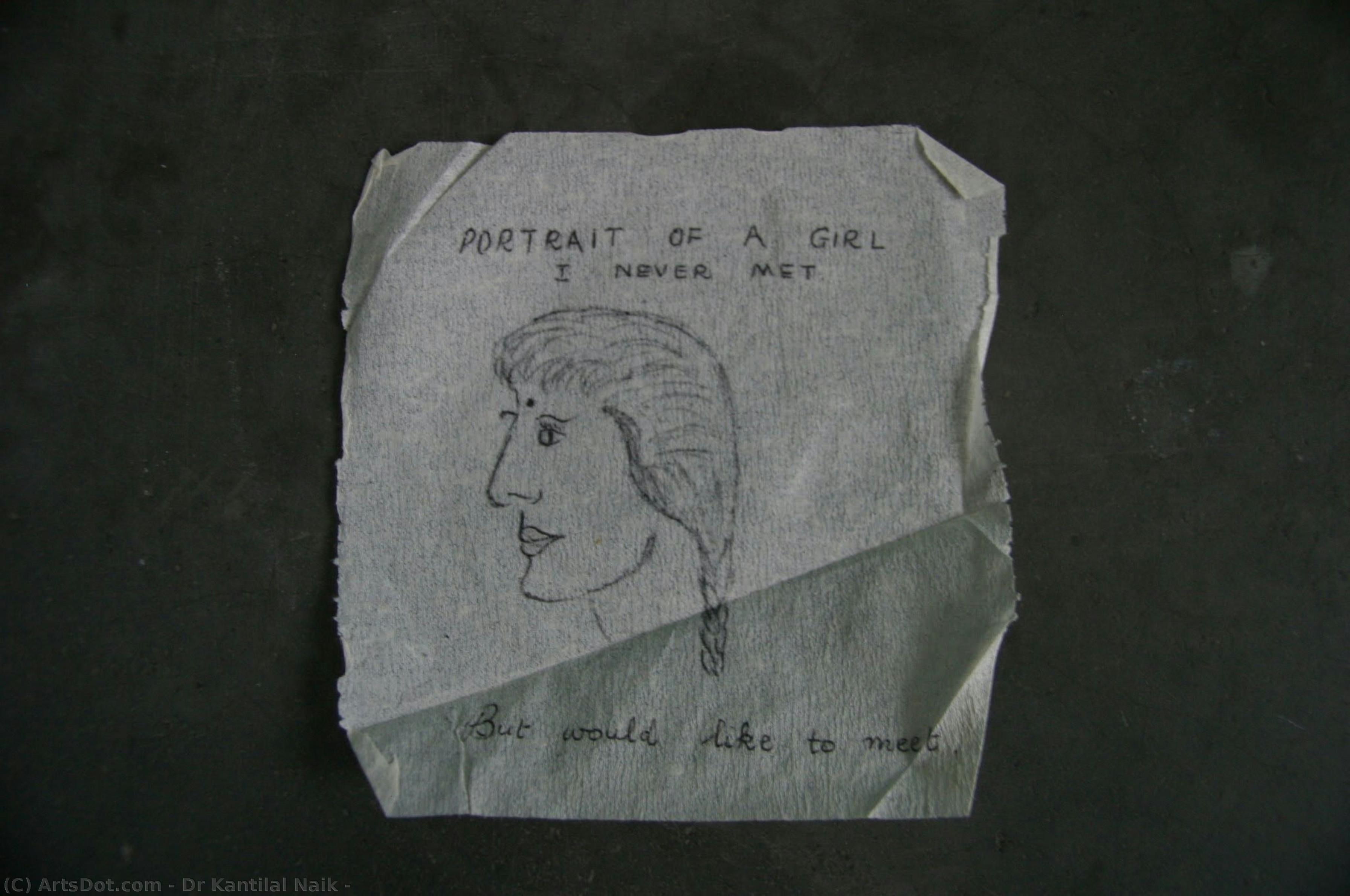
統計情報Untitled (DD3846)
 詳細を見る
詳細を見る
ジークレー/アートプリント
迅速な制作と多彩な仕上げオプションを備えた、ミュージアムクオリティのジークレーまたはキャンバスプリント。 ( 手描きの絵画を購入 デジタル画像販売へ切り替え)




































作品のオリジナル比率に合わせた、当店の規定サイズからお選びください。

特定のフレームやスペースに合わせて、ご自身でサイズを指定することも可能です。選択されたサイズが元の画像の比率と一致しない場合、作品をトリミングするか、鏡面反射または単色での塗りつぶしによって画像を拡張いたします。制作を開始する前に、ご確認用のデジタルモックアップをお送りいたします。
画面上のプレビューには、実際のトリミングや拡張は反映されませんのでご注意ください。最終的な構図を正確に確認できるのは、モックアップのみとなります。
カスタムサイズも承っておりますが、元の比率を維持するためには、あらかじめ用意されたリストからサイズを選択することをお勧めいたします。


 ガラスオプションは、110cm未満のサイズでのみご利用いただけます。

Untitled (DD3846)
ジークレー/アートプリント
複製画のサイズ
-


合計金額
$ 62
関連作品







アーティストの略歴
A Life Etched in Resilience: The Art of Dr. Kantilal Naik
Dr. Kantilal Naik, a name perhaps less familiar than many titans of the art world, holds within his story a profound testament to human endurance and artistic expression forged in the crucible of South Africa’s apartheid era. Born in India in 1938 and later becoming a respected figure in South African society, Naik's life was marked by both intellectual rigor and an extraordinary act of creative defiance – transforming the bleak reality of his detention into hauntingly beautiful works created on toilet paper. His legacy extends beyond these singular pieces, encompassing a distinguished career as an educator, scientist, and community leader, all interwoven with a courageous spirit that refused to be silenced.Early Life and Academic Foundations
Naik’s journey began in India, where he established himself as a senior science teacher at the Lenasia Indian High School in 1965. This initial role laid the groundwork for his future contributions to education, extending later to positions at the Roodepoort Asiatic and Transvaal College of Education. His dedication to pedagogy culminated in the creation of “Cálculos en Ciencias Físicas,” a physics textbook widely adopted in racially segregated schools during the 1960s – a significant achievement considering the limitations imposed by the apartheid regime. This work wasn’t merely instructional; it represented an act of quiet resistance, providing access to knowledge and fostering intellectual curiosity within a system designed to suppress both. The creation of this textbook speaks volumes about Naik's commitment to education as a tool for empowerment, even under oppressive circumstances.Detention and the Birth of a Unique Art Form
The defining chapter of Naik’s life unfolded during his detention at John Vorster Square in 1971. Subjected to prolonged interrogation and brutal treatment – including what is described as “helicopter torture” – he endured six months of confinement, an experience that profoundly impacted his physical and mental well-being. Rather than succumbing to despair, Naik found a means of channeling his trauma into art. Using toilet paper as his medium, he meticulously copied Gujarati hymns, imbuing each delicate stroke with the weight of his suffering and unwavering faith. This wasn’t simply an artistic endeavor; it was a desperate act of self-preservation, a way to maintain connection to his spiritual roots and assert his humanity within a system intent on stripping him of both. His testimony regarding the interrogation methods employed during his detention – documented in the South African Historical Archive – offers a chilling reminder of the brutality faced by activists and dissidents under apartheid.Contributions to Wits University and Recognition
Following his release, Naik transitioned into academia, joining the Department of Statistics at Wits University in 1981 as a senior tutor. He later moved to the Department of Mathematical Sciences and Applied Mathematics, where he earned the prestigious Master’s Award in 1986 – a recognition that underscored his significant contributions to the university's mathematics programs. The award itself was a powerful symbol of validation, acknowledging his dedication and expertise within a field often marginalized during the apartheid era. His work at Wits wasn’t merely academic; it represented a crucial step towards fostering intellectual exchange and challenging the systemic inequalities prevalent in South African society.A Lasting Legacy: Art, Memory, and Human Rights
Dr. Kantilal Naik's art transcends its humble medium – toilet paper – to become a potent symbol of resistance, resilience, and the enduring power of the human spirit. His poignant creations serve as a stark reminder of the injustices inflicted during apartheid and offer a deeply personal reflection on suffering, faith, and survival. The “Gujarati hymn copied onto toilet paper” is not just an artwork; it’s a historical document, a testament to the experiences of one man who refused to be silenced. His story continues to resonate today, prompting conversations about human rights, artistic expression in times of oppression, and the importance of remembering – and learning from – South Africa's complex past. Naik’s work is now held within the archives of the South African Historical Society, ensuring that his experience and art will continue to be studied and remembered for generations to come.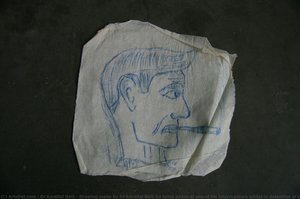
dr kantilal naik
1938 - 2021 , India
基本情報
- Artistic Movement Or Style: Toilet paper art
- Date Of Death: 2021
- Full Name: Dr Kantilal Naik
- Nationality: South African
- Notable Artworks: ['Gujarati hymn TP art']
- Place Of Birth: India (WahooArt)