

 プレビュー
プレビュー
 シェアする
シェアする シェアする
シェアする
 詳細を見る
詳細を見る

 ダウンロード
 似ている作品
 X線調査
X線調査 スライドショー
 Stats
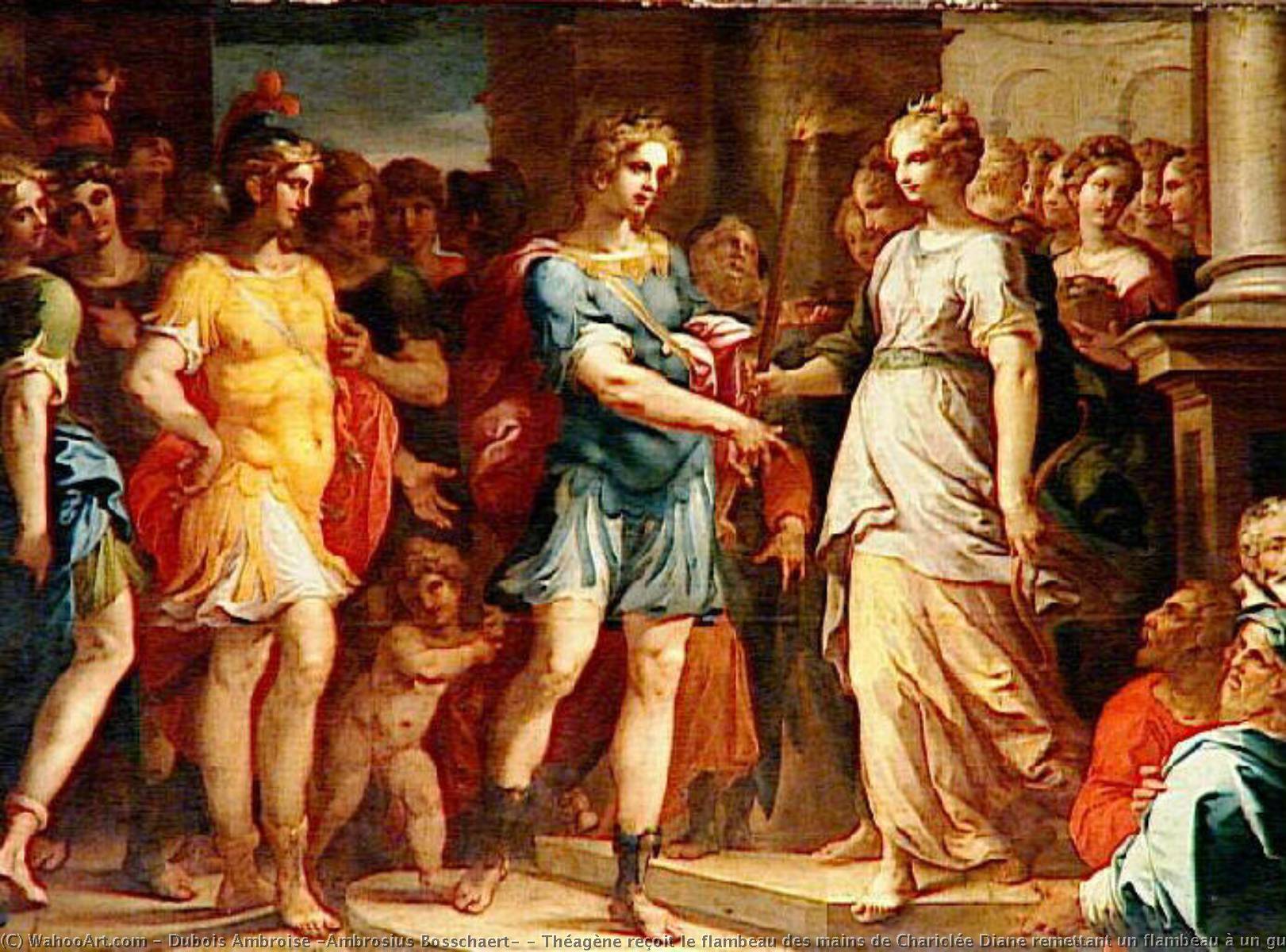
StatsThéagène reçoit le flambeau des mains de Chariclée Diane remettant un flambeau à un guerrier (ancien titre)
 詳細を見る
詳細を見る
手描き油彩複製画
当社のアーティストが、お客様のご希望のサイズと額縁に合わせて、キャンバスに手描きで制作する油彩画です。 ( Switch to Print Switch to Digital Image)




































作品のオリジナル比率に合わせた、当店の規定サイズからお選びください。

特定のフレームやスペースに合わせて、ご希望のサイズをご入力いただけます。選択されたサイズが元の画像の比率と異なる場合、アートワークをトリミングするか、手描きで要素を追加して絵画を拡張いたします。デジタルモックアップ を制作し、制作開始前にご確認(承認)をいただきます。
画面上のプレビューは、実際のトリミングや拡張を正確に反映しているものではありません。最終的な構図は、モックアップによってのみ正確にご確認いただけます。
カスタムサイズもご利用いただけますが、元の比率を維持するためには、あらかじめ用意されたリストからサイズを選択することをお勧めいたします。
ご注文後、ArtsDot.com チームより詳細な指示をお送りするとともに、仕上がりイメージ(モックアップ)をご提供いたします。


 ガラスオプションは、110cm未満のサイズでのみご利用いただけます。

Théagène reçoit le flambeau des mains de Chariclée Diane remettant un flambeau à un guerrier (ancien titre)
複製技法
複製画のサイズ
-


合計金額
$ 263
関連作品




アーティストの略歴
Ambrosius Bosschaert: Pioneer of Floral Still Life
Ambrosius Bosschaert the Elder (1542 – 1614) stands as a pivotal figure in the history of Northern Renaissance art, specifically recognized for his groundbreaking contribution to the genre of floral still life. Born in Antwerp, Belgium, he emerged from a family steeped in artistic tradition—his father, Ambrosius Bosschaert II, was himself a respected painter—and quickly established himself as a masterful practitioner of visual storytelling and botanical observation. His legacy continues to inspire artists today, cementing his place among the foremost painters of his era.- Early Life & Training: Bosschaert’s formative years were spent absorbing artistic principles from his father and fellow artists in Antwerp’s vibrant guild system. This environment fostered a meticulous attention to detail and an understanding of humanist ideals prevalent during the Renaissance, shaping his artistic sensibilities profoundly.
- Move to Middelburg & Botanical Patronage: Recognizing the burgeoning interest in scientific exploration—fueled by figures like Carolus Clusius—Bosschaert relocated to Middelburg in 1587, where he secured patronage from influential botanists and established a studio that became a hub for artistic innovation.
- Floral Still Life Technique: Bosschaert’s distinctive style revolutionized painting practice. He meticulously rendered flowers and fruits with unparalleled realism—capturing subtle variations in color, texture, and form—often incorporating symbolic elements reflecting moral or religious themes. His compositions were characterized by balanced symmetry and a masterful use of light and shadow.
- Notable Works & Collaborations: Bosschaert’s oeuvre includes iconic pieces such as “The Baptism of Christ,” “Bouquet of Flowers in a Glass Vase,” and “The Sacrifice of the Thessalians on the Tomb of Neoptolème.” He collaborated extensively with fellow artists like Johannes Vermeer and Abraham Bloemaert, furthering the artistic dialogue of his time.
- Legacy & Influence: Bosschaert’s pioneering approach to floral painting established a dynasty of painters—his sons Ambrosius II, Johannes, and Abraham—who continued his stylistic innovations and solidified Middelburg's reputation as the epicenter of flower art in the Dutch Republic. His influence extended beyond artistic circles, shaping perceptions of beauty and scientific inquiry during the Baroque period.
The Flowering Renaissance: Bosschaert’s Artistic Vision
Bosschaert’s artistic vision was deeply rooted in humanist ideals—a belief in human reason and observation as pathways to understanding the natural world. He embraced the scientific advancements of his time, meticulously documenting botanical specimens with exacting accuracy—a practice that anticipated the burgeoning field of botany. This commitment to realism combined with symbolic representation elevated his paintings beyond mere decorative art, transforming them into vehicles for conveying moral and spiritual messages. His compositions often mirrored classical ideals of harmony and balance, reflecting the broader cultural currents shaping Europe during the Renaissance.- Botanical Observation: Bosschaert’s meticulous drawings served as a foundation for his paintings, demonstrating an extraordinary grasp of botanical anatomy and coloration.
- Symbolic Representation: Flowers and fruits frequently carried symbolic meanings—representing virtues, vices, or religious concepts—adding layers of intellectual depth to his artworks.
- Classical Influence: Bosschaert’s compositions drew inspiration from classical art forms—particularly Roman sculpture—demonstrating an awareness of artistic traditions spanning centuries.
A Dynasty of Floral Masters
The Bosschaert family cultivated a remarkable artistic lineage, with Ambrosius II, Johannes, and Abraham inheriting their father’s talent and stylistic sensibilities. These sons continued Bosschaert's legacy by establishing Middelburg as the foremost center for flower painting in the Dutch Republic—a testament to his enduring influence on subsequent generations of artists. Their collaborative efforts enriched the artistic landscape of the Baroque period, furthering the exploration of botanical themes and elevating floral still life to a position of prestige within European art history.- Ambrosius II: Continued Bosschaert’s meticulous technique and stylistic innovations
- Johannes: Expanded on his father's repertoire with landscapes and portraits alongside flower paintings
- Abraham: Established himself as a prominent figure in Utrecht’s artistic community, furthering Bosschaert’s legacy
Concluding Reflections: Bosschaert’s Enduring Significance
Ambrosius Bosschaert's contribution to art history transcends mere stylistic achievement; he fundamentally reshaped perceptions of beauty and scientific inquiry. His pioneering approach to floral still life—characterized by realism, symmetry, and symbolic representation—established a paradigm for subsequent painters and cemented Middelburg’s reputation as the epicenter of flower art in the Dutch Republic. Bosschaert's legacy continues to inspire artists today, reminding us of the transformative power of observation, intellect, and artistic vision—qualities that remain central to understanding the enduring beauty of Northern Renaissance art.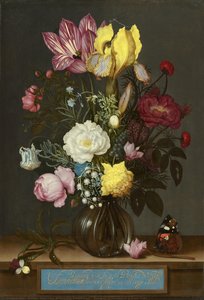
dubois ambroise (ambrosius bosschaert)
1542 - 1614
基本情報
- Artistic Movement Or Style: Northern Renaissance
- Artists Or Movements Influenced By This Artist: ['Jan Brueghel the Elder']
- Artists Who Influenced This Artist:
- Hans Holbein the Younger
- Pieter Bruegel the Elder
- Date Of Birth: 1542
- Date Of Death: 1614
- Full Name: Ambrosius Bosschaert
- Nationality: Flemish
- Notable Artworks:
- Le baptême de Clorinde
- Bouquet of Flowers in a Glass Vase
- Le sacrifice des Thessaliens sur le tombeau de Néoptolème
- Place Of Birth: Antwerp, Belgium