 プレビュー
プレビュー
 プリントを購入
 シェアする
シェアする シェアする
シェアする
 詳細を見る
詳細を見る

 ダウンロード
 似ている作品
 X線調査
X線調査 スライドショー
La Virgen y el niño con Santos, Profetas y Ángeles 4

 詳細を見る
詳細を見る




P118B $10

P118H $10

P118W $10

P438Z $10

P508JH $12

P508YH $12

P805H $10

P805Z $10

P919BZ $10

P919G $10

P919XJ $10

P959ZH $10

P968JZ $12

W106C $8

W218G $10

W218JH $8

W218Y $10

W307PJ $10

W316G $10

W316PJ $8

W316Y $10

W398PJ $8

W4111J $10

W500HY $15

W500JH $15

W692G $12

W849H $8

W940BG $15

W953PJ $8




作品のオリジナル比率に合わせた、当店の規定サイズからお選びください。

特定のフレームやスペースに合わせて、ご希望のサイズをご入力いただけます。選択されたサイズが元の画像の比率と異なる場合、アートワークをトリミングするか、手描きで要素を追加して絵画を拡張いたします。デジタルモックアップ を制作し、制作開始前にご確認(承認)をいただきます。
画面上のプレビューは、実際のトリミングや拡張を正確に反映しているものではありません。最終的な構図は、モックアップによってのみ正確にご確認いただけます。
カスタムサイズもご利用いただけますが、元の比率を維持するためには、あらかじめ用意されたリストからサイズを選択することをお勧めいたします。
ご注文後、ArtsDot.com チームより詳細な指示をお送りするとともに、仕上がりイメージ(モックアップ)をご提供いたします。


 ガラスオプションは、110cm未満のサイズでのみご利用いただけます。

La Virgen y el niño con Santos, Profetas y Ángeles 4
複製技法
複製画のサイズ
-


合計金額
$ 263
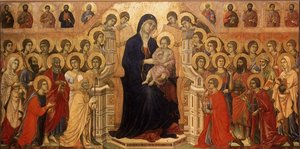
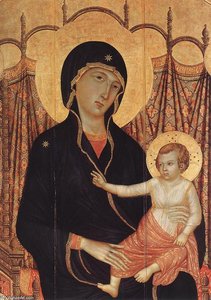
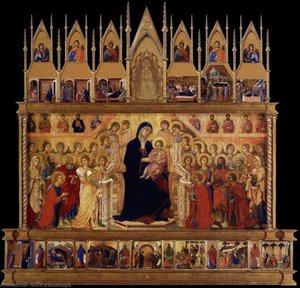
The Dawn of a New Italian Vision: Introducing Duccio’s ‘La Virgen y el Niño’
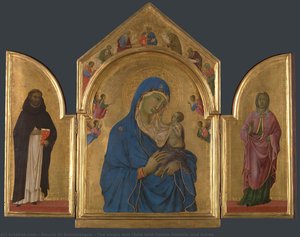
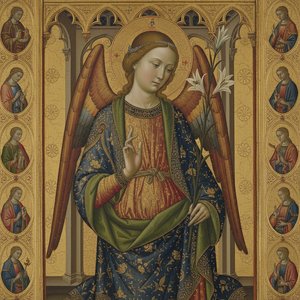
Within the heart of Siena, Italy, during the late 13th and early 14th centuries, an artist named Duccio di Buoninsegna was quietly reshaping the landscape of European painting. Born around 1255, he wasn't merely a painter; he was a pivotal figure bridging the rigid formality of Byzantine art with the burgeoning naturalism and emotional depth that would define the nascent Italian Renaissance. Duccio’s work, particularly ‘La Virgen y el niño con Santos, Profetas y Ángeles,’ stands as a testament to this transformative period – a vibrant synthesis of tradition and innovation, imbued with an intimate humanity previously unseen in religious art.
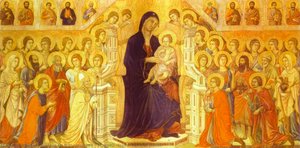
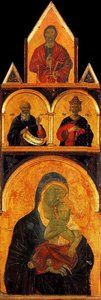
This magnificent panel painting, though its exact dimensions remain unknown, immediately captivates the viewer. It depicts the Virgin Mary cradling the infant Jesus, surrounded by a constellation of saints, prophets, and angels. Yet, it’s not simply a devotional image; it's a carefully constructed narrative brimming with symbolism and reflecting the evolving artistic sensibilities of the time. Duccio masterfully blends Byzantine influences – the rich gold backgrounds, the serene expressions of the figures – with a newfound sensitivity to human form and emotion, subtly shifting the focus from an aloof divine presence to a deeply personal connection between mother and child.
A Symphony of Color and Detail: Technique and Materials
Duccio’s technical prowess is immediately apparent. He employed tempera paint on wood panel, a medium known for its luminosity and durability. The use of gold leaf – lavishly applied to the Virgin's mantle, the halos of the saints, and certain architectural elements – adds an ethereal quality, elevating the scene to a realm of divine splendor. Notice the meticulous detail in each figure’s drapery; the folds are rendered with astonishing realism, creating a sense of volume and movement. The artist skillfully utilizes *sfumato*—a subtle blurring of lines and edges—to soften the forms and create an atmosphere of gentle serenity.
The composition itself is remarkably sophisticated. Duccio doesn’t simply arrange figures in a static tableau; he creates a dynamic space, utilizing perspective to draw the viewer into the scene. The castle-like structure in the background, though somewhat stylized, provides depth and context, suggesting a narrative beyond the immediate depiction of Mary and Jesus. The careful placement of each figure—saints, prophets, angels—contributes to a complex web of relationships and allusions, inviting contemplation and scholarly interpretation.
Symbolism and Spiritual Resonance: Unpacking the Narrative
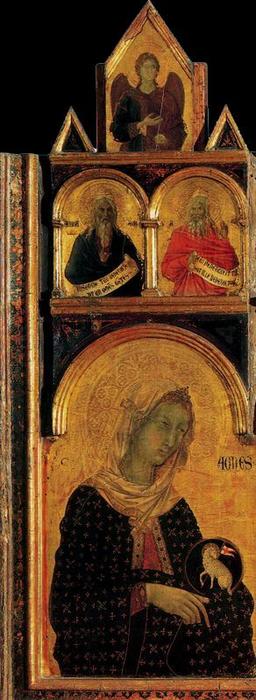
‘La Virgen y el niño’ is rich in symbolic meaning. The presence of saints like Dominic and Aurea reflects the patronage of the painting by a Florentine confraternity dedicated to these figures. The inclusion of prophets – foretelling Christ's birth – reinforces the central theme of salvation. Angels, depicted with graceful wings and serene expressions, serve as messengers of divine grace. Even seemingly minor details—the specific garments worn by each figure, the gestures they make—carry symbolic weight.
Beyond its religious significance, the painting also speaks to the broader cultural context of 14th-century Italy. The depiction of Mary and Jesus in a domestic setting – cradled within a richly adorned space – reflects a growing emphasis on human emotion and experience. Duccio’s work represents a shift away from the purely symbolic representation of religious figures towards a more relatable, even intimate portrayal of their lives.
Bringing ‘La Virgen y el niño’ into Your Space: A Reproduction for Collectors
ArtsDot is proud to offer meticulously hand-painted reproductions of Duccio di Buoninsegna's ‘La Virgen y el niño con Santos, Profetas y Ángeles.’ These aren’t merely prints; they are faithful recreations of the original masterpiece, capturing its vibrant colors, intricate details, and profound emotional resonance. Each reproduction is created by skilled artists using archival-quality materials, ensuring that it will last for generations to come.
Whether you're an art collector, a design enthusiast, or simply seeking a stunning piece of artwork to adorn your home, a ArtsDot reproduction of ‘La Virgen y el niño’ offers a unique opportunity to experience the beauty and power of Duccio’s vision. Explore our collection today and bring this iconic Renaissance masterpiece into your world.
関連作品

アーティストの略歴
ドゥッチョ・ディ・ブオニンセーニャ:イタリア絵画の架け橋
13世紀後半から14世紀初頭にかけて活躍したシエナ派の画家、ドゥッチョ・ディ・ブオニンセーニャ(約1255年 – 1319年頃)は、ビザンティン様式と新たなゴシック絵画の世界を結ぶ、まさに架け橋のような存在でした。彼の生涯については詳細な記録が残されていませんが、その作品群から、彼は単なる画家ではなく、宗教的な物語に人間味を吹き込み、神聖さと世俗性の境界線を曖昧にする革新者であったことが窺えます。ドゥッチョの芸術的探求は、フィレンツェの巨匠からの影響や、東方正教美術への深い理解、あるいはコンスタンティノープルへの旅といった経験が複雑に絡み合って生まれたものと考えられます。
伝統と革新の融合:シエナ派絵画の誕生
ドゥッチョの芸術的進化は、過去からの単純な決別ではなく、むしろ優雅な発展でした。初期の作品には、金箔を贅沢に使用した天上の光を表現する手法や、幽玄な雰囲気を持つ様式化された人物描写など、ビザンティン美術の特徴が色濃く残っていました。しかし、彼は同時に空間配置の実験や色彩調和への探求を進め、その中でも特に注目すべきは、聖なる物語に人間的な感情を込もうとする試みでした。わずかな微笑みや、思索にふける頭の傾げ方など、細部に宿る繊細な表現は、厳格な形式主義を超え、鑑賞者に深い共感を呼び起こします。ドゥッチョは伝統と革新を巧みに融合させ、シエナ派絵画という独自のスタイルを確立しました。それは、後のイタリア美術に多大な影響を与えることになります。
信仰と芸術の傑作:ルーチェッライ・マドンナと maestà
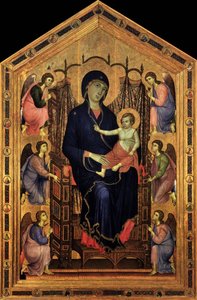
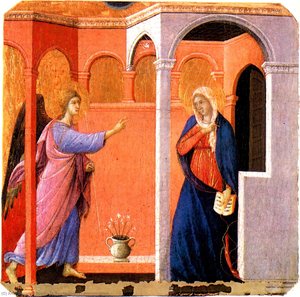
ドゥッチョの才能を示す代表的な作品として、フィレンツェの礼拝堂のために描かれたルーチェッライ・マドンナ(1285年頃)や、シエナ大聖堂のために制作された壮大な祭壇画 maestà(1308年 – 1311年)が挙げられます。ルーチェッライ・マドンナは、伝統的なビザンティン様式を基盤としつつも、空間構成の革新や、聖母子像に宿る人間味あふれる表現が見て取れます。しかし、ドゥッチョの真価が問われるのは、 maestàでしょう。この祭壇画は、聖母マリアとキリストの生涯を描いた多数のパネルで構成されており、それぞれのパネルが独立した芸術作品と言えるほどの完成度を誇ります。 maestà は単なる絵画の集まりではなく、壮大な物語です。光と影の巧みな使いこなし、繊細な身振りによる感情表現、そして革新的な遠近法は、鑑賞者を畏敬の念で包み込みます。
後世への影響:イタリア美術の未来を拓く
ドゥッチョ・ディ・ブオニンセーニャの影響は、彼の死後も色濃く残りました。彼はシエナ派絵画の基礎を築き、その優雅さ、洗練された美しさ、そして感情的な深みは、後の世代の画家たちに多大な影響を与えました。シモーネ・マルティーニやリッポ・メンミ、またロレンツェッティ兄弟といった画家たちは、ドゥッチョの様式的な革新を受け継ぎ、発展させていきました。ジョットがルネサンス様式の幕開けを告げたように、ドゥッチョもまた、14世紀の芸術的変革に不可欠な役割を果たしました。彼の作品は、今日でも世界中の主要な美術館で鑑賞することができ、信仰、芸術、そして人間の感情が織りなす壮大な物語を私たちに伝えています。
ドゥッチョの遺産:西洋美術における重要な位置づけ
ドゥッチョ・ディ・ブオニンセーニャは、西洋美術史において極めて重要な位置を占めています。彼の作品は、ビザンティン様式からゴシック様式への移行期における芸術的探求の頂点を示しており、その後のイタリア絵画の発展に決定的な影響を与えました。ドゥッチョの革新的な試みは、空間表現や遠近法の導入、そして人物描写における人間味の追求など、多岐にわたります。これらの要素は、ルネサンス期の画家たちにも受け継がれ、西洋美術の新たな地平を切り開くこととなりました。
- 彼は空間と遠近法に対する新しいアプローチを先駆けて導入しました。
- 彼の絵画は鮮やかで調和のとれた色彩構成が特徴です。
- 彼は人物に人間的な感情と共鳴を吹き込みました。
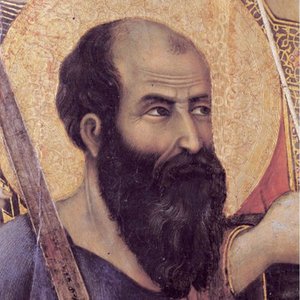
ドゥッチョ・ディ・ブオニンセーニャ
1255 - 1319 , イタリア
基本情報
- フルネーム: ドゥッチョ・ディ・ブオニンセーニャ
- 主な作品:
- ルチェッライの聖母
- マエスタ
- ポリプティコ第28番
- 出生地: シエナ(イタリア)
- 国籍: イタリア
- 影響を与えたアーティストまたは運動:
- シエーナ派
- イタリアゴシック
- 影響を受けたアーティスト: ['ビザンチン美術']
- 死亡日: 1319年頃
- 生年月日: 1255年頃/1260年頃
- 芸術運動またはスタイル: ゴシック、シエーナ派
関連記事
ラファエロ傑作25選:ルネサンス巨匠の物語と芸術の世界 | ArtsDot
ラファエロの傑作25選🎨 ルネサンス巨匠の物語と芸術の世界を紐解きます。美しい絵画複製や壁掛けアートで、お部屋に名画の彩りを。ArtsDot.comで、美術史に残る作品群をご覧ください✨
Illuminating Eternity: A Comprehensive Exploration of Byzantine Art's Legacy
Explore the rich history & stunning artistry of the Byzantine Empire! Discover iconic mosaics, profound symbolism, and lasting influence on Western art. A comprehensive guide for history lovers.
Proto-Renaissance Masters: 10 Artworks That Changed History | ArtsDot
Journey back to the dawn of Renaissance art! Explore 10 iconic Proto-Renaissance masterpieces by Giotto, Cimabue & Duccio. Discover their stories, techniques & lasting impact. Find museum-quality reproductions for your home at ArtsDot.com
Simone Martini: Innovation, Spirituality & Courtly Refinement in Sienese Painting
Explore the captivating world of Simone Martini, a pivotal figure in Sienese painting & the International Gothic style. Discover his innovative techniques, spiritual depth, and lasting influence on early Renaissance art.

ジョット・ディ・ボンドーネ:至高の25選 - ルネサンスの夜明けを彩る傑作たち | ArtsDot
ジョット・ディ・ボンドーネの至高の25選。ルネサンス美術を牽引した巨匠の傑作と、その感動的な物語を紐解きます。高品質な絵画複製やインテリアアートで、名画の世界をあなたの空間に。ArtsDot.com でコレクションをご覧ください。