

 プレビュー
プレビュー
 プリントを購入
 シェアする
シェアする シェアする
シェアする
 詳細を見る
詳細を見る

 ダウンロード
 似ている作品
 X線調査
X線調査 スライドショー
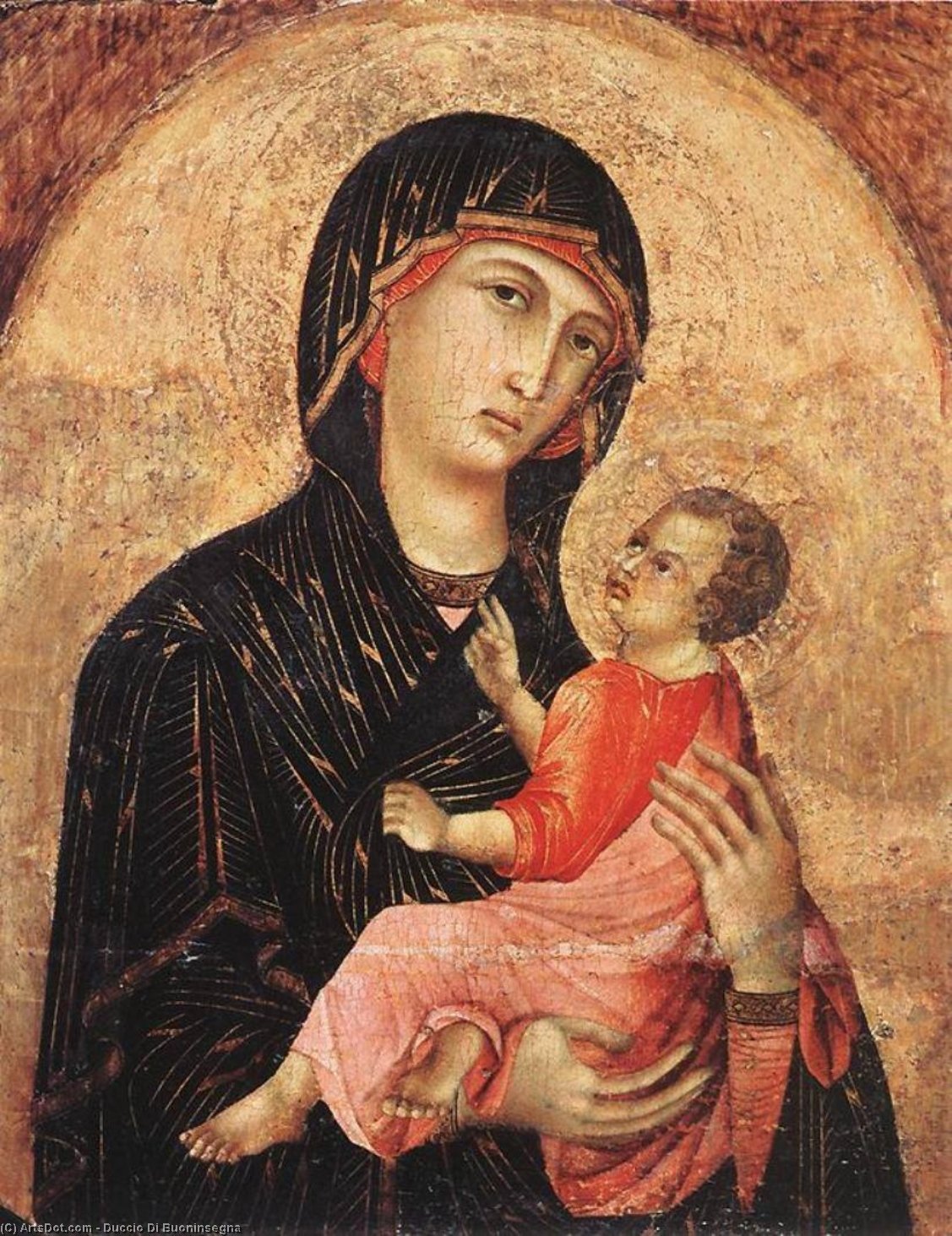
Madonna and Child (no. 593)
 キャンバスにアクリル絵具
- ウォールアート
- Sienese Gothic
 1280
1280- 中世盛期
 63.0 x 49.0 cm
 Pinacoteca Nazionale
 詳細を見る
詳細を見る
オンラインプレビューをはるかに凌ぐ、高解像度で鮮明なデジタル画像をご購入いただけます。
各ファイルは、社内の専門家が高度なツールと熟練した手作業によるレタッチを用いて、細心の注意を払って準備されています。すべての画像において、卓越した鮮明度、正確な色彩再現性、そして繊細なディテールを保証いたします。
最終ファイルは、プロフェッショナルな編集・印刷環境ですぐにご利用いただけるよう最適化された状態で、72時間以内にメールにてお届けいたします。これは、一流のデザインスタジオ、出版社、ギャラリーから信頼されているものと同等の品質です。
デジタル画像のご注文に付随する特典
高品質なデジタル画像配信を、確かな品質で。
ArtsDot.com を選ぶことは、単に画像を手に入れることではありません。それは、プロの手によって精密に仕上げられ、満足保証が付いた高品質なデジタルアートワークを受け取ることを意味します。ご注文いただいた際に自動的に付随する内容は、以下の通りです:

メールですぐにお届け
ご注文から72時間以内に、高解像度のデジタル画像ファイルがメールでお手元に届きます。すぐにそのままご利用いただけます。

AI技術で最適化されたデジタルファイル
お客様の作品は、高度なAIツールと専門家による手作業の編集を組み合わせてプロフェッショナルに最適化されており、細部のディテール、鮮明さ、そして正確な色再現性を最大限に引き出しています。

一生涯無料の再送サービス
ファイルを誤って削除したり、紛失してしまったりしましたか?ご安心ください。いつでも無料で再送いたします。

輸入手数料は一切かかりません
関税や手数料、配送料を気にすることなく、お気に入りのアートワークをすぐにお楽しみいただけます。デジタルダウンロードは常に免税です。

色彩再現の保証
プロ仕様のツールとカラーマネジメント技術を用いることで、デジタル画像が元の色を最大限に忠実に再現することを保証いたします。

60日間満足保証
ご購入いただいたデジタル画像にご満足いただけない場合は、60日以内であれば、修正または100%の返金(理由を問う必要はありません)をさせていただきます。

100% 返金保証
ご満足いただけない場合は、デジタルファイルを受け取ってから60日以内であれば、理由を問わず全額返金いたします。

まとめ買い割引
3枚購入で10%OFF - 5枚購入で15%OFF - 10枚以上購入で20%OFF。クリエイティブなプロジェクト、ギャラリー、エージェンシーに最適です。
作品の詳細
A Vision of Serenity: Duccio’s Madonna and Child (no. 593)
Duccio di Buoninsegna, a towering figure of the Sienese School and a pivotal artist in the development of Italian painting during the late 13th and early 14th centuries, invites us into a realm of profound tenderness with his *Madonna and Child (no. 593)*. Housed within the esteemed Pinacoteca Nazionale in Siena, Italy, this tempera on wood panel—measuring a delicate 63 x 49 cm—is more than just a painting; it’s a window into the devotional heart of the medieval world.The Composition and Artistic Style
The artwork centers around the iconic image of the Virgin Mary cradling the Christ Child. Duccio masterfully conveys a sense of intimate connection between mother and son, their faces radiating serenity and grace. The composition is remarkably balanced, drawing the viewer’s eye to the central figures. While rooted in the Byzantine tradition—evident in the flattened perspective and stylized forms—Duccio begins to introduce elements that foreshadow the coming Renaissance. His use of delicate modeling and subtle shading adds a nascent naturalism, softening the rigid formality often found in earlier religious iconography. The background, enveloped in rich gold leaf, isn’t merely decorative; it creates a halo-like effect, elevating the figures to a divine sphere and emphasizing their spiritual significance.Technique and Materials
Duccio's skill as a craftsman is readily apparent in his meticulous technique. He employed tempera—pigments mixed with egg yolk—on a wood panel prepared with gesso. This medium allowed for precise detail and vibrant color, which have remarkably endured through the centuries. The layering of paint creates a subtle texture, adding depth and luminosity to the scene. The application of gold leaf, painstakingly applied, not only provides a luxurious backdrop but also symbolizes divine light and eternity.Historical Context and Duccio’s Legacy
Created around 1280, *Madonna and Child (no. 593)* reflects the flourishing artistic environment of Siena during the Trecento period. Siena, a powerful city-state, developed a distinctive school of painting characterized by its elegance, refined color palettes, and devotional intensity. Duccio was at the forefront of this movement, influencing generations of artists including Simone Martini and Niccolò di Segna. His innovations in composition, use of space, and emotional expression paved the way for the artistic breakthroughs of the Renaissance. He moved beyond strict Byzantine conventions, imbuing his figures with a greater sense of humanity and psychological depth.Symbolism and Emotional Resonance
Every element within the painting carries symbolic weight. The Virgin Mary, depicted as the *Theotokos* (God-bearer), represents purity, compassion, and maternal love. The Christ Child, often portrayed with a gesture of blessing or teaching, symbolizes salvation and divine wisdom. The gold background signifies heaven and eternity, while the tender embrace between mother and child embodies the profound bond of faith and devotion. The painting evokes a sense of peace, reverence, and spiritual contemplation—qualities that resonated deeply with medieval audiences and continue to captivate viewers today.Collecting & Interior Design Considerations
A high-quality reproduction of Duccio’s *Madonna and Child (no. 593)* offers a timeless addition to any art collection or interior space. Its serene palette and elegant composition lend themselves well to a variety of settings, from traditional living rooms to contemporary bedrooms. Consider pairing it with complementary colors—deep blues, rich reds, and warm golds—to enhance its visual impact.- Its intimate scale makes it ideal for smaller spaces.
- The devotional subject matter adds a sense of tranquility and spiritual depth.
- The gold leaf detailing provides a touch of luxury and sophistication.
関連作品
作家の略歴
ドゥッチョ・ディ・ブオニンセーニャ:イタリア絵画の架け橋
13世紀後半から14世紀初頭にかけて活躍したシエナ派の画家、ドゥッチョ・ディ・ブオニンセーニャ(約1255年 – 1319年頃)は、ビザンティン様式と新たなゴシック絵画の世界を結ぶ、まさに架け橋のような存在でした。彼の生涯については詳細な記録が残されていませんが、その作品群から、彼は単なる画家ではなく、宗教的な物語に人間味を吹き込み、神聖さと世俗性の境界線を曖昧にする革新者であったことが窺えます。ドゥッチョの芸術的探求は、フィレンツェの巨匠からの影響や、東方正教美術への深い理解、あるいはコンスタンティノープルへの旅といった経験が複雑に絡み合って生まれたものと考えられます。
伝統と革新の融合:シエナ派絵画の誕生
ドゥッチョの芸術的進化は、過去からの単純な決別ではなく、むしろ優雅な発展でした。初期の作品には、金箔を贅沢に使用した天上の光を表現する手法や、幽玄な雰囲気を持つ様式化された人物描写など、ビザンティン美術の特徴が色濃く残っていました。しかし、彼は同時に空間配置の実験や色彩調和への探求を進め、その中でも特に注目すべきは、聖なる物語に人間的な感情を込もうとする試みでした。わずかな微笑みや、思索にふける頭の傾げ方など、細部に宿る繊細な表現は、厳格な形式主義を超え、鑑賞者に深い共感を呼び起こします。ドゥッチョは伝統と革新を巧みに融合させ、シエナ派絵画という独自のスタイルを確立しました。それは、後のイタリア美術に多大な影響を与えることになります。
信仰と芸術の傑作:ルーチェッライ・マドンナと maestà
ドゥッチョの才能を示す代表的な作品として、フィレンツェの礼拝堂のために描かれたルーチェッライ・マドンナ(1285年頃)や、シエナ大聖堂のために制作された壮大な祭壇画 maestà(1308年 – 1311年)が挙げられます。ルーチェッライ・マドンナは、伝統的なビザンティン様式を基盤としつつも、空間構成の革新や、聖母子像に宿る人間味あふれる表現が見て取れます。しかし、ドゥッチョの真価が問われるのは、 maestàでしょう。この祭壇画は、聖母マリアとキリストの生涯を描いた多数のパネルで構成されており、それぞれのパネルが独立した芸術作品と言えるほどの完成度を誇ります。 maestà は単なる絵画の集まりではなく、壮大な物語です。光と影の巧みな使いこなし、繊細な身振りによる感情表現、そして革新的な遠近法は、鑑賞者を畏敬の念で包み込みます。
後世への影響:イタリア美術の未来を拓く
ドゥッチョ・ディ・ブオニンセーニャの影響は、彼の死後も色濃く残りました。彼はシエナ派絵画の基礎を築き、その優雅さ、洗練された美しさ、そして感情的な深みは、後の世代の画家たちに多大な影響を与えました。シモーネ・マルティーニやリッポ・メンミ、またロレンツェッティ兄弟といった画家たちは、ドゥッチョの様式的な革新を受け継ぎ、発展させていきました。ジョットがルネサンス様式の幕開けを告げたように、ドゥッチョもまた、14世紀の芸術的変革に不可欠な役割を果たしました。彼の作品は、今日でも世界中の主要な美術館で鑑賞することができ、信仰、芸術、そして人間の感情が織りなす壮大な物語を私たちに伝えています。
ドゥッチョの遺産:西洋美術における重要な位置づけ
ドゥッチョ・ディ・ブオニンセーニャは、西洋美術史において極めて重要な位置を占めています。彼の作品は、ビザンティン様式からゴシック様式への移行期における芸術的探求の頂点を示しており、その後のイタリア絵画の発展に決定的な影響を与えました。ドゥッチョの革新的な試みは、空間表現や遠近法の導入、そして人物描写における人間味の追求など、多岐にわたります。これらの要素は、ルネサンス期の画家たちにも受け継がれ、西洋美術の新たな地平を切り開くこととなりました。
- 彼は空間と遠近法に対する新しいアプローチを先駆けて導入しました。
- 彼の絵画は鮮やかで調和のとれた色彩構成が特徴です。
- 彼は人物に人間的な感情と共鳴を吹き込みました。
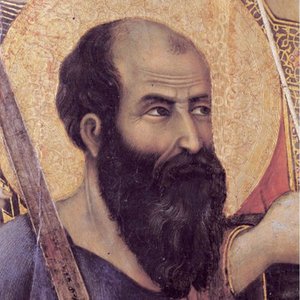
ドゥッチョ・ディ・ブオニンセーニャ
1255 - 1319 , イタリア
プロフィール概要
- フルネーム: ドゥッチョ・ディ・ブオニンセーニャ
- 主な作品:
- ルチェッライの聖母
- マエスタ
- ポリプティコ第28番
- 出生地: シエナ(イタリア)
- 国籍: イタリア
- 影響を与えたアーティストまたは運動:
- シエーナ派
- イタリアゴシック
- 影響を受けたアーティスト: ['ビザンチン美術']
- 死亡日: 1319年頃
- 生年月日: 1255年頃/1260年頃
- 芸術運動またはスタイル: ゴシック、シエーナ派

