

 プレビュー
プレビュー
 シェアする
シェアする シェアする
シェアする
 詳細を見る
詳細を見る

 ダウンロード
 似ている作品
 X線調査
X線調査 スライドショー
 Stats
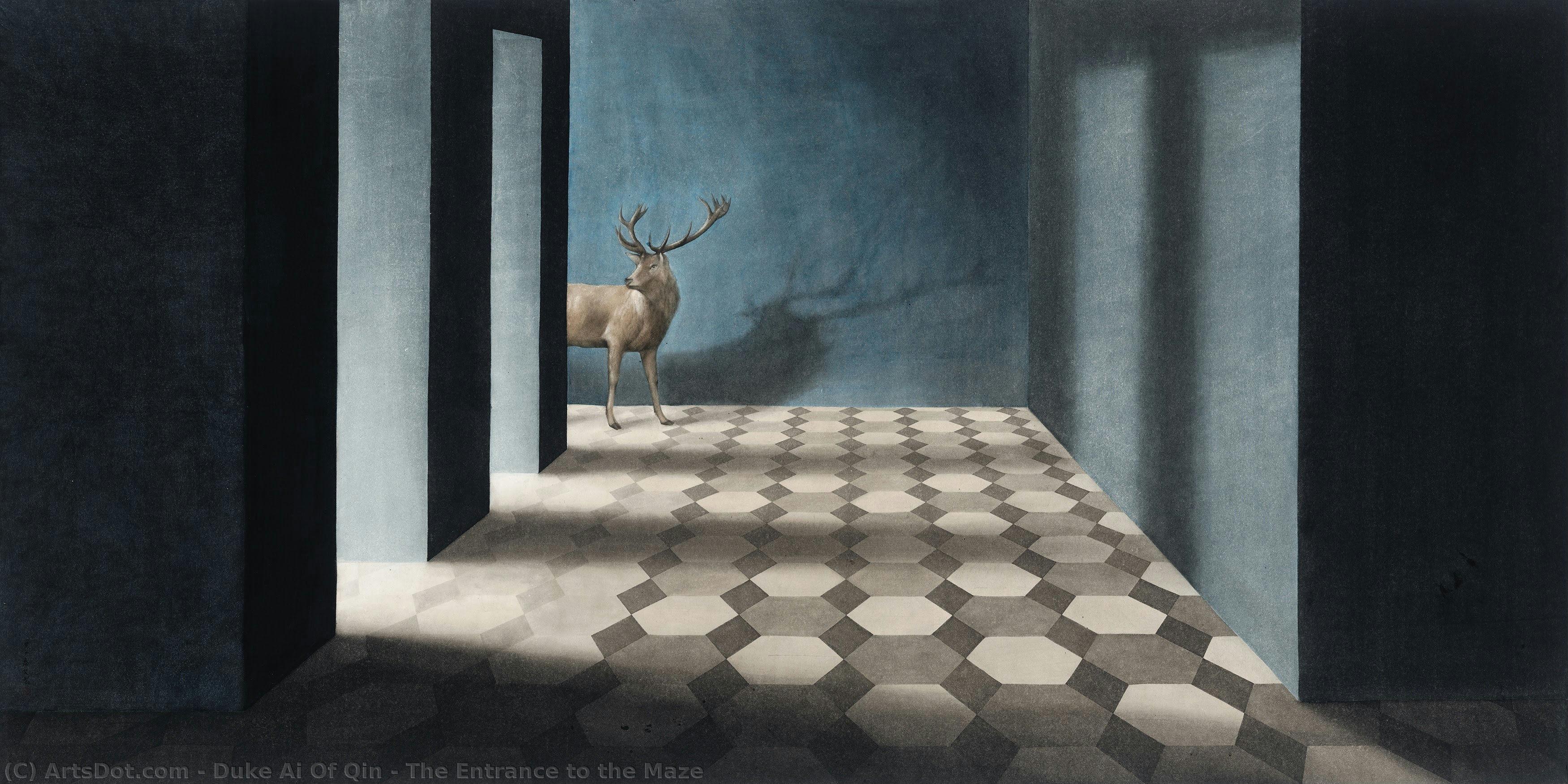
StatsThe Entrance to the Maze

 詳細を見る
詳細を見る
手描き油彩複製画
当社のアーティストが、お客様のご希望のサイズと額縁に合わせて、キャンバスに手描きで制作する油彩画です。 ( Switch to Print Switch to Digital Image)




































作品のオリジナル比率に合わせた、当店の規定サイズからお選びください。

特定のフレームやスペースに合わせて、ご希望のサイズをご入力いただけます。選択されたサイズが元の画像の比率と異なる場合、アートワークをトリミングするか、手描きで要素を追加して絵画を拡張いたします。デジタルモックアップ を制作し、制作開始前にご確認(承認)をいただきます。
画面上のプレビューは、実際のトリミングや拡張を正確に反映しているものではありません。最終的な構図は、モックアップによってのみ正確にご確認いただけます。
カスタムサイズもご利用いただけますが、元の比率を維持するためには、あらかじめ用意されたリストからサイズを選択することをお勧めいたします。
ご注文後、ArtsDot.com チームより詳細な指示をお送りするとともに、仕上がりイメージ(モックアップ)をご提供いたします。


 ガラスオプションは、110cm未満のサイズでのみご利用いただけます。

The Entrance to the Maze
複製技法
複製画のサイズ
-


合計金額
$ 263
関連作品








アーティストの略歴
Duke Ai of Qin: A Bridge Between Tradition and Revolution
Duke Ai of Qin (c. 577 – 501 BC) stands as a pivotal, yet often obscured, figure in Chinese history—a ruler whose reign marked the crucial transition from the fragmented Spring and Autumn period to the unified Qin dynasty. More than just a king, he was a diplomat, a military strategist, and a key player in shaping the destiny of China through his complex marriage alliances and strategic interventions. His story is interwoven with political intrigue, cultural exchange, and ultimately, the rise of one of history’s most transformative empires. Born into the Ying clan of Qin, a relatively minor state on the western frontier, Duke Ai inherited a kingdom grappling with instability and surrounded by powerful rivals. He ascended to the throne in 536 BC, inheriting a legacy of cautious diplomacy and limited territorial expansion—a stark contrast to the ambitious policies that would define his successor, Shi Huangdi.The Delicate Dance of Diplomacy: Marriage and Alliances
Duke Ai’s reign is most famously remembered for his strategic marriage alliance with the state of Chu, a powerful neighbor to the east. Recognizing Qin's vulnerability, he betrothed his daughter, Bo Ying, to Crown Prince Jian of Chu in 523 BC. This wasn’t merely a dynastic union; it was a calculated move designed to secure an essential ally against the growing threat of Wu, a formidable state to the south. However, the arrangement quickly became entangled in a web of ambition and betrayal. Fei Wuji, a shrewd minister of King Ping of Chu, recognized the beauty and value of Bo Ying and skillfully persuaded King Ping to take her as his own wife. This act dramatically altered the terms of the agreement, leading to Prince Jian’s flight from court and subsequent death—a tragedy that profoundly impacted the political landscape of both states. Duke Ai's initial reluctance to intervene in Chu’s internal affairs highlights a cautious approach born of years of relative isolation. Yet, he ultimately recognized the strategic imperative of supporting Chu against Wu, dispatching generals Zipu and Zihu with 500 chariots—a significant military contribution that proved vital in the ensuing conflict.A Warrior's Resolve: Defending Chu Against Wu
The alliance between Qin and Chu culminated in a series of decisive battles against the aggressive expansionist policies of Wu, led by King Helü. In 506 BC, Wu launched a devastating invasion of Chu, capturing its capital city, Ying. This crisis forced Duke Ai to abandon his cautious stance and mobilize Qin’s forces. He dispatched a substantial military expedition, spearheaded by the capable generals Zipu and Zihu, along with 500 chariots—a considerable investment for a state accustomed to limited resources. The joint Qin-Chu army decisively defeated Wu at several key engagements, forcing King Helü to retreat back to his own territory. This victory not only saved Chu from annihilation but also significantly bolstered Qin’s prestige and influence in the region. It demonstrated Duke Ai's ability to translate diplomatic maneuvering into tangible military success—a crucial step towards establishing Qin as a major power.Legacy and Transition: The Seeds of Empire
Duke Ai’s reign, lasting 36 years, was marked by a delicate balance between maintaining stability within Qin and navigating the treacherous currents of regional politics. He skillfully managed internal affairs, consolidating Qin's territory and strengthening its defenses. His death in 501 BC ushered in a period of transition, with his son, Duke Yi, inheriting a kingdom poised on the brink of transformation. Duke Yi’s subsequent demise led to the succession of Duke Hui I, who, despite his short reign, laid the groundwork for the ambitious reforms that would ultimately culminate in the establishment of the Qin dynasty by his grandson, Qin Shi Huangdi. Duke Ai's legacy is therefore not one of grand conquest or dramatic innovation, but rather as a shrewd diplomat and pragmatic ruler—a bridge between the fragmented world of the Spring and Autumn period and the centralized empire that was to follow. His strategic marriage alliance with Chu, coupled with his decisive military support, proved instrumental in shaping the trajectory of Chinese history.Artistic Interpretation: Echoes of Qin’s Era
The story of Duke Ai of Qin provides a rich tapestry for artistic exploration. Contemporary interpretations often draw upon traditional Chinese motifs—the flowing robes of imperial officials, the majestic chariots of the military, and the serene landscapes that framed the lives of the ruling elite. Modern digital artists, such as those represented on ArtsDot.com, frequently employ interval art styles – a technique blending traditional ink painting with modern digital aesthetics – to evoke the atmosphere of Qin’s era. The use of muted colors, layered textures, and dynamic compositions can capture both the grandeur and the underlying tensions of this pivotal period in Chinese history. The juxtaposition of natural elements—mountains, rivers, and clouds—with depictions of political intrigue and military campaigns creates a powerful visual narrative that resonates with viewers long after the artwork is viewed.
duke ai of qin
China
基本情報
- Artistic Movement Or Style: Interval art
- Artists Or Movements Influenced By This Artist: ['Qin Dynasty Art']
- Artists Who Influenced This Artist:
- Duke Jing of Qin
- Duke Hui I of Qin
- Date Of Birth: Qing, China (BC)
- Date Of Death: Living
- Full Name: Duke Ai of Qin”, also known as Qin Ai
- Nationality: Chinese
- Notable Artworks:
- Bo Ying Betrothal
- Chu-Wu Conflict
- King Zhao’s Ascent
- Place Of Birth: Qin, China