

 プレビュー
プレビュー
 プリントを購入
 シェアする
シェアする シェアする
シェアする
 詳細を見る
詳細を見る

 ダウンロード
 似ている作品
 X線調査
X線調査 スライドショー
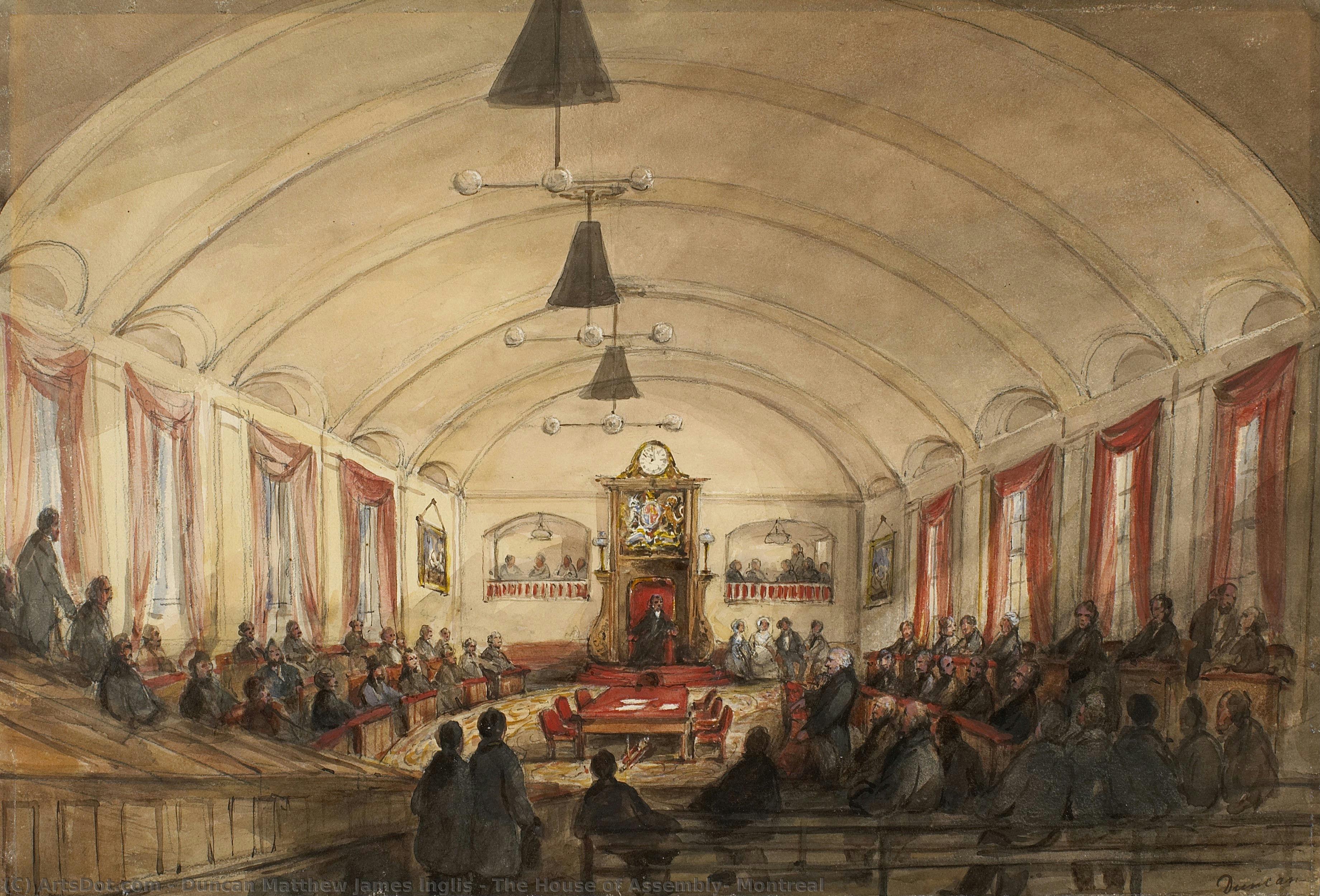
The House of Assembly, Montreal
 Drawing
- WallArt
 1848
1848- 19th Century
 27.0 x 40.0 cm
 国立カナダ美術館
 詳細を見る
詳細を見る




P118B $10

P118H $10

P118W $10

P438Z $10

P508JH $12

P508YH $12

P805H $10

P805Z $10

P919BZ $10

P919G $10

P919XJ $10

P959ZH $10

P968JZ $12

W106C $8

W218G $10

W218JH $8

W218Y $10

W307PJ $10

W316G $10

W316PJ $8

W316Y $10

W398PJ $8

W4111J $10

W500HY $15

W500JH $15

W692G $12

W849H $8

W940BG $15

W953PJ $8




作品のオリジナル比率に合わせた、当店の規定サイズからお選びください。

特定のフレームやスペースに合わせて、ご希望のサイズをご入力いただけます。選択されたサイズが元の画像の比率と異なる場合、アートワークをトリミングするか、手描きで要素を追加して絵画を拡張いたします。デジタルモックアップ を制作し、制作開始前にご確認(承認)をいただきます。
画面上のプレビューは、実際のトリミングや拡張を正確に反映しているものではありません。最終的な構図は、モックアップによってのみ正確にご確認いただけます。
カスタムサイズもご利用いただけますが、元の比率を維持するためには、あらかじめ用意されたリストからサイズを選択することをお勧めいたします。
ご注文後、ArtsDot.com チームより詳細な指示をお送りするとともに、仕上がりイメージ(モックアップ)をご提供いたします。


 ガラスオプションは、110cm未満のサイズでのみご利用いただけます。

The House of Assembly, Montreal
複製技法
複製画のサイズ
-


合計金額
$ 263
A Window into the Past: The House of Assembly, Montreal
In the quiet, monochromatic depths of The House of Assembly, Montreal, we are transported back to the year 1848, a pivotal moment in the architectural and political soul of Canada. This evocative work serves as more than just a visual record; it is a hauntingly beautiful portal into a bygone era of formal governance and social gravity. Through the delicate interplay of light and shadow, the artist captures a sprawling chamber where the weight of decision-making hangs heavy in the air. The scene is populated by figures caught in moments of quiet contemplation or husled dialogue, their presence lending a sense of lived history to the vast, structured space. As one gazes upon the arrangement of chairs and the steady, unblinking gaze of the wall clock, there is an undeniable feeling of time suspended—a frozen heartbeat of a legislative assembly mid-motion.
The technical execution of this piece relies on a masterful command of tonal range, utilizing the stark elegance of black and white to strip away the distractions of color and focus the viewer's attention on form and atmosphere. The composition is meticulously balanced, guiding the eye from the foreground figures toward the architectural grandeur of the hall. This monochromatic approach lends the work an archival, almost ghostly quality, emphasizing the textures of the wood, the fabric of the garments, and the stark geometry of the room. For the discerning collector or interior designer, this piece offers a sophisticated layer of historical depth, providing a focal point that commands respect through its understated power and classical composition.
Beyond its aesthetic allure, the artwork carries a profound symbolic resonance. The assembly hall, with its organized seating and central clock, symbolizes the order, structure, and the relentless march of progress that characterized the mid-19th century. The gathering of individuals represents the collective human effort to shape destiny through discourse and law. There is an emotional intimacy found in the way the figures are clustered; even in a room of such scale, the painting captures the small, human connections that occur within the grand machinery of statehood. It is a piece that invites quiet reflection on the continuity of history and the enduring nature of our institutions.
Integrating a high-quality reproduction of this masterpiece into a contemporary space offers an unparalleled opportunity for storytelling. Whether placed in a stately library, a professional office, or a curated gallery wall, The House of Assembly, Montreal acts as a conversation starter, bridging the gap between the nineteenth century and the modern day. It provides a sense of permanence and intellectual rigor, making it an ideal selection for those who seek to surround themselves with art that possesses both historical significance and a timeless, evocative spirit.
関連作品
アーティストの略歴
The Melodic Journey of Duncan James
Born in the historic city of Salisbury, Wiltshire, on April 7, 1978, Duncan Matthew James Inglis emerged from a background deeply rooted in musical tradition. Raised primarily by his grandparents in Dorset, his early years were shaped by the disciplined yet soulful influence of his grandfather, a dedicated music teacher. This foundational connection to melody and rhythm provided the fertile soil in which his innate talents could take root. Growing laughter within a strict Catholic environment, James developed a sense of discipline and emotional depth that would later define his presence on the global stage. His early education at Dumpton School, Milldown School, Corfe Hills School, and Sidmouth College allowed him to explore various facets of performance, from playing Puck in A Midsummer Night's Dream to portraying Dr. Watson in Sherlock Holmes for local youth theatre.
The dawn of the new millennium brought with it a seismic shift in his career as he joined forces with Antony Costa, Lee Ryan, and Simon Webbe to form the iconic boy band Blue. This quartet did more than just sing; they crafted a sonic landscape that blended R&B influences with infectious pop melodies, capturing the zeitgeist of early 2000s British music. With the release of their debut single “All Rise,” the group ascended to the heights of the UK Singles Chart, followed by the monumental success of “Too Close” and the emotive ballad “If You Can Come Back.” The sheer scale of their achievement was reflected in the massive sales of their debut album All Rise, which moved over 1.8 million copies in the United Kingdom alone, cementing James's status as a cornerstone of pop culture history.
Versatility Beyond the Spotlight
As the initial fever of boy band mania transitioned into a new era, Duncan James demonstrated a remarkable capacity for reinvention, proving that his artistry was not confined to the recording studio. He pivoted toward the dramatic arts with a seamless grace, finding a new home on the television screen. His portrayal of Ryan Knight in the long-running British soap opera Hollyoaks allowed him to explore much darker, more complex psychological territories than his pop persona had previously permitted. By stepping into the role of a plainclothes police officer grappling with internal conflict, he showcased a nuanced acting range that resonated with audiences far beyond the music charts.
This period of his life was marked by an expansion of his creative identity, encompassing roles as a television presenter and a participant in various high-profile programs such as Celebrity Hunted and Dancing on Ice. His ability to navigate the intersection of music, drama, and reality television speaks to a profound versatility. Whether representing England at the Eurovision Song Contest in Düsseldorf or appearing in comedic roles like his caricature in the sitcom Plus One, James has maintained a consistent thread of charisma and engagement. His career serves as a testament to the idea that an artist's true significance lies not just in their initial success, but in their courage to evolve and explore the multifaceted dimensions of their own creative spirit.

duncan matthew james inglis
1978 - , United Kingdom
基本情報
- Artistic Movement Or Style: Contemporary Art
- Artists Or Movements Influenced By This Artist:
- Rembrandt van Rijn
- Michelangelo Buonarroti
- Vincent van Gogh
- Pierre-Auguste Renoir
- Artists Who Influenced This Artist:
- Leonardo da Vinci
- Claude Monet
- Date Of Birth: April 7, 1978
- Full Name: Duncan Matthew James Inglis
- Nationality: British
- Notable Artworks: ['The House of Assembly, Montreal']
- Place Of Birth: Salisbury, United Kingdom
関連記事
White on Canvas: 10 Masterpieces & Timeless Elegance for Your Home Decor
Explore 10 iconic white paintings by Monet, Whistler & Rothko! Discover the stories behind these serene masterpieces and their impact on art history. Find museum-quality reproductions for your home decor at .

Monochrome Visions: Exploring the Aesthetic & Historical Significance of Black & White Photography
Explore the rich history & artistic power of black and white photography. From early techniques to iconic masters like Ansel Adams, discover why monochrome continues to captivate art lovers today. Expert insights for collectors.

Dark Masterpieces: 10 Iconic Paintings Dominated by Black Tones |
Explore 10 iconic paintings dominated by black tones, from Rembrandt’s chiaroscuro to Goya's dark expressions. Discover the stories behind these masterpieces & find museum-quality art reproductions for your home at .
Chromatic Absence: Exploring the Aesthetic Power of Black & White Art
Explore the captivating world of monochrome art! Discover its rich history, influential artists like Malevich & Klein, and profound emotional impact. Expert insights for collectors & design enthusiasts.
現代インテリアデザインにおける黒、白、グレー抽象の魔力:装飾と空間の深化
ホテルデザインに最適な黒、白、グレーの抽象画選びをサポート。色彩心理学に基づいた空間演出から、ArtsDot.comのカスタムアートまで、専門家が洗練されたインテリアを実現します。