

![La Divina Commedia / [immagini Di Amos Nattini!] — Durante Di Alighiero Degli Alighieri](/media/artworks/images-full/de/76/de760d6b4a579259f1640fb709e1af4b.jpg)
 プレビュー
プレビュー
 プリントを購入
 シェアする
シェアする シェアする
シェアする
 詳細を見る
詳細を見る

 ダウンロード
 似ている作品
 X線調査
X線調査 スライドショー
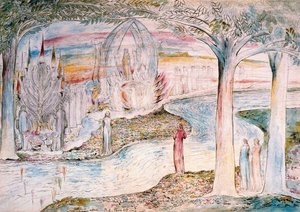
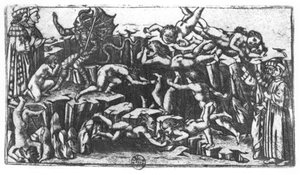
La Divina Commedia / [immagini di Amos Nattini!]


 詳細を見る
詳細を見る
オンラインプレビューをはるかに凌ぐ、高解像度で鮮明なデジタル画像をご購入いただけます。
各ファイルは、社内の専門家が高度なツールと熟練した手作業によるレタッチを用いて、細心の注意を払って準備されています。すべての画像において、卓越した鮮明度、正確な色彩再現性、そして繊細なディテールを保証いたします。
最終ファイルは、プロフェッショナルな編集・印刷環境ですぐにご利用いただけるよう最適化された状態で、72時間以内にメールにてお届けいたします。これは、一流のデザインスタジオ、出版社、ギャラリーから信頼されているものと同等の品質です。
デジタル画像のご注文に付随する特典
高品質なデジタル画像配信を、確かな品質で。
ArtsDot.com を選ぶことは、単に画像を手に入れることではありません。それは、プロの手によって精密に仕上げられ、満足保証が付いた高品質なデジタルアートワークを受け取ることを意味します。ご注文いただいた際に自動的に付随する内容は、以下の通りです:

メールですぐにお届け
ご注文から72時間以内に、高解像度のデジタル画像ファイルがメールでお手元に届きます。すぐにそのままご利用いただけます。

AI技術で最適化されたデジタルファイル
お客様の作品は、高度なAIツールと専門家による手作業の編集を組み合わせてプロフェッショナルに最適化されており、細部のディテール、鮮明さ、そして正確な色再現性を最大限に引き出しています。

一生涯無料の再送サービス
ファイルを誤って削除したり、紛失してしまったりしましたか?ご安心ください。いつでも無料で再送いたします。

輸入手数料は一切かかりません
関税や手数料、配送料を気にすることなく、お気に入りのアートワークをすぐにお楽しみいただけます。デジタルダウンロードは常に免税です。

色彩再現の保証
プロ仕様のツールとカラーマネジメント技術を用いることで、デジタル画像が元の色を最大限に忠実に再現することを保証いたします。

60日間満足保証
ご購入いただいたデジタル画像にご満足いただけない場合は、60日以内であれば、修正または100%の返金(理由を問う必要はありません)をさせていただきます。

100% 返金保証
ご満足いただけない場合は、デジタルファイルを受け取ってから60日以内であれば、理由を問わず全額返金いたします。

まとめ買い割引
3枚購入で10%OFF - 5枚購入で15%OFF - 10枚以上購入で20%OFF。クリエイティブなプロジェクト、ギャラリー、エージェンシーに最適です。
関連作品
作家の略歴
The Florentine Visionary: A Life Dedicated to Verse
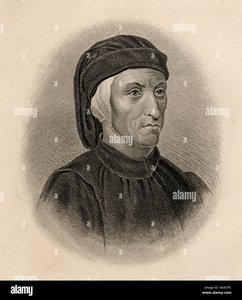
Durante di Alighiero degli Alighieri, known universally as Dante, stands as a monumental figure in the landscape of Western literature. Born in Florence around 1265 – the precise date remains shrouded in the mists of time, though May is widely accepted – his life was inextricably interwoven with the tumultuous political and social currents of medieval Italy. He wasn’t merely a poet; he was a philosopher, a political thinker, and a linguist who fundamentally reshaped the Italian language itself. His family, while possessing noble lineage, occupied a modest position in Florentine society, allowing Dante access to an education that fostered his intellectual curiosity but also exposed him to the realities of civic strife.
Florence during Dante’s youth was a vibrant hub of commerce and culture, yet deeply fractured by internal conflicts between powerful factions – notably the Guelphs and Ghibellines. These divisions would profoundly impact Dante's life, ultimately leading to his exile in 1302. His early literary endeavors, such as *La Vita Nuova* (The New Life), a collection of lyrical poems interwoven with prose narratives celebrating his idealized love for Beatrice Portinari, reveal a burgeoning talent steeped in the traditions of courtly love and the *Dolce Stil Novo*, a poetic movement emphasizing refined emotion and elegant language. However, even in these early works, hints of Dante’s unique philosophical depth and political awareness begin to emerge.
The Divine Comedy: A Journey Through Realms
It is, of course, for *La Divina Commedia* (The Divine Comedy) that Dante achieved enduring fame. Composed during his exile – a period marked by hardship, wandering, and profound reflection – this epic poem transcends the boundaries of mere literature; it’s a theological, philosophical, and political masterpiece. The poem chronicles an allegorical journey through Hell (*Inferno*), Purgatory (*Purgatorio*), and Heaven (*Paradiso*), guided first by the Roman poet Virgil and then by Beatrice herself. The sheer scope of Dante's vision is breathtaking, populated with historical figures, mythological creatures, and contemporary personalities, each serving as a vehicle for exploring themes of sin, redemption, justice, and divine love.
What sets *The Divine Comedy* apart isn’t simply its narrative power but also its innovative use of the vernacular – Tuscan dialect. At a time when Latin was the language of scholarship and high culture, Dante boldly chose to write in the language spoken by the people, elevating it to a level of literary sophistication previously unheard of. This decision not only broadened the poem’s accessibility but also laid the foundation for modern Italian as we know it today. His treatise *De vulgari eloquentia* (On Eloquence in the Vernacular) further solidified his commitment to the power and potential of the spoken language, arguing for its legitimacy as a medium for artistic expression.
Influences and Artistic Development
Dante’s intellectual lineage was rich and diverse. He drew inspiration from classical authors like Virgil, whose *Aeneid* served as a structural model for *The Divine Comedy*, and Aristotle, whose philosophical ideas profoundly influenced his worldview. He also absorbed the theological teachings of Thomas Aquinas and the mystical traditions of medieval Christianity. However, Dante wasn’t merely an imitator; he synthesized these influences into something entirely new and uniquely his own.
His early works demonstrate a gradual evolution towards greater complexity and philosophical depth. *La Vita Nuova* showcases his mastery of lyric poetry and his exploration of courtly love themes. Later, in *Convivio* (The Banquet), an unfinished work of philosophical exposition, Dante grapples with complex questions of morality, politics, and the nature of knowledge. These works paved the way for the ambitious scope and profound insights of *The Divine Comedy*, which represents the culmination of his artistic and intellectual development.
A Lasting Legacy: The Father of Italian Literature
Dante’s impact on Western culture is immeasurable. *The Divine Comedy* continues to be studied, analyzed, and celebrated centuries after its completion. His vivid imagery, compelling characters, and profound philosophical insights have inspired countless artists, writers, and thinkers. He is rightfully regarded as the “father” of the Italian language, and his work remains a cornerstone of Italian national identity.
Beyond Italy, Dante’s influence can be seen in the works of Geoffrey Chaucer, John Milton, Alfred Tennyson, and many others. His exploration of universal themes – sin, redemption, love, loss, and the search for meaning – resonates with readers across cultures and generations. The *terza rima*, the interlocking three-line rhyme scheme he pioneered, continues to be employed by poets today. Dante Alighieri wasn’t simply a poet; he was a visionary who transformed literature, language, and our understanding of the human condition.
durante di alighiero degli alighieri
1321 , Italy
プロフィール概要
- Artistic Movement Or Style: Medieval Poetry
- Artists Or Movements Influenced By This Artist:
- Petrarch
- Boccaccio
- Chaucer
- Milton
- Tennyson
- Date Of Birth: c. May 1265
- Date Of Death: September 14, 1321
- Full Name: Durante di Alighiero degli Alighieri
- Nationality: Italian
- Notable Artworks:
- Divine Comedy
- La Vita Nuova
- Place Of Birth: Florence, Italy

