

 プレビュー
プレビュー
 プリントを購入
 シェアする
シェアする シェアする
シェアする
 詳細を見る
詳細を見る

 ダウンロード
 似ている作品
 X線調査
X線調査 スライドショー
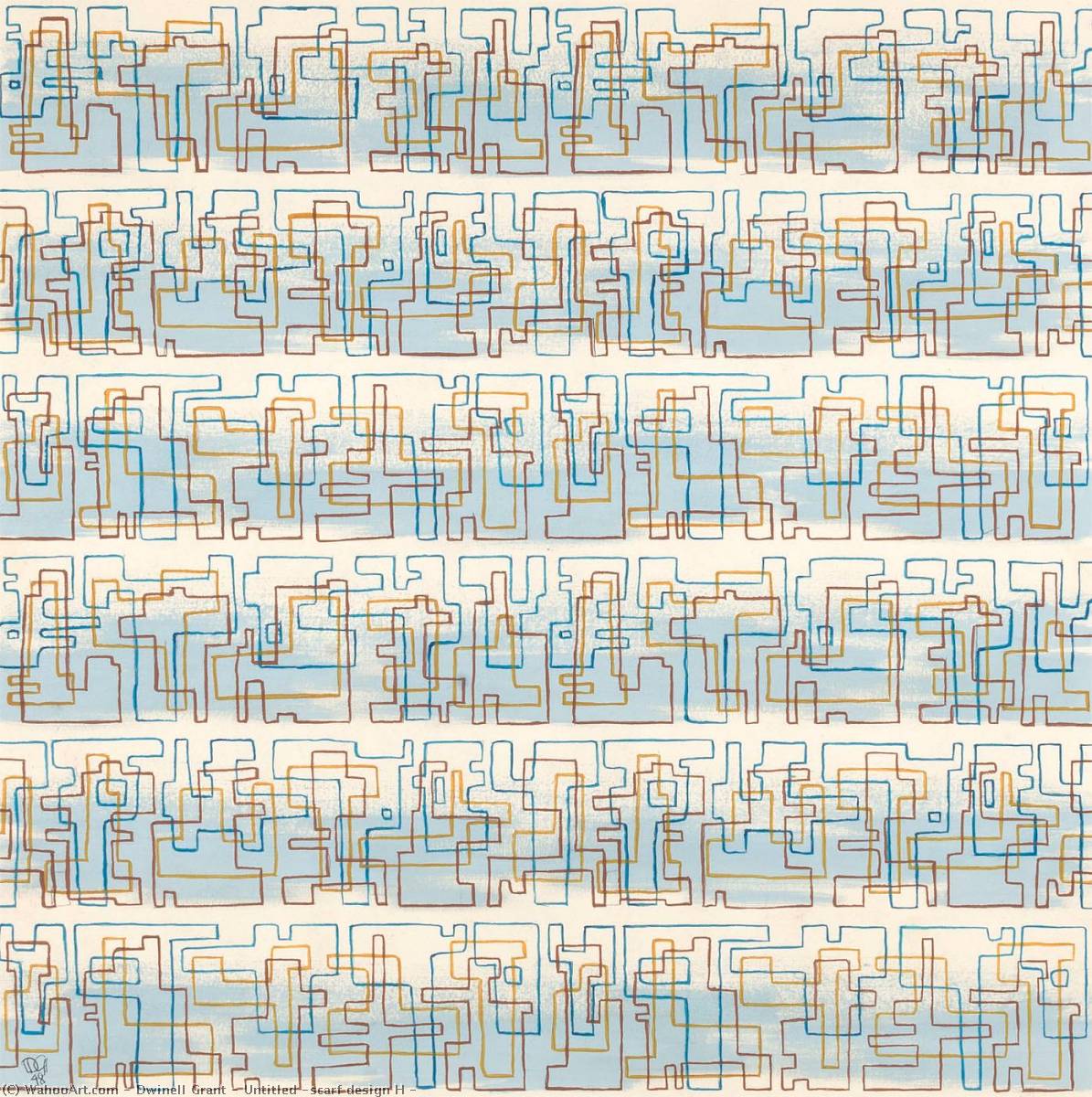
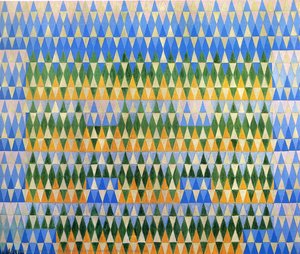
Untitled (scarf design H )
 1948
1948 49.0 x 49.0 cm
 詳細を見る
詳細を見る




































作品のオリジナル比率に合わせた、当店の規定サイズからお選びください。

特定のフレームやスペースに合わせて、ご希望のサイズをご入力いただけます。選択されたサイズが元の画像の比率と異なる場合、アートワークをトリミングするか、手描きで要素を追加して絵画を拡張いたします。デジタルモックアップ を制作し、制作開始前にご確認(承認)をいただきます。
画面上のプレビューは、実際のトリミングや拡張を正確に反映しているものではありません。最終的な構図は、モックアップによってのみ正確にご確認いただけます。
カスタムサイズもご利用いただけますが、元の比率を維持するためには、あらかじめ用意されたリストからサイズを選択することをお勧めいたします。
ご注文後、ArtsDot.com チームより詳細な指示をお送りするとともに、仕上がりイメージ(モックアップ)をご提供いたします。


 ガラスオプションは、110cm未満のサイズでのみご利用いただけます。

Untitled (scarf design H )
複製技法
複製画のサイズ
-


合計金額
$ 263
Artist Background
Dwinell Grant was an American artist and filmmaker, born in 1904. His artistic journey began with traditional landscape painting, but he soon transitioned to modernist and non-objective art. Grant's association with Hilla Rebay and the Museum of Non-Objective Art (the Guggenheim) significantly influenced his work.Artistic Style and Influences
The Untitled (Scarf Design H) painting showcases Grant's unique style, characterized by intricate designs and patterns. The use of ink on paper creates a sense of delicacy and fragility, while the blue and yellow color scheme adds a touch of vibrancy. This artwork is reminiscent of Grant's other pieces, such as Untitled (Scarf Design G), which can be found on https://ArtsDot.com.- Ink on paper technique used in the painting
- Blue and yellow color scheme creating a visually appealing contrast
- Intricate designs and patterns characteristic of Grant's style
Museum Collection
The Smithsonian American Art Museum is home to an extensive collection of American art, including works by Dwinell Grant. Visitors can explore the museum's collections and learn more about the artists and their techniques. For those interested in learning more about Grant's work, https://ArtsDot.com offers a range of resources and information on his paintings, including Contrathemis, Frame 2401.The Untitled (Scarf Design H) painting is a captivating example of Dwinell Grant's artistic style and technique. As a professional expert in Art and https://ArtsDot.com salesman, it's clear that this artwork is a valuable addition to any collection. For more information on Grant's paintings and other American art, visit https://ArtsDot.com or explore the collections at the Smithsonian American Art Museum.
関連作品






アーティストの略歴
A Pioneer of Abstract Film: The Life and Work of Dwinell Grant
Dwinell Grant, born Clarence Dwinell Grant in Springfield, Ohio, in 1912, emerged as a quietly revolutionary figure in the landscape of 20th-century art. Though perhaps not a household name, his pioneering explorations into abstract art film laid crucial groundwork for generations of experimental filmmakers and expanded the very definition of artistic expression. Grant’s journey began with traditional foundations – an early education in landscape painting under the tutelage of his grandfather, Paul Emilio Henking, instilled within him a deep appreciation for visual language. This initial immersion in representational art would later serve as a springboard for a radical departure into non-objective forms. In 1931, he formally enrolled at the Dayton Art Institute, where the burgeoning currents of modernism and abstraction began to exert their influence, subtly reshaping his artistic sensibilities. A subsequent move to New York City in 1933 and enrollment at the National Academy of Design further refined his skills and broadened his exposure to the avant-garde movements sweeping across the art world.From Painting to Motion: The Genesis of ‘Contrathemis’
Grant's path wasn’t a direct trajectory from canvas to celluloid. A position as an instructor in art and dramatics at Wittenberg College in Ohio, beginning in 1935, proved unexpectedly pivotal. While the demands of teaching limited his time for painting, directing student productions ignited a creative spark, offering an outlet for innovative ideas that transcended traditional artistic boundaries. It was during this period that Grant began to envision art not as static image but as dynamic experience—a vision fueled by experimentation with stage sets and lighting effects. Despite facing some resistance to his avant-garde approaches at Wittenberg, encouragement from colleagues at the Dayton Art Institute led him to seek support from Hilla Rebay, the influential director of the Solomon R. Guggenheim Foundation. Rebay’s belief in Grant's potential was instrumental, providing crucial financial assistance that enabled him to pursue his ambitious filmmaking endeavors between 1938 and 1941. This period culminated in his most significant achievement: Contrathemis, an animated production of remarkable originality. The film, characterized by its short, silent format and abstract aesthetic, was a groundbreaking exploration of form, color, and motion—a visual poem constructed from thousands of meticulously crafted drawings.Influences and Artistic Development
The artistic lineage informing Grant’s work is rich and diverse. Modernism, with its rejection of representational conventions, provided the initial impetus for his exploration of abstraction. The dramatic arts, honed through his teaching experience, instilled a sense of theatricality and dynamism in his visual compositions. Perhaps most importantly, the encouragement of fellow artists and patrons like Hilla Rebay proved essential to nurturing his experimental spirit. Grant’s aesthetic sensibilities were also deeply rooted in an interest in Gestalt psychology and the origins of visual communication—a fascination that led him to develop concepts such as “graphic theme structure” and “thematic counterpoint,” which he applied both to his films and his paintings. He didn't simply aim to depict reality; he sought to create a new visual language, one based on fundamental principles of perception and organization. His work often incorporated collage elements and focused on geometric abstraction, resulting in visually striking and intellectually stimulating pieces that challenged conventional notions of artistic beauty.Later Years and Lasting Legacy
The outbreak of World War II marked a shift in Grant’s career trajectory. In 1942, he transitioned to working for a film company, contributing his talents to the war effort by producing Navy training films. He subsequently applied his artistic skills to scientific illustration and filmmaking within the medical profession—a pragmatic application of his visual expertise. While these professional commitments provided financial stability, they also meant fewer opportunities to exhibit his personal creative work. Nevertheless, Grant’s impact on the art world remained significant. His contributions laid important groundwork for experimental animation and abstract film, influencing countless artists who followed in his footsteps. Today, his work is held in the permanent collections of prestigious institutions including the Metropolitan Museum of Art, the Guggenheim, and the Smithsonian American Art Museum—a testament to his enduring legacy as a notable figure in 20th-century art history. Dwinell Grant’s story serves as a reminder that true artistic innovation often lies at the intersection of disciplines, and that even seemingly abstract explorations can have profound and lasting cultural significance.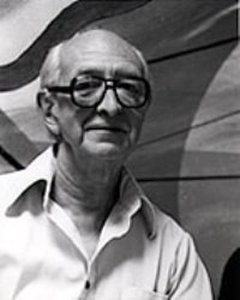
Dwinell Grant
1912 - 1991 , United States of America
基本情報
- Artistic Movement Or Style: Abstract art film
- Artists Or Movements Influenced By This Artist: ['Experimental filmmakers']
- Artists Who Influenced This Artist:
- Paul Emilio Henking
- Hilla Rebay
- Date Of Birth: 1912
- Date Of Death: 1991
- Full Name: Dwinell Grant
- Nationality: American
- Notable Artworks:
- Contrathemis
- scarf design G
- scarf design E
- Place Of Birth: Springfield, USA