

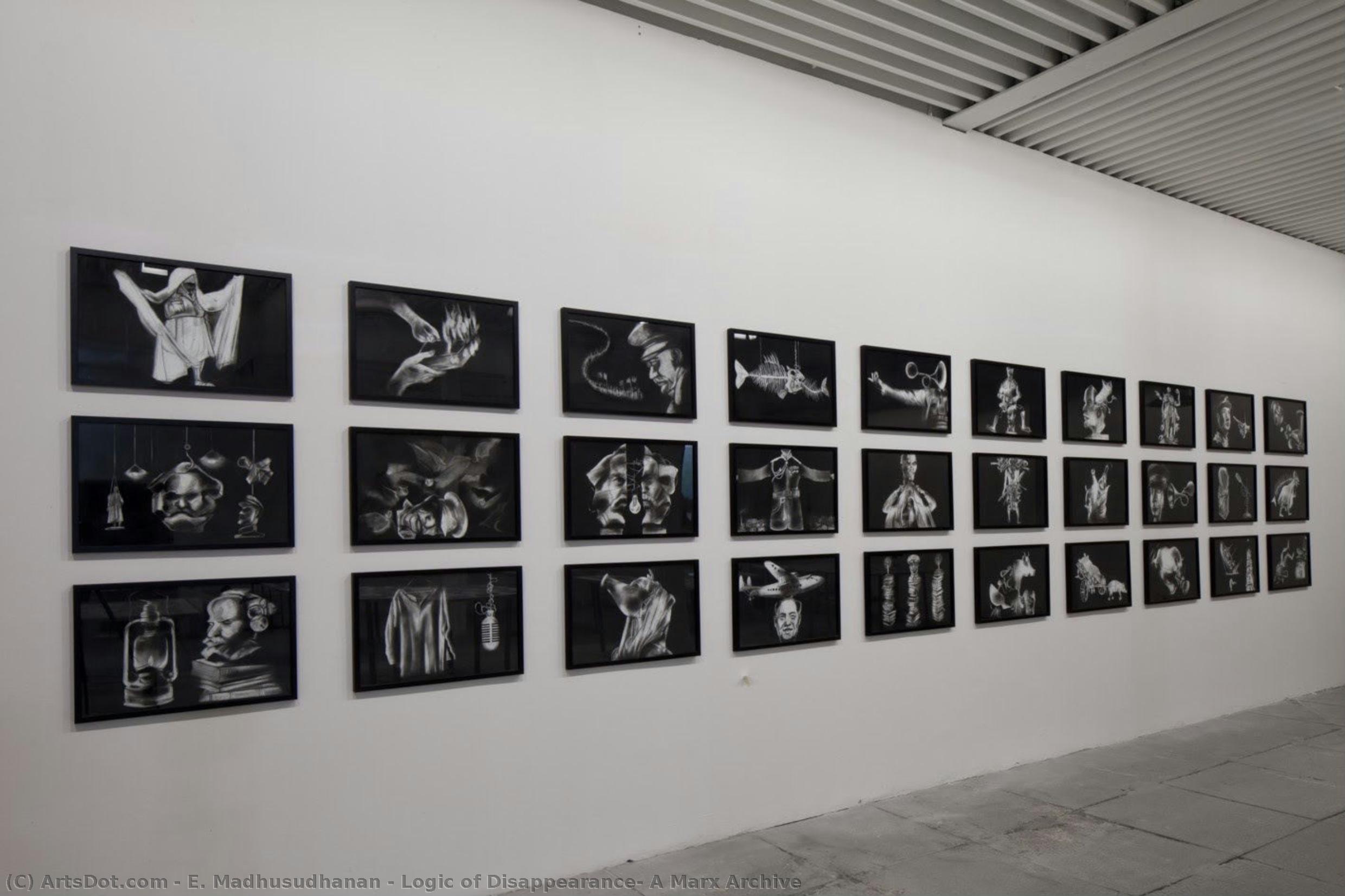
 プレビュー
プレビュー
 シェアする
シェアする シェアする
シェアする
 詳細を見る
詳細を見る

 ダウンロード
 似ている作品
 X線調査
X線調査 スライドショー
Logic of Disappearance, A Marx Archive


 詳細を見る
詳細を見る
ジークレー/アートプリント
迅速な制作と多彩な仕上げオプションを備えた、ミュージアムクオリティのジークレーまたはキャンバスプリント。 ( 手描きの絵画を購入 画像を購入)




































作品のオリジナル比率に合わせた、当店の規定サイズからお選びください。

特定のフレームやスペースに合わせて、ご自身でサイズを指定することも可能です。選択されたサイズが元の画像の比率と一致しない場合、作品をトリミングするか、鏡面反射または単色での塗りつぶしによって画像を拡張いたします。制作を開始する前に、ご確認用のデジタルモックアップをお送りいたします。
画面上のプレビューには、実際のトリミングや拡張は反映されませんのでご注意ください。最終的な構図を正確に確認できるのは、モックアップのみとなります。
カスタムサイズも承っておりますが、元の比率を維持するためには、あらかじめ用意されたリストからサイズを選択することをお勧めいたします。


 ガラスオプションは、110cm未満のサイズでのみご利用いただけます。

Logic of Disappearance, A Marx Archive
ジークレー/アートプリント
複製画のサイズ
-


合計金額
$ 62
関連作品






アーティストの略歴
Robert Delaunay: A Pioneer of Color and Rhythm
Robert Delaunay, born Robert-Victor-Felix Delaunay in Paris on April 12, 1885, was a pivotal figure in the early development of modern art. His life, marked by both artistic innovation and personal turmoil, profoundly shaped the trajectory of movements like Orphism and Cubism. Initially apprenticed to a theatrical designer – a surprisingly pragmatic start for an artist destined to revolutionize color theory – Delaunay’s early career laid the groundwork for his later explorations into abstraction. He was deeply influenced by Neo-Impressionism, particularly the work of Paul Gauguin and Georges Seurat, absorbing their emphasis on broken color and meticulous application. However, it wasn't long before he moved beyond mere imitation, seeking a more dynamic and expressive language.The Birth of Orphism
Delaunay’s most significant contribution to the art world is undoubtedly his creation of Orphism – a term he coined alongside his wife, Sonia Delaunay. This movement, emerging in the early 1910s, represented a radical departure from traditional representation. Rather than depicting objects realistically, Delaunay and Sonia focused on capturing the *essence* of color and its inherent rhythms. They employed vibrant, often clashing hues – reds, yellows, blues, greens – arranged in dynamic compositions that evoked feelings of movement, energy, and joy. This was not simply about aesthetics; it was a deliberate attempt to break free from the constraints of objective reality and tap into a more primal, emotional experience. Their studio, “Atelier Pop-Up,” became a hub for experimentation, attracting artists like František Kupka and Robert Duchamp (no relation), further disseminating the principles of Orphism. The influence of this period is evident in works such as *Endless Rhythm* (1913) and *The Eiffel Tower* (1914-15), both characterized by their bold color palettes and geometric forms.Cubist Roots and a Shift Towards Abstraction
While Delaunay’s association with Cubism is often acknowledged, his engagement with the movement was more nuanced than a simple adoption of its techniques. He initially encountered Cubism through his friendship with František Kupka, who had been exposed to Picasso and Braque's work in Paris. Delaunay incorporated some of Cubism’s fragmentation and multiple viewpoints into his compositions, particularly during the period between 1912 and 1914. However, he quickly moved beyond these influences, developing a distinctly personal style that prioritized color and rhythm over form. Following World War I, Delaunay's work became increasingly abstract, with a focus on circular forms, radiating lines, and layered colors. This period saw the creation of his “Disc” series (1912-13), which explored the dynamic relationships between circles and their surrounding space.Later Works and Legacy
In the 1930s, Delaunay’s style evolved further, incorporating elements of Surrealism and exploring new techniques such as collage and lithography. He experimented with large-scale panels and murals, often collaborating with his wife on monumental works that filled entire rooms with vibrant color and rhythmic patterns. During this time he also worked on designs for the Aeronautics pavilion at the 1937 Paris International Exhibition, creating a stunning visual spectacle of colored reliefs. Despite facing challenges during World War II, including the confiscation of his work by the Vichy regime, Delaunay continued to paint until his death in Montpellier on October 25, 1941. Robert Delaunay’s legacy is immense. He fundamentally altered our understanding of color and its expressive potential, paving the way for later abstract artists like Wassily Kandinsky and Paul Klee. His pioneering work in Orphism remains a vibrant testament to the power of pure color and rhythm, continuing to inspire artists and viewers alike. His influence can be seen not only in his own paintings but also in the works of subsequent generations who embraced abstraction and sought new ways to communicate through visual language. He is remembered as a true innovator, a fearless explorer of color, and a key figure in the birth of modern art.
e. madhusudhanan
1941 - 2021 , India
基本情報
- Artistic Movement Or Style:
- Divisionism
- Cubism
- Orphic Cubism
- Simultanism
- Artists Or Movements Influenced By This Artist:
- Klee
- Marc
- Artists Who Influenced This Artist:
- Cézanne
- Neo-Impressionism
- Date Of Birth: 1885-04-12
- Date Of Death: 1941-10-25
- Full Name: Robert Delaunay
- Nationality: French
- Notable Artworks:
- Endless Rhythm
- The Eiffel Tower
- Cityscapes
- Place Of Birth: Paris, France