

 プレビュー
プレビュー
 シェアする
シェアする シェアする
シェアする
 詳細を見る
詳細を見る

 ダウンロード
 似ている作品
 X線調査
X線調査 スライドショー
 統計情報
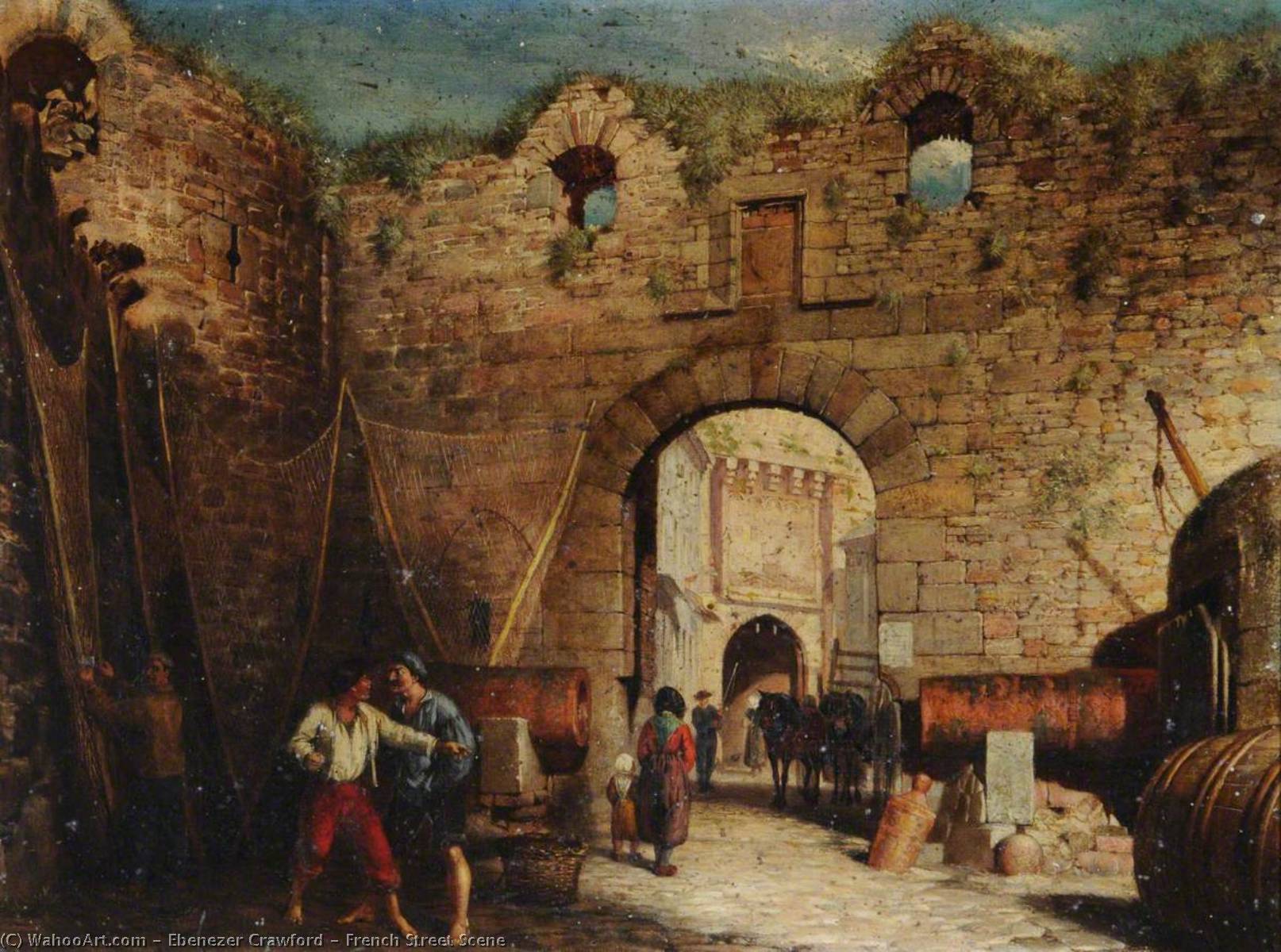
統計情報French Street Scene
 30.0 x 40.0 cm
 詳細を見る
詳細を見る
手描き油彩複製画
当社のアーティストが、お客様のご希望のサイズと額縁に合わせて、キャンバスに手描きで制作する油彩画です。 ( プリント版に切り替え デジタル画像販売へ切り替え)




































作品のオリジナル比率に合わせた、当店の規定サイズからお選びください。

特定のフレームやスペースに合わせて、ご希望のサイズをご入力いただけます。選択されたサイズが元の画像の比率と異なる場合、アートワークをトリミングするか、手描きで要素を追加して絵画を拡張いたします。デジタルモックアップ を制作し、制作開始前にご確認(承認)をいただきます。
画面上のプレビューは、実際のトリミングや拡張を正確に反映しているものではありません。最終的な構図は、モックアップによってのみ正確にご確認いただけます。
カスタムサイズもご利用いただけますが、元の比率を維持するためには、あらかじめ用意されたリストからサイズを選択することをお勧めいたします。
ご注文後、ArtsDot.com チームより詳細な指示をお送りするとともに、仕上がりイメージ(モックアップ)をご提供いたします。


 ガラスオプションは、110cm未満のサイズでのみご利用いただけます。

French Street Scene
複製技法
複製画のサイズ
-


合計金額
$ 263
関連作品










アーティストの略歴
The Luminous Legacy of Ebenezer Crawford
Ebenezer Crawford remains a captivating, if somewhat enigmatic, figure within the tapestry of nineteenth-century British art. Though his name may not resonate with the same immediate fame as the titans of his era, his canvases offer an intimate window into a world defined by pastoral tranquility and emotional depth. Born around 1830, Crawford’s early artistic inclinations were rooted in the delicate precision of watercolor landscapes. This initial period of exploration allowed him to master the subtle nuances of nature, developing a keen eye for the minute details of the environment—a skill that would later serve as the foundation for his more monumental oil compositions.
As his career progressed, Crawford’s work began to absorb the profound influences of the Romantic movement. He drew deep inspiration from the atmospheric mastery of artists such as J.M.W. Turner and the grounded, pastoral sincerity of John Constable. From these masters, he inherited a fascination with the expressive potential of light and the way it interacts with the landscape to create a sense of the sublime. His ability to capture the ephemeral quality of mist, sunlight, and shadow suggests an artist who was not merely documenting the world, but attempting to translate its very soul onto the canvas.
Mastery of Technique and Subject Matter
The true brilliance of Crawford’s artistry lies in his sophisticated technical approach. He moved beyond simple representation, employing a method of layering thin, translucent glazes of pigment over a carefully prepared toned ground. This painstaking process allowed him to achieve a remarkable luminosity, creating surfaces that seem to glow from within. His brushwork, while precise enough to render the textures of weathered wood or the soft fleece of livestock, possessed a rhythmic harmony that mirrored the natural ebb and flow of the countryside. Through meticulous color blending, he achieved subtle gradations that captured the dappled light filtering through dense foliage, imbuing his scenes with a palpable sense of atmosphere.
This technical prowess is perhaps most evident in his breakthrough work, “Continental Farmyard Scene,” completed around 1865. In this piece, Crawford transcends mere genre painting to create a timeless tableau of rural life. The canvas is rich with the textures of haystacks and the warmth of a bustling farmstead, evoking a sense of community and the enduring rhythms of the seasons. His ability to imbue such realistic subjects with a sense of nostalgic grandeur speaks to his unique ability to bridge the gap between the observational and the emotional.
A Visionary Spirit in Transition
Beyond his landscapes, Crawford demonstrated a remarkable versatility that touched upon more intimate and classical themes. His celebrated work, “Childhood of Mozart,” painted in 1870, showcases his capacity for narrative tenderness. In this evocative depiction, he captures a poignant moment of connection, utilizing light and composition to elevate a personal scene into a universal study of innocence and familial bond. Similarly, works like “Nude Still Life” reveal an engagement with the classical traditions of musculature and dramatic lighting, suggesting an artist deeply conversant with the legacies of the Renaissance.
Though his life was relatively short—with records indicating he passed away around 1873—Crawford’s contribution to the nineteenth-century aesthetic is significant. His work serves as a vital bridge between the structured traditions of Romanticism and the burgeoning sensory explorations of Impressionism. By focusing on the interplay of light, texture, and atmosphere, Crawford helped pave the way for a new way of seeing, ensuring that his vision of the natural world continues to resonate with beauty and profound connection long after his passing.

基本情報
- Artistic Movement Or Style: Continental Farmyard Scene
- Date Of Death: Living
- Full Name: Ebenezer Crawford
- Notable Artworks:
- Childhood of Mozart
- Continental Farmyard Scene