 プレビュー
プレビュー
 シェアする
シェアする シェアする
シェアする
 詳細を見る
詳細を見る

 ダウンロード
 似ている作品
 X線調査
X線調査 スライドショー
 統計情報
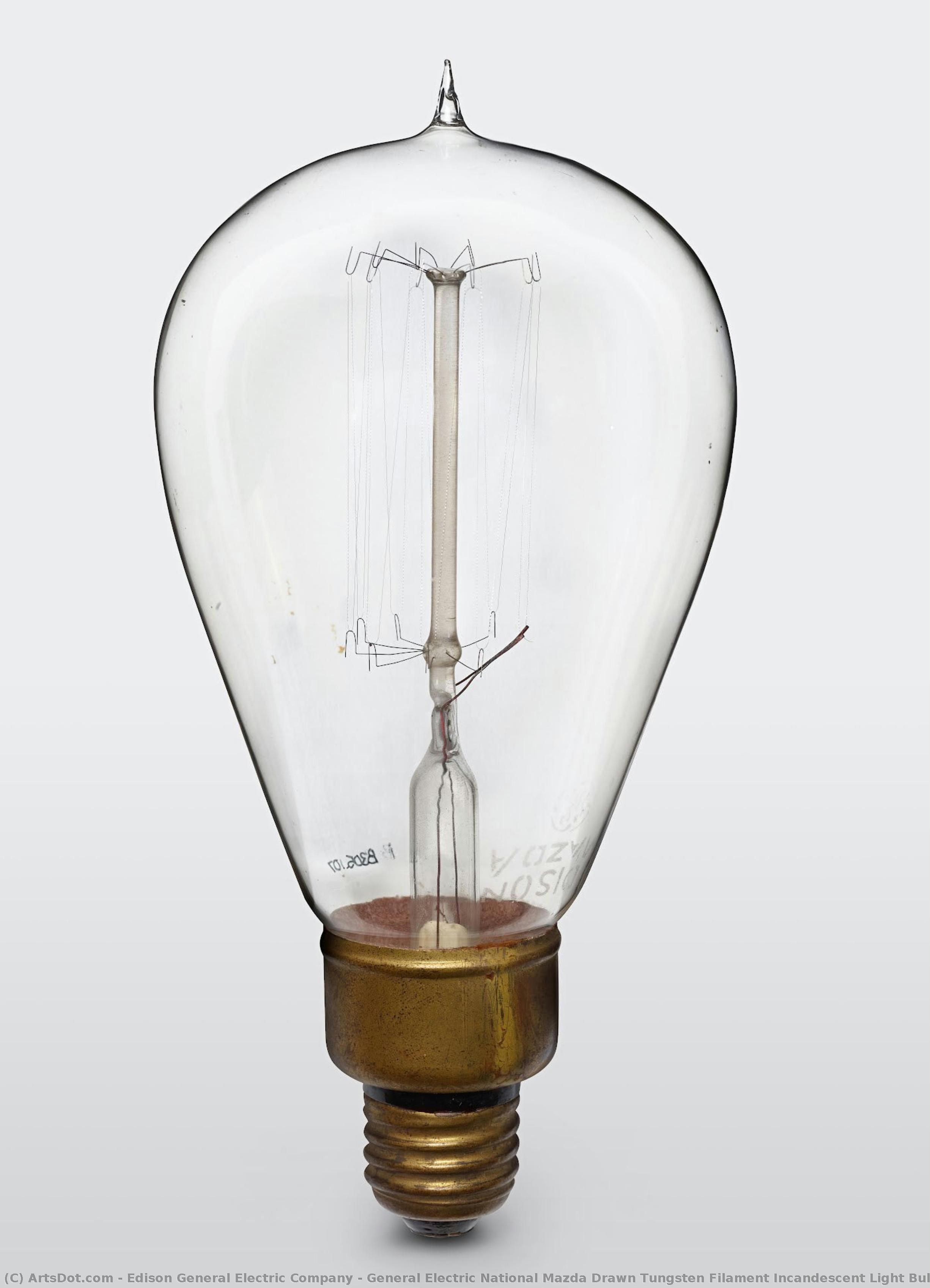
統計情報General Electric National Mazda Drawn Tungsten Filament Incandescent Light Bulb


 詳細を見る
詳細を見る
手描き油彩複製画
当社のアーティストが、お客様のご希望のサイズと額縁に合わせて、キャンバスに手描きで制作する油彩画です。 ( プリント版に切り替え デジタル画像販売へ切り替え)




































標準サイズ
オーダーメイド
CM
INCH
作品のオリジナル比率に合わせた、当店の規定サイズからお選びください。
Loading sizes...

幅
高さ
特定のフレームやスペースに合わせて、ご希望のサイズをご入力いただけます。選択されたサイズが元の画像の比率と異なる場合、アートワークをトリミングするか、手描きで要素を追加して絵画を拡張いたします。デジタルモックアップ を制作し、制作開始前にご確認(承認)をいただきます。
画面上のプレビューは、実際のトリミングや拡張を正確に反映しているものではありません。最終的な構図は、モックアップによってのみ正確にご確認いただけます。
カスタムサイズもご利用いただけますが、元の比率を維持するためには、あらかじめ用意されたリストからサイズを選択することをお勧めいたします。
カスタマイズの例:顔をお客様の写真に置き換える、ペットを追加する(例:猫を犬に変更)、背景に隠れたメッセージを入れる、背景の風景や要素を変更するなど。
ご注文後、ArtsDot.com チームより詳細な指示をお送りするとともに、仕上がりイメージ(モックアップ)をご提供いたします。
ご注文後、ArtsDot.com チームより詳細な指示をお送りするとともに、仕上がりイメージ(モックアップ)をご提供いたします。


 ガラスオプションは、110cm未満のサイズでのみご利用いただけます。

General Electric National Mazda Drawn Tungsten Filament Incandescent Light Bulb
複製技法
複製画のサイズ
-


合計金額
$ 263
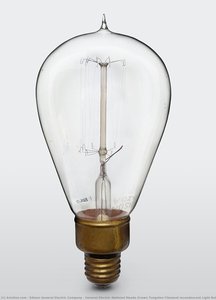
A large, tapered, oval-shaped, clear glass bulb with a point on the top; has a brass bottom with threads on the end; attached to the inside of the bottom is a long glass tube with two terminals on either side and a long glass rod and platform attached to the top; both terminals extend up vertically; there are small wires attached to the top and bottom of the rod forming a circular pattern; a thin wire is attached to the terminals and is stretched vertically, hooking on to each of the small wires; the name of the manufacturer is printed on the side.Incandescent light bulbs or lamps provide artificial light via incandescence. A current is passed through the thin filament, causing it to heat up and emit light. The glass bulb helps to prevent oxygen in air from reaching the heated filament, which would otherwise rapidly disintegrate due to oxidation.First invented by Sir Humphry Davy in 1809, the light bulb was advanced by Thomas Edison and his invention of the carbon filament in 1879. In 1906 the General Electric Corporation introduced the first tungsten filament, a filament that would not off gas and turn the inside of the bulb dark. By 1910, the process of producing tungsten filaments had been improved and the cost had been reduced, making it the most practical filament for mass production. Tungsten filaments are used in most incandescent bulbs today.
関連作品








アーティストの略歴
The Illumination of Progress: Edison General Electric Company and the Art of Industrial Innovation
The name Edison is synonymous with invention, but less often recognized is the artistic legacy born from the practical application of his genius – that of the Edison General Electric Company. While not a traditional artist in the conventional sense, the company’s impact on visual culture, particularly through its pioneering work in electric lighting, constitutes a significant chapter in the history of art and design. Founded in 1878 as the Edison Electric Illuminating Company, it quickly evolved into Edison General Electric, becoming a driving force behind the electrification of America and beyond. This wasn’t merely about providing light; it was about reshaping environments, altering perceptions of time and space, and ultimately, creating new aesthetic possibilities. The company's early endeavors weren’t simply engineering feats but carefully considered presentations designed to demonstrate the superiority – and allure – of electric illumination over gaslight. Showrooms were meticulously crafted, showcasing not just bulbs but also the elegant fixtures that housed them, often drawing inspiration from contemporary decorative arts movements like Art Nouveau and Aestheticism.From Demonstration Rooms to Domestic Spheres: Shaping a New Visual Landscape
The initial focus of Edison General Electric was convincing a skeptical public of the viability – and desirability – of electric light. This involved establishing demonstration rooms in major cities, spaces that functioned as both laboratories and galleries. These weren’t sterile environments; they were deliberately designed to evoke feelings of comfort, luxury, and modernity. The soft, steady glow of incandescent lamps contrasted sharply with the flickering, smoky ambiance of gaslight, offering a promise of cleaner, safer, and more refined illumination. The company actively collaborated with designers and architects to create fixtures that complemented various interior styles. Early advertising campaigns didn’t simply tout technical specifications; they emphasized the social benefits of electric light – extended working hours, increased safety, and enhanced domestic comfort. This marketing strategy was intrinsically linked to shaping a new visual landscape, one where homes and businesses were bathed in a welcoming, controllable radiance. The transition from public demonstration to widespread adoption saw the company producing increasingly affordable and aesthetically pleasing lighting solutions for the burgeoning middle class.Influences and Technical Innovations: A Synthesis of Art and Engineering
Edison General Electric’s aesthetic development wasn't isolated; it was deeply influenced by prevailing artistic trends. The Arts and Crafts movement, with its emphasis on handcrafted quality and natural forms, resonated in the design of some early fixtures. However, the company also embraced the emerging possibilities of industrial production, utilizing new materials like pressed glass and metal alloys to create intricate and ornate designs that would have been impossible through traditional methods. The development of the carbon filament bulb itself was a crucial artistic achievement. The delicate, glowing thread within the glass enclosure became an object of fascination, symbolizing both scientific progress and aesthetic beauty. Furthermore, the company’s engineers weren't solely focused on functionality; they experimented with different glass shapes, colors, and surface textures to enhance the visual appeal of their products. The pursuit of a longer-lasting, brighter bulb directly impacted design choices – larger bulbs allowed for more elaborate fixture designs, while colored glass offered opportunities for creating mood lighting and decorative effects.Major Achievements and Lasting Legacy: The Electric Age Illuminated
Edison General Electric’s most significant achievement was undoubtedly the widespread adoption of electric light, fundamentally altering the rhythm of daily life and transforming urban environments. However, beyond this practical impact, the company played a crucial role in establishing a new aesthetic vocabulary for the modern age. The standardization of the screw-in light bulb socket, while seemingly mundane, was pivotal in enabling mass production and widespread accessibility. This allowed for greater experimentation with fixture designs and ultimately democratized access to electric illumination. The company’s early advertising campaigns and showroom displays helped cultivate a public appetite for modern design, paving the way for subsequent innovations in lighting technology and interior aesthetics. The influence of Edison General Electric can be seen in countless examples of Art Deco architecture and industrial design from the 20th century, where electric light is not merely a functional element but an integral component of the overall aesthetic vision. The company’s legacy extends beyond specific designs; it lies in its pioneering role in shaping our perception of light itself – as a source of beauty, comfort, and progress.Historical Significance: Beyond the Bulb
Today, Edison General Electric (later GE Lighting) stands as a testament to the power of innovation and the often-overlooked artistic dimensions of industrial design. The company’s story is a reminder that even seemingly utilitarian objects can be imbued with aesthetic value and cultural significance.- Its early showrooms served as proto-museums, showcasing not just products but also the potential of a new technology to transform society.
- The collaborative relationship between engineers and designers fostered a unique synthesis of art and engineering.
- The company’s marketing strategies played a crucial role in shaping public perceptions of modernity and domestic comfort.