

 プリントを購入
 シェアする
シェアする シェアする
シェアする
 詳細を見る
詳細を見る

 ダウンロード
 似ている作品
 スライドショー
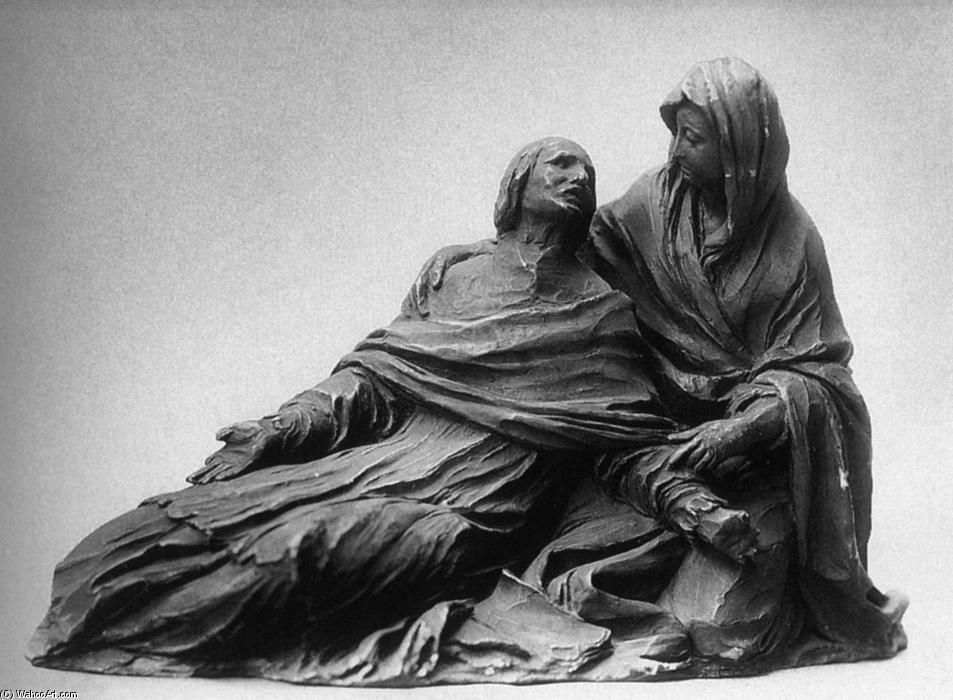
Cardinal Fleury Dying in the Arms of Religion
 Sculpture Bronze
- Sculpture
- Baroque Neoclassicism Fusion
 1745
1745 165.0 x 200.0 cm
 ルーブル美術館
 詳細を見る
詳細を見る
オンラインプレビューをはるかに凌ぐ、高解像度で鮮明なデジタル画像をご購入いただけます。
各ファイルは、社内の専門家が高度なツールと熟練した手作業によるレタッチを用いて、細心の注意を払って準備されています。すべての画像において、卓越した鮮明度、正確な色彩再現性、そして繊細なディテールを保証いたします。
最終ファイルは、プロフェッショナルな編集・印刷環境ですぐにご利用いただけるよう最適化された状態で、72時間以内にメールにてお届けいたします。これは、一流のデザインスタジオ、出版社、ギャラリーから信頼されているものと同等の品質です。
デジタル画像のご注文に付随する特典
高品質なデジタル画像配信を、確かな品質で。
ArtsDot.com を選ぶことは、単に画像を手に入れることではありません。それは、プロの手によって精密に仕上げられ、満足保証が付いた高品質なデジタルアートワークを受け取ることを意味します。ご注文いただいた際に自動的に付随する内容は、以下の通りです:

メールですぐにお届け
ご注文から72時間以内に、高解像度のデジタル画像ファイルがメールでお手元に届きます。すぐにそのままご利用いただけます。

AI技術で最適化されたデジタルファイル
お客様の作品は、高度なAIツールと専門家による手作業の編集を組み合わせてプロフェッショナルに最適化されており、細部のディテール、鮮明さ、そして正確な色再現性を最大限に引き出しています。

一生涯無料の再送サービス
ファイルを誤って削除したり、紛失してしまったりしましたか?ご安心ください。いつでも無料で再送いたします。

輸入手数料は一切かかりません
関税や手数料、配送料を気にすることなく、お気に入りのアートワークをすぐにお楽しみいただけます。デジタルダウンロードは常に免税です。

色彩再現の保証
プロ仕様のツールとカラーマネジメント技術を用いることで、デジタル画像が元の色を最大限に忠実に再現することを保証いたします。

60日間満足保証
ご購入いただいたデジタル画像にご満足いただけない場合は、60日以内であれば、修正または100%の返金(理由を問う必要はありません)をさせていただきます。

100% 返金保証
ご満足いただけない場合は、デジタルファイルを受け取ってから60日以内であれば、理由を問わず全額返金いたします。

まとめ買い割引
3枚購入で10%OFF - 5枚購入で15%OFF - 10枚以上購入で20%OFF。クリエイティブなプロジェクト、ギャラリー、エージェンシーに最適です。
A Moment Frozen in Faith: Exploring Bouchardon’s “Cardinal Fleury Dying”
The bronze sculpture "Cardinal Fleury Dying in the Arms of Religion," created by Edmé Bouchardon in 1745, stands as a testament to both the grandeur of Baroque artistry and the nascent embrace of Neoclassical ideals within French art. More than just a depiction of death—though undeniably imbued with themes of mortality—the piece embodies a profound meditation on faith, compassion, and divine solace, capturing a poignant tableau that continues to resonate with viewers centuries later. Its placement within the Roman Academy’s Prix de Rome competition solidified Bouchardon's reputation as one of the foremost sculptors of his time, marking him as a crucial link between two dominant artistic movements.The Sculptor’s Vision: Baroque Roots and Neoclassical Influence
Bouchardon’s formative years were steeped in the traditions of Baroque sculpture—specifically the influence of Gian Lorenzo Bernini—whose dramatic compositions prioritized emotional intensity and theatrical grandeur. However, Bouchardon skillfully navigated this legacy toward a more restrained aesthetic informed by the burgeoning principles of Neoclassicism. This stylistic duality is palpable in “Cardinal Fleury Dying,” where the sculptor’s meticulous anatomical accuracy – honed during his training under Guillaume Coustou – speaks to Bernini's commitment to realism while simultaneously aligning with the neoclassical preference for idealized forms and harmonious proportions. The sculpture isn’t merely a representation of reality; it strives to convey an elevated spiritual truth.Technical Mastery: Modeling, Casting, and Bronze Texture
The creation of “Cardinal Fleury Dying” demanded considerable technical skill. Bouchardon began by sculpting the figures from wax—a technique favored during the Baroque period for its ability to capture subtle nuances of expression and pose. Following meticulous modeling, the sculptor entrusted the casting process to skilled artisans who utilized bronze – a material prized for its durability and ability to achieve remarkable textural detail. The resulting surface exhibits a characteristic patina—a mottled sheen achieved through oxidation—that subtly enhances the sculpture’s visual richness and reinforces its connection to the natural world, mirroring the Neoclassical fascination with observing and replicating nature's beauty.Historical Context: Patronage and Religious Symbolism
Commissioned by Louis XV for the royal chapel, “Cardinal Fleury Dying” reflects the prevailing religious fervor of the era—a period marked by fervent devotion to Catholicism and a preoccupation with questions of faith and salvation. Cardinal Fleury himself was a prominent figure in French politics and theology, embodying the moral authority of the monarchy. The sculpture’s composition – depicting a seated cardinal receiving comfort from a standing clergyman – symbolizes divine compassion offering solace amidst suffering. The hooded figure represents religion itself—a beacon of hope guiding the ailing cardinal toward spiritual redemption.Emotional Resonance: Somber Beauty and Universal Themes
Despite its solemn subject matter, “Cardinal Fleury Dying” possesses an undeniable beauty that transcends mere visual appeal. Bouchardon’s masterful use of light and shadow sculpts the figures with sensitivity, conveying a palpable sense of vulnerability and pathos. The sculpture's enduring power lies in its exploration of universal themes—death, faith, compassion—provoking contemplation on the human condition and reminding viewers of the importance of spiritual connection. It remains an evocative masterpiece, inviting audiences to consider not only the physical form but also the profound emotional depth embedded within its timeless narrative.A Legacy Enduring Through Reproduction
Today, high-quality reproductions of “Cardinal Fleury Dying” grace interiors worldwide—a testament to Bouchardon’s enduring artistic legacy and the sculpture's ability to inspire awe and contemplation. Selecting a faithful reproduction allows collectors and designers alike to experience the sculpture’s grandeur and emotional resonance without the constraints of physical ownership, preserving its beauty for generations to come.関連作品

作家の略歴
The Sculptor of Truth: The Life and Legacy of Edmé Bouchardon
Edmé Bouchardon stands as a monumental figure in the tapestry of French art, a master who navigated the turbulent transition between the opulent, swirling energy of the Baroque era and the disciplined, restrained clarity of Neoclassicism. Born in 1698 in the serene landscape of Chaumont-sur-Loire, his artistic journey was predestined by blood; he was the son of Jean-Baptiste Bouchardon, a sculptor and architect whose influence instilled in the young Edmé a profound reverence for classical form and structural integrity. This early immersion in the principles of architecture and sculpture provided the foundation upon which Bouchardon would build a career defined by an unwavering commitment to anatomical truth and aesthetic harmony. His formal education, shaped by the rigorous teachings of Guillaume Coustou, emphasized a meticulous approach to observation. This dedication to accuracy was further refined during his transformative years in Rome, following his prestigious acquisition of the Prix de Rome in 1722. In the heart of the Eternal City, Bouchardon did not merely study the ancients; he communed with them. While many of his contemporaries were swept away by the whimsical and often superficial excesses of the Rococo style, Bouchardon sought a deeper, more permanent resonance. He looked past the decorative surface to find the skeletal strength and emotional gravity of classical antiquity, earning him the respect of critics like the Comte Caylus, who noted his unique ability to rediscover nature through the lens of ancient mastery.A Mastery of Form and the Pursuit of Naturalism
The evolution of Bouchardon’s technique is most vividly captured in his ability to marry monumental scale with startlingly intimate realism. His Roman apprenticeship bore fruit in works of immense technical difficulty, such as his celebrated sculpture of Pope Benedict XIII, a commission that showcased his capacity for capturing both the dignity of office and the subtle nuances of human character. However, it was his later works that truly signaled a departure from the idealized, often saccharine representations of his era. One of his most provocative achievements, Cupid fashioning a bow out of the club of Hercules (1746), serves as a manifesto for his artistic philosophy. In this piece, Bouchardon challenged the prevailing conventions by introducing an unsettling, raw realism to mythological subjects. By presenting figures that felt grounded in physical reality rather than mere fantasy, he paved the way for a new era of naturalism. His work often featured:- Anatomical Precision: A relentless focus on the underlying structure of the human body to convey weight and movement.
- Classical Restraint: The rejection of unnecessary ornamentation in favor of clean lines and balanced proportions.
- Architectural Integration: A seamless blending of sculptural elements with larger structural designs, most notably seen in his contributions to the Fontaine des Quatre-Saisons.
Historical Significance and Artistic Endurance
Bouchardon’s influence extended far beyond the medium of stone and marble. He was a versatile designer whose eye for detail graced everything from intricate medals to grand urban monuments. His ability to translate the grandeur of the Baroque into the disciplined language of Neoclassicism made him a bridge between two worlds, providing a necessary link that allowed French art to evolve without losing its connection to classical heritage. As we reflect on his life, which concluded in 1762, we see an artist who refused to succumb to the fleeting trends of fashion. Instead, he pursued a timelessness found in the balance of nature and the rigor of antiquity. His legacy remains etched in the very fabric of French sculptural history, reminding us that true beauty is found not in decoration, but in the honest representation of form, strength, and the enduring human spirit.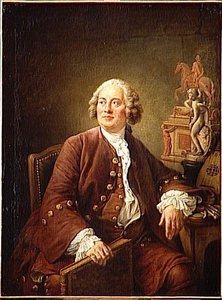
Edmé Bouchardon
1698 - 1762 , France
プロフィール概要
- Artistic Movement Or Style: Neoclassical & Baroque
- Artists Or Movements Influenced By This Artist: ['Classical Art']
- Artists Who Influenced This Artist: ['Guillaume Coustou']
- Date Of Birth: 1698
- Date Of Death: 1762
- Full Name: Edmé Bouchardon
- Nationality: French
- Notable Artworks:
- Cupid fashioning a bow out of the club of Hercules
- Fontaine des quatre-saisons
- Louis XV equestrian statue
- Place Of Birth: Chaumont-sur-Loire, France

