

 プレビュー
プレビュー
 プリントを購入
 シェアする
シェアする シェアする
シェアする
 詳細を見る
詳細を見る

 ダウンロード
 似ている作品
 X線調査
X線調査 スライドショー
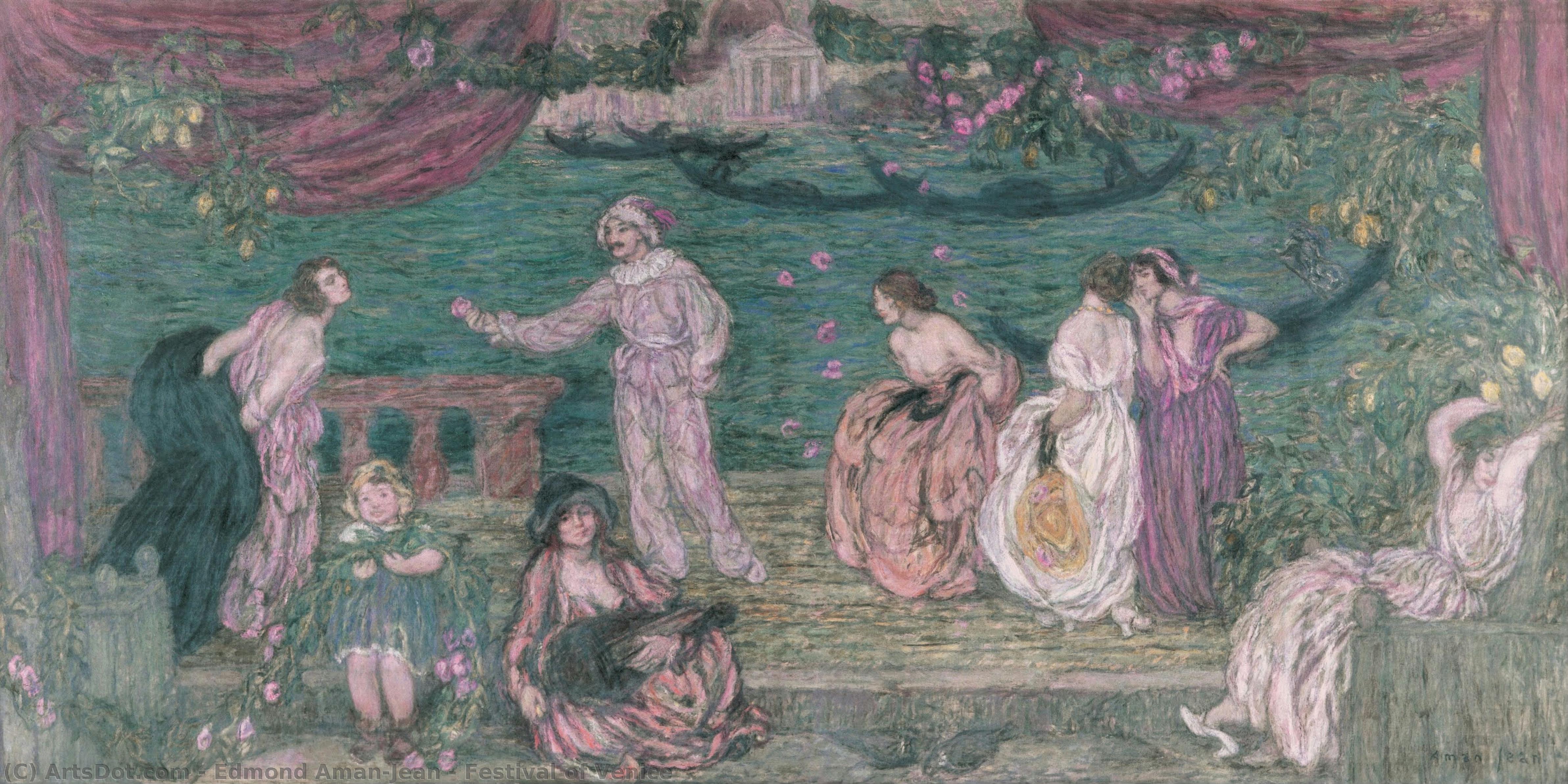
Festival of Venice


 詳細を見る
詳細を見る
オンラインプレビューをはるかに凌ぐ、高解像度で鮮明なデジタル画像をご購入いただけます。
各ファイルは、社内の専門家が高度なツールと熟練した手作業によるレタッチを用いて、細心の注意を払って準備されています。すべての画像において、卓越した鮮明度、正確な色彩再現性、そして繊細なディテールを保証いたします。
最終ファイルは、プロフェッショナルな編集・印刷環境ですぐにご利用いただけるよう最適化された状態で、72時間以内にメールにてお届けいたします。これは、一流のデザインスタジオ、出版社、ギャラリーから信頼されているものと同等の品質です。
デジタル画像のご注文に付随する特典
高品質なデジタル画像配信を、確かな品質で。
ArtsDot.com を選ぶことは、単に画像を手に入れることではありません。それは、プロの手によって精密に仕上げられ、満足保証が付いた高品質なデジタルアートワークを受け取ることを意味します。ご注文いただいた際に自動的に付随する内容は、以下の通りです:

メールですぐにお届け
ご注文から72時間以内に、高解像度のデジタル画像ファイルがメールでお手元に届きます。すぐにそのままご利用いただけます。

AI技術で最適化されたデジタルファイル
お客様の作品は、高度なAIツールと専門家による手作業の編集を組み合わせてプロフェッショナルに最適化されており、細部のディテール、鮮明さ、そして正確な色再現性を最大限に引き出しています。

一生涯無料の再送サービス
ファイルを誤って削除したり、紛失してしまったりしましたか?ご安心ください。いつでも無料で再送いたします。

輸入手数料は一切かかりません
関税や手数料、配送料を気にすることなく、お気に入りのアートワークをすぐにお楽しみいただけます。デジタルダウンロードは常に免税です。

色彩再現の保証
プロ仕様のツールとカラーマネジメント技術を用いることで、デジタル画像が元の色を最大限に忠実に再現することを保証いたします。

60日間満足保証
ご購入いただいたデジタル画像にご満足いただけない場合は、60日以内であれば、修正または100%の返金(理由を問う必要はありません)をさせていただきます。

100% 返金保証
ご満足いただけない場合は、デジタルファイルを受け取ってから60日以内であれば、理由を問わず全額返金いたします。

まとめ買い割引
3枚購入で10%OFF - 5枚購入で15%OFF - 10枚以上購入で20%OFF。クリエイティブなプロジェクト、ギャラリー、エージェンシーに最適です。
関連作品







作家の略歴
The Ethereal Visions of Edmond Aman-Jean
Edmond Aman-Jean, a name perhaps less immediately recognizable than some of his Symbolist contemporaries, nevertheless occupies a significant and fascinating niche in the art history of late 19th and early 20th century France. Born in 1861 in Port-Leuc, Brittany, Aman-Jean’s artistic journey was one deeply rooted in academic training yet ultimately blossomed into a highly personal and evocative style characterized by its dreamlike atmosphere, muted palettes, and exploration of psychological states. His life, though relatively private, mirrored the broader cultural shifts occurring during his formative years – a period marked by increasing industrialization, scientific advancement, and a growing fascination with the inner world. He initially studied at the École des Beaux-Arts in Paris under Jean-Léon Gérôme, a master of academic realism, receiving a solid foundation in draftsmanship and composition. However, Aman-Jean soon found himself drawn to the burgeoning Symbolist movement, rejecting the strict objectivity of Realism in favor of expressing emotions, ideas, and spiritual experiences through suggestive imagery and veiled narratives.From Academic Roots to Symbolic Realms
The influence of Gérôme is visible in Aman-Jean’s early works – meticulously rendered scenes often depicting historical or mythological subjects. Yet even these pieces hint at a deeper sensibility, a preoccupation with melancholy and the passage of time. It was his encounter with Symbolist painters like Gustave Moreau and Pierre Puvis de Chavannes that truly set him on his distinctive path. Moreau's opulent, fantastical visions and Puvis de Chavannes’ serene, allegorical compositions resonated deeply with Aman-Jean, inspiring him to move beyond mere representation towards a more subjective and symbolic language. He began experimenting with unconventional lighting effects, creating an almost twilight atmosphere in his paintings. His palette softened, dominated by grays, blues, and violets – colors that evoke introspection and mystery. This shift is particularly evident in works like “The Sailor’s Dream” (1895), where the boundary between reality and fantasy blurs, and a lone figure contemplates an ethereal seascape bathed in otherworldly light. Aman-Jean wasn't interested in depicting concrete events but rather in capturing fleeting emotions and psychological states.Themes of Longing and the Feminine Mystique
A recurring theme throughout Aman-Jean’s oeuvre is that of longing – a sense of yearning for something unattainable, a melancholic awareness of loss or separation. This sentiment often manifests through depictions of solitary figures, frequently women, lost in contemplation or gazing towards distant horizons. The female form, in his hands, becomes an embodiment of mystery and the subconscious. His women are rarely portrayed as active agents but rather as passive recipients of emotion, symbols of beauty, fragility, and spiritual grace. “The Sphinx” (1897), perhaps his most famous work, exemplifies this fascination. The painting depicts a woman with the head of a sphinx, her gaze enigmatic and distant, embodying both allure and inscrutability. It’s not simply a depiction of a mythological creature but rather an exploration of the feminine psyche – its hidden depths and unknowable nature. The use of symbolism is paramount; the sphinx itself represents secrets and riddles, while the muted colors and atmospheric lighting contribute to the painting's overall sense of mystery.Recognition and Legacy
Aman-Jean achieved considerable recognition during his lifetime, exhibiting regularly at the Salon des Champs-Élysées and other prestigious venues. He was awarded a gold medal at the 1900 Exposition Universelle in Paris, solidifying his position as a leading figure of the Symbolist movement. While he never fully abandoned academic techniques, he successfully integrated them into his highly personal vision, creating paintings that are both technically accomplished and emotionally resonant. His work resonated with a public increasingly disillusioned with materialism and seeking solace in spirituality and introspection. Although his popularity waned somewhat after World War I, interest in Aman-Jean’s art has experienced a revival in recent decades. Today, he is recognized as a key exponent of Symbolism, whose paintings offer a captivating glimpse into the anxieties and aspirations of a bygone era.- His influence can be seen in the work of later artists who explored themes of dreamlike imagery and psychological states.
- Aman-Jean’s mastery of atmospheric lighting and muted color palettes continues to inspire contemporary painters.
- He remains a significant figure for scholars interested in the intersection of art, psychology, and spirituality.


