

 プレビュー
プレビュー
 プリントを購入
 シェアする
シェアする シェアする
シェアする
 詳細を見る
詳細を見る

 ダウンロード
 似ている作品
 X線調査
X線調査 スライドショー
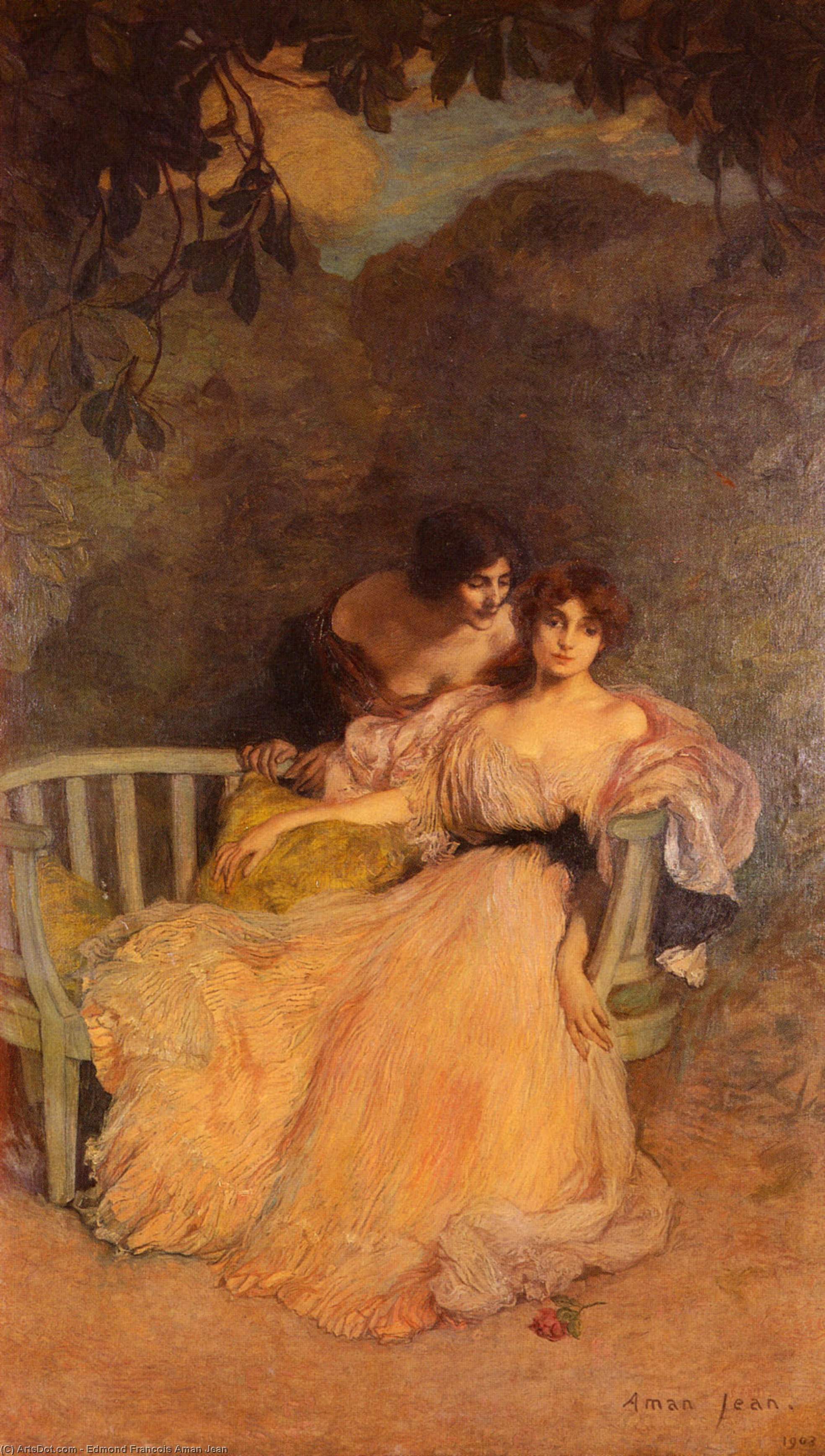
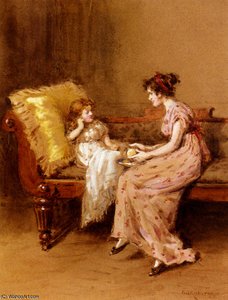
La Confidence

 詳細を見る
詳細を見る




































作品のオリジナル比率に合わせた、当店の規定サイズからお選びください。

特定のフレームやスペースに合わせて、ご希望のサイズをご入力いただけます。選択されたサイズが元の画像の比率と異なる場合、アートワークをトリミングするか、手描きで要素を追加して絵画を拡張いたします。デジタルモックアップ を制作し、制作開始前にご確認(承認)をいただきます。
画面上のプレビューは、実際のトリミングや拡張を正確に反映しているものではありません。最終的な構図は、モックアップによってのみ正確にご確認いただけます。
カスタムサイズもご利用いただけますが、元の比率を維持するためには、あらかじめ用意されたリストからサイズを選択することをお勧めいたします。
ご注文後、ArtsDot.com チームより詳細な指示をお送りするとともに、仕上がりイメージ(モックアップ)をご提供いたします。


 ガラスオプションは、110cm未満のサイズでのみご利用いただけます。

La Confidence
複製技法
複製画のサイズ
-


合計金額
$ 263
関連作品
アーティストの略歴
Maurice Prendergast: A Painter of Vibrant Leisure
Born in St. John’s, Newfoundland, in 1858, Maurice Prendergast emerged as a pivotal figure in American art at the turn of the 20th century – a time when the Impressionist movement was still fresh and seeking new avenues for expression. Initially working as a show card designer, a surprisingly practical apprenticeship that honed his eye for color and composition, Prendergast’s artistic journey took an unexpected turn towards a distinctive post-impressionistic style. His paintings aren't merely depictions of scenes; they are vibrant celebrations of outdoor leisure, imbued with a joyful energy and a unique visual language.
Prendergast’s early life in Boston provided a grounding in the familiar landscapes of New England, but his artistic sensibilities were profoundly shaped by his time in Europe. He spent several years studying in Paris and Munich, absorbing the influences of Impressionism and the burgeoning Symbolist movement. However, it was his sojourn in Japan between 1893 and 1895 – a journey generously sponsored by William Burrell and Alexander Reid – that proved to be a transformative experience. The Japanese prints he encountered during this period exerted a particularly powerful impact on his work, influencing his use of flattened planes, bold outlines, and a simplified approach to form. This influence is strikingly evident in works like “A Galloway Landscape” (1889), a piece now housed at the Kelvingrove Art Gallery and Museum in Glasgow, which showcases a masterful blending of Scottish landscape with Japanese aesthetic principles.
Returning to England, Prendergast continued to refine his style, experimenting with techniques such as monotype printing. His collaboration with fellow Glasgow artist Edward Atkinson Hornel on “The Druids: bringing home the mistletoe” (1890) is a testament to this period of artistic exploration and mutual influence. The resulting painting, now part of the Glasgow Art Gallery’s collection, exemplifies their shared interest in capturing fleeting moments of light and atmosphere.
A Distinctive Style: Flat Planes and Bold Outlines
Prendergast's distinctive style is immediately recognizable through its carefully constructed composition and vibrant color palette. He eschewed traditional techniques of shading and perspective, favoring instead a system of flat, short brushstrokes arranged in geometric patterns. These planes of color are often delineated by bold outlines, creating a sense of clarity and immediacy. This approach, combined with his penchant for depicting scenes of outdoor leisure – picnics, boating parties, seaside gatherings – results in paintings that feel both dynamic and inviting.
His use of color is particularly noteworthy. Prendergast rarely employed subtle gradations; instead, he favored bright, saturated hues that seemed to leap off the canvas. He was adept at capturing the effects of light and shadow, not through realistic representation but through a carefully orchestrated interplay of color and value. This technique contributes significantly to the overall sense of joy and vitality that characterizes his work.
Key Works and Themes
Several paintings stand out as particularly representative of Prendergast’s artistic vision. “Landscape with Figures” (1921), a vibrant depiction of a picnic scene, exemplifies his masterful use of color and composition. “Figures on a Beach” (1910/1915), a watercolor study, captures the fleeting beauty of a coastal landscape. His series of paintings depicting scenes from Gloucester, Massachusetts, showcases his ability to translate the rhythms of daily life into compelling visual narratives.
Throughout his career, Prendergast consistently explored themes of leisure, friendship, and the pleasures of the outdoors. These subjects were not merely decorative; they served as a vehicle for expressing his own optimistic worldview and his belief in the transformative power of art. His paintings are imbued with a sense of genuine enjoyment – a celebration of life’s simple joys.
Later Years and Legacy
In 1903, Prendergast moved to London, seeking greater opportunities for portrait commissions and wider recognition. He continued to exhibit his work in both Scotland and England until his death in 1936. Despite not achieving widespread fame during his lifetime, Prendergast’s influence on American art is now increasingly recognized. His distinctive style—characterized by its bold colors, simplified forms, and joyful spirit—has resonated with subsequent generations of artists.
Today, Prendergast's paintings are held in prominent collections around the world, including the National Gallery of Art in Washington D.C., the Glasgow Art Gallery, and the Cape Town Museum. His work stands as a testament to his unique artistic vision and his enduring contribution to the development of American art.
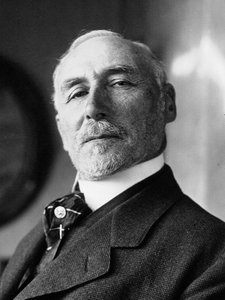
edmond-françois aman-jean
1858 - 1936 , France
基本情報
- Artistic Movement Or Style: Glasgow Boys, Landscape
- Artists Or Movements Influenced By This Artist:
- William-Adolphe Bouguereau
- Tony Robert-Fleury
- Artists Who Influenced This Artist:
- Edward Atkinson Hornel
- Courbet
- Rubens
- Date Of Birth: 1858-03-14
- Date Of Death: 1943-07-06
- Full Name: George Henry
- Nationality: Scottish
- Notable Artworks:
- A Galloway Landscape
- The Druids: bringing home the mistletoe
- Place Of Birth: Irvine, Scotland
関連記事

Romantic Realism's Finest: 10 Masterpieces for Your Home | ArtsDot
Explore 10 defining masterpieces of Romantic Realism! Discover Courbet, Millet & Daumier's powerful paintings—capturing emotion and social realities. Find museum-quality reproductions for your home at ArtsDot.com.
Émile Jean Horace Vernet: Romantic Realism & Depicting 19th-Century Life
Explore the life & art of Émile Jean Horace Vernet, a master of Romantic Realism. Discover his captivating battle scenes, portraits, and Orientalist works – a window into 19th-century France. Learn about his techniques & enduring legacy.

Impressionism's Masterpieces: 10 Paintings That Defined a Movement | ArtsDot
Journey through Impressionism's heart with 10 iconic paintings by Monet, Renoir & Degas. Explore light, color & the stories behind these masterpieces. Find museum-quality art reproductions and elevate your home decor on ArtsDot.com.
Capturing Light & Emotion: A Beginner's Guide to the Soul of Late Impressionism
Embark on a visual journey through Late Impressionism. Discover how masters like Monet and Van Gogh captured light and emotion, and learn expert tips for bringing these soulful, hand-painted aesthetics into your modern home decor with confidence.

ポール・セザンヌ:至高の25選 - 傑作と革新の軌跡 | ArtsDot
ポール・セザンヌの至高の25選。ポスト印象派を代表する画家、セザンヌの傑作と革新的な技法を紐解きます。ArtsDotで高品質な複製画やインテリアアートを見つけ、芸術の世界をご自宅に。今すぐコレクションをご覧ください。

