

 プレビュー
プレビュー
 シェアする
シェアする シェアする
シェアする
 詳細を見る
詳細を見る

 ダウンロード
 似ている作品
 X線調査
X線調査 スライドショー
 Stats
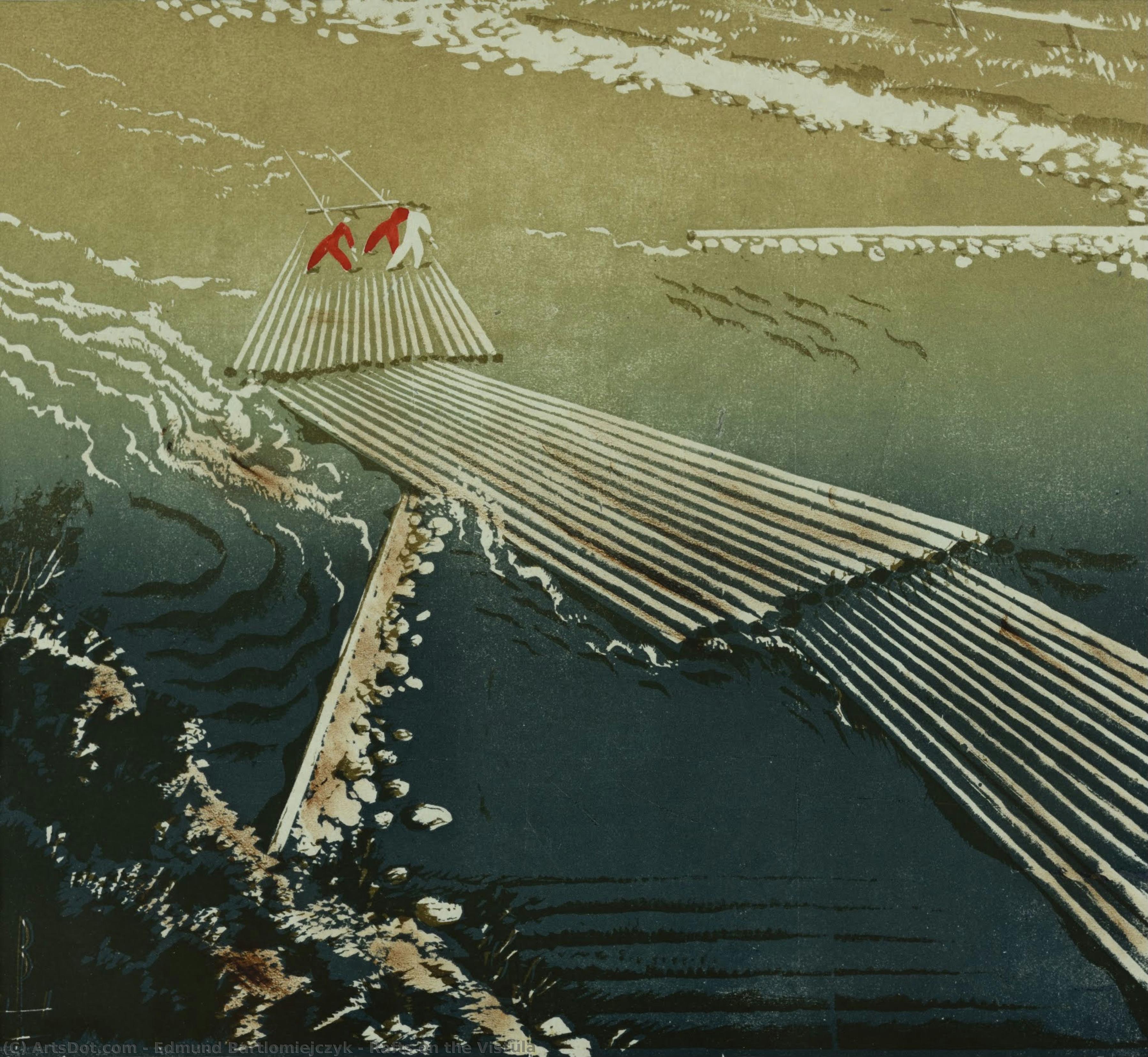
StatsRafts on the Vistula


 詳細を見る
詳細を見る
オンラインプレビューをはるかに凌ぐ、高解像度で鮮明なデジタル画像をご購入いただけます。
各ファイルは、社内の専門家が高度なツールと熟練した手作業によるレタッチを用いて、細心の注意を払って準備されています。すべての画像において、卓越した鮮明度、正確な色彩再現性、そして繊細なディテールを保証いたします。
最終ファイルは、プロフェッショナルな編集・印刷環境ですぐにご利用いただけるよう最適化された状態で、72時間以内にメールにてお届けいたします。これは、一流のデザインスタジオ、出版社、ギャラリーから信頼されているものと同等の品質です。
デジタルアート
個人での鑑賞、印刷、クリエイティブなプロジェクト用に、高解像度ファイルをダウンロードできます。 ( Switch to Print 手描きの絵画を購入)
デジタル画像のご注文に付随する特典
高品質なデジタル画像配信を、確かな品質で。
ArtsDot.com を選ぶことは、単に画像を手に入れることではありません。それは、プロの手によって精密に仕上げられ、満足保証が付いた高品質なデジタルアートワークを受け取ることを意味します。ご注文いただいた際に自動的に付随する内容は、以下の通りです:

メールですぐにお届け
ご注文から72時間以内に、高解像度のデジタル画像ファイルがメールでお手元に届きます。すぐにそのままご利用いただけます。

AI技術で最適化されたデジタルファイル
お客様の作品は、高度なAIツールと専門家による手作業の編集を組み合わせてプロフェッショナルに最適化されており、細部のディテール、鮮明さ、そして正確な色再現性を最大限に引き出しています。

一生涯無料の再送サービス
ファイルを誤って削除したり、紛失してしまったりしましたか?ご安心ください。いつでも無料で再送いたします。

輸入手数料は一切かかりません
関税や手数料、配送料を気にすることなく、お気に入りのアートワークをすぐにお楽しみいただけます。デジタルダウンロードは常に免税です。

色彩再現の保証
プロ仕様のツールとカラーマネジメント技術を用いることで、デジタル画像が元の色を最大限に忠実に再現することを保証いたします。

100日間満足保証
ご購入いただいたデジタル画像にご満足いただけない場合は、100日以内であれば、理由を問わず修正または100%の返金対応をさせていただきます。

100% 返金保証
ご満足いただけない場合は、デジタルファイルを受け取ってから100日以内であれば、理由を問わず全額返金いたします。

まとめ買い割引
3枚購入で10%OFF - 5枚購入で15%OFF - 10枚以上購入で20%OFF。クリエイティブなプロジェクト、ギャラリー、エージェンシーに最適です。
A Serene Drift Through Polish History
In the quietude of 1931, Edmund Bartłomiejczyk captured a moment of profound stillness in his evocative masterpiece, Rafts on the Vistula. The painting invites the viewer to step away from the frantic pace of modern existence and drift alongside two figures navigating the gentle currents of Poland's most iconic waterway. There is an undeniable intimacy in this scene; as the raft, constructed from weathered branches and sticks, glides across the glassy surface, we are witness to a shared experience of peace. The composition draws us into a world where the boundary between humanity and nature dissolves, leaving only the rhythmic movement of the river and the soft, golden light of a passing afternoon.
The artist’s technique reveals a deep-seated reverence for the Impressionistic masters. Much like Monet or Renoir, Bartł::omiejczyk utilizes a delicate touch to manipulate light and color, ensuring that the water does not merely appear as a blue surface, but as a living, breathing entity reflecting the sky and the surrounding landscape. The brushwork is purposeful yet fluid, capturing the subtle textures of the wooden raft and the soft, sandy edges of the distant beach. This mastery of atmosphere allows the painting to function not just as a depiction of a place, but as an emotional landscape, evoking a sense of nostalgia and a longing for the simplicity of rural life.
The Soul of the Vistula Landscape
Beyond its aesthetic beauty, Rafts on the Vistula serves as a poignant window into the Polish countryside during the interwar period. Bartłomiejczyk was a painter deeply rooted in the rhythms of everyday life, and here, he elevates a mundane moment of river travel into something poetic and timeless. The symbolism of the raft—a vessel of transition and slow progress—mirrors the contemplative state of the subjects. They are suspended between the shore and the unknown, much like the viewer is suspended in the act of observation. This sense of quietude makes the piece an extraordinary choice for those looking to introduce a sense of calm and historical depth into a curated interior.
For the discerning collector or interior designer, this artwork offers more than mere decoration; it provides a focal point of tranquility. The muted palette and the harmonious balance between the figures and their environment make it a versatile addition to sophisticated spaces, whether placed in a sunlit study or a contemporary living room. Owning a high-quality reproduction of this work means bringing a piece of Poland's artistic soul into one's home—a permanent invitation to pause, breathe, and reflect upon the enduring beauty of the natural world.
関連作品

作家の略歴
The Luminous Spirit of the Polish Landscape
Edmund Bartłomiejczyk, a master of the ephemeral, possessed a rare ability to translate the fleeting nuances of light into enduring visual poetry. Born in 1885, his artistic journey was deeply shaped by the Impressionistic currents flowing through Europe. Drawing inspiration from the legendary techniques of Claude Monet and Pierre-Auguste Renoir, Bartłomiejczyk sought to capture not just the physical form of the landscape, but the very breath of the atmosphere itself. His work often centered on the serene beauty of river landscapes, where the water becomes a mirror for the sky, reflecting a world caught in a moment of profound stillness.A Tapestry of Everyday Existence
While many of his contemporaries sought grandeur in historical epics, Bartłomiejczyk found his muse in the tangible realities of rural Poland. He turned his gaze toward the rhythmic pulse of daily life, finding sanctity in the ordinary. His canvases are filled with the pastoral rhythms of farmers tending to their ancestral fields, the innocent joy of children playing along sun-drenched riverbanks, and the warmth of families gathered around a hearth. To achieve this, he employed a delicate technique of layering thin washes of pigment, creating luminous surfaces that seemed to glow from within. Through the masterful use of complementary colors and subtle, purposeful brushstrokes, he achieved a textural nuance that brought the textures of weathered wood and sandy shores to life.Legacy and International Resonance
The significance of Bartłomiejczyk’s contribution to Polish art reached far beyond local borders. His talent earned him a place on the international stage during the 1932 Summer Olympics in Berlin, where his painting “Esterka” was showcased among the finest works of Europe. This period marked a pinnacle of recognition for an artist who remained, at his core, a painter of the soul and the soil. Even in masterpieces like “Rafts on the Vistula,” there is a sense of nostalgia—a longing for a simpler, more contemplative era. His legacy remains a vital part of the Polish artistic canon, reminding us of the beauty found in the quiet, steady flow of life and river.
edmund bartlomiejczyk
1885 - 1950 , Poland
プロフィール概要
- Artistic Movement Or Style: Realism
- Artists Or Movements Influenced By This Artist: ['European Painting']
- Artists Who Influenced This Artist: ['Henryk Tanworth Wells']
- Date Of Birth: November 5, 1885
- Date Of Death: September 2, 1950
- Full Name: Edmund Bartłomiejczyk
- Nationality: Polish
- Notable Artworks:
- Esterka
- Rafts on the Vistula
- Place Of Birth: Warsaw, Poland