

 プレビュー
プレビュー
 シェアする
シェアする シェアする
シェアする
 詳細を見る
詳細を見る

 ダウンロード
 似ている作品
 X線調査
X線調査 スライドショー
 Stats
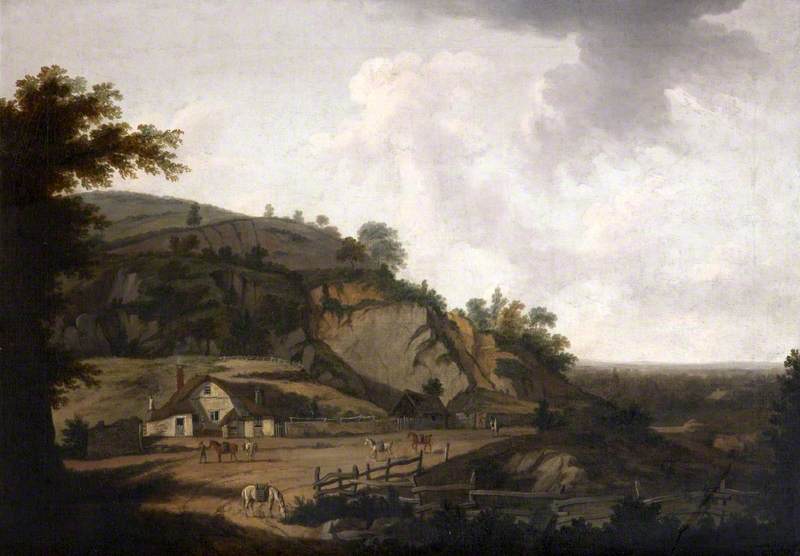
StatsView near Crabtree Limekiln
 1813
1813 64.0 x 96.0 cm
 National Trust
 詳細を見る
詳細を見る
オンラインプレビューをはるかに凌ぐ、高解像度で鮮明なデジタル画像をご購入いただけます。
各ファイルは、社内の専門家が高度なツールと熟練した手作業によるレタッチを用いて、細心の注意を払って準備されています。すべての画像において、卓越した鮮明度、正確な色彩再現性、そして繊細なディテールを保証いたします。
最終ファイルは、プロフェッショナルな編集・印刷環境ですぐにご利用いただけるよう最適化された状態で、72時間以内にメールにてお届けいたします。これは、一流のデザインスタジオ、出版社、ギャラリーから信頼されているものと同等の品質です。
デジタルアート
個人での鑑賞、印刷、クリエイティブなプロジェクト用に、高解像度ファイルをダウンロードできます。 ( Switch to Print 手描きの絵画を購入)
デジタル画像のご注文に付随する特典
高品質なデジタル画像配信を、確かな品質で。
ArtsDot.com を選ぶことは、単に画像を手に入れることではありません。それは、プロの手によって精密に仕上げられ、満足保証が付いた高品質なデジタルアートワークを受け取ることを意味します。ご注文いただいた際に自動的に付随する内容は、以下の通りです:

メールですぐにお届け
ご注文から72時間以内に、高解像度のデジタル画像ファイルがメールでお手元に届きます。すぐにそのままご利用いただけます。

AI技術で最適化されたデジタルファイル
お客様の作品は、高度なAIツールと専門家による手作業の編集を組み合わせてプロフェッショナルに最適化されており、細部のディテール、鮮明さ、そして正確な色再現性を最大限に引き出しています。

一生涯無料の再送サービス
ファイルを誤って削除したり、紛失してしまったりしましたか?ご安心ください。いつでも無料で再送いたします。

輸入手数料は一切かかりません
関税や手数料、配送料を気にすることなく、お気に入りのアートワークをすぐにお楽しみいただけます。デジタルダウンロードは常に免税です。

色彩再現の保証
プロ仕様のツールとカラーマネジメント技術を用いることで、デジタル画像が元の色を最大限に忠実に再現することを保証いたします。

100日間満足保証
ご購入いただいたデジタル画像にご満足いただけない場合は、100日以内であれば、理由を問わず修正または100%の返金対応をさせていただきます。

100% 返金保証
ご満足いただけない場合は、デジタルファイルを受け取ってから100日以内であれば、理由を問わず全額返金いたします。

まとめ買い割引
3枚購入で10%OFF - 5枚購入で15%OFF - 10枚以上購入で20%OFF。クリエイティブなプロジェクト、ギャラリー、エージェンシーに最適です。
関連作品





作家の略歴
The Visionary Landscapes of Edmund Garvey
In the tapestry of eighteenth-century European art, few threads are as delicately woven as those of Edmund Garvey. Born in Kilkenny, Ireland, around 1740, Garvey emerged from the verdant landscapes of his homeland to become a distinguished figure within the prestigious Royal Academy. His life was a journey of movement and light, spanning the grand vistas of Rome to the tranquil, pastoral reaches of Devonshire. While biographical records from this era often remain shrouded in mystery, the enduring legacy of his brushwork speaks volumes of an artist deeply attuned to the shifting moods of the natural world and the timeless elegance of classical antiquity.
Garvey’s artistic evolution was profoundly shaped by his encounters with the grandeur of the continent. Having studied under Robert Carver, he sought further inspiration in the heart of Italy, a period that would fundamentally alter his aesthetic sensibilities. His travels between 1768 and 1772 allowed him to immerse himself in the majesty of Roman architecture and the silent dignity of classical sculpture. This exposure birthed a fascination with what many call his "Roman Idols"—paintings where marble statues are not merely subjects, but intellectual anchors within the landscape. Through these works, Garvey engaged with the humanist ideals of the Enlightenment, using meticulous texture and masterful light to bridge the gap between the physical reality of stone and the ephemeral beauty of the surrounding atmosphere.
A Mastery of Light and Atmosphere
The technical prowess of Garvey lay in his ability to manipulate both oil and watercolor to capture the fleeting essence of a moment. His work often oscillated between the monumental and the intimate. In his more dramatic compositions, such as his depictions of the eruption of Mt. Vesuvius or the lightning-struck shores of Lake Geneva, one can sense a precursor to the Romantic movement—a fascination with the sublime power of nature. Yet, even in these intense scenes, Garvey maintained a disciplined control over tonal gradations, ensuring that every flicker of light and shadow served the narrative of the landscape.
This versatility was perhaps most evident in his celebrated watercolor, Waterfall in the Alps, which stood as one of the earliest Alpine subjects exhibited in Britain. Such works demonstrated his capacity to translate the rugged, intimidating scale of the mountains into a medium that felt both delicate and profound. His ability to render the weight of water and the crispness of mountain air solidified his reputation as an artist capable of capturing the very breath of the earth.
From Roman Grandeur to Devonshire Serenity
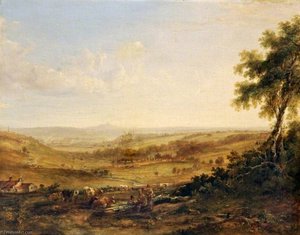
As his career progressed, Garvey’s focus shifted from the epic scale of Italy and the Alps toward the more subdued, pastoral beauty of the British Isles. Settling in Exeter, Devon, he turned his gaze toward the rolling hills and quiet estuaries of the English countryside. This later period of his life saw a departure from the dramatic architectural ruins of Rome in favor of serene, atmospheric vistas. These Devonshire scenes, while less monumental in subject, retained the signature stylistic qualities that defined his career: a profound respect for texture, a subtle use of light, and an ability to find the extraordinary within the ordinary.
His achievements were formally recognized by the highest artistic institutions of his time. Having been elected an Associate of the Royal Academy in 1770, he reached the pinnacle of professional success when he was named a Royal Academician in 1783. This honor was accompanied by the poignant gesture of gifting his diploma work, Distant View of Rome, to the Royal Academy itself—a testament to his lifelong connection to the classical ideals that first ignited his passion. Through over one hundred exhibitions at the Royal Academy, Garvey left an indelible mark on the landscape tradition, leaving behind a body of work that continues to invite viewers into the quiet, beautiful worlds he so lovingly constructed.
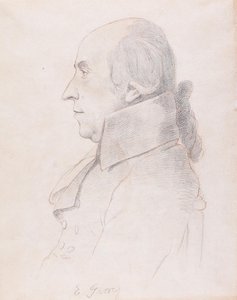
edmund garvey
1740 - 1813
プロフィール概要
- Artistic Movement Or Style: Romanticism
- Artists Or Movements Influenced By This Artist: ['Turner']
- Artists Who Influenced This Artist:
- Joshua Reynolds
- Claude Lorrain
- Date Of Birth: 1740
- Date Of Death: 1813
- Full Name: Edmund Garvey
- Nationality: Irish
- Notable Artworks:
- Views of Rome
- Bristol Paintings
- Devon Landscapes
- Place Of Birth: Ireland