

 プレビュー
プレビュー
 プリントを購入
 シェアする
シェアする シェアする
シェアする
 詳細を見る
詳細を見る

 ダウンロード
 似ている作品
 X線調査
X線調査 スライドショー
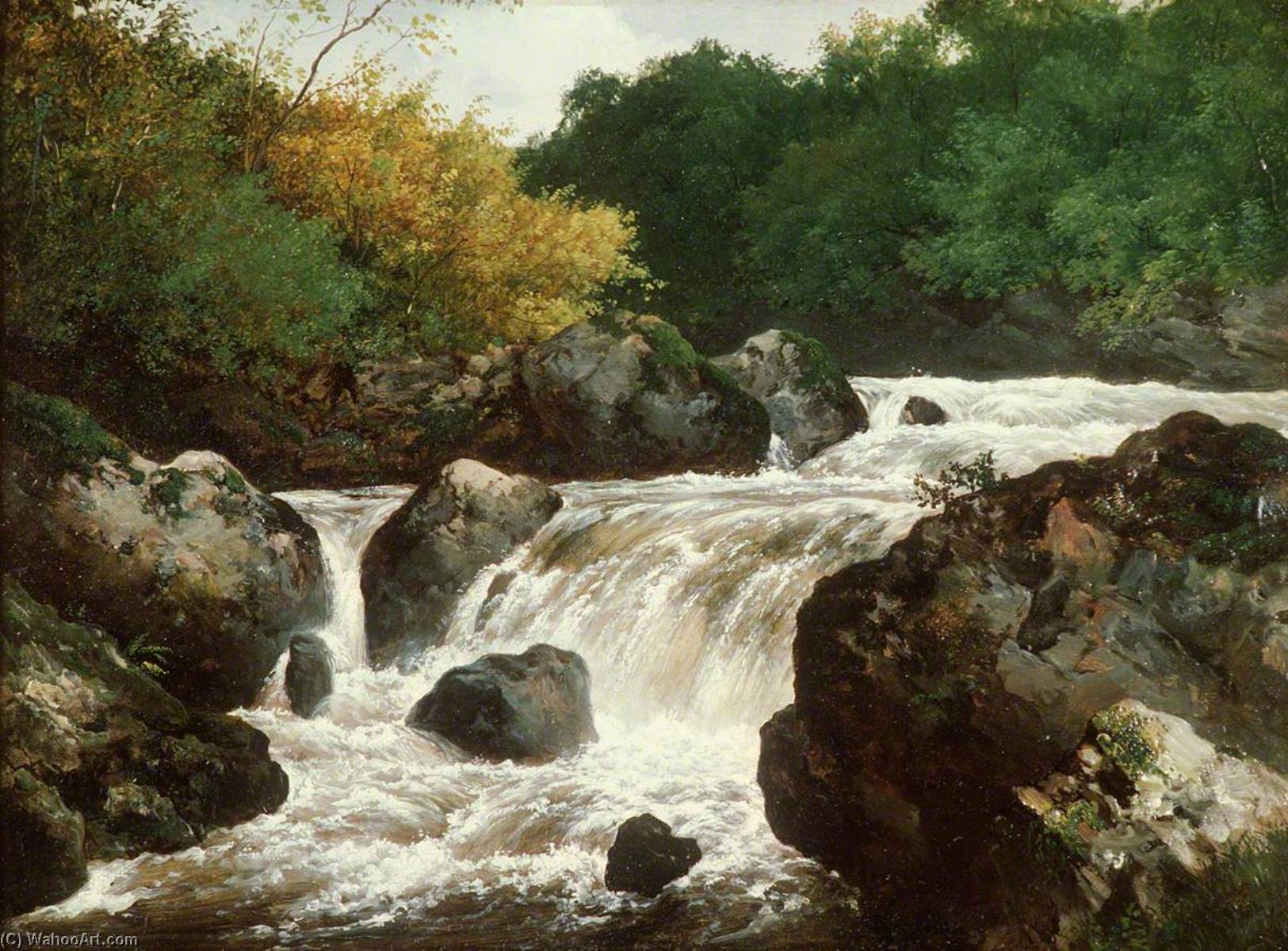
A Scene on the River Conway
 1860
1860 22.0 x 30.0 cm
 Llyfrgell Genedlaethol Cymru / The National Library of Wales
 詳細を見る
詳細を見る




































作品のオリジナル比率に合わせた、当店の規定サイズからお選びください。

特定のフレームやスペースに合わせて、ご希望のサイズをご入力いただけます。選択されたサイズが元の画像の比率と異なる場合、アートワークをトリミングするか、手描きで要素を追加して絵画を拡張いたします。デジタルモックアップ を制作し、制作開始前にご確認(承認)をいただきます。
画面上のプレビューは、実際のトリミングや拡張を正確に反映しているものではありません。最終的な構図は、モックアップによってのみ正確にご確認いただけます。
カスタムサイズもご利用いただけますが、元の比率を維持するためには、あらかじめ用意されたリストからサイズを選択することをお勧めいたします。
ご注文後、ArtsDot.com チームより詳細な指示をお送りするとともに、仕上がりイメージ(モックアップ)をご提供いたします。


 ガラスオプションは、110cm未満のサイズでのみご利用いただけます。

A Scene on the River Conway
複製技法
複製画のサイズ
-


合計金額
$ 263
関連作品










アーティストの略歴
The Serene Vision of Edmund Marriner Gill
Edmund Marriner Gill (1820–1894) may not possess the thunderous fame of his contemporaries, yet his canvases offer a profound and quiet power that resonates with anyone who has found solace in the wild beauty of the British Isles. Born in Clerkenwood, London, into a family steeped in artistic tradition, Gill was destined for a life shaped by the brush. His father, Edmund Ward Gill, was a respected portrait painter, and his brothers, William and George, also pursued the fine arts. However, while his lineage leaned toward the structured world of portraiture, Edmund’s heart wandered toward the untamed landscapes of the English, Welsh, and Scottish countrysides. He became a master of the atmospheric, specializing in the dramatic movement of waterfalls and the rhythmic flow of rushing rivers.
His artistic journey was one of remarkable self-discovery and focused observation. Although he studied at the Royal Academy, much of his stylistic essence was forged through personal encounter and mentorship rather than rigid academic dogma. A pivotal moment occurred in 1841 in Birmingham, where Gill met the legendary landscape painter David Cox. This meeting would forever alter the trajectory of his work. From Cox, Gill absorbed a deep appreciation for atmospheric effects—the way light filters through mist, the subtle shifts in color during a passing storm, and the ability to render nature not just as a static scene, but as a living, breathing entity. This influence is woven into the very fabric of his technique, blending a meticulous eye for detail with a Romantic sensibility that celebrates the sublime.
Mastery of Water and Light
Gill’s true passion lay in the rugged terrains of Wales, particularly the Lledr Valley and the banks of the River Conway. He possessed an almost meditative ability to translate the visual poetry of these locations onto canvas. His subject matter often centered on the kinetic energy of water; whether it was a cascading mountain torrent or the gentle, swirling eddies of a riverbed, Gill captured the dual nature of water—its terrifying strength and its profound tranquility. In works such as On the Lledr, created in 1864, one can observe his ability to balance a sense of human presence within a vast, overwhelming landscape, using oil on canvas to create a rich, vibrant palette that brings the textures of rock and foliage to life.
The technical brilliance of his work is most evident in his handling of light and composition. He did not merely paint scenery; he painted the air itself. His landscapes often feature:
- Atmospheric Depth: The use of soft edges and hazy horizons to create a sense of immense distance and scale.
- Textural Contrast: The juxtaposition of smooth, flowing water against the jagged, unyielding surfaces of ancient stones.
- Luminous Color: A mastery of light that suggests the fleeting moments of dawn or the heavy, moisture-laden atmosphere of a Welsh afternoon.
In masterpieces like River with Rapids (1876), Gill demonstrates his capacity to harmonize the majestic presence of mountains with the energetic movement of water, creating a sense of equilibrium that is both breathtaking and peaceful.
A Lasting Legacy in the Landscape
Throughout his career, which saw him exhibiting at the Royal Academy from 1842 to 1886, Gill remained a dedicated observer of the natural world. His life, spent moving between London, Ludlow, and Hereford, allowed him to draw inspiration from diverse terrains, yet he always returned to the elemental beauty of the water's edge. While his name might not dominate the grand narratives of art history textbooks, his significance lies in his contribution to the 19th-century landscape tradition—a period defined by a deep, spiritual connection to the land.
Today, his works serve as vital windows into a vanished era of British naturalism. Pieces such as Matlock Dale, Derbyshire (1894) stand as poignant final testaments to his ability to capture the enduring spirit of the countryside. Gill’s legacy is found in the quiet moments of awe experienced by those who view his work—a reminder that there is a profound, lasting beauty in the movement of a stream and the steadfastness of a mountain, captured forever through the eyes of a man who truly saw the world.
edmund marriner gill
1820 - 1894
基本情報
- Artistic Movement Or Style: Romantic Landscape
- Artists Or Movements Influenced By This Artist: ['None listed']
- Artists Who Influenced This Artist: ['David Cox']
- Date Of Birth: 1820
- Date Of Death: 1894
- Full Name: Edmund Marriner Gill
- Nationality: English
- Notable Artworks:
- River with Rapids
- On the Lledr
- A Welsh Mountain Torrent
- Place Of Birth: London, England

