

 プレビュー
プレビュー
 シェアする
シェアする シェアする
シェアする
 詳細を見る
詳細を見る

 ダウンロード
 似ている作品
 X線調査
X線調査 スライドショー
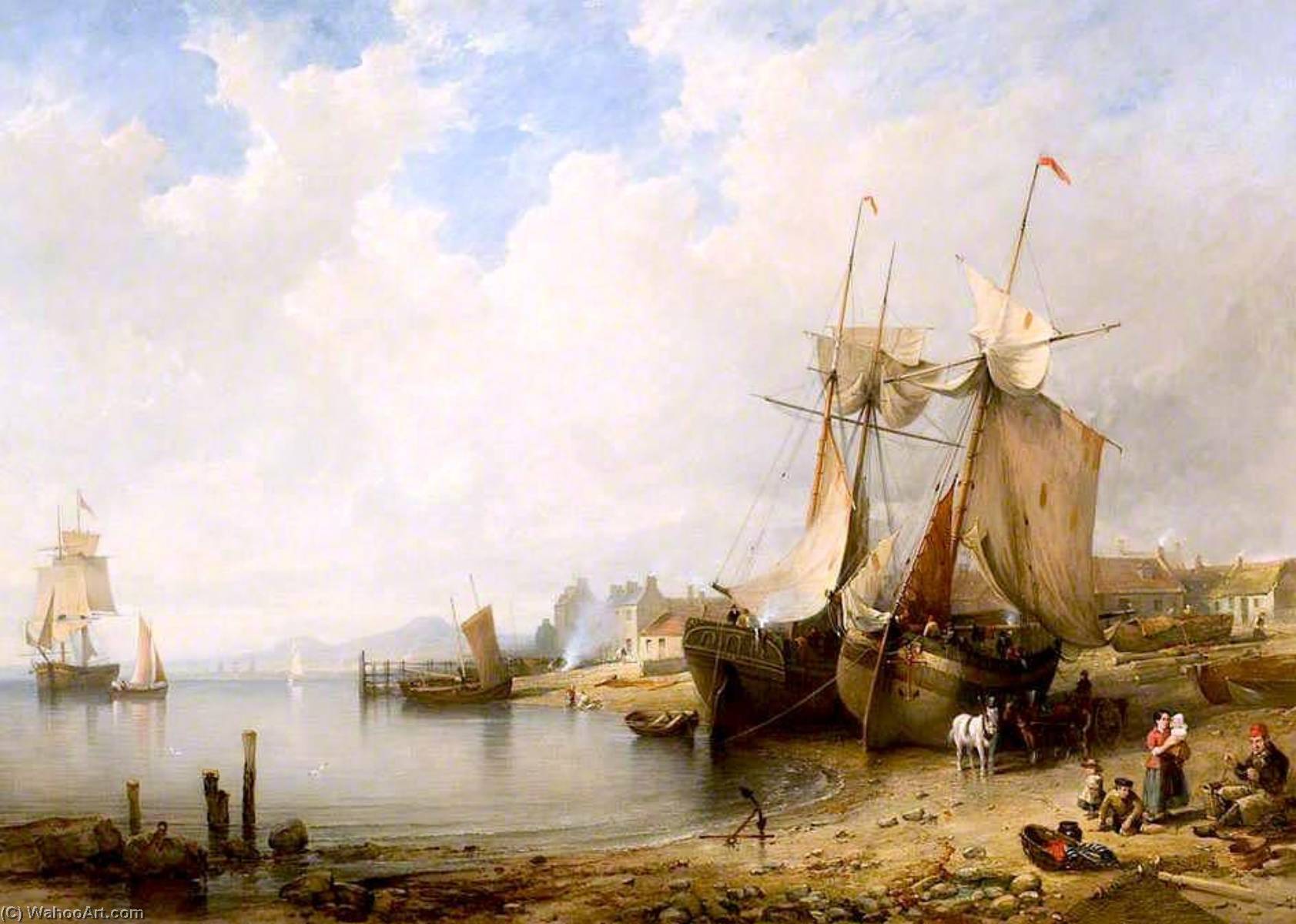
Ebb Tide Dundee from Broughty Ferry


Explore the captivating art of Edmund Thornton Crawford – a British artist known for his diverse collections & museum contributions across England. Discover unique artworks!
 詳細を見る
詳細を見る
ジークレー/アートプリント
迅速な制作と多彩な仕上げオプションを備えた、ミュージアムクオリティのジークレーまたはキャンバスプリント。 ( 手描きの絵画を購入 画像を購入)




































標準サイズ
オーダーメイド
CM
INCH
作品のオリジナル比率に合わせた、当店の規定サイズからお選びください。
Loading sizes...

幅
高さ
特定のフレームやスペースに合わせて、ご自身でサイズを指定することも可能です。選択されたサイズが元の画像の比率と一致しない場合、作品をトリミングするか、鏡面反射または単色での塗りつぶしによって画像を拡張いたします。制作を開始する前に、ご確認用のデジタルモックアップをお送りいたします。
画面上のプレビューには、実際のトリミングや拡張は反映されませんのでご注意ください。最終的な構図を正確に確認できるのは、モックアップのみとなります。
カスタムサイズも承っておりますが、元の比率を維持するためには、あらかじめ用意されたリストからサイズを選択することをお勧めいたします。


 ガラスオプションは、110cm未満のサイズでのみご利用いただけます。

Ebb Tide Dundee from Broughty Ferry
ジークレー/アートプリント
複製画のサイズ
-


合計金額
$ 62
関連作品









アーティストの略歴
Early Life and Artistic Beginnings
Edmund Thornton Crawford, born in 1806 at Cowden near Dalkeith, Scotland, emerged from a landscape steeped in the natural beauty that would define his artistic career. His father’s profession as a land surveyor instilled an early appreciation for the Scottish countryside, providing young Edmund with firsthand exposure to the rolling hills and picturesque vistas of the Lothians. Initially apprenticed as a house-painter in Edinburgh, Crawford's innate talent quickly became apparent, leading to a shift in his path towards formal artistic training at the Trustees’ Academy under Alexander Nasmyth’s successor. This pivotal decision set him on a course that would see him become one of Scotland’s most celebrated landscape and marine painters. At the Academy, he found himself amongst a cohort of future luminaries—David Octavius Hill and Robert Scott Lauder among them—and forged a particularly close bond with William Simson, whose influence proved invaluable in honing Crawford's sketching skills and developing his distinctive style through shared outdoor expeditions. His early works began appearing at the Royal Institution, marking the nascent stages of a career dedicated to capturing the essence of the Scottish environment.The Dutch Influence and Maturation of Style
Crawford’s artistic development took a significant turn with his first visit to Holland in 1833. This journey proved transformative, exposing him to the rich tradition of Dutch Masters—painters whose meticulous attention to detail and mastery of light profoundly impacted his approach. He returned to Scotland imbued with a new appreciation for picturesque style, which he skillfully integrated into his depictions of both Scottish landscapes and marine scenes. While initially establishing himself as a drawing teacher, Crawford dedicated increasing time to painting, meticulously gathering materials from Holland and his native land. This period saw the emergence of a series of landscapes and coastal views that showcased his growing skill in capturing atmospheric effects and conveying the emotional resonance of nature. His work wasn’t about strict realism; rather, it aimed for an impressionistic quality—a striving to evoke the *feeling* of a place rather than simply replicating its appearance. He became an Associate of the Royal Scottish Academy (ARSA) in 1839, though his commitment to his evolving style led to a temporary withdrawal from the body before rejoining as a full Academician (RSA) in 1848.Peak Years and Recognition
The year 1848 marked a turning point in Crawford’s career with the creation of ‘Eyemouth Harbour,’ his first major picture that firmly established his reputation. This work, and those that followed—‘A View on the Meuse,’ ‘A Fresh Breeze,’ ‘River Scene and Shipping, Holland,’ ‘Dutch Market Boats,’ ‘French Fishing Luggers,’ ‘Whitby, Yorkshire,’ and ‘Hartlepool Harbour’—demonstrated a mastery of landscape painting rarely seen in Scotland. He was celebrated for his ability to portray scenes with both technical precision and emotional depth, capturing the essence of coastal life and the rugged beauty of the Scottish countryside. While he contributed only one work to a London exhibition – ‘View of the Port and Fortifications of Callao, and Capture of the Spanish frigate Esmeralda’ at the Royal Academy in 1836—his influence remained firmly rooted in Scotland. He continued to exhibit regularly with the Royal Scottish Academy until 1877, maintaining his high standards well into his later years.Legacy and Historical Significance
Edmund Thornton Crawford’s contribution to Scottish art lies not only in the beauty of his paintings but also in his embodiment of what became known as the “Old School” of Scottish landscape painting. This school, characterized by its emphasis on atmospheric effects and emotional impression rather than hyper-realistic detail, represented a distinct approach to capturing the natural world. He was an enthusiastic sportsman in his prime—enjoying fishing and shooting—but a long illness eventually led to his retirement from active practice. Crawford passed away at his home in Lasswade in 1885, leaving behind a body of work that continues to resonate with viewers today. His paintings, such as ‘Coast scene - A storm’ held within the RSA Diploma Collection, serve as enduring testaments to his skill and vision. Crawford's influence can be seen in the works of subsequent generations of Scottish landscape painters, solidifying his place as a pivotal figure in the history of British art. His dedication to capturing the spirit of Scotland—its landscapes, its coastlines, and its people—ensures that his legacy will continue to inspire for years to come. He remains a significant example of an artist deeply connected to his environment and committed to portraying its beauty with both technical skill and emotional sensitivity.
基本情報
- Artistic Movement Or Style: Old School Landscape
- Artists Who Influenced This Artist:
- William Simson
- Dutch Masters
- Date Of Birth: 1806
- Date Of Death: 1885
- Full Name: Edmund Thornton Crawford
- Nationality: Scottish
- Notable Artworks:
- Eyemouth Harbour
- View on the Meuse
- A Fresh Breeze
- Place Of Birth: Cowden, Scotland