

 プレビュー
プレビュー
 シェアする
シェアする シェアする
シェアする
 詳細を見る
詳細を見る

 ダウンロード
 似ている作品
 X線調査
X線調査 スライドショー
 Stats
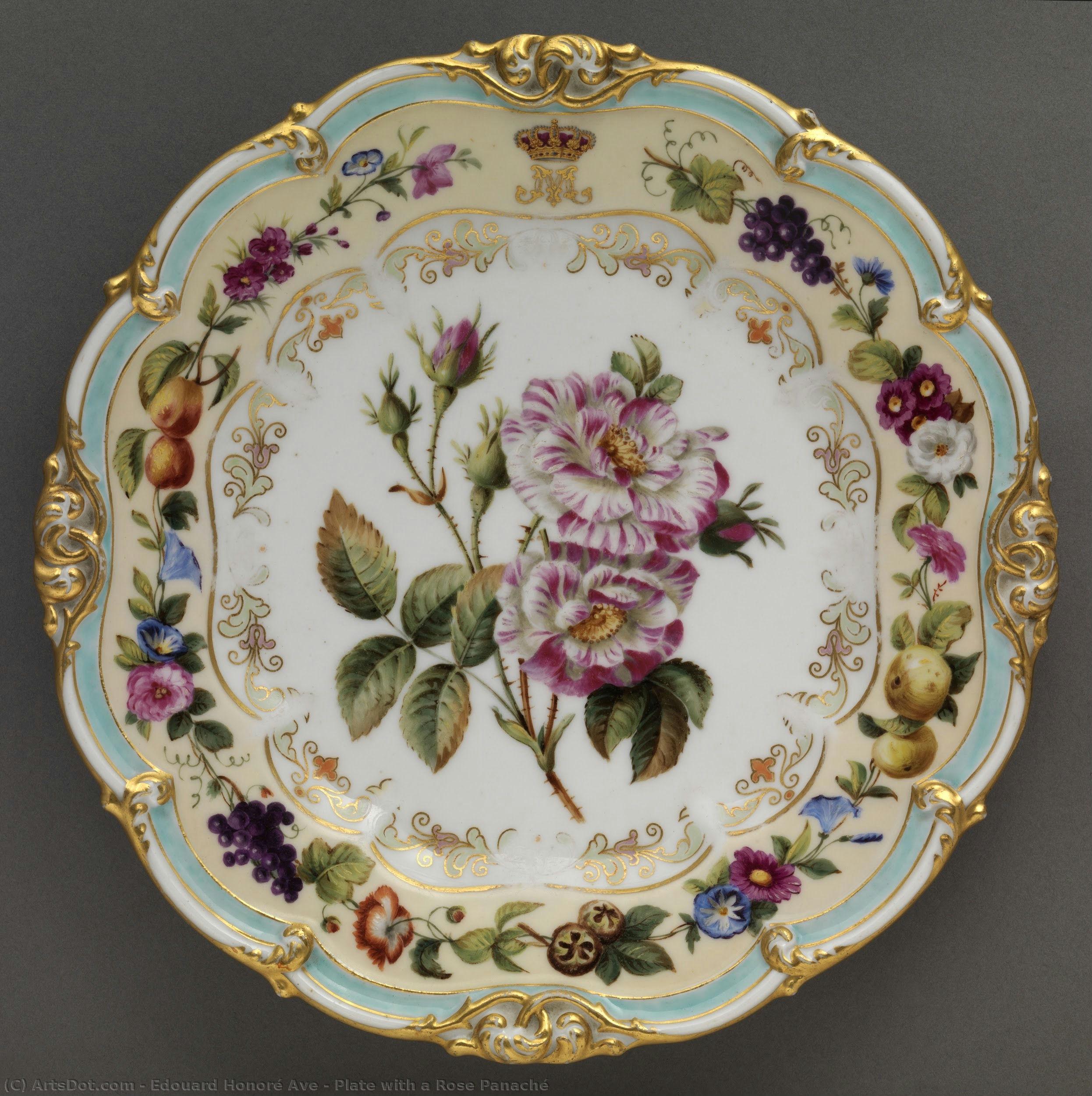
StatsPlate with a Rose Panaché


 詳細を見る
詳細を見る
手描き油彩複製画
当社のアーティストが、お客様のご希望のサイズと額縁に合わせて、キャンバスに手描きで制作する油彩画です。 ( Switch to Print Switch to Digital Image)




P118B $10

P118H $10

P118W $10

P438Z $10

P508JH $12

P508YH $12

P805H $10

P805Z $10

P919BZ $10

P919G $10

P919XJ $10

P959ZH $10

P968JZ $12

W106C $8

W218G $10

W218JH $8

W218Y $10

W307PJ $10

W316G $10

W316PJ $8

W316Y $10

W398PJ $8

W4111J $10

W500HY $15

W500JH $15

W692G $12

W849H $8

W940BG $15

W953PJ $8




作品のオリジナル比率に合わせた、当店の規定サイズからお選びください。

特定のフレームやスペースに合わせて、ご希望のサイズをご入力いただけます。選択されたサイズが元の画像の比率と異なる場合、アートワークをトリミングするか、手描きで要素を追加して絵画を拡張いたします。デジタルモックアップ を制作し、制作開始前にご確認(承認)をいただきます。
画面上のプレビューは、実際のトリミングや拡張を正確に反映しているものではありません。最終的な構図は、モックアップによってのみ正確にご確認いただけます。
カスタムサイズもご利用いただけますが、元の比率を維持するためには、あらかじめ用意されたリストからサイズを選択することをお勧めいたします。
ご注文後、ArtsDot.com チームより詳細な指示をお送りするとともに、仕上がりイメージ(モックアップ)をご提供いたします。


 ガラスオプションは、110cm未満のサイズでのみご利用いただけます。

Plate with a Rose Panaché
複製技法
複製画のサイズ
-


合計金額
$ 263
A Symphony in Blue and Bloom: Exploring Édouard Honoré Ave’s “Plate with a Rose Panaché”
Édouard Honoré Ave's "Plate with a Rose Panaché," painted circa 1840, is more than simply a decorative object; it’s a meticulously rendered window into the opulent aesthetic sensibilities of mid-19th century France. This exquisite porcelain plate, a testament to Ave’s mastery as a “Master of Floral Porcelain,” embodies the Rococo revival that swept through European art and design during this period. The piece speaks volumes about the era's fascination with natural beauty, particularly the delicate allure of floral arrangements, and its desire to evoke a sense of aristocratic elegance.
- Subject Matter & Composition: The central focus is undeniably the profusion of pink flowers – roses dominating the palette – arranged with an almost obsessive attention to detail. Scattered amongst these blooms are ripe apples, strategically placed to add both visual interest and a subtle layer of symbolic meaning. The inclusion of a complementary bowl in the upper left corner further enhances the composition, creating a harmonious tableau that invites prolonged contemplation.
- Technique & Style: Ave’s technique is characterized by its remarkable precision and delicate brushwork. The application of enamel colors onto the porcelain surface demonstrates a mastery of glazing techniques, resulting in a luminous quality that captures the subtle nuances of light and shadow. The plate's design adheres closely to Rococo principles – asymmetrical arrangements, flowing lines, and an emphasis on ornamentation—reflecting the artistic trends of the time.
The Historical Context: Rococo Revival and the Rise of Decorative Arts
"Plate with a Rose Panaché" emerged during a period of intense artistic revival. The late 18th and early 19th centuries witnessed a renewed interest in the art and design of the French Rococo era (roughly 1730-1780). This revival, fueled by a desire to escape the perceived austerity of Neoclassicism, embraced ornamentation, asymmetry, and a celebration of natural forms. Porcelain decoration played a crucial role in this movement, becoming a favored medium for capturing the beauty of the botanical world – a trend exemplified by Ave’s work.
The rise of porcelain as a decorative art form itself is significant. Advances in manufacturing techniques during the early 19th century made it possible to produce increasingly complex and elaborate designs, catering to the tastes of the wealthy elite who sought to furnish their homes with luxurious objects. Ave’s work reflects this burgeoning industry and its commitment to producing pieces that were both beautiful and technically impressive.
Symbolism & Emotional Impact
Beyond its aesthetic qualities, "Plate with a Rose Panaché" is rich in symbolic meaning. Roses, traditionally associated with love, beauty, and passion, are the dominant motif, suggesting an appreciation for romantic ideals. The inclusion of apples, often linked to knowledge, temptation, and immortality, adds another layer of complexity to the composition.
The overall effect is one of serene elegance and refined pleasure. The plate’s delicate colors and intricate details evoke a sense of nostalgia and timeless beauty. It's an object designed not just for practical use but also for visual delight – a miniature world of floral splendor intended to inspire contemplation and foster a feeling of luxurious comfort.
Collecting & Reproduction
Édouard Honoré Ave’s “Plate with a Rose Panaché” represents a pinnacle of 19th-century decorative arts. ArtsDot.com offers meticulously crafted hand-painted reproductions that faithfully capture the original's beauty and detail. These reproductions provide an accessible way to own a piece of art history, bringing the elegance and sophistication of Ave’s work into your home or office. The reproduction process utilizes archival quality materials ensuring longevity and preserving the artwork's vibrant colors for generations to come.
関連作品
アーティストの略歴
エドゥアール・オノレ・アヴが遺した、繊細なるレガシー
産業の進歩と古典的美への深い畏敬の念が共存していた19世紀パリの活気あふれる中心地において、装飾芸術の巨匠としてその名を現したのが、エドゥアイ・オノレ・アヴ(1818–1890)です。彼の生涯と作品は、純粋芸術と精緻な職人技の境界が美しく溶け合っていた時代の窓そのものです。パリに生を受けたアヴは、当時の知的な熱狂と芸術的な情熱に形作られ、フランス絵画の輝かしい伝統の中に初期のインスピレーションを見出しました。彼の形成期には、伝説的な画家ポール・ドラローシュが深い影響を与えています。歴史的な物語を描き出す卓越した技法と細部への徹底したこだわりは、アヴの心に、精密さと壮大さに対する生涯にわたる献身を刻み込んだのです。
同時代の多くの画家たちが、歴史劇を描いた巨大なキャンバスを通じて名声を得ようとした一方で、アヴはより親密で装飾的な領域に自らの真の天職を見出しました。彼は、古典絵画が持つ記念碑的な精神を、磁器という繊細な表面へと翻訳する稀有な才能を備えていました。彼の最も称賛される作品である見事な磁器皿は、単なる食器の枠を超え、ロココ様式の優雅さと植物学的な正確さの本質を捉えた、極小の傑作といえます。これらの作品を通じて、アヴは自然界の輝きを家庭という日常の空間へと持ち込み、ありふれた日用品を崇高な芸術品へと昇華させたのです。
花々と生命が奏でる交響曲
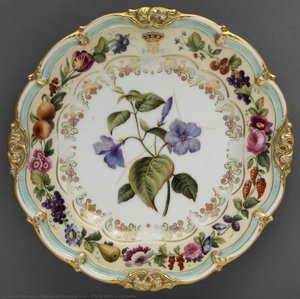
エドゥアール・オノレ・アヴの芸術性は、その植物学的研究と花卉静物画において最も深く感じ取ることができます。彼の技法は、学術的な訓練から受け継いだ揺るぎない正確さを特徴としていました。椿の柔らかくベルベットのような花びらであれ、ポピーの鮮やかで構造的な姿であれ、アヴは磁器に生命を吹き込むパレットを駆使しました。その構図には、光と質感の洗練された相互作用がしばしば見られ、新古典主義やロココ様式を反映した豪華な金彩や複雑な縁取りによって、一層の輝きを放っています。
単なる花のアレンジメントに留まらず、アヴの作品はしばしば自然界の遊び心のある要素を取り入れ、円形のフレームの中に極めて複雑な物語を創り出しました。彼の皿には、以下のような主題が頻繁に描かれています:
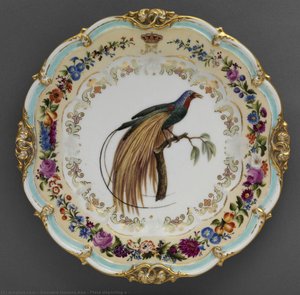
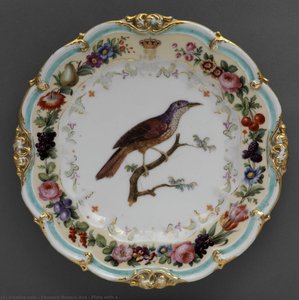
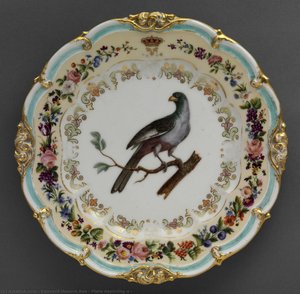
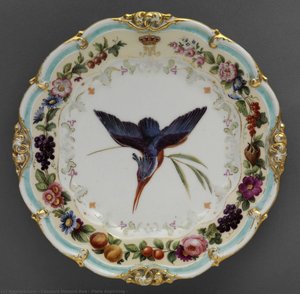
- 鳥たちの優雅さ: 豊かな葉の中に身を寄せる、極楽鳥をはじめとする異国の鳥たちの詳細な描写。
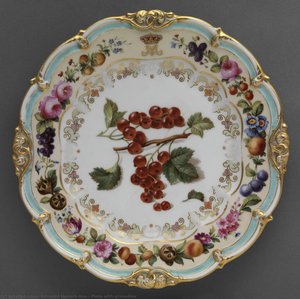
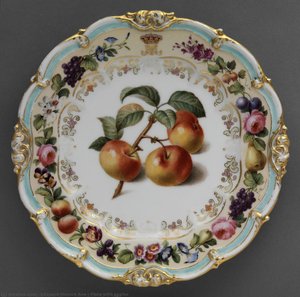
- 実りの豊穣: リンゴやその他の季節の果実を、まるで触れられるかのようなリアリズムで描いた自然主義的な研究。
- 華麗なる装飾: 主題を高めるための金彩の冠、青い縁取りのデザイン、そして繊細な装飾模様。
こうした細部への習熟によって、彼は科学的な植物図譜と純粋な美的装飾との隔たりを埋めることに成功し、その作品は美術品コレクターとアンティーク磁器愛好家の双方から熱烈に求められるものとなりました。
芸術的評価と歴史的意義
アヴのキャリアは、フランスの権威ある芸術機関との積極的な関わりによって特徴づけられます。フランス芸術家協会の一員として、彼はパリの芸術界を定義づけた極めて重要な文化的対話の一部を担っていました。当時最も重要な展示の舞台であったサロンへの出品は、彼にエリート層の間で名声を確立するために必要な知名度をもたらしました。この活動により、彼の装飾的な革新は単なる工芸としてではなく、純粋芸術の正当な延長線上にあるものとして認められることとなったのです。
エドゥアール・オノレ・アヴの歴史的意義は、激動の1世紀においてフランスの装飾伝統を保存し、進化させたその能力にあります。師から受け継いだ古典的な影響と、自然主義的な細部への高まる関心を融合させることで、彼は時代を超越した作品群を生み出しました。今日、彼の磁器作品は、美、精密さ、そして贅沢さが調和して一体となっていた19世紀フランス装飾芸術の典型的な例として、大切に愛され続けています。
エドゥアール・オノレ・アヴ
1818 - 1890 , フランス
基本情報
- Artistic Movement Or Style: 新古典主義/ロマン主義
- Artists Or Movements Influenced By This Artist: 印象派
- Artists Who Influenced This Artist: ポール・ドラロシュ
- Date Of Birth: 1818年 フランス、パリ
- Date Of Death: 1890年
- Full Name: エドゥアール・オノレ・アヴ
- Nationality: フランス
- Notable Artworks: ['パリ・サロン']
- Place Of Birth: フランス、パリ
関連記事
The Allure of Elegance in Art: A Historical & Aesthetic Exploration of Refinement & Grace
Explore the exquisite world of Rococo art! Discover its history, masters (Watteau, Boucher & more), and defining elegance. Expert insights for collectors seeking museum-quality reproductions & custom portraits.
Blush & Brilliance: 10 Iconic Paintings Dominated by Light Pink Tones |
Explore 10 iconic paintings bathed in captivating light pink tones! From Monet's Impressionism to Renoir’s romance, discover the stories behind these blush-hued masterpieces. Find museum-quality art reproductions & decor inspiration at .

The Rococo Aesthetic: Opulence, Rebellion & the Pursuit of Pleasure in 18th-Century Art
Explore the opulent world of Rococo art! Discover its origins, key artists like Watteau & Boucher, and lasting influence on design. Expert insights for collectors & enthusiasts.

華麗なるロココ:芸術史を彩る10大傑作の世界
華麗なるロココ美術の世界へ。バロックから生まれた優雅な芸術、その10大傑作を徹底解説!ブーシェ、フロマンなど巨匠たちの技と物語を紐解き、お部屋を彩るアートを見つけよう。ArtsDot.comで至高の美術館品質レプリカとインテリアアイデアを発見。
The Rococo Style: Aristocratic Leisure & the Pursuit of Delight in 18th-Century Art
Explore the opulent world of Rococo art! Discover Watteau, Boucher & Nattier's masterpieces. Expert insights for collectors seeking museum-quality reproductions and custom portraits at ArtsDot.