 プレビュー
プレビュー
 シェアする
シェアする シェアする
シェアする
 詳細を見る
詳細を見る

 ダウンロード
 似ている作品
 X線調査
X線調査 スライドショー
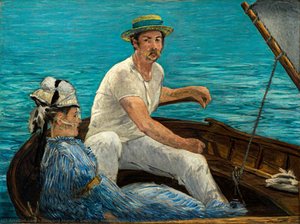
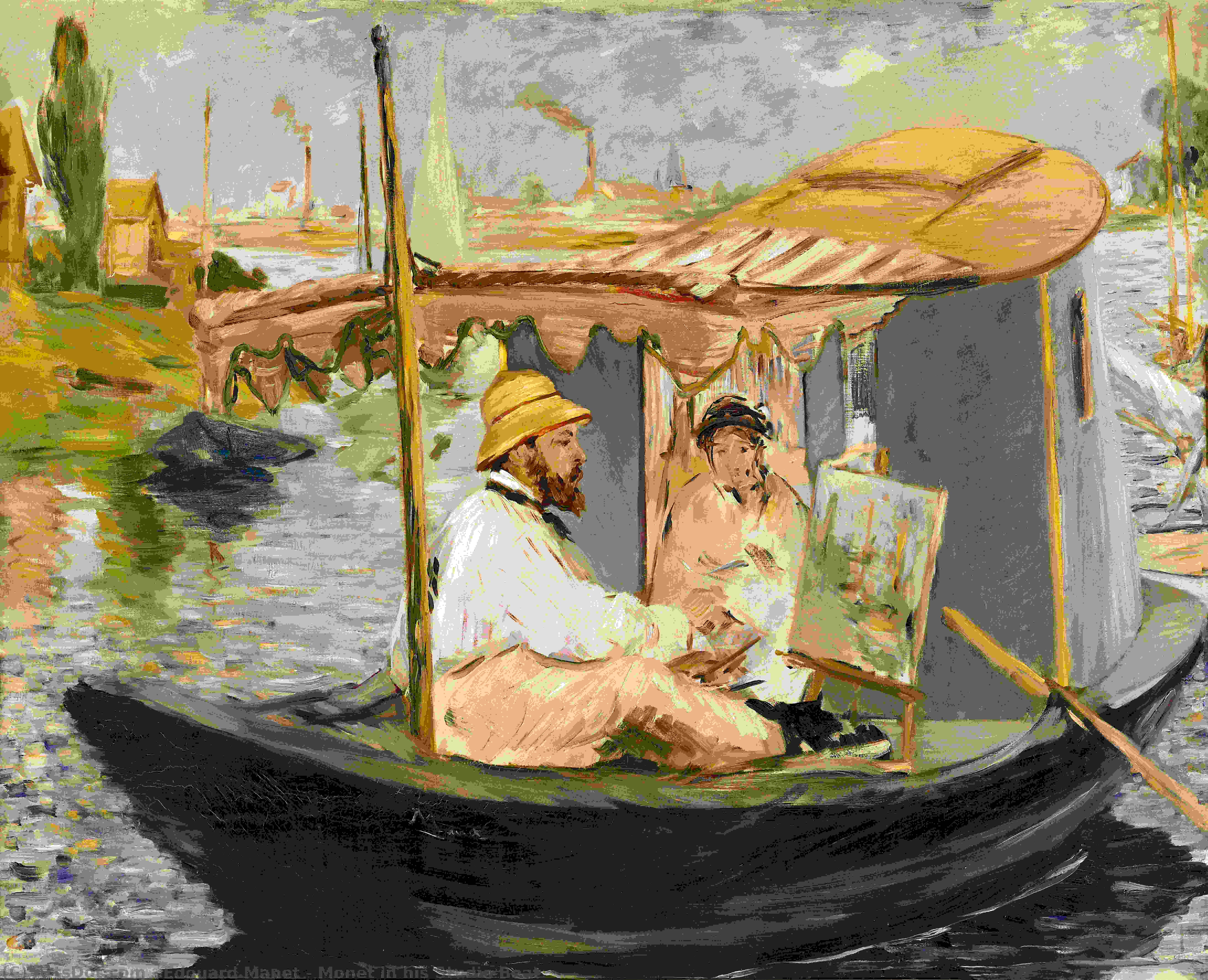
Monet in his Studio Boat
 Oil On Canvas
- WallArt
- Impressionist Painting
 1874
1874- 19th Century
 82.0 x 100.0 cm
 詳細を見る
詳細を見る
ジークレー/アートプリント
迅速な制作と多彩な仕上げオプションを備えた、ミュージアムクオリティのジークレーまたはキャンバスプリント。 ( 手描きの絵画を購入 画像を購入)




P118B $10

P118H $10

P118W $10

P438Z $10

P508JH $12

P508YH $12

P805H $10

P805Z $10

P919BZ $10

P919G $10

P919XJ $10

P959ZH $10

P968JZ $12

W106C $8

W218G $10

W218JH $8

W218Y $10

W307PJ $10

W316G $10

W316PJ $8

W316Y $10

W398PJ $8

W4111J $10

W500HY $15

W500JH $15

W692G $12

W849H $8

W940BG $15

W953PJ $8




作品のオリジナル比率に合わせた、当店の規定サイズからお選びください。

特定のフレームやスペースに合わせて、ご自身でサイズを指定することも可能です。選択されたサイズが元の画像の比率と一致しない場合、作品をトリミングするか、鏡面反射または単色での塗りつぶしによって画像を拡張いたします。制作を開始する前に、ご確認用のデジタルモックアップをお送りいたします。
画面上のプレビューには、実際のトリミングや拡張は反映されませんのでご注意ください。最終的な構図を正確に確認できるのは、モックアップのみとなります。
カスタムサイズも承っておりますが、元の比率を維持するためには、あらかじめ用意されたリストからサイズを選択することをお勧めいたします。


 ガラスオプションは、110cm未満のサイズでのみご利用いただけます。

Monet in his Studio Boat
ジークレー/アートプリント
複製画のサイズ
-


合計金額
$ 62
A Moment Frozen in Light: The Essence of Manet’s Studio Boat
In the shimmering summer of 1874, amidst the tranquil waters of Gennevilliers, a profound artistic dialogue was captured on canvas. Édouard Manet’s Monet in His Studio Boat is far more than a mere portrait of a colleague; it is a breathtaking window into the very soul of the Impressionist movement. The painting presents us with Claude Monet, deeply immersed in his craft, seated within the intimate confines of his floating studio. As the viewer gazility upon this scene, one can almost feel the gentle sway of the Seine and hear the soft rhythmic strokes of a brush against canvas. This work serves as a poignant tribute to the camaraderie between two masters, capturing a period when the boundaries of traditional art were being vibrantly redrawn by the pursuit of light and atmosphere.
The composition is a masterclass in capturing the fleeting nature of reality. Manet places us on the river alongside the artist, creating an immersive experience that transcends the frame. Within the modest cabin of the boat, we see Monet focused on his work, while the world around him—the river, the distant banks, and the passing vessels—blends into a luminous tapestry of color. There is a beautiful tension here between the stillness of the artist’s concentration and the fluid, ever-changing movement of the water. For the collector or interior designer, this piece offers a sense of serene vitality, making it an ideal centerpiece for spaces that seek to evoke tranquility, intellectual depth, and a connection to the natural world.
Technique and the Impressionist Revolution
To behold this painting is to witness the evolution of technique. Moving away from the rigid, polished finish of academic realism, Manet embraces a more expressive and liberated approach. His brushwork in this piece is remarkably bold and textured, utilizing visible strokes that dance across the surface to simulate the play of sunlight on moving water. The palette is a vibrant celebration of Impressionist aesthetics, characterized by intense blues, shimmering whites, and earthy tones that breathe life into the river scene. Manet’s ability to prioritize color and texture over meticulous detail allows the viewer's eye to complete the image, fostering a sensory engagement that feels remarkably modern.
This stylistic shift was not merely an aesthetic choice but a revolutionary statement. By adopting a looser, more spontaneous execution, Manet honors the influence of Monet’s own pioneering methods. The way the light filters through the awning and reflects off the ripples in the water demonstrates a profound understanding of luminosity. For those looking to adorn a sophisticated interior, the textured quality of this reproduction provides a tactile richness that catches the light beautifully, adding a layer of movement and organic energy to any room.
A Legacy of Artistic Connection
Beyond its visual splendor, Monet in His Studio Boat carries deep symbolic weight. It represents a pivotal moment of transition, where the shadows of the past were being chased away by the bright, unmediated light of the modern era. The painting celebrates the concept of en plein air—the act of painting outdoors to capture the immediate sensory experience. This dedication to truth in nature is palpable in every stroke. Furthermore, the work subtly nods to the shared struggles and triumphs of the Impressionist circle; it is a testament to a time when artists supported one another through both creative inspiration and personal hardship.
Owning a high-quality reproduction of this masterpiece allows one to bring a piece of art history into the contemporary home. It is an invitation to contemplate the beauty of focus, the importance of friendship, and the eternal dance between light and shadow. Whether placed in a sunlit gallery or a quiet study, Manet’s tribute to Monet remains a timeless symbol of innovation and the enduring power of the creative spirit.
アーティストの略歴
エドゥアール・マネ:近代美術への革命とパリの光
エドゥアール・マネ、1832年パリに裕福なブルジョワ階級の一員として生まれました。法曹や海軍といった堅実な将来が期待されたにも関わらず、彼の心は芸術へと強く惹かれていました。若くして絵画の才能を開花させ、アカデミックな画家トマ・クールへの弟子入りも経験しましたが、その厳格な手法に反発し、独自の道を歩むことを決意します。マネは単なる過去の模倣ではなく、現代パリの鮮やかな光と、時に不穏な現実を捉えることを志向しました。ルーブル美術館に通い詰める彼は、カラヴァッジョやベラスケスといった巨匠から、光と影がどのように形態を彫刻し、感情を喚起するかを学びました。そして、クールベ率いる写実主義の台頭は、マネの創造性を大きく刺激し、歴史画や神話的主題からの解放をもたらしました。伝統との決別:スキャンダルと革新
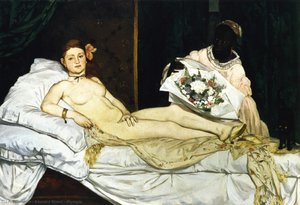
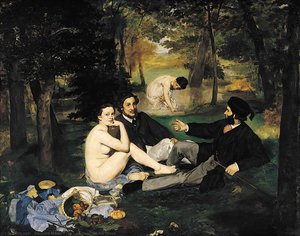
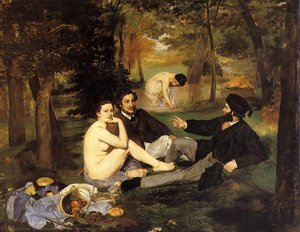
1860年代はパリで激しい芸術的変革期を迎え、マネはその中心に位置していました。日本版画(浮世絵)の到来は、彼の美意識に深い影響を与えました。大胆な構図、鮮やかな色彩、そして平面的な遠近法といった要素に魅せられ、自身の作品に取り入れます。この影響と、アカデミックな技巧への拒絶が相まって、パリのアート界を震撼させるような作品が生み出されました。『草上の昼食』(Le Déjeuner sur l'herbe)は1863年の落選展に出品され、大きな論争を巻き起こしました。裸婦が着衣した男性たちとピクニックを楽しむという構図は、従来のヌード絵画とは一線を画していました。マネの描くヌードは、理想化された美しさや神話的な背景を持たず、現代的で、見る者に衝撃を与える直接性を持っていました。『草上の昼食』のスキャンダルは、1865年の傑作『 Olympia 』によってさらに激化します。これはティツィアーノの『ウルビーノのヴィーナス』を大胆に再解釈した作品であり、現代の娼婦が鑑賞者を見つめ返す姿を描いています。その率直なリアリズムと挑発的な主題は、広範な非難を浴びましたが、その裏にはマネが絵画の表現様式を根本的に変革しているという認識がありました。印象主義への橋渡し:光、筆致、そして現代生活
マネ自身は「印象派」とのレッテルを嫌い、写実主義者として自己を規定しましたが、その影響は彼らの芸術に計り知れません。マネもまた、アカデミックな慣習からの脱却と、光の効果や大気の描写へのコミットメントを共有していました。モネ、ルノワール、ドガといった画家たちと共に独立展に参加し、前衛芸術における重要な位置を確立しました。マネの技法はより自由な筆致へと進化し、正確な細部よりも形態の印象を優先するようになりました。色彩も実験的に用いられ、劇的な効果を生み出す鮮やかなコントラストが特徴です。スキャンダルを巻き起こしたヌード作品以外にも、妻スザンヌや作家エミール・ゾラの肖像画、パリの夜の賑わいを描いた『モンマルトルの飲み屋』など、幅広い主題を探求しました。彼は単にこれらの主題を描写するだけでなく、社会規範を問い直し、美の慣習的な概念に挑戦していました。遺産と持続的な影響
エドゥアール・マネは1883年の若年期の死(梅毒による)によって、すでに芸術史の流れを変えていたキャリアを途絶えさせました。彼の評判は死後大きく高まりましたが、その影響はすぐに若い世代のアーティストたちに及んでいます。マネは伝統的な主題、技法、そして芸術的目的に対する障壁を取り払い、解放者として迎えられました。- 現代生活の描写への重点は、印象派や新印象派へと道を開きました。
- 革新的な筆致と色彩の使用は、後世の画家たちに影響を与えました。
- 不快な真実を社会に突きつける姿勢は、鑑賞者に自身の前提を問い直させました。
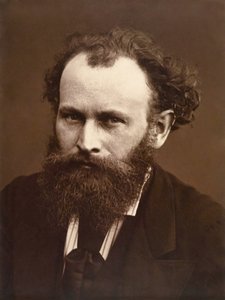
エドゥアール・マネ
1832 - 1883 , フランス
基本情報
- フルネーム: エドゥアール・マネ
- 主な作品:
- déjeuner sur l'herbe
- Olympia
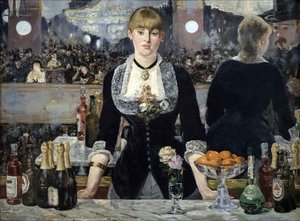
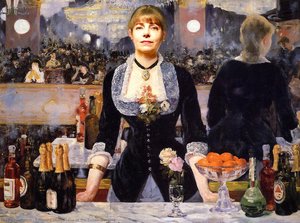
- A Bar at the Folies-Bergère
- 出生地: パリ、フランス
- 国籍: フランス人
- 影響を与えた芸術家:
- クロード・モネ
- ルノワール
- ドガ
- 影響を受けた芸術家:
- カラヴァッジョ
- ベラスケス
- クールベ
- 没年月日: 1883年4月30日
- 生年月日: 1832年1月23日
- 芸術運動: 写実主義、印象派
関連記事
クロード・モネ傑作25選:光と色彩の印象派を彩る名画の世界 | ArtsDot
クロード・モネの傑作25選。印象派を代表する光の画家、モネの世界を旅しませんか?睡蓮や風景画など、名画の背景にある物語と芸術技法をご紹介。ArtsDotで高品質な複製画とインテリアアートを見つけましょう。全コレクションはこちら。
エドゥアール・マネ傑作25選:印象派の革新とモダンアートの世界 | ArtsDot
エドゥアール・マネの傑作25選🎨印象派を代表する画家、マネの世界を旅する。油絵「草上の昼食」や「オランピア」…革新的な色彩とモダンアートの魅力をArtsDotで。高品質なアートプリントで、お部屋に芸術を🖼️
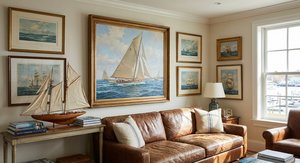
Boats on Canvas: 10 Masterpieces of Maritime Art for Your Home Decor
Sail away with 10 iconic boat paintings! Explore masterpieces by Monet, Van Gogh & Turner. Discover the stories behind these timeless seascapes and find museum-quality art reproductions for your home decor at ArtsDot.com.

Impressionism's Masterpieces: 10 Paintings That Defined a Movement | ArtsDot
Journey through Impressionism's heart with 10 iconic paintings by Monet, Renoir & Degas. Explore light, color & the stories behind these masterpieces. Find museum-quality art reproductions and elevate your home decor on ArtsDot.com.
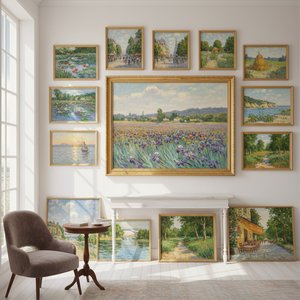
印象派風景を彩った至宝:アート史に名を刻む10選
印象派風景の革新を彩った10選。モネ、ルノワールら巨匠の名作を紐解き、色彩と光が生み出す感動の世界へ。アートの歴史とインテリアのインスピレーションをArtsDot.comで。高品質な複製画で、あなただけの空間を創造しましょう。