 プレビュー
プレビュー
 プリントを購入
 シェアする
シェアする シェアする
シェアする
 詳細を見る
詳細を見る

 ダウンロード
 似ている作品
 X線調査
X線調査 スライドショー
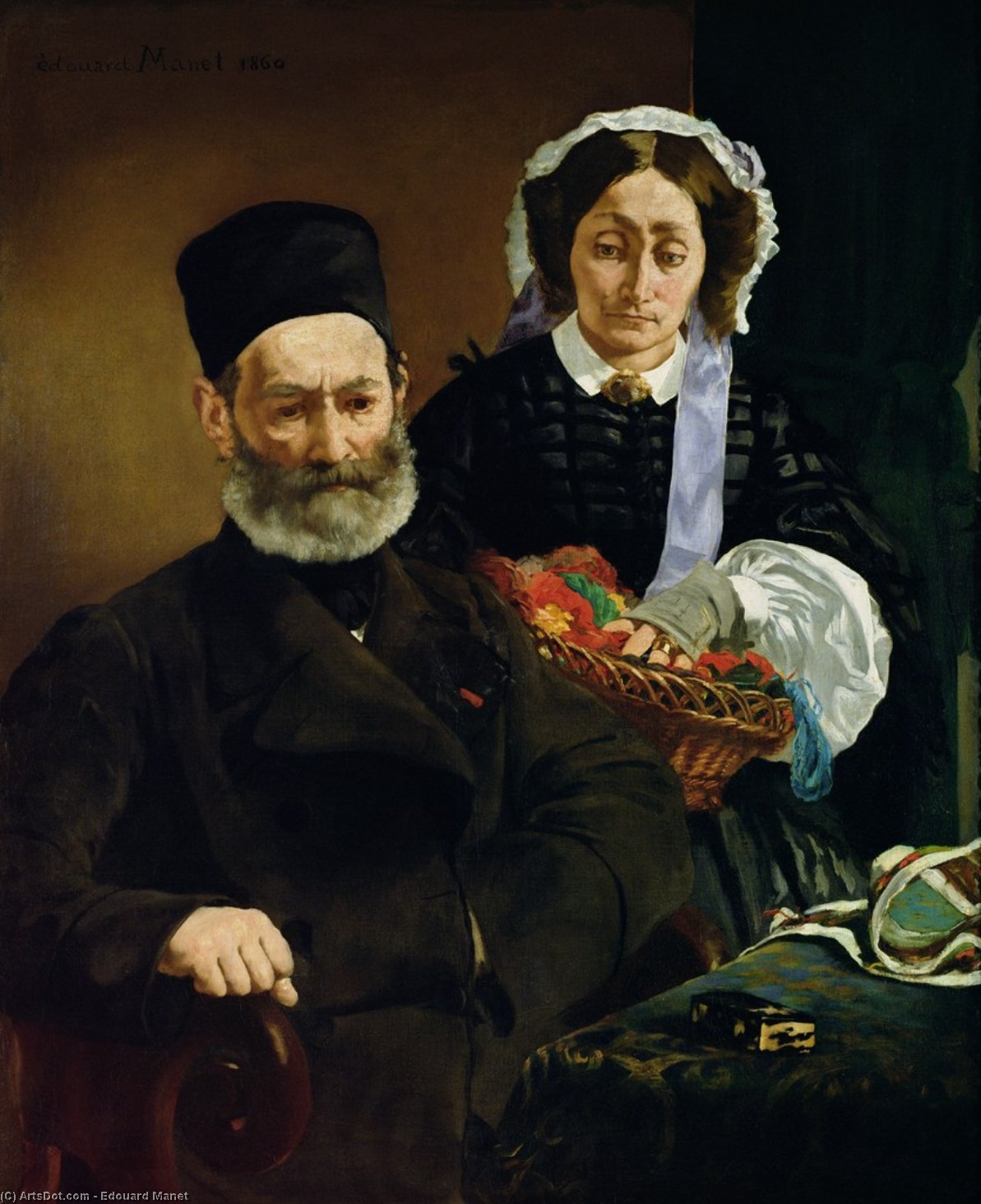
Portrait of M. and Mme. Auguste Manet

 詳細を見る
詳細を見る




P118B $10

P118H $10

P118W $10

P438Z $10

P508JH $12

P508YH $12

P805H $10

P805Z $10

P919BZ $10

P919G $10

P919XJ $10

P959ZH $10

P968JZ $12

W106C $8

W218G $10

W218JH $8

W218Y $10

W307PJ $10

W316G $10

W316PJ $8

W316Y $10

W398PJ $8

W4111J $10

W500HY $15

W500JH $15

W692G $12

W849H $8

W940BG $15

W953PJ $8




作品のオリジナル比率に合わせた、当店の規定サイズからお選びください。

特定のフレームやスペースに合わせて、ご希望のサイズをご入力いただけます。選択されたサイズが元の画像の比率と異なる場合、アートワークをトリミングするか、手描きで要素を追加して絵画を拡張いたします。デジタルモックアップ を制作し、制作開始前にご確認(承認)をいただきます。
画面上のプレビューは、実際のトリミングや拡張を正確に反映しているものではありません。最終的な構図は、モックアップによってのみ正確にご確認いただけます。
カスタムサイズもご利用いただけますが、元の比率を維持するためには、あらかじめ用意されたリストからサイズを選択することをお勧めいたします。
ご注文後、ArtsDot.com チームより詳細な指示をお送りするとともに、仕上がりイメージ(モックアップ)をご提供いたします。


 ガラスオプションは、110cm未満のサイズでのみご利用いただけます。

Portrait of M. and Mme. Auguste Manet
複製技法
複製画のサイズ
-


合計金額
$ 263
作品解説
A Portrait of Bourgeois Stability: Édouard Manet’s “Portrait of M. and Mme. Auguste Manet”
“Portrait of Monsieur and Madame Auguste Manet,” painted in 1860, offers a fascinating glimpse into the world of 19th-century French society through the eyes of Édouard Manet. This is not merely a depiction of two individuals; it’s a carefully constructed statement about family, status, and the evolving artistic landscape of the time.Subject & Composition
The painting presents Auguste Manet, a former chief of personnel at the Ministry of Justice, and his wife, Eugénie-Désirée Fournier, seated together in dignified repose. The composition is strikingly symmetrical, grounding the figures centrally within a dark, richly textured background. This deliberate arrangement evokes classical portraiture traditions, lending an air of formality and importance to the subjects. Manet’s choice to portray his parents – rather than commissioning a portrait himself – speaks to a deep familial connection and a desire to honor their position in society.Style & Technique
While rooted in academic tradition, Manet's style subtly foreshadows his later innovations. The painting demonstrates masterful control of oil paint, building up texture and form through layered brushstrokes. However, unlike the highly polished surfaces favored by many contemporary artists, Manet introduces a degree of looseness and modernity in his application. Lines are generally smooth, defining contours with precision, yet there’s an underlying energy that prevents the work from feeling overly stiff or contrived. The use of chiaroscuro – dramatic contrasts between light and shadow – adds depth and emphasizes the subjects' faces and clothing.Historical Context & Symbolism
Created during a period of significant social change in France, this portrait reflects the values of the rising bourgeois class. The Manets embody respectability and financial security, qualities increasingly admired in 19th-century society. Symbolic elements further enrich the narrative: Mme. Manet’s bonnet suggests modesty and domesticity – virtues highly prized in women of her station. The subtle inclusion of objects within the composition, while not overtly symbolic, contribute to a sense of comfortable affluence.Emotional Impact & Artistic Significance
“Portrait of M. and Mme. Auguste Manet” is more than just a likeness; it’s an exploration of character and relationship. The painting conveys a sense of quiet dignity and enduring partnership. Manet's ability to capture the personalities of his subjects, combined with his innovative approach to technique, marks this work as a pivotal moment in the transition from Realism to Impressionism. It’s a piece that invites contemplation, offering insights into both the lives of its sitters and the artistic vision of one of France's most influential painters.For Collectors & Designers
- This artwork is ideal for collectors seeking examples of Manet’s early work and his engagement with traditional portraiture.
- Its classic composition and subdued color palette make it a versatile addition to various interior design schemes, particularly those emphasizing sophistication and timeless elegance.
- A high-quality reproduction would serve as a striking focal point in a living room, study, or dining room, adding a touch of 19th-century French charm.
関連作品
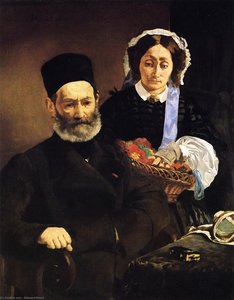
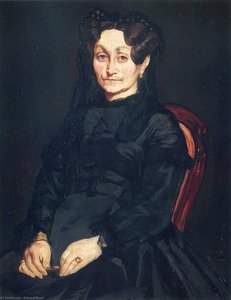
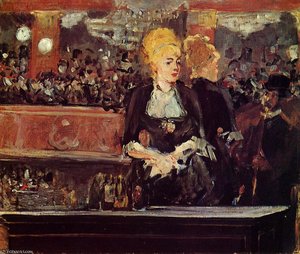
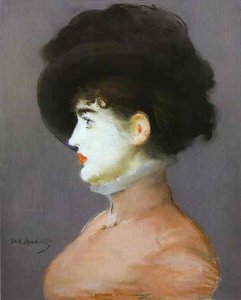
アーティストの略歴
エドゥアール・マネ:近代美術への革命とパリの光
エドゥアール・マネ、1832年パリに裕福なブルジョワ階級の一員として生まれました。法曹や海軍といった堅実な将来が期待されたにも関わらず、彼の心は芸術へと強く惹かれていました。若くして絵画の才能を開花させ、アカデミックな画家トマ・クールへの弟子入りも経験しましたが、その厳格な手法に反発し、独自の道を歩むことを決意します。マネは単なる過去の模倣ではなく、現代パリの鮮やかな光と、時に不穏な現実を捉えることを志向しました。ルーブル美術館に通い詰める彼は、カラヴァッジョやベラスケスといった巨匠から、光と影がどのように形態を彫刻し、感情を喚起するかを学びました。そして、クールベ率いる写実主義の台頭は、マネの創造性を大きく刺激し、歴史画や神話的主題からの解放をもたらしました。伝統との決別:スキャンダルと革新
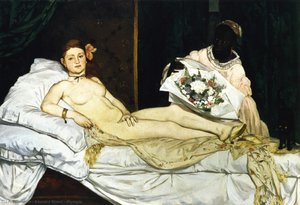
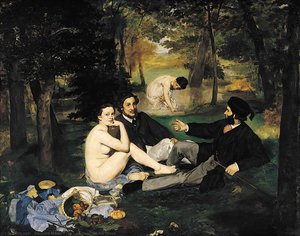
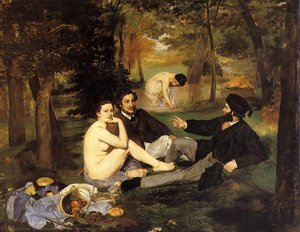
1860年代はパリで激しい芸術的変革期を迎え、マネはその中心に位置していました。日本版画(浮世絵)の到来は、彼の美意識に深い影響を与えました。大胆な構図、鮮やかな色彩、そして平面的な遠近法といった要素に魅せられ、自身の作品に取り入れます。この影響と、アカデミックな技巧への拒絶が相まって、パリのアート界を震撼させるような作品が生み出されました。『草上の昼食』(Le Déjeuner sur l'herbe)は1863年の落選展に出品され、大きな論争を巻き起こしました。裸婦が着衣した男性たちとピクニックを楽しむという構図は、従来のヌード絵画とは一線を画していました。マネの描くヌードは、理想化された美しさや神話的な背景を持たず、現代的で、見る者に衝撃を与える直接性を持っていました。『草上の昼食』のスキャンダルは、1865年の傑作『 Olympia 』によってさらに激化します。これはティツィアーノの『ウルビーノのヴィーナス』を大胆に再解釈した作品であり、現代の娼婦が鑑賞者を見つめ返す姿を描いています。その率直なリアリズムと挑発的な主題は、広範な非難を浴びましたが、その裏にはマネが絵画の表現様式を根本的に変革しているという認識がありました。印象主義への橋渡し:光、筆致、そして現代生活
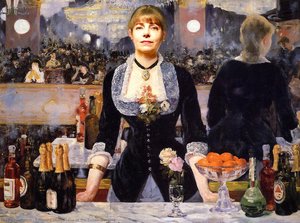
マネ自身は「印象派」とのレッテルを嫌い、写実主義者として自己を規定しましたが、その影響は彼らの芸術に計り知れません。マネもまた、アカデミックな慣習からの脱却と、光の効果や大気の描写へのコミットメントを共有していました。モネ、ルノワール、ドガといった画家たちと共に独立展に参加し、前衛芸術における重要な位置を確立しました。マネの技法はより自由な筆致へと進化し、正確な細部よりも形態の印象を優先するようになりました。色彩も実験的に用いられ、劇的な効果を生み出す鮮やかなコントラストが特徴です。スキャンダルを巻き起こしたヌード作品以外にも、妻スザンヌや作家エミール・ゾラの肖像画、パリの夜の賑わいを描いた『モンマルトルの飲み屋』など、幅広い主題を探求しました。彼は単にこれらの主題を描写するだけでなく、社会規範を問い直し、美の慣習的な概念に挑戦していました。遺産と持続的な影響
エドゥアール・マネは1883年の若年期の死(梅毒による)によって、すでに芸術史の流れを変えていたキャリアを途絶えさせました。彼の評判は死後大きく高まりましたが、その影響はすぐに若い世代のアーティストたちに及んでいます。マネは伝統的な主題、技法、そして芸術的目的に対する障壁を取り払い、解放者として迎えられました。- 現代生活の描写への重点は、印象派や新印象派へと道を開きました。
- 革新的な筆致と色彩の使用は、後世の画家たちに影響を与えました。
- 不快な真実を社会に突きつける姿勢は、鑑賞者に自身の前提を問い直させました。
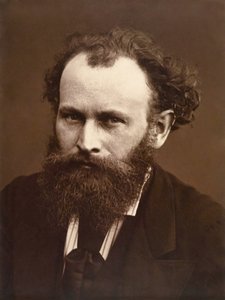
エドゥアール・マネ
1832 - 1883 , フランス
基本情報
- フルネーム: エドゥアール・マネ
- 主な作品:
- déjeuner sur l'herbe
- Olympia
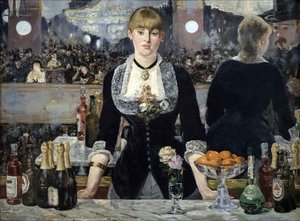
- A Bar at the Folies-Bergère
- 出生地: パリ、フランス
- 国籍: フランス人
- 影響を与えた芸術家:
- クロード・モネ
- ルノワール
- ドガ
- 影響を受けた芸術家:
- カラヴァッジョ
- ベラスケス
- クールベ
- 没年月日: 1883年4月30日
- 生年月日: 1832年1月23日
- 芸術運動: 写実主義、印象派
関連記事
エドゥアール・マネ傑作25選:印象派の革新とモダンアートの世界 | ArtsDot
エドゥアール・マネの傑作25選🎨印象派を代表する画家、マネの世界を旅する。油絵「草上の昼食」や「オランピア」…革新的な色彩とモダンアートの魅力をArtsDotで。高品質なアートプリントで、お部屋に芸術を🖼️
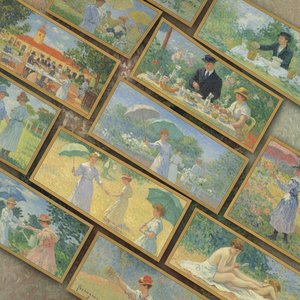
ルノワール傑作25選:光と色彩が織りなす印象派の華麗なる世界 | ArtsDot
ルノワールの傑作25選🎨 印象派の光と色彩が輝く世界へ。絵画の背景、技法、そして時代を超えて愛される理由を紐解きます。ArtsDotで高品質な複製画やインテリアアートを見つけ、お部屋に芸術的な彩りを✨ Explore the full collection online!

Academic Portraiture: Tradition, Technique & the Evolution of Representational Art
Explore the rich history & masterful techniques of academic portraiture. Discover iconic artists, learn about collecting, and commission a bespoke oil painting reproduction with ArtsDot.
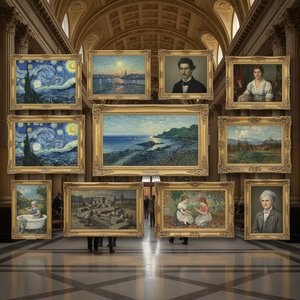
19th Century Masterpieces: 10 Paintings That Defined an Era | ArtsDot
Journey through 19th century art with ArtsDot! Explore 10 iconic paintings – from Monet & Renoir to Courbet – and discover the stories behind Romanticism, Realism & Impressionism. Find museum-quality reproductions for your home decor. Explore the full collection online!
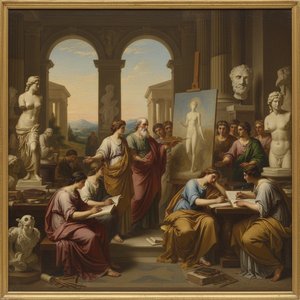
Academic Art: Tradition, Technique & the Pursuit of Ideal Form in the 19th Century
Explore the world of Academic Art! Discover its history, key artists like Ingres & Bouguereau, defining techniques, and lasting influence on 19th-century painting. Learn about the Salon system and its legacy.