 プレビュー
プレビュー
 プリントを購入
 シェアする
シェアする シェアする
シェアする
 詳細を見る
詳細を見る

 ダウンロード
 似ている作品
 X線調査
X線調査 スライドショー
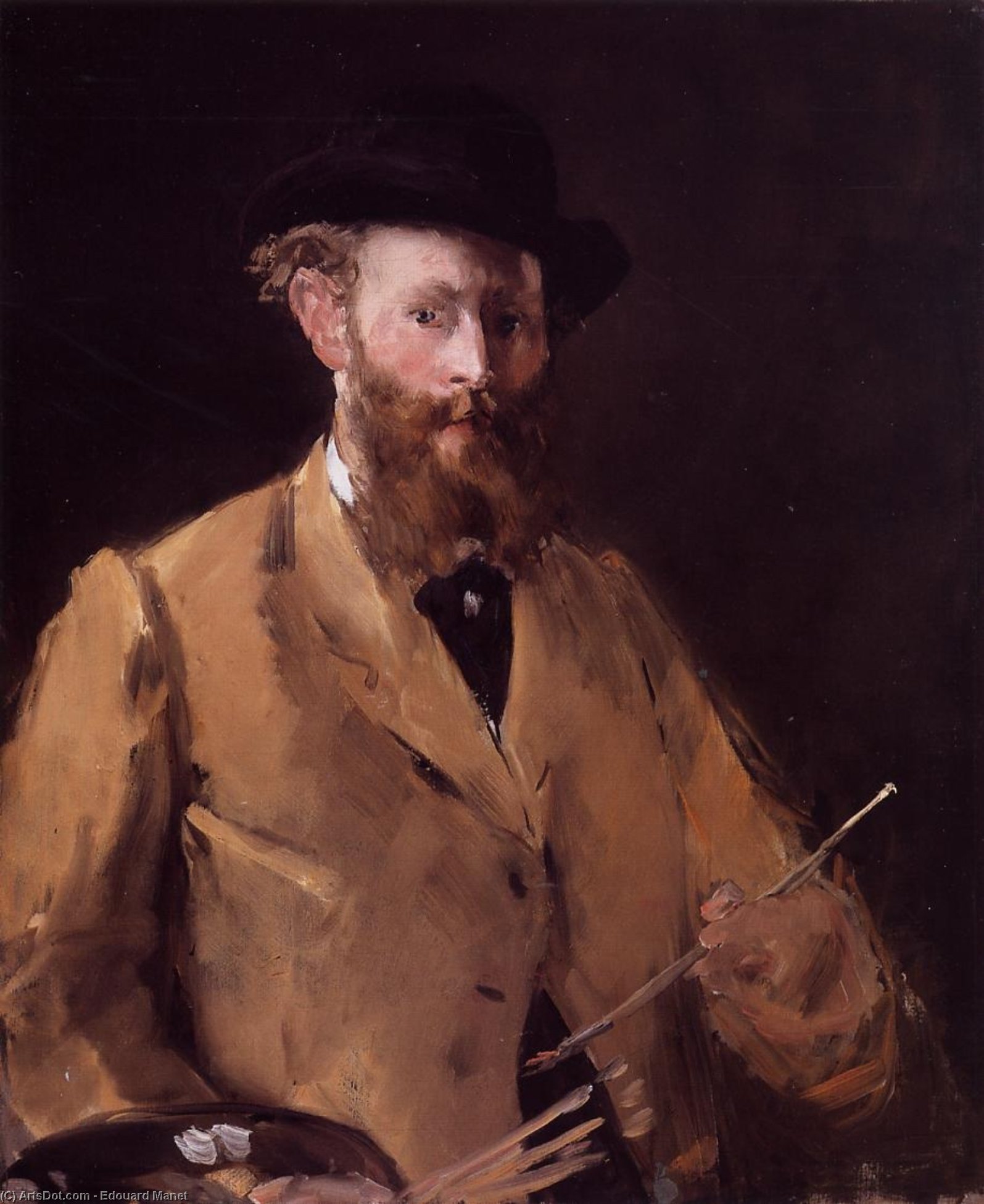
Self Portrait with Palette

 詳細を見る
詳細を見る




P118B $10

P118H $10

P118W $10

P438Z $10

P508JH $12

P508YH $12

P805H $10

P805Z $10

P919BZ $10

P919G $10

P919XJ $10

P959ZH $10

P968JZ $12

W106C $8

W218G $10

W218JH $8

W218Y $10

W307PJ $10

W316G $10

W316PJ $8

W316Y $10

W398PJ $8

W4111J $10

W500HY $15

W500JH $15

W692G $12

W849H $8

W940BG $15

W953PJ $8




作品のオリジナル比率に合わせた、当店の規定サイズからお選びください。

特定のフレームやスペースに合わせて、ご希望のサイズをご入力いただけます。選択されたサイズが元の画像の比率と異なる場合、アートワークをトリミングするか、手描きで要素を追加して絵画を拡張いたします。デジタルモックアップ を制作し、制作開始前にご確認(承認)をいただきます。
画面上のプレビューは、実際のトリミングや拡張を正確に反映しているものではありません。最終的な構図は、モックアップによってのみ正確にご確認いただけます。
カスタムサイズもご利用いただけますが、元の比率を維持するためには、あらかじめ用意されたリストからサイズを選択することをお勧めいたします。
ご注文後、ArtsDot.com チームより詳細な指示をお送りするとともに、仕上がりイメージ(モックアップ)をご提供いたします。


 ガラスオプションは、110cm未満のサイズでのみご利用いただけます。

Self Portrait with Palette
複製技法
複製画のサイズ
-


合計金額
$ 263
作品解説
Édouard Manet’s Self-Portrait with Palette: A Revolutionary Gaze
Édouard Manet's "Self-Portrait with Palette," painted in 1879, isn’t merely a depiction of an artist at work; it’s a carefully constructed statement about the evolving role of the painter and the burgeoning modern world. This intimate canvas, measuring a modest 83 x 67 cm (33 x 26 inches), offers a rare glimpse into Manet's psyche – a complex blend of self-awareness, artistic ambition, and a subtle defiance of established conventions. The painting immediately draws the viewer in with its direct gaze; Manet doesn’t shy away from confronting us, presenting himself not as an idealized hero but as a working man, a contemporary figure immersed in the everyday realities of Parisian life.
The composition is deceptively simple. Manet stands before a dark, undefined background – a deliberate choice that forces the eye to focus entirely on his form and expression. He’s dressed in a stylish, if somewhat theatrical, black suit jacket and tie, a subtle nod to the fashionable boulevardier of the time. The inclusion of this attire speaks volumes about Manet's position within Parisian society; he wasn’t simply an artist, but a participant in the vibrant cultural scene of the city. His hands are equally significant – one holding a brush poised over a palette laden with red pigment, the other gesturing slightly as if addressing the viewer directly. This gesture is not one of invitation, but rather a challenge, a subtle assertion of his artistic authority.
Echoes of Velázquez and the Dawn of Modernism
Manet’s painting is deeply indebted to Diego Velázquez's “Self-Portrait in His Studio” (c. 1656), a pivotal work that profoundly influenced the development of modern portraiture. Like Velázquez, Manet positions himself within his working environment, suggesting a connection between the artist and his craft. However, where Velázquez presents himself as a dignified courtier, Manet’s self-portrait is far more immediate and unadorned. He deliberately breaks with the traditional conventions of formal portraiture, opting for a looser brushstroke and a less polished finish – hallmarks of the Impressionist movement that would soon emerge.
The choice to depict himself as an artist actively engaged in painting, rather than simply posing for a commission, is crucial. Manet wasn’t interested in replicating the idealized nudes or historical scenes favored by the academic art establishment. Instead, he sought to capture the reality of his own practice, emphasizing the process of creation itself. This shift marked a radical departure from the past and paved the way for a new era of artistic expression.
Symbolism and the Unspoken Narrative
Beyond its formal elements, “Self-Portrait with Palette” is rich in subtle symbolism. The unfinished brushstroke in Manet’s right hand – a detail often overlooked – has been interpreted as a metaphor for the ongoing nature of artistic creation. It suggests that painting isn't a finished product but a continuous process of exploration and experimentation. The inclusion of the palette, with its vibrant red pigment, hints at the artist’s passion and dedication to his craft.
Furthermore, the dark background can be seen as representing the unknown – the creative void from which Manet draws inspiration. The slightly averted gaze, combined with the suggestion of a doorway in the background, creates a sense of mystery and invites the viewer to contemplate the artist’s inner world. It's a portrait not just of a man, but of an idea—the modern artist grappling with his role in a rapidly changing society.
A Legacy of Innovation
“Self-Portrait with Palette” stands as a testament to Manet’s revolutionary spirit and his profound impact on the course of art history. It's a painting that challenges viewers to look beyond surface appearances and to engage with the complexities of the artist’s vision. Reproductions of this iconic work offer an unparalleled opportunity to experience the immediacy and emotional depth of Manet’s artistic genius, bringing a touch of Parisian modernity into any space.
関連作品
アーティストの略歴
エドゥアール・マネ:近代美術への革命とパリの光
エドゥアール・マネ、1832年パリに裕福なブルジョワ階級の一員として生まれました。法曹や海軍といった堅実な将来が期待されたにも関わらず、彼の心は芸術へと強く惹かれていました。若くして絵画の才能を開花させ、アカデミックな画家トマ・クールへの弟子入りも経験しましたが、その厳格な手法に反発し、独自の道を歩むことを決意します。マネは単なる過去の模倣ではなく、現代パリの鮮やかな光と、時に不穏な現実を捉えることを志向しました。ルーブル美術館に通い詰める彼は、カラヴァッジョやベラスケスといった巨匠から、光と影がどのように形態を彫刻し、感情を喚起するかを学びました。そして、クールベ率いる写実主義の台頭は、マネの創造性を大きく刺激し、歴史画や神話的主題からの解放をもたらしました。伝統との決別:スキャンダルと革新
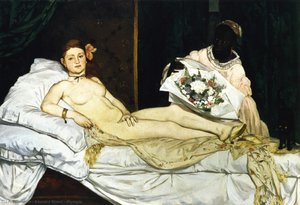
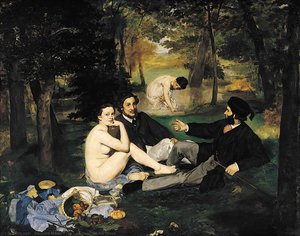
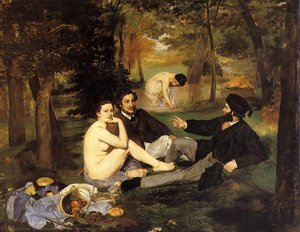
1860年代はパリで激しい芸術的変革期を迎え、マネはその中心に位置していました。日本版画(浮世絵)の到来は、彼の美意識に深い影響を与えました。大胆な構図、鮮やかな色彩、そして平面的な遠近法といった要素に魅せられ、自身の作品に取り入れます。この影響と、アカデミックな技巧への拒絶が相まって、パリのアート界を震撼させるような作品が生み出されました。『草上の昼食』(Le Déjeuner sur l'herbe)は1863年の落選展に出品され、大きな論争を巻き起こしました。裸婦が着衣した男性たちとピクニックを楽しむという構図は、従来のヌード絵画とは一線を画していました。マネの描くヌードは、理想化された美しさや神話的な背景を持たず、現代的で、見る者に衝撃を与える直接性を持っていました。『草上の昼食』のスキャンダルは、1865年の傑作『 Olympia 』によってさらに激化します。これはティツィアーノの『ウルビーノのヴィーナス』を大胆に再解釈した作品であり、現代の娼婦が鑑賞者を見つめ返す姿を描いています。その率直なリアリズムと挑発的な主題は、広範な非難を浴びましたが、その裏にはマネが絵画の表現様式を根本的に変革しているという認識がありました。印象主義への橋渡し:光、筆致、そして現代生活
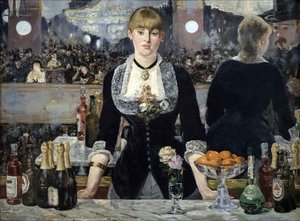
マネ自身は「印象派」とのレッテルを嫌い、写実主義者として自己を規定しましたが、その影響は彼らの芸術に計り知れません。マネもまた、アカデミックな慣習からの脱却と、光の効果や大気の描写へのコミットメントを共有していました。モネ、ルノワール、ドガといった画家たちと共に独立展に参加し、前衛芸術における重要な位置を確立しました。マネの技法はより自由な筆致へと進化し、正確な細部よりも形態の印象を優先するようになりました。色彩も実験的に用いられ、劇的な効果を生み出す鮮やかなコントラストが特徴です。スキャンダルを巻き起こしたヌード作品以外にも、妻スザンヌや作家エミール・ゾラの肖像画、パリの夜の賑わいを描いた『モンマルトルの飲み屋』など、幅広い主題を探求しました。彼は単にこれらの主題を描写するだけでなく、社会規範を問い直し、美の慣習的な概念に挑戦していました。遺産と持続的な影響
エドゥアール・マネは1883年の若年期の死(梅毒による)によって、すでに芸術史の流れを変えていたキャリアを途絶えさせました。彼の評判は死後大きく高まりましたが、その影響はすぐに若い世代のアーティストたちに及んでいます。マネは伝統的な主題、技法、そして芸術的目的に対する障壁を取り払い、解放者として迎えられました。- 現代生活の描写への重点は、印象派や新印象派へと道を開きました。
- 革新的な筆致と色彩の使用は、後世の画家たちに影響を与えました。
- 不快な真実を社会に突きつける姿勢は、鑑賞者に自身の前提を問い直させました。
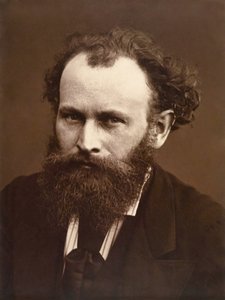
エドゥアール・マネ
1832 - 1883 , フランス
基本情報
- フルネーム: エドゥアール・マネ
- 主な作品:
- déjeuner sur l'herbe
- Olympia
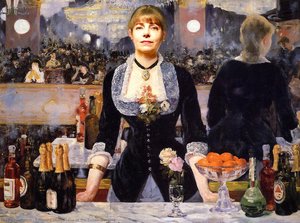
- A Bar at the Folies-Bergère
- 出生地: パリ、フランス
- 国籍: フランス人
- 影響を与えた芸術家:
- クロード・モネ
- ルノワール
- ドガ
- 影響を受けた芸術家:
- カラヴァッジョ
- ベラスケス
- クールベ
- 没年月日: 1883年4月30日
- 生年月日: 1832年1月23日
- 芸術運動: 写実主義、印象派
関連記事
エドゥアール・マネ傑作25選:印象派の革新とモダンアートの世界 | ArtsDot
エドゥアール・マネの傑作25選🎨印象派を代表する画家、マネの世界を旅する。油絵「草上の昼食」や「オランピア」…革新的な色彩とモダンアートの魅力をArtsDotで。高品質なアートプリントで、お部屋に芸術を🖼️
印象派を定義する至宝:時代を超えた10傑 – 美術、画家、そして洗練された空間演出
印象派を代表する10傑の世界へ。モネ、ルノワールら巨匠の技と色彩が織りなす至高の名作を紐解きます。美術、インテリアに新たなインスピレーションを。ArtsDot.comで、博物館品質のアート複製と洗練された空間演出を見つけましょう。

ポール・セザンヌ:至高の25選 - 傑作と革新の軌跡 | ArtsDot
ポール・セザンヌの至高の25選。ポスト印象派を代表する画家、セザンヌの傑作と革新的な技法を紐解きます。ArtsDotで高品質な複製画やインテリアアートを見つけ、芸術の世界をご自宅に。今すぐコレクションをご覧ください。

Impressionism's Masterpieces: 10 Paintings That Defined a Movement | ArtsDot
Journey through Impressionism's heart with 10 iconic paintings by Monet, Renoir & Degas. Explore light, color & the stories behind these masterpieces. Find museum-quality art reproductions and elevate your home decor on ArtsDot.com.
Reflecting the Self: A History of Portraiture & Psychological Insight
Explore the fascinating history of self-portraiture from Renaissance masters like Dürer & Rembrandt to modern interpretations. Discover the psychological insights and artistic techniques behind these iconic works. Expert analysis for art enthusiasts.