 プレビュー
プレビュー
 プリントを購入
 シェアする
シェアする シェアする
シェアする
 詳細を見る
詳細を見る

 ダウンロード
 似ている作品
 X線調査
X線調査 スライドショー
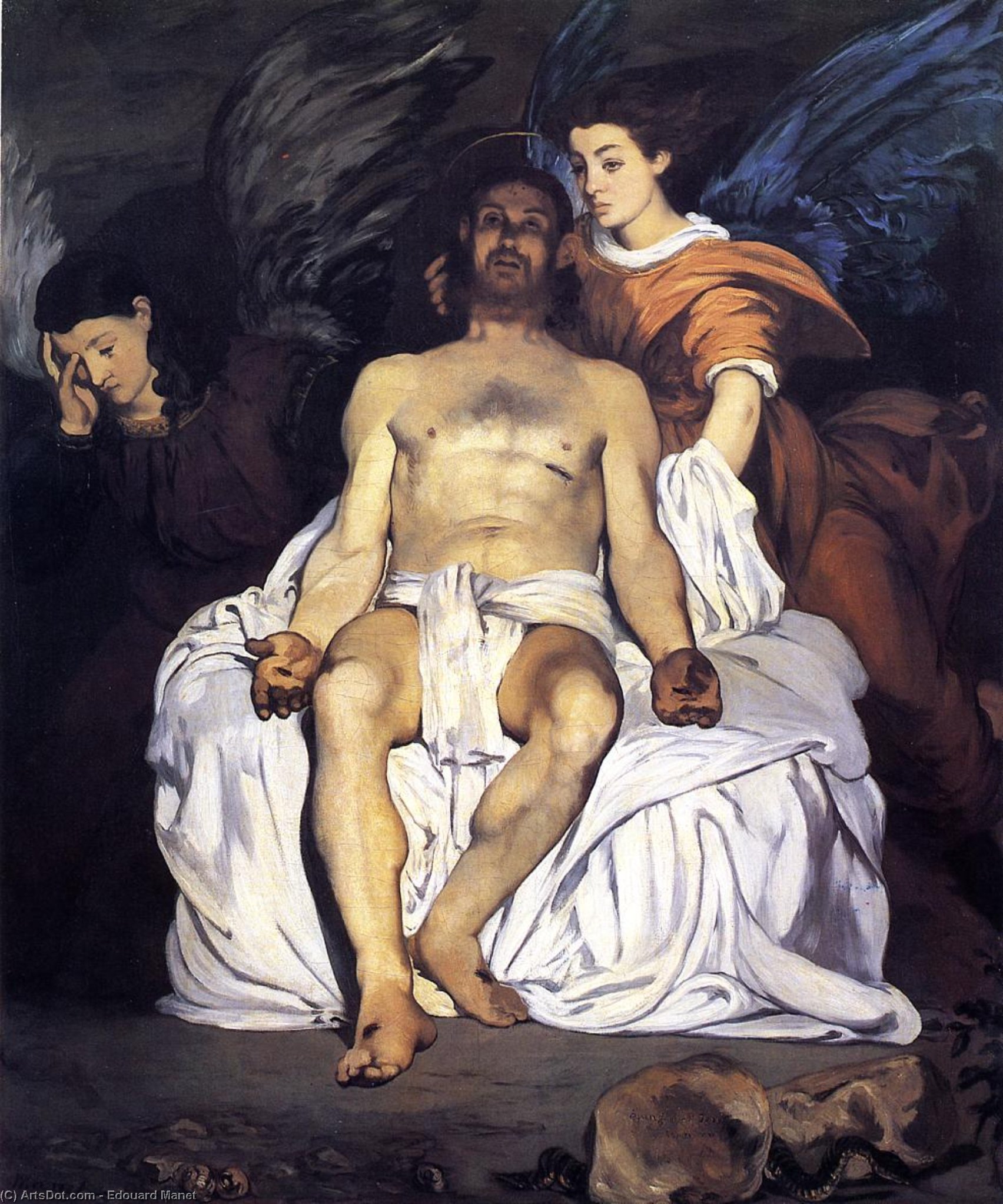
The Dead Christ and the Angels


 詳細を見る
詳細を見る




P118B $10

P118H $10

P118W $10

P438Z $10

P508JH $12

P508YH $12

P805H $10

P805Z $10

P919BZ $10

P919G $10

P919XJ $10

P959ZH $10

P968JZ $12

W106C $8

W218G $10

W218JH $8

W218Y $10

W307PJ $10

W316G $10

W316PJ $8

W316Y $10

W398PJ $8

W4111J $10

W500HY $15

W500JH $15

W692G $12

W849H $8

W940BG $15

W953PJ $8




作品のオリジナル比率に合わせた、当店の規定サイズからお選びください。

特定のフレームやスペースに合わせて、ご希望のサイズをご入力いただけます。選択されたサイズが元の画像の比率と異なる場合、アートワークをトリミングするか、手描きで要素を追加して絵画を拡張いたします。デジタルモックアップ を制作し、制作開始前にご確認(承認)をいただきます。
画面上のプレビューは、実際のトリミングや拡張を正確に反映しているものではありません。最終的な構図は、モックアップによってのみ正確にご確認いただけます。
カスタムサイズもご利用いただけますが、元の比率を維持するためには、あらかじめ用意されたリストからサイズを選択することをお勧めいたします。
ご注文後、ArtsDot.com チームより詳細な指示をお送りするとともに、仕上がりイメージ(モックアップ)をご提供いたします。


 ガラスオプションは、110cm未満のサイズでのみご利用いただけます。

The Dead Christ and the Angels
複製技法
複製画のサイズ
-


合計金額
$ 263
作品解説
Édouard Manet’s Haunting Meditation: The Dead Christ with Angels
Édouard Manet's The Dead Christ with Angels (1864) isn’t merely a depiction of a biblical scene; it’s a profound and unsettling meditation on mortality, faith, and the evolving role of the artist within the established artistic canon. This painting, now residing in the Metropolitan Museum of Art in New York City, represents a pivotal moment in Manet's career—a bold departure from his earlier, more conventional works and a significant step toward the revolutionary Impressionism he would later champion. It’s a piece that continues to provoke discussion and debate, not just for its artistic merit but also for the audacious choices Manet made in challenging traditional religious iconography.
The genesis of this work lies within John 20:12-13 from the Gospel of St. John – Mary Magdalene’s discovery of an empty tomb guarded by two angels. However, Manet didn't simply replicate this familiar narrative; he injected it with a distinctly modern sensibility. The composition is strikingly simple and direct, prioritizing clarity over elaborate detail—a characteristic that would later influence generations of artists. Notice the deliberate lack of ornamentation, the starkness of the palette dominated by somber blacks, whites, and muted blues, creating an atmosphere of profound grief and quiet contemplation. The figures themselves are rendered with a remarkable degree of realism, particularly in the depiction of Christ’s body – a cadaverous form that eschews idealized beauty for unflinching honesty.
A Departure from Tradition: Symbolism and Technique
What immediately draws the eye is the unconventional portrayal of the angels. Far from the radiant, ethereal beings typically depicted in religious art, Manet’s angels are rendered with a startlingly earthly quality – clad in vibrant red and orange robes that stand out dramatically against the muted background. This deliberate contrast serves to heighten the drama and underscore the painting's central theme: the unsettling reality of death. The positioning of the angels is also noteworthy; they are not simply observing Christ’s body but actively cradling it, suggesting a profound sense of responsibility and sorrow. The inclusion of a skull in the lower right corner adds another layer of symbolic weight, a stark reminder of mortality and the transience of earthly existence.
Manet's technique is equally significant. He employs loose brushstrokes and a broken color scheme—a hallmark of his style—to create a sense of immediacy and movement. The figures seem to emerge from the darkness, their forms rendered with a remarkable degree of sensitivity. Crucially, Manet deliberately deviated from the biblical text by placing Christ’s wound on the *wrong* side of his body – a detail that caused considerable controversy at the 1864 Salon. This seemingly minor alteration was intended to shock viewers and challenge their preconceived notions about religious art, demonstrating Manet's willingness to subvert expectations and push the boundaries of artistic convention.
Context and Legacy: A Revolutionary Gesture
It’s important to understand that Manet’s decision to tackle a religious subject was itself a radical act. He rarely engaged with biblical narratives in his earlier work, preferring instead to depict contemporary life—scenes of Parisian cafes, bustling marketplaces, and intimate domestic moments. The choice to paint the Dead Christ therefore represents a significant shift in his artistic direction, signaling a move away from realism and toward a more subjective and emotionally charged approach. The reaction at the Salon was mixed; while some critics praised Manet’s boldness, others condemned his irreverence and perceived lack of respect for religious tradition.
Despite the criticism, The Dead Christ with Angels holds a crucial place in art history as a bridge between Realism and Impressionism. It embodies many of the key characteristics of both movements—the realistic depiction of human figures combined with an emphasis on capturing fleeting moments and subjective impressions. Manet’s painting paved the way for future generations of artists to explore religious themes in new and innovative ways, demonstrating that art could be both deeply personal and profoundly meaningful.
Beyond the Canvas: Exploring Manet's Oeuvre
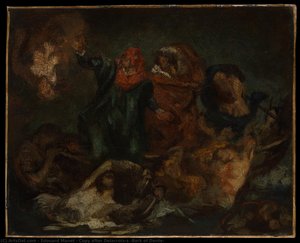
Manet’s artistic journey was marked by a constant exploration of new ideas and techniques. Alongside The Dead Christ with Angels, he produced other notable works, including *Le Déjeuner sur l'herbe* (1863), *Olympia* (1863), and *The Barque of Dante* (1870). These paintings further cemented his reputation as a groundbreaking artist who challenged the conventions of the art world. If you’re captivated by Manet’s innovative spirit, we invite you to explore our meticulously crafted hand-painted reproductions—a way to bring these iconic works into your home and appreciate their enduring beauty and significance.
To delve deeper into Manet's artistic life and discover more of his masterpieces, we encourage you to visit the Metropolitan Museum of Art in New York City or explore online resources such as Wikipedia and The History of Art. And for a truly authentic experience, browse our collection of high-quality reproductions—each one a testament to Manet’s genius and a window into the heart of modern art.
関連作品
アーティストの略歴
エドゥアール・マネ:近代美術への革命とパリの光
エドゥアール・マネ、1832年パリに裕福なブルジョワ階級の一員として生まれました。法曹や海軍といった堅実な将来が期待されたにも関わらず、彼の心は芸術へと強く惹かれていました。若くして絵画の才能を開花させ、アカデミックな画家トマ・クールへの弟子入りも経験しましたが、その厳格な手法に反発し、独自の道を歩むことを決意します。マネは単なる過去の模倣ではなく、現代パリの鮮やかな光と、時に不穏な現実を捉えることを志向しました。ルーブル美術館に通い詰める彼は、カラヴァッジョやベラスケスといった巨匠から、光と影がどのように形態を彫刻し、感情を喚起するかを学びました。そして、クールベ率いる写実主義の台頭は、マネの創造性を大きく刺激し、歴史画や神話的主題からの解放をもたらしました。伝統との決別:スキャンダルと革新
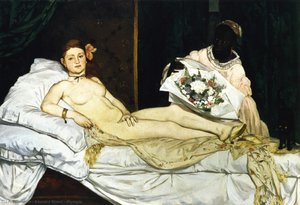
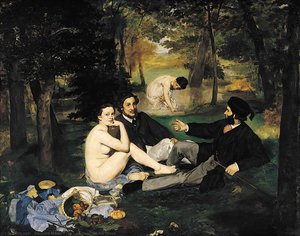
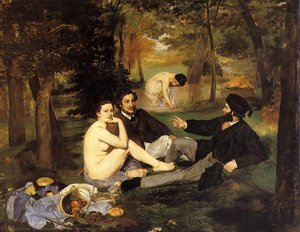
1860年代はパリで激しい芸術的変革期を迎え、マネはその中心に位置していました。日本版画(浮世絵)の到来は、彼の美意識に深い影響を与えました。大胆な構図、鮮やかな色彩、そして平面的な遠近法といった要素に魅せられ、自身の作品に取り入れます。この影響と、アカデミックな技巧への拒絶が相まって、パリのアート界を震撼させるような作品が生み出されました。『草上の昼食』(Le Déjeuner sur l'herbe)は1863年の落選展に出品され、大きな論争を巻き起こしました。裸婦が着衣した男性たちとピクニックを楽しむという構図は、従来のヌード絵画とは一線を画していました。マネの描くヌードは、理想化された美しさや神話的な背景を持たず、現代的で、見る者に衝撃を与える直接性を持っていました。『草上の昼食』のスキャンダルは、1865年の傑作『 Olympia 』によってさらに激化します。これはティツィアーノの『ウルビーノのヴィーナス』を大胆に再解釈した作品であり、現代の娼婦が鑑賞者を見つめ返す姿を描いています。その率直なリアリズムと挑発的な主題は、広範な非難を浴びましたが、その裏にはマネが絵画の表現様式を根本的に変革しているという認識がありました。印象主義への橋渡し:光、筆致、そして現代生活
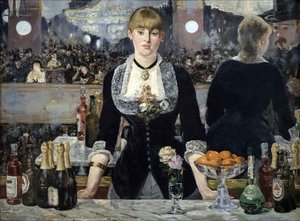
マネ自身は「印象派」とのレッテルを嫌い、写実主義者として自己を規定しましたが、その影響は彼らの芸術に計り知れません。マネもまた、アカデミックな慣習からの脱却と、光の効果や大気の描写へのコミットメントを共有していました。モネ、ルノワール、ドガといった画家たちと共に独立展に参加し、前衛芸術における重要な位置を確立しました。マネの技法はより自由な筆致へと進化し、正確な細部よりも形態の印象を優先するようになりました。色彩も実験的に用いられ、劇的な効果を生み出す鮮やかなコントラストが特徴です。スキャンダルを巻き起こしたヌード作品以外にも、妻スザンヌや作家エミール・ゾラの肖像画、パリの夜の賑わいを描いた『モンマルトルの飲み屋』など、幅広い主題を探求しました。彼は単にこれらの主題を描写するだけでなく、社会規範を問い直し、美の慣習的な概念に挑戦していました。遺産と持続的な影響
エドゥアール・マネは1883年の若年期の死(梅毒による)によって、すでに芸術史の流れを変えていたキャリアを途絶えさせました。彼の評判は死後大きく高まりましたが、その影響はすぐに若い世代のアーティストたちに及んでいます。マネは伝統的な主題、技法、そして芸術的目的に対する障壁を取り払い、解放者として迎えられました。- 現代生活の描写への重点は、印象派や新印象派へと道を開きました。
- 革新的な筆致と色彩の使用は、後世の画家たちに影響を与えました。
- 不快な真実を社会に突きつける姿勢は、鑑賞者に自身の前提を問い直させました。
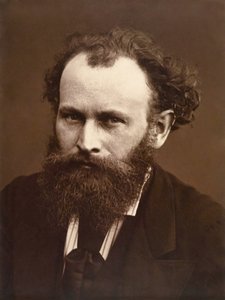
エドゥアール・マネ
1832 - 1883 , フランス
基本情報
- フルネーム: エドゥアール・マネ
- 主な作品:
- déjeuner sur l'herbe
- Olympia
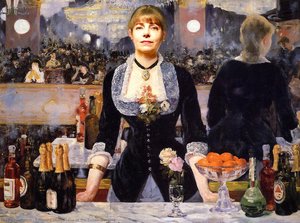
- A Bar at the Folies-Bergère
- 出生地: パリ、フランス
- 国籍: フランス人
- 影響を与えた芸術家:
- クロード・モネ
- ルノワール
- ドガ
- 影響を受けた芸術家:
- カラヴァッジョ
- ベラスケス
- クールベ
- 没年月日: 1883年4月30日
- 生年月日: 1832年1月23日
- 芸術運動: 写実主義、印象派
関連記事
エドゥアール・マネ傑作25選:印象派の革新とモダンアートの世界 | ArtsDot
エドゥアール・マネの傑作25選🎨印象派を代表する画家、マネの世界を旅する。油絵「草上の昼食」や「オランピア」…革新的な色彩とモダンアートの魅力をArtsDotで。高品質なアートプリントで、お部屋に芸術を🖼️
Celestial Messengers: Angels in Painting – A Historical & Artistic Exploration
Explore the captivating history of angels in painting! Discover symbolism, iconic Renaissance & Byzantine masterpieces, and renowned artists. Expert insights for art lovers & collectors at ArtsDot.
Celestial Messengers: A Comprehensive Exploration of Angelic Representation in Art History
Explore the captivating history of angels in art! Discover symbolism, iconic Renaissance masterpieces & renowned artists. Expert insights for art lovers & collectors at ArtsDot.

Impressionism's Masterpieces: 10 Paintings That Defined a Movement | ArtsDot
Journey through Impressionism's heart with 10 iconic paintings by Monet, Renoir & Degas. Explore light, color & the stories behind these masterpieces. Find museum-quality art reproductions and elevate your home decor on ArtsDot.com.
印象派を定義する至宝:時代を超えた10傑 – 美術、画家、そして洗練された空間演出
印象派を代表する10傑の世界へ。モネ、ルノワールら巨匠の技と色彩が織りなす至高の名作を紐解きます。美術、インテリアに新たなインスピレーションを。ArtsDot.comで、博物館品質のアート複製と洗練された空間演出を見つけましょう。