

 プリントを購入
 シェアする
シェアする シェアする
シェアする
 詳細を見る
詳細を見る

 ダウンロード
 似ている作品
 スライドショー
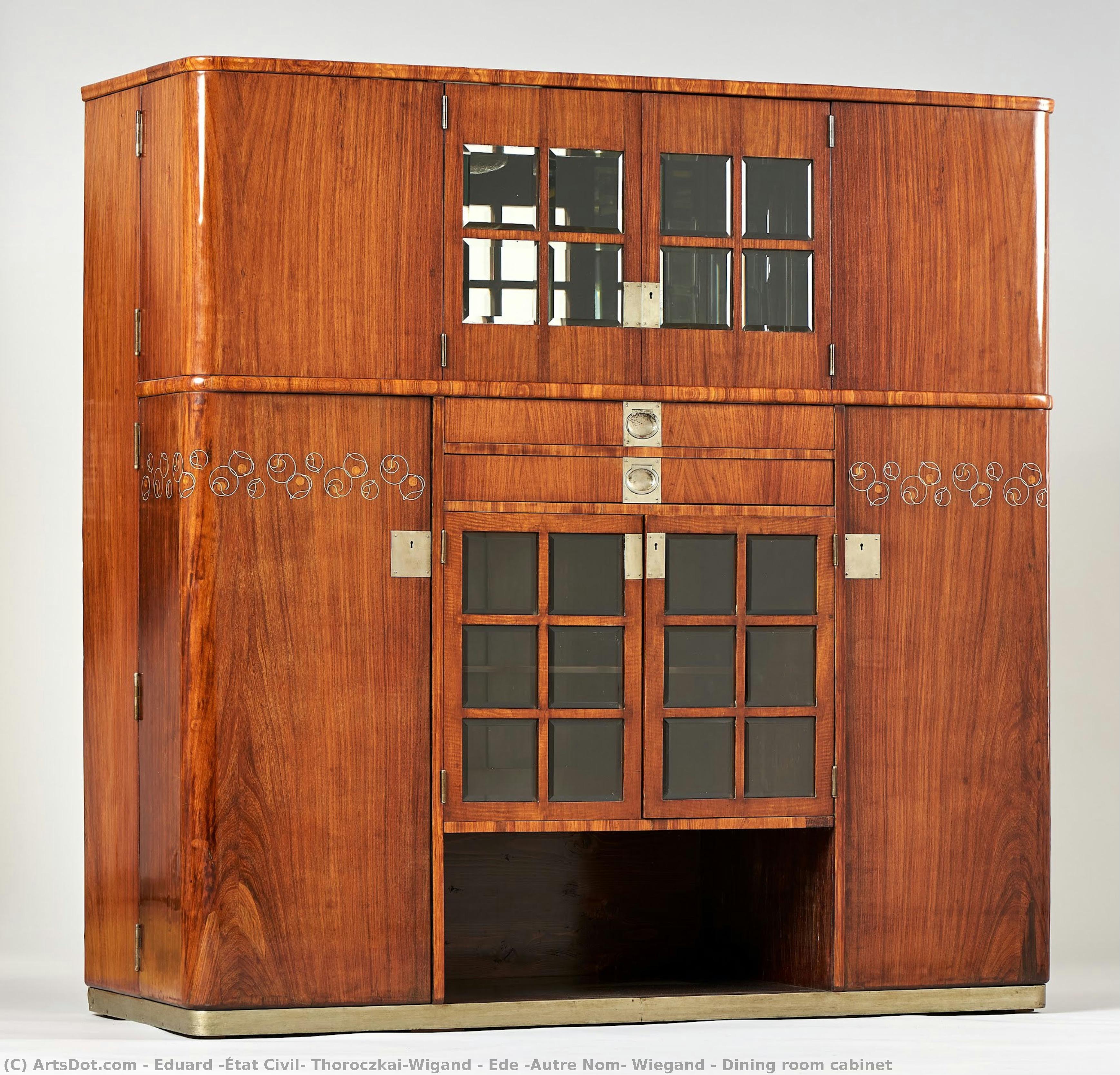
Dining room cabinet


 詳細を見る
詳細を見る
オンラインプレビューをはるかに凌ぐ、高解像度で鮮明なデジタル画像をご購入いただけます。
各ファイルは、社内の専門家が高度なツールと熟練した手作業によるレタッチを用いて、細心の注意を払って準備されています。すべての画像において、卓越した鮮明度、正確な色彩再現性、そして繊細なディテールを保証いたします。
最終ファイルは、プロフェッショナルな編集・印刷環境ですぐにご利用いただけるよう最適化された状態で、72時間以内にメールにてお届けいたします。これは、一流のデザインスタジオ、出版社、ギャラリーから信頼されているものと同等の品質です。
デジタル画像のご注文に付随する特典
高品質なデジタル画像配信を、確かな品質で。
ArtsDot.com を選ぶことは、単に画像を手に入れることではありません。それは、プロの手によって精密に仕上げられ、満足保証が付いた高品質なデジタルアートワークを受け取ることを意味します。ご注文いただいた際に自動的に付随する内容は、以下の通りです:

メールですぐにお届け
ご注文から72時間以内に、高解像度のデジタル画像ファイルがメールでお手元に届きます。すぐにそのままご利用いただけます。

AI技術で最適化されたデジタルファイル
お客様の作品は、高度なAIツールと専門家による手作業の編集を組み合わせてプロフェッショナルに最適化されており、細部のディテール、鮮明さ、そして正確な色再現性を最大限に引き出しています。

一生涯無料の再送サービス
ファイルを誤って削除したり、紛失してしまったりしましたか?ご安心ください。いつでも無料で再送いたします。

輸入手数料は一切かかりません
関税や手数料、配送料を気にすることなく、お気に入りのアートワークをすぐにお楽しみいただけます。デジタルダウンロードは常に免税です。

色彩再現の保証
プロ仕様のツールとカラーマネジメント技術を用いることで、デジタル画像が元の色を最大限に忠実に再現することを保証いたします。

60日間満足保証
ご購入いただいたデジタル画像にご満足いただけない場合は、60日以内であれば、修正または100%の返金(理由を問う必要はありません)をさせていただきます。

100% 返金保証
ご満足いただけない場合は、デジタルファイルを受け取ってから60日以内であれば、理由を問わず全額返金いたします。

まとめ買い割引
3枚購入で10%OFF - 5枚購入で15%OFF - 10枚以上購入で20%OFF。クリエイティブなプロジェクト、ギャラリー、エージェンシーに最適です。
Ede Toroczkai Wigand’s Viennese Echoes: A Study in Form and Material
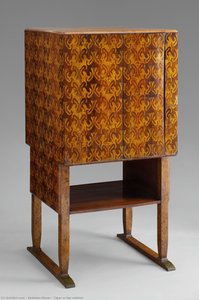
The dining room cabinet presented here offers a compelling glimpse into the artistic currents of early 20th-century Hungary, revealing the influence of Vienna's Secession movement while simultaneously grounding itself within a distinctly Hungarian aesthetic. Crafted by Ede Toroczkai Wigand in 1902, this piece is more than just a functional furnishing; it’s a carefully constructed dialogue between tradition and innovation, reflecting the burgeoning interest in handcrafted design and the desire to elevate everyday objects into works of art.
- A Fusion of Styles: Wigand's design demonstrates a sophisticated understanding of diverse influences. The initial inspiration clearly stems from French Art Nouveau’s flowing lines and organic forms, yet he deftly adapted these elements through a lens informed by the achievements of contemporary English and Scottish designers – a pragmatic approach that resulted in the ‘plank style’ so characteristic of his work.
- The Secession's Embrace: The most striking aspect of this cabinet is its direct engagement with the Viennese Secession. The armchair designs, meticulously documented as variations on Otto Wagner’s bent-wood models for the Austrian Postal Savings Bank, showcase a deliberate borrowing of form and technique. This wasn’t mere imitation; it was an acknowledgment of Vienna's position at the forefront of modern design experimentation.
- Materiality as Statement: The cabinet’s construction is equally significant. The cuboid shape with rounded edges, resting on a base adorned with silver-plated brass, speaks to a desire for both elegance and durability. The use of expensive materials – rosewood veneer, meticulously inlaid silver, and silver-plated fittings – elevates the piece beyond mere functionality, signifying status and reflecting the Secession’s emphasis on quality craftsmanship.
Technique and Craftsmanship: A Detailed Examination
Wigand's meticulous attention to detail is immediately apparent in the cabinet’s construction. The use of rosewood veneer suggests a desire for rich color and texture, while the silver inlay – particularly the stylized ‘peonies’ that adorn the lower drawer – demonstrates a mastery of intricate craftsmanship. These circular inlays, composed of silver, rosewood, and cedar, are not simply decorative; they contribute to the overall sense of luxury and refinement. The cabinet's construction utilizes traditional joinery techniques, highlighting the skill and patience required to create such a piece.
- Copper Medium: While the original was created using copper, this reproduction faithfully replicates the intended effect through modern materials, ensuring an accurate representation of Wigand’s vision.
- Hardware Details: The silver-plated brass banding and hinges further emphasize the cabinet's luxurious qualities and demonstrate a commitment to impeccable finishing.
Historical Context and Significance
The creation of this dining room cabinet in 1902 coincided with a period of significant artistic and architectural change in Hungary. Wigand’s work, showcased at the National Society of Applied Arts Christmas exhibition, aligned perfectly with the broader Arts and Crafts movement, advocating for handcrafted goods and rejecting mass-produced items. The subsequent purchase by the Museum of Applied Arts in Budapest underscores the cabinet's importance as a landmark piece within Hungarian design history. It represents a pivotal moment where Hungarian artistic sensibilities embraced international influences while simultaneously forging its own unique identity.
This reproduction offers an exceptional opportunity to experience firsthand the elegance and sophistication of Ede Toroczkai Wigand’s work, bringing a touch of Viennese Secession into your home or office. It is a testament to the enduring power of thoughtful design and meticulous craftsmanship – a piece that speaks volumes about its time and continues to resonate with collectors and interior designers today.
None関連作品


作家の略歴
**early life and education**
eduard (état civil) thoroczkai-wigand , ede (autre nom) wiegand, a renowned hungarian architect, designer, and writer, was born on may 19, 1869, in budapest. he pursued his studies at the technical university of budapest, laying the foundation for his future career in architecture and furniture design.**contribution to arts and crafts movement**
wigand's work significantly contributed to the arts and crafts movement, influencing hungarian architecture with his unique style. his designs, characterized by simplicity, elegance, and functionality, have become a benchmark for architects and designers.**notable works and exhibitions**
- the dining room cabinet, created in 1902 using copper as a medium, is one of his most famous works.
- his writings on architecture and design helped popularize the arts and crafts movement in hungary.
- some of his notable works can be found in the artist's profile on ArtsDot, showcasing his mastery over various mediums.
- for a deeper understanding of wigand's influence, visit the zichy museum zala, hungary, which features an impressive collection of hungarian art and architecture. /en/art/show/art-d3b5p9-en/
- explore the hungarian national gallery, budapest, which houses an extensive collection of hungarian fine arts, including works by wigand's contemporaries. [https://ArtsDot.com/@@/a@d3b6x7-the-hungarian-national-gallery-budapest](https://ArtsDot.com/@@/a@d3b6x7-the-hungarian-national-gallery-budapest)
**legacy and later life**
ede toroczkai wigand passed away on january 22, 1945, in budapest, leaving behind a legacy that continues to inspire architects, designers, and artists. his work remains a testament to the enduring power of the arts and crafts movement in hungarian architecture. **key dates:**- may 19, 1869 - born in budapest
- 1902 - created the dining room cabinet
- january 22, 1945 - passed away in budapest
eduard (état civil) thoroczkai-wigand , ede (autre nom) wiegand
1869 - 1945 , Hungary
プロフィール概要
- Artistic Movement Or Style:
- Fauvism
- Modernism
- Artists Or Movements Influenced By This Artist: ['Pablo Picasso']
- Artists Who Influenced This Artist:
- William-Adolphe Bouguereau
- Paul Cézanne
- Date Of Birth: December 31, 1869
- Date Of Death: November 3, 1954
- Full Name: Henri-Émile-Benoît Matisse
- Nationality: French
- Notable Artworks:
- The Red Studio
- Dance (Matisse)
- Blue Nude
- Place Of Birth: Le Cateau, Picardy, France

