

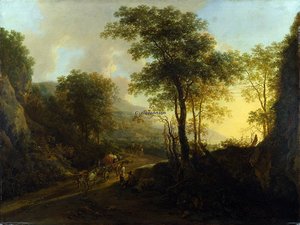
![Paisagem Com Índios [landscape With Indians] — Eduard Hildebrandt](/media/artworks/images-full/db/53/db5334b165d24ef3ac791727109fd91a.jpg)
 プレビュー
プレビュー
 プリントを購入
 シェアする
シェアする シェアする
シェアする
 詳細を見る
詳細を見る

 ダウンロード
 似ている作品
 X線調査
X線調査 スライドショー
Paisagem com índios [Landscape with Indians]
 Oil
Oil- WallArt
- Barbizon School
 1945
1945- 19th Century
 39.0 x 57.0 cm
 Pinacoteca do Estado de São Paulo
 詳細を見る
詳細を見る




P118B $10

P118H $10

P118W $10

P438Z $10

P508JH $12

P508YH $12

P805H $10

P805Z $10

P919BZ $10

P919G $10

P919XJ $10

P959ZH $10

P968JZ $12

W106C $8

W218G $10

W218JH $8

W218Y $10

W307PJ $10

W316G $10

W316PJ $8

W316Y $10

W398PJ $8

W4111J $10

W500HY $15

W500JH $15

W692G $12

W849H $8

W940BG $15

W953PJ $8




作品のオリジナル比率に合わせた、当店の規定サイズからお選びください。

特定のフレームやスペースに合わせて、ご希望のサイズをご入力いただけます。選択されたサイズが元の画像の比率と異なる場合、アートワークをトリミングするか、手描きで要素を追加して絵画を拡張いたします。デジタルモックアップ を制作し、制作開始前にご確認(承認)をいただきます。
画面上のプレビューは、実際のトリミングや拡張を正確に反映しているものではありません。最終的な構図は、モックアップによってのみ正確にご確認いただけます。
カスタムサイズもご利用いただけますが、元の比率を維持するためには、あらかじめ用意されたリストからサイズを選択することをお勧めいたします。
ご注文後、ArtsDot.com チームより詳細な指示をお送りするとともに、仕上がりイメージ(モックアップ)をご提供いたします。


 ガラスオプションは、110cm未満のサイズでのみご利用いただけます。

Paisagem com índios [Landscape with Indians]
複製技法
複製画のサイズ
-


合計金額
$ 263
作品解説
A Serene Encounter in the Wild
In the quietude of Paisagem com índios [Landscape with Indians], we are invited into a world where time seems to decelerate, allowing for a profound connection between humanity and the natural realm. Painted by the master of atmosphere, Eduard Hildebrandt, this evocative landscape captures a fleeting moment of communal peace. The composition centers on figures nestled within a lush, verdant environment, where the interplay of light and shadow dances across the foliage. Two primary figures stand near the heart of the canvas, their gazes directed toward a shared point of interest, perhaps a distant horizon or a subtle movement in the brush. This sense of shared observation creates an intimate bond between the subjects, drawing the viewer into their silent, contemplative dialogue with the earth.
The landscape itself is far more than a mere backdrop; it is a living, breathing protagonist. Hildebrandt utilizes a rich tapestry of trees and dense bushes to frame the scene, creating a sense of enclosure that feels both protective and immersive. The large, central tree acts as an anchor for the composition, its sturdy presence providing a vertical counterpoint to the scattered figures that populate the periphery. Through his masterful use of color and texture, Hildebrandt breathes life into the greenery, suggesting the humid warmth of a tropical or subtropical setting where every leaf and branch contributes to a larger, harmonious ecosystem.
The Mastery of Light and Atmosphere
As an artist who drew immense inspiration from the École de Barbizon, Hildebrandt brings a sophisticated understanding of atmospheric perspective to this work. The technique is characterized by a delicate layering of tones that mimics the way light filters through a forest canopy. There is no harshness here; instead, we find a soft, diffused glow that envelops the figures and the flora alike. This approach to light does not merely illuminate the scene but imbues it with an emotional weight, evoking feelings of nostalgia, tranquility, and a deep-seated reverence for the untouched wilderness.
For the discerning collector or interior designer, this piece offers a unique opportunity to introduce a sense of organic calm into a living space. The painting’s ability to balance detailed botanical elements with broad, atmospheric sweeps makes it a versatile masterpiece for high-end decor. Whether placed in a sunlit gallery or a more muted, contemporary study, the work serves as a window into a lost era of exploration and quietude. It is an invitation to pause, to breathe, and to rediscover the profound beauty found in the simplest moments of coexistence between man and nature.
関連作品

アーティストの略歴
Eduard Hildebrandt: A Pioneer of Global Landscapes
Eduard Hildebrandt, born in Gdańsk (then Danzig), Poland, on September 9, 1818, and tragically passing away in Berlin in 1868, stands as a compelling figure in 19th-century European art. Initially apprenticed to his father, a house painter, Hildebrandt’s artistic journey took an unexpected turn when he moved to Berlin at the tender age of twenty. There, under the tutelage of Wilhelm Krause, a seascape artist, he began to hone his skills, initially studying the established conventions of the Berlin Academy. However, it was a chance encounter with masterpieces displayed within the academy that ignited a fervent curiosity and a yearning for something beyond the rigid formalism of the school. This pivotal moment spurred him to travel to Paris, where he immersed himself in the vibrant atmosphere of the Isabey atelier, learning from the masters of the French *École de Barbizon* and absorbing their techniques of light, color, and atmospheric perspective.Early Influences and Parisian Training
Hildebrandt’s time in Paris proved transformative. He quickly mastered the nuances of brushwork and the secrets to capturing fleeting moments and dramatic effects – skills he diligently brought back to Germany. Crucially, his exposure to French art wasn't merely a superficial imitation; it fostered a spirit of innovation and a desire to move beyond mere replication. He developed an eye for detail, particularly in rendering figures within landscapes, a skill that would later become central to his distinctive style. The influence of the Parisian school is undeniable, yet Hildebrandt skillfully integrated these techniques with his own burgeoning artistic vision, creating works that possessed both technical proficiency and a palpable sense of observation.A World on Canvas: Travels and Artistic Evolution
The true turning point in Hildebrandt’s career arrived through a series of extraordinary journeys. Under the guidance of Alexander von Humboldt, a renowned naturalist and explorer, he embarked on extensive travels throughout South America, North America, the Middle East, India, and Asia. These expeditions weren't simply vacations; they were profound experiences that fundamentally reshaped his artistic perspective. He documented these vast landscapes – from the towering Andes to the bustling bazaars of Cairo – with an unprecedented level of detail and a remarkable ability to capture the essence of each location. His work during this period, particularly his watercolors, became renowned for their vibrant colors, dramatic lighting, and evocative atmosphere. Notably, he was commissioned by the Prussian King Frederick William IV to create a series of paintings depicting scenes from his travels, securing his position as a prominent artist of his time.Style and Legacy: Watercolors and the "Round the World" Collection
While Hildebrandt produced oil paintings throughout his career, he is most celebrated for his watercolors. These delicate yet powerful works capture the immediacy of observation, revealing a remarkable sensitivity to light, color, and texture. His style evolved over time, moving from meticulous detail to a more expressive approach that prioritized capturing the *feeling* of a place rather than an exact representation. His later work, particularly his sketches from his "Round the World" journey (1844-1851), is considered a landmark achievement in travel art. These watercolors, exhibited in London in 1866, offered viewers a breathtaking panorama of the world as seen through Hildebrandt’s eyes – a testament to his adventurous spirit and artistic skill. Despite a shift towards looser brushwork later in life, reflecting a desire for broader scenic views, his legacy rests primarily on these evocative sketches, representing a unique blend of observation, imagination, and technical mastery.Historical Significance and Lasting Impact
Eduard Hildebrandt’s work holds significant historical value as a visual record of 19th-century exploration and globalization. His paintings offer invaluable insights into the landscapes, cultures, and people of a world undergoing rapid transformation. While his later years were marked by a decline in meticulous detail due to a shift towards capturing expansive vistas, his earlier works—particularly those produced during his Parisian training and extensive travels—remain highly regarded for their technical skill, atmospheric depth, and captivating portrayal of the world. Hildebrandt’s legacy endures not only through his paintings but also as an exemplar of artistic exploration and the power of travel to shape an artist's vision.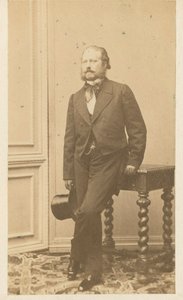
Eduard Hildebrandt
1818 - 1868 , Poland
基本情報
- Artistic Movement Or Style: Landscape painting
- Artists Or Movements Influenced By This Artist: ['French School Painting']
- Artists Who Influenced This Artist: ['Wilhelm Krause']
- Date Of Birth: September 9, 1818
- Date Of Death: October 25, 1868
- Full Name: Eduard Hildebrandt
- Nationality: German
- Notable Artworks:
- Rua Do Ouvidor, Rio de Janeiro
- San Vicente, Lisbon
- Place Of Birth: Danzig (Poland)
関連記事

ジョン・コンスタブルの傑作25選:英国風景画の巨匠が描く自然と光の詩 | ArtsDot
ジョン・コンスタブルの傑作25選。英国風景画の巨匠が描く自然と光の詩の世界へ。ロマン主義を代表する絵画、デダム・ヴェールやヘイ・ウェインなど、ArtsDotで高品質なアートプリントをお楽しみください。インテリアに深みと感動を。コレクションはこちら。
Serene Visions: Exploring Themes of Tranquility in Art History & Contemporary Practice
Explore the history of serene landscape art & discover artists who evoke tranquility. Find the perfect calming artwork for your home with expert guidance from ArtsDot.

Evocations of Place: A Historical Journey Through Landscape Art
Explore the rich history of landscape art with ArtsDot. Discover renowned artists, movements like Impressionism & Romanticism, and expert guidance for collecting timeless pieces. Find your perfect serene escape today!

ロマン派ランドスケープ:時代を彩る巨匠の10選|アートとインテリアの世界
ロマン派絵画の時代を彩る10選。巨匠たちの風景が織りなす感動の世界へ。ターナー、ルーベンスなど、名作の裏話と高精細複製でアートをお部屋に。ArtsDot.comで至福のアート体験を。
Evoking Tranquility: A Comprehensive Exploration of Serene Landscapes in Art History
Explore the history of serene landscapes in art! Discover renowned artists like Monet & Munch, movements from Impressionism to Tonalism, and find the perfect piece to bring tranquility to your home. Expert insights at ArtsDot.

