

 プレビュー
プレビュー
 プリントを購入
 シェアする
シェアする シェアする
シェアする
 詳細を見る
詳細を見る

 ダウンロード
 似ている作品
 X線調査
X線調査 スライドショー
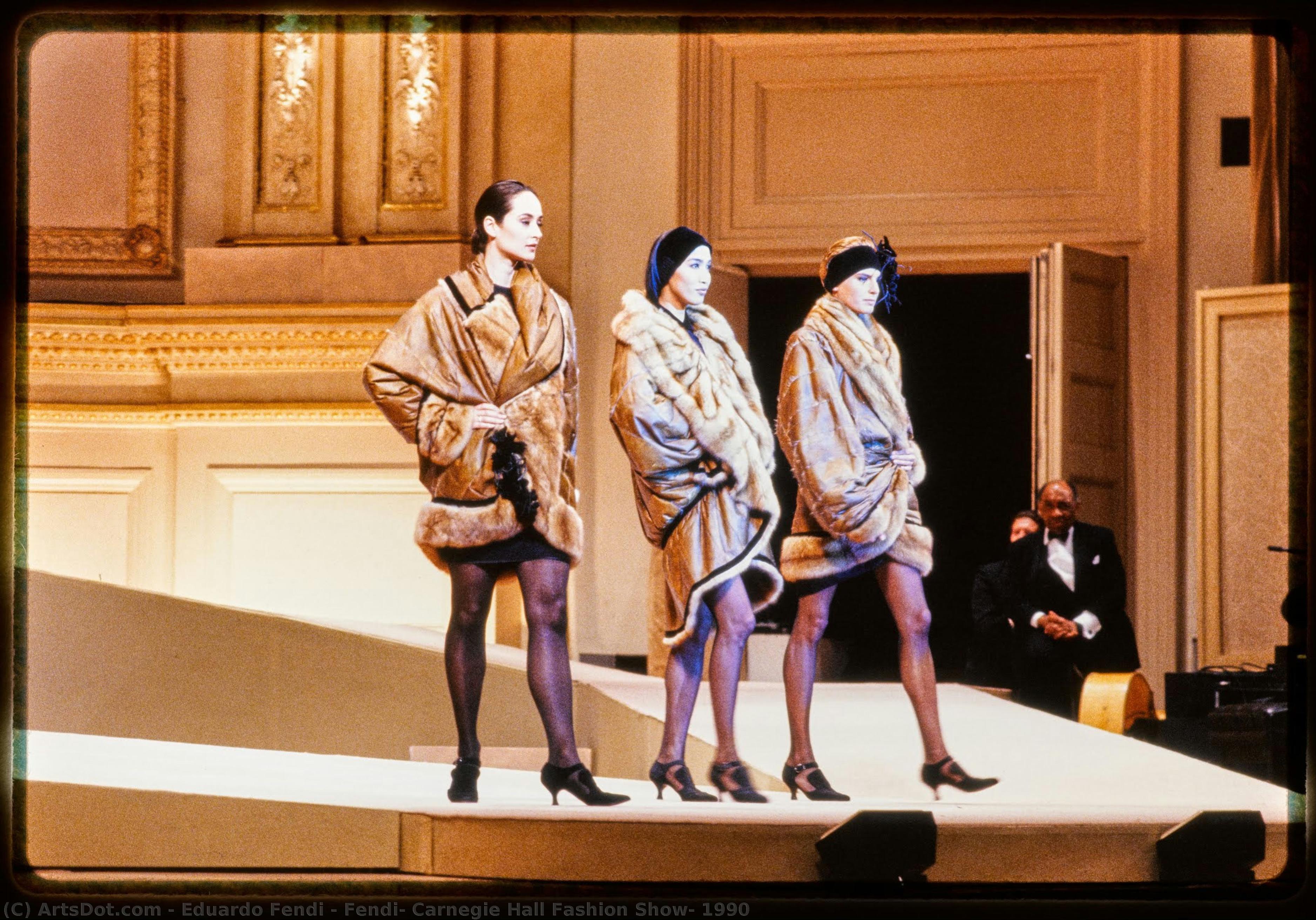
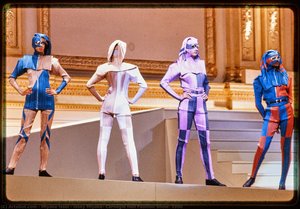
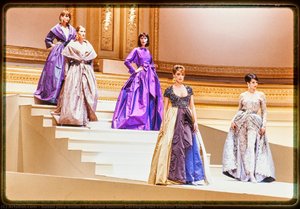
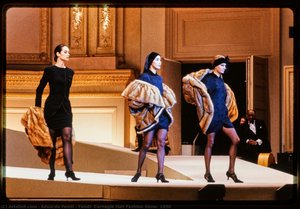
Fendi, Carnegie Hall Fashion Show, 1990


 詳細を見る
詳細を見る




































作品のオリジナル比率に合わせた、当店の規定サイズからお選びください。

特定のフレームやスペースに合わせて、ご希望のサイズをご入力いただけます。選択されたサイズが元の画像の比率と異なる場合、アートワークをトリミングするか、手描きで要素を追加して絵画を拡張いたします。デジタルモックアップ を制作し、制作開始前にご確認(承認)をいただきます。
画面上のプレビューは、実際のトリミングや拡張を正確に反映しているものではありません。最終的な構図は、モックアップによってのみ正確にご確認いただけます。
カスタムサイズもご利用いただけますが、元の比率を維持するためには、あらかじめ用意されたリストからサイズを選択することをお勧めいたします。
ご注文後、ArtsDot.com チームより詳細な指示をお送りするとともに、仕上がりイメージ(モックアップ)をご提供いたします。


 ガラスオプションは、110cm未満のサイズでのみご利用いただけます。

Fendi, Carnegie Hall Fashion Show, 1990
複製技法
複製画のサイズ
-


合計金額
$ 313
関連作品

アーティストの略歴
Salvador Dalí: A Surrealist Visionary
Born in Figueres, Catalonia, Spain, on May 11, 1904, Salvador Dalí was more than just a painter; he was a provocateur, an iconoclast, and arguably the most recognizable figure of the Surrealist movement. His life, marked by eccentricity, meticulous technique, and a profound fascination with the subconscious, continues to captivate audiences nearly a century after his death in 1989. From humble beginnings—the son of a notary and a devout Catholic—Dalí’s artistic journey was shaped by a complex interplay of influences: classical art, Freudian psychology, Catalan nationalism, and a deeply personal vision of the world.
Early life provided a foundation for his unique perspective. His childhood in Figueres, a town he would later transform into a surrealist museum, instilled a love for meticulous detail and a fascination with the bizarre. The death of his mother at a young age profoundly affected him, contributing to a lifelong preoccupation with mortality and decay. His formal artistic training at the Real Academia de Bellas Artes de San Fernando in Madrid exposed him to traditional techniques but ultimately led him away from academic realism towards the burgeoning avant-garde movements.
The Rise of Surrealism and Artistic Development
Dalí’s encounter with Pablo Picasso in 1923 proved pivotal, introducing him to Cubism's fragmented perspectives and challenging his established notions of representation. However, it was his immersion into the world of Sigmund Freud that truly ignited his artistic imagination. Dalí became utterly absorbed by Freudian psychoanalysis, believing that art could unlock the hidden depths of the human psyche. This led him to develop his own unique brand of Surrealism—a meticulous and highly detailed exploration of dreams, fantasies, and irrationality.
His early works, such as “The Persistence of Memory” (1931), with its melting clocks draped over a barren landscape, became instantly iconic. This painting, arguably his most famous, perfectly encapsulates the Surrealist preoccupation with time, decay, and the fluidity of reality. Dalí’s technique was characterized by an almost photographic precision—he meticulously rendered every detail, creating an unsettling juxtaposition of familiar objects in impossible situations. He wasn't simply depicting dreams; he was constructing them with a level of technical mastery that bordered on obsessive.
Major Works and Recurring Themes
Dalí’s oeuvre is vast and remarkably diverse, encompassing paintings, sculptures, drawings, stage designs, and even fashion collaborations. Beyond “The Persistence of Memory,” other significant works include "Galatea of the Spheres" (1952), a celebration of classical beauty rendered in crystalline forms; “Swans Reflecting Elephants” (1937), a mesmerizing exploration of perception and illusion; and “Christ of Saint John of the Cross” (1951), a dramatic depiction of Christ’s suffering imbued with religious symbolism.
Recurring themes permeate Dalí's work: time, death, sexuality, religion, and the subconscious. He frequently employed symbolic imagery—melting clocks representing the fluidity of time, ants symbolizing decay, eggs representing birth and resurrection, and butterflies signifying transformation. His meticulous attention to detail and his ability to evoke a sense of unease and wonder cemented his place as one of the 20th century’s most influential artists.
Legacy and Historical Significance
Salvador Dalí's impact on art extends far beyond the Surrealist movement. His innovative techniques, his provocative imagery, and his flamboyant personality captivated the public imagination and helped to popularize Surrealism. He influenced generations of artists, filmmakers, and designers, leaving an indelible mark on popular culture.
Today, Dalí’s work is exhibited in museums around the world, and his legacy continues to inspire awe and debate. He remains a symbol of artistic eccentricity, a testament to the power of imagination, and a reminder that reality itself can be a matter of perception. His museum in Figueres, Spain, stands as a surrealist wonderland—a fitting tribute to the man who dared to dream beyond the confines of conventional art.
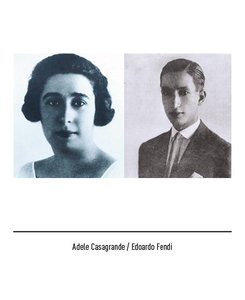
eduardo fendi
1904 - 1954 , Italy
基本情報
- Artistic Movement Or Style: Surrealism
- Artists Or Movements Influenced By This Artist:
- Cubism
- Surrealism
- Artists Who Influenced This Artist:
- Picasso
- Dada
- Freud
- Date Of Birth: May 11, 1904
- Date Of Death: January 23, 1989
- Full Name: Salvador Felipe Jacinto Dalí i Domènech
- Nationality: Spanish
- Notable Artworks:
- The Persistence of Memory
- Galatea of the Spheres
- Dream Caused by the Flight of a Bee
- Place Of Birth: Figueres, Catalonia, Spain
関連記事

Beyond the Lens: Photography's Enduring Influence on Modern & Contemporary Art
Explore photography's pivotal role in shaping modern & contemporary art. Discover key movements, influential artists like Stieglitz, and expert collecting advice from ArtsDot.

Monochrome Visions: Exploring the Aesthetic & Historical Significance of Black & White Photography
Explore the rich history & artistic power of black and white photography. From early techniques to iconic masters like Ansel Adams, discover why monochrome continues to captivate art lovers today. Expert insights for collectors.

Pictorialism: A Search for Artistic Photography's Soul – Aesthetics, Techniques & Legacy
Explore the captivating world of Pictorialism – a pivotal movement that transformed photography into fine art. Discover key artists like Stieglitz & Käsebier, techniques, and collecting tips from experts.

Witnessing History Through Lens & Light: Documentary Photography's Enduring Legacy
Explore the powerful history of documentary photography – from its origins to contemporary masters like Gordon Parks & W. Eugene Smith. Discover how this art form shapes our understanding of society and witness pivotal moments in time.
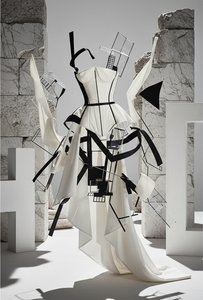
Gianfranco Ferré: Deconstructing Haute Couture – A Legacy of Architectural Form
Explore the revolutionary world of Gianfranco Ferré, 'the architect of fashion.' Discover his architectural approach to haute couture, iconic Dior designs, and lasting influence on luxury style. A deep dive for collectors & enthusiasts.

